Inspiration
Epiphany
A dark rainy day—I stood under my umbrella. Children laughing, dancing in the rain, untouched by worry. My mind wandering over my misfortunate life, seeking bliss, but nothing is able to mend the heart and pain; hits harder and lasts longer. My lost desired happiness buried beneath grief. No sooner had a golden raindrop landed on my palm, pulling me into the reality that love and bliss aren’t something to chase; it exists in the now. Smiling, I stepped forward, letting the rain embrace me, accepting the joy I had long overlooked.
By Eiman Asif2 years ago in Writers
How Much a Man Loves You: You Can Feel It During
Hi, I’m Ashley. I want to tell you about my relationship with Daniel—how it started, how it fell apart, and what I learned about love along the way. Maybe my story will help you if you’ve ever found yourself questioning whether someone truly loves you.
By unknown writer2 years ago in Writers
My Grandmother's Ambrosia Sweet: Tradition, Emotion, and Memories
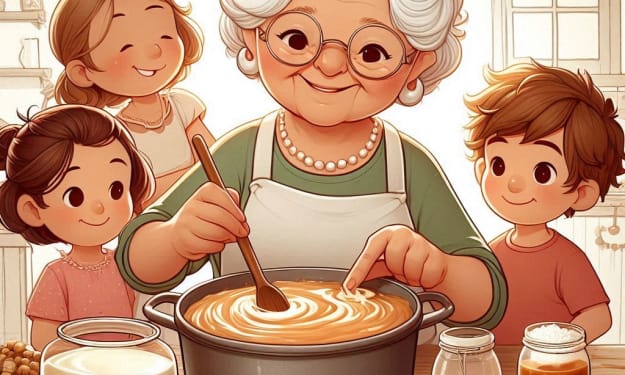
My Grandmother’s Ambrosia Sweet: Tradition, Emotion, and Memories My cousins and I grew up surrounded by an abundance of sweets, but none made us wait with as much anticipation and love as my grandmother’s ambrosia sweet. It wasn’t just a recipe; it was a ritual, a family tradition that, over the years, became part of our identity and our fondest memories. Every time the sweet and gentle aroma filled the house, it was as if time stood still. The wood stove, the smoke mixing with the scent of sugar and cinnamon, felt like a warm embrace wrapping around us, transporting us to a place where only the joy of being there, with family, sharing that simple yet incredibly special moment, existed.
By Mayara Dantas2 years ago in Writers
A Writer's Exploration of the Ethics of Gene Editing. AI-Generated.
As a writer, I've always been fascinated by the intersection of science, technology, and humanity. The discovery of the CRISPR-Cas9 gene editing tool has opened up new possibilities for treating genetic diseases, improving crop yields, and even bringing back extinct species. But with these possibilities come daunting ethical questions. I began my exploration of the ethics of gene editing by delving into the science behind CRISPR-Cas9. This powerful tool allows scientists to edit genes with unprecedented precision, effectively "cutting and pasting" DNA sequences. The potential applications are vast, from treating genetic disorders like sickle cell anemia to developing new cancer therapies. However, as I dug deeper, I encountered a complex web of ethical concerns. One of the most pressing issues is the possibility of unintended consequences. Gene editing is still a relatively new field, and scientists are only beginning to understand the long-term effects of altering an organism's genetic code. For example, what if a gene edit intended to cure a disease inadvertently introduces a new mutation that causes unforeseen harm? Or what if a genetically modified organism (GMO) is released into the environment, only to disrupt the delicate balance of an ecosystem? As I pondered these questions, I couldn't help but think of the classic sci-fi cautionary tale, Frankenstein. Mary Shelley's iconic novel warns us of the dangers of unchecked scientific progress, where the pursuit of knowledge and innovation can lead to unintended consequences that ultimately destroy us. *The Slippery Slope of Human Enhancement* Another ethical concern surrounding gene editing is the potential for human enhancement. If we can edit genes to cure diseases, why not also use this technology to enhance physical or cognitive abilities? The prospect of creating "designer babies" or "super-soldiers" raises disturbing questions about the limits of human intervention in the natural world. As I explored this issue, I encountered a range of perspectives. Some argue that human enhancement is a natural extension of medical advancements, allowing us to improve human life and alleviate suffering. Others warn that this could lead to a new era of eugenics, where the wealthy and powerful use gene editing to create a superior class of humans. I couldn't help but wonder: where do we draw the line between therapy and enhancement? And who gets to decide what constitutes a "desirable" trait? *The Global Governance of Gene Editing* As I continued my exploration, I realized that the ethics of gene editing are not just a scientific or philosophical issue, but also a global governance challenge. With the advent of CRISPR-Cas9, the world is facing a regulatory vacuum, where different countries and institutions are grappling with how to oversee this powerful technology. I spoke to experts in the field, who emphasized the need for international cooperation and agreement on gene editing standards. Without a unified framework, the risk of gene editing being used for malicious purposes or exacerbating existing inequalities increases. As I concluded my exploration of the ethics of gene editing, I was left with more questions than answers. The double-edged helix of CRISPR-Cas9 holds immense promise for improving human life, but also poses significant risks and challenges. Ultimately, the ethics of gene editing will require a nuanced and multidisciplinary approach, involving scientists, philosophers, policymakers, and the public at large. As we navigate this complex landscape, we must proceed with caution, humility, and a deep respect for the intricacies of the human genome. *The Need for Public Engagement* As I reflected on the ethics of gene editing, I realized that public engagement is crucial in shaping the future of this technology. The decisions we make about gene editing will have far-reaching consequences, affecting not just individuals but entire societies. I spoke to scientists, policymakers, and community leaders, who all emphasized the importance of inclusive and informed public dialogue. We need to create spaces for people to share their concerns, values, and hopes for gene editing, and to ensure that diverse perspectives are represented in decision-making processes. This is not just a matter of democratic participation; it's also essential for building trust and ensuring that gene editing serves the public interest. By engaging with the public, we can foster a more nuanced understanding of the benefits and risks of gene editing, and develop policies that reflect our shared values and principles. *A Call to Action* As I conclude my exploration of the ethics of gene editing, I am left with a sense of urgency and responsibility. We are at a critical juncture in the development of this technology, and the choices we make now will shape the future of humanity. I urge scientists, policymakers, and community leaders to prioritize public engagement and inclusive decision-making. We must create spaces for dialogue, listen to diverse perspectives, and ensure that gene editing serves the public interest. I also urge individuals to educate themselves about gene editing, to engage in public discussions, and to demand transparency and accountability from those developing and regulating this technology. Together, we can navigate the complex ethics of gene editing and ensure that this powerful technology is used to promote human flourishing, equity, and sustainability. *A Future of Possibility* As I look to the future, I am filled with a sense of possibility and hope. Gene editing has the potential to revolutionize our understanding of human biology, to develop new treatments for diseases, and to improve the human condition. But this future is not guaranteed. It will require careful consideration, inclusive decision-making, and a commitment to promoting the public interest. I believe that together, we can create a future where gene editing is used to promote human flourishing, equity, and sustainability. A future where this powerful technology is harnessed to improve the human condition, and to create a world that is more just, compassionate, and peaceful.
By Henry Lucy2 years ago in Writers
The Power of Diversity and Inclusion. AI-Generated.
As a writer, I have always been drawn to the power of storytelling to bring people together and to create empathy and understanding. But as I looked around at the literary world, I realized that there was a glaring lack of diversity and inclusion. The stories being told were largely by and about white, able-bodied, and straight individuals, with little representation of people from diverse backgrounds. This realization sparked a sense of urgency within me to do something about it. I began to seek out diverse voices and stories, to read and learn from them, and to amplify them whenever possible. I also started to think more critically about my own writing, asking myself questions like: Who are the characters in my story? What are their backgrounds and experiences? How can I ensure that my story is inclusive and representative of the diversity of the world we live in? As I embarked on this journey, I encountered many challenges and obstacles. I faced criticism and resistance from some who felt that diversity and inclusion were not important, or that they were somehow "lowering the bar" for writers. I also struggled with my own biases and limitations, recognizing that I had much to learn and unlearn. Despite these challenges, I persevered, driven by a deep conviction that diversity and inclusion are essential to creating a more just and equitable society. I sought out mentorship and guidance from writers and editors from diverse backgrounds, and I joined online communities and forums dedicated to promoting diversity and inclusion in literature. One of the most important lessons I learned on this journey was the importance of listening and amplifying the voices of others. As a writer, I had always been focused on my own voice and my own stories, but I came to realize that there were many other voices and stories that needed to be heard. I began to use my platform to amplify the work of writers from diverse backgrounds, and to create opportunities for them to share their stories and perspectives. Another important lesson I learned was the importance of self-reflection and self-criticism. As a writer, I had always been focused on creating stories that were authentic and meaningful, but I came to realize that my own biases and limitations were often reflected in my work. I began to critically examine my own writing, asking myself questions like: What are the power dynamics at play in my story? How are different groups and identities represented? What are the implications of my story for different readers and communities? As I continued on this journey, I began to see the impact that diversity and inclusion can have on literature and on society as a whole. I saw how diverse stories and voices can challenge dominant narratives and stereotypes, and how they can create new opportunities for empathy and understanding. I also saw how diversity and inclusion can enrich and expand the literary canon, introducing new themes, perspectives, and styles that reflect the complexity and diversity of the world we live in. *A Call to Action* As I reflect on my journey as a writer, I am reminded of the importance of diversity and inclusion in literature. I am also reminded of the challenges and obstacles that still exist, and of the need for ongoing effort and commitment to create a more inclusive and representative literary world. To my fellow writers, I urge you to join me on this journey. Seek out diverse voices and stories, and amplify them whenever possible. Critically examine your own writing, asking yourself questions about power dynamics, representation, and impact. Use your platform to create opportunities for writers from diverse backgrounds, and to challenge dominant narratives and stereotypes. To publishers and editors, I urge you to prioritize diversity and inclusion in your publishing practices. Seek out manuscripts from diverse voices, and provide opportunities for writers from underrepresented backgrounds to share their stories and perspectives. To readers, I urge you to seek out diverse stories and voices, and to support writers and publishers who prioritize diversity and inclusion. Use your voice to amplify the work of writers from diverse backgrounds, and to challenge dominant narratives and stereotypes. Together, we can create a more inclusive and representative literary world, one that reflects the complexity and diversity of the world we live in. We can use our words to challenge, to inspire, and to create positive change. We can use our stories to build bridges, to foster empathy and understanding, and to create a more just and equitable society for all. To my fellow writers, I urge you to join me on this journey. Seek out diverse voices and stories, and amplify them whenever possible. Critically examine your own writing, asking yourself questions about power dynamics, representation, and impact. Use your platform to create opportunities for writers from diverse backgrounds, and to challenge dominant narratives and stereotypes. To publishers and editors, I urge you to prioritize diversity and inclusion in your publishing practices. Seek out manuscripts from diverse voices, and provide opportunities for writers from underrepresented backgrounds to share their stories and perspectives. To readers, I urge you to seek out diverse stories and voices, and to support writers and publishers who prioritize diversity and inclusion. Use your voice to amplify the work of writers from diverse backgrounds, and to challenge dominant narratives and stereotypes. *The Power of Storytelling* Storytelling has the power to shape our perceptions, to challenge our assumptions, and to create empathy and understanding. When we hear stories from diverse voices and perspectives, we gain a deeper understanding of the world and its complexities. We begin to see the world from different angles, and to appreciate the richness and diversity of human experience. The power of storytelling is not limited to the stories themselves, but also to the impact they can have on our lives and our communities. When we share stories from diverse voices and perspectives, we create opportunities for connection, empathy, and understanding. We build bridges between communities, and we foster a sense of belonging and inclusivity. *A Brighter Future* As I look to the future, I am filled with hope and optimism. I see a world where diversity and inclusion are valued and celebrated, where stories from diverse voices and perspectives are amplified and shared. I see a world where writers, publishers, and readers work together to create a more inclusive and representative literary world. This is a world where everyone has the opportunity to see themselves reflected in the stories they read. A world where everyone has the chance to share their story, and to be heard. A world where diversity and inclusion are not just buzzwords, but a reality that we live and breathe every day. *Conclusion* The importance of diversity and inclusion in literature cannot be overstated. It is a matter of justice, equity, and humanity. It is a matter of creating a world where everyone has the opportunity to see themselves reflected in the stories they read, and to share their own story with the world. As writers, publishers, and readers, we have the power to create this world. We have the power to amplify diverse voices and perspectives, to challenge dominant narratives and stereotypes, and to create a more inclusive and representative literary world. Let us use this power to create a brighter future, a future where diversity and inclusion are valued and celebrated. Let us use our words to challenge, to inspire, and to create positive change. Let us use our stories to build bridges, to foster empathy and understanding, and to create a more just and equitable society for all.
By Henry Lucy2 years ago in Writers
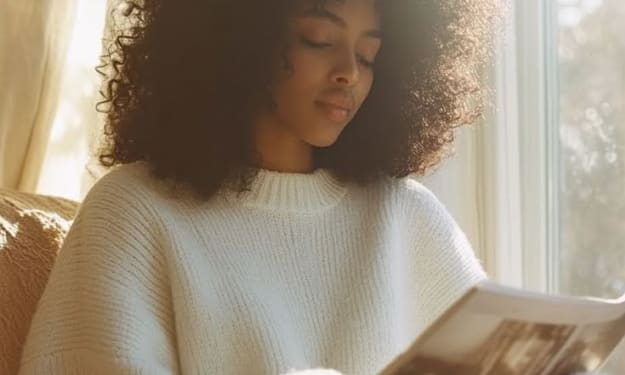
Sipping Wisdom: A Personal Journey of Meeting My Younger Self Over Coffee
The air permeated a sense of calmness and stillness as I entered the coffee shop ten minutes late, I saw my younger self sitting there reading a book as she was sipping on her favourite caramel ice cream latte. Engrossed in her tale, she scrunched her nose as she did not like a particular stance of the story, I smiled with a serenity-filled eye as I saw the beauty of innocence brimming in her eyes. Hurrying across the table I told her sorry I was late and she said it was no problem. She asked me what I would like to have and I ordered an iced mocha frappuccino as she made room for me to sit alongside her on the table.
By Hridya Sharma2 years ago in Writers
Top 5 Digital Marketing Tools: Boost Your Marketing Efforts in 2025
Are you struggling to streamline your digital marketing efforts? You’re not alone! With the growing competition in the digital world, using the right tools can make a huge difference. In this article, we’ll explore the top 5 digital marketing tools that can help you optimize your strategies, save time, and increase efficiency in 2025. Whether you’re a beginner or a seasoned marketer, these tools will give you a competitive edge.
By Jawad Ludin2 years ago in Writers