
Pricing Models Explained: Data-as-a-Service vs Subscription Intelligence Platforms
In today's rapidly evolving digital world, businesses are continuously looking for ways to stay competitive by leveraging data and technology.

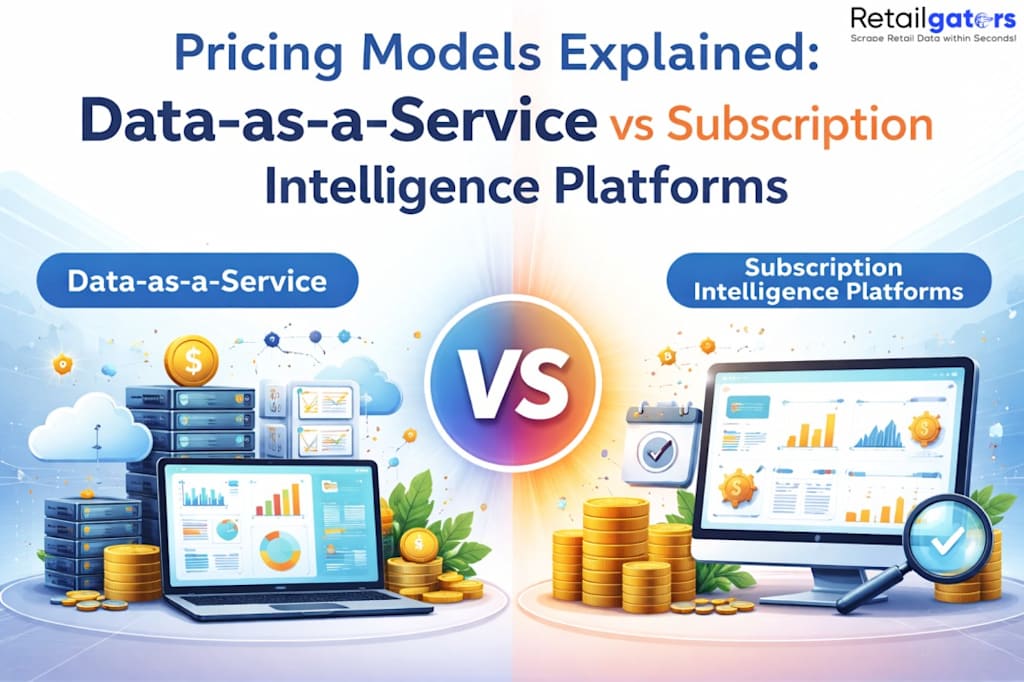
One of the most significant trends in the data industry is the rise of Data-as-a-Service (DaaS) and Subscription Intelligence Platforms. Both models offer valuable insights and tools for businesses to make data-driven decisions, but they operate on different pricing structures. This article explores both pricing models, compares their benefits, and helps you understand which might be more suitable for your organization’s needs.
What is Data-as-a-Service (DaaS)?
Data-as-a-Service (DaaS) is a cloud-based model that allows businesses to access, manage, and analyze data without needing to maintain an internal data infrastructure. DaaS providers collect, store, and distribute large volumes of data, offering it on demand for a fee. This model offers organizations a way to consume data without investing in the technology or expertise required to store, process, and analyze it internally.
The DaaS model is typically priced on a pay-per-use or tiered basis. This means that businesses only pay for the data they use, whether that’s in terms of volume or access frequency. DaaS provides flexibility because organizations can scale their usage up or down as needed, without committing to long-term contracts or infrastructure investments.
Key Features of DaaS:
- Scalability: You can increase or decrease data consumption based on your business needs, making it ideal for growing companies or those with fluctuating data requirements.
- Cost-Effective: Since businesses only pay for what they use, DaaS eliminates the need for large upfront investments in data infrastructure.
- Access to Real-Time Data: Many DaaS providers offer real-time data access, allowing businesses to make quick decisions based on the latest information.
What are Subscription Intelligence Platforms?
Subscription Intelligence Platforms, on the other hand, are designed to manage, track, and analyze subscription-based businesses. These platforms offer tools that allow businesses to optimize their subscription models, manage customer data, and understand the nuances of pricing strategies, renewals, and churn.
The pricing structure for subscription intelligence platforms is typically subscription-based, meaning businesses pay a recurring fee (monthly, quarterly, or annually) for access to the platform's features. This model allows businesses to access a suite of tools for managing their subscriptions, including analytics, customer segmentation, and billing management, among others.
Key Features of Subscription Intelligence Platforms:
Predictive Analytics: These platforms often include tools that help businesses forecast churn, predict customer lifetime value (CLV), and identify opportunities for upselling or cross-selling.
Subscription Management: Subscription intelligence platforms offer a range of tools for managing different subscription plans, renewals, and customer interactions in a streamlined way.
Revenue Optimization: By tracking key metrics like average revenue per user (ARPU) and monthly recurring revenue (MRR), these platforms help businesses optimize their pricing strategies to maximize revenue.
DaaS vs Subscription Intelligence: How They Differ
While both DaaS and Subscription Intelligence platforms offer data-driven insights, they cater to different types of business needs and operate under distinct pricing models. Let’s break down the key differences between the two:
1. Purpose and Focus
DaaS: The primary focus of Data-as-a-Service is providing businesses with access to large datasets that can be used for a variety of purposes such as market research, customer insights, competitive analysis, and more. It is typically used by organizations looking for raw data that they can then analyze and apply to their own use cases.
Subscription Intelligence: Subscription Intelligence platforms, however, focus on managing subscription-based business models. These platforms are specifically tailored for companies that operate on a subscription basis, such as SaaS providers, media streaming services, or e-commerce businesses offering subscription boxes. The focus here is on optimizing the subscription lifecycle and improving customer retention.
2. Pricing Structure
- DaaS: Data-as-a-Service is typically priced on a pay-per-use or tiered model, where businesses are charged based on the volume of data they access or the frequency of usage. This allows for more flexibility, as businesses can scale their usage based on their needs. Pricing can vary widely depending on the provider and the type of data being accessed.
- Subscription Intelligence Platforms: These platforms are priced using a subscription model, meaning businesses pay a fixed, recurring fee for access to the platform’s features. The pricing tiers often depend on the size of the business, the number of users, or the range of features offered, making this model predictable and easier to budget for.
3. Data Accessibility
- DaaS: Data-as-a-Service offers businesses access to external data sources, whether that’s from publicly available datasets, proprietary data from third-party providers, or other specialized sources. This data can be accessed in real-time, allowing businesses to make quick decisions based on the most current information.
- Subscription Intelligence Platforms: These platforms provide access to a range of subscription management tools and analytics, but they focus on internal data generated by a business’s own subscription model. They help businesses track customer behavior, revenue, churn, and more, allowing for more strategic decision-making.
4. Customization and Flexibility
- DaaS: One of the key benefits of DaaS is its flexibility. Since businesses can select only the data they need and scale usage up or down, it allows for greater control over costs. The data can be customized based on specific needs, and businesses can integrate it into their own systems for deeper analysis.
- Subscription Intelligence Platforms: Subscription Intelligence platforms are more specialized and less flexible when compared to DaaS. While they provide a comprehensive suite of tools for subscription-based businesses, they are tailored to companies that need in-depth analytics, customer retention tools, and billing management functionalities.
Which Pricing Model is Right for Your Business?
Choosing between DaaS and Subscription Intelligence platforms ultimately depends on your business model and needs.
- If your business relies on data-driven decision-making across various domains and industries (such as market analysis, consumer behavior, competitive research, etc.), then DaaS might be the better option. It’s perfect for companies that need access to vast datasets without the overhead of building and maintaining their own data infrastructure.
- If your company operates on a subscription-based model—whether that’s a SaaS product, media platform, or e-commerce subscription service—then a Subscription Intelligence Platform is likely the right choice. It will help optimize your pricing strategies, improve customer retention, and provide deep insights into your subscription business.
Conclusion
Both Data-as-a-Service (DaaS) and Subscription Intelligence Platforms offer unique advantages depending on the needs of your business. While DaaS provides flexible access to external data for broader use cases, Subscription Intelligence Platforms are more suited for businesses with subscription-based models, offering tools for pricing optimization, customer retention, and revenue growth. Understanding the differences in their pricing models, functionality, and use cases will help you make an informed decision about which solution is best suited for your organization.
About the Creator
Enjoyed the story? Support the Creator.
Subscribe for free to receive all their stories in your feed.
Comments
There are no comments for this story
Be the first to respond and start the conversation.