
How Apparel Brands Use Data Intelligence to Predict Seasonal Demand
Discover how apparel brands use data intelligence to predict seasonal demand, optimize inventory, reduce stockouts, and improve sales performance.
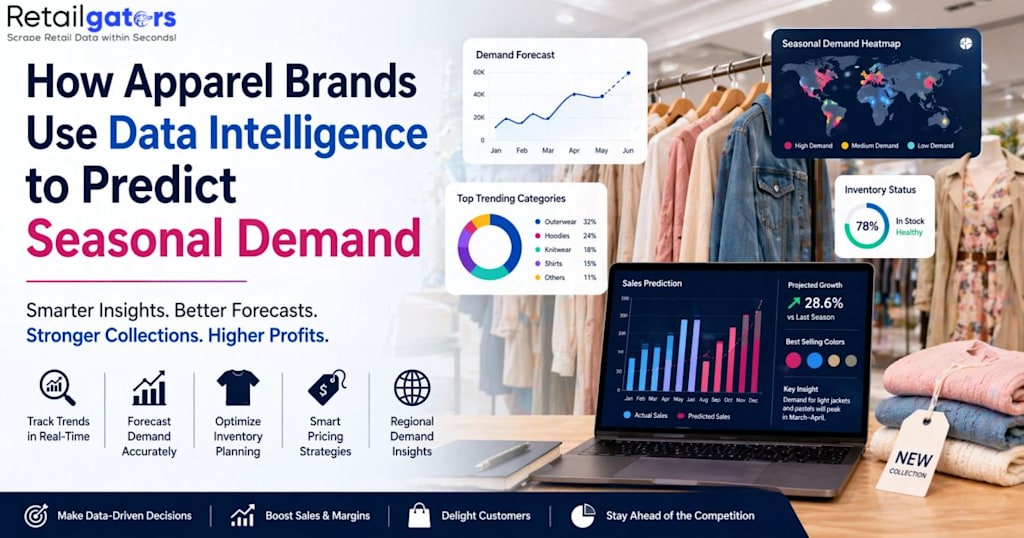
The fashion industry has always moved fast—but today, it moves smarter.
Gone are the days when apparel brands relied solely on intuition, past sales, or seasonal guesswork. In a world driven by digital signals and real-time consumer behavior, data intelligence has become the backbone of successful demand forecasting.
From predicting winter jacket trends months in advance to identifying when summer collections should hit the shelves, apparel brands are now using data to make decisions that were once based on instinct.
So, how exactly does this work? Let’s break it down.
Why Seasonal Demand Prediction Matters in Apparel
Seasonality is everything in fashion.
A slight delay in launching a collection or misjudging demand can result in:
- Overstocked inventory
- Missed sales opportunities
- Heavy discounting and reduced margins
Fashion cycles are becoming shorter, and consumer preferences change rapidly. What worked last season may not work today.
This is where data intelligence steps in—helping brands align production, pricing, and inventory with actual market demand.
What is Data Intelligence in Apparel Retail?
Data intelligence refers to the process of collecting, analyzing, and interpreting large volumes of data to make informed business decisions.
In apparel retail, this includes data from:
- E-commerce platforms
- Competitor websites
- Social media trends
- Search behavior
- Inventory and sales reports
Instead of reacting to trends, brands can now anticipate them.
Key Data Sources Apparel Brands Rely On
To accurately predict seasonal demand, brands gather insights from multiple channels.
1. Historical Sales Data
Past performance still plays an important role. Brands analyze previous seasons to understand:
Which products sold well
When demand peaked
Which regions showed higher interest
However, relying only on past data is no longer enough.
2. Competitor Pricing & Product Trends
Tracking competitors helps brands stay aligned with market expectations.
For example:
- Are competitors launching winter collections earlier this year?
- Which styles are being promoted heavily?
- Are prices increasing or dropping?
This data helps brands position themselves strategically.
3. Search Trends & Consumer Behavior
Search engines reveal what customers are actively looking for.
If searches for “oversized hoodies” or “linen summer shirts” start rising, brands can prepare inventory accordingly.
This real-time insight allows businesses to act before trends become mainstream.
4. Social Media Signals
Platforms like Instagram, TikTok, and Pinterest often dictate fashion trends.
By analyzing:
- Trending hashtags
- Influencer content
- Engagement metrics
Brands can identify upcoming styles and consumer preferences early.
5. Inventory & Stock Availability Data
Monitoring stock levels across platforms helps brands understand demand gaps.
If certain products are frequently out of stock, it signals strong demand.
On the other hand, slow-moving items highlight overproduction issues.
How Data Intelligence Helps Predict Seasonal Demand
Now let’s connect the dots—how all this data translates into accurate forecasting.
1. Identifying Emerging Trends Early
Data intelligence tools scan multiple sources to detect patterns.
Instead of waiting for trends to peak, brands can spot early signals and prepare collections in advance.
This gives them a first-mover advantage.
2. Demand Forecasting with Real-Time Insights
Traditional forecasting relied on static data.
Now, brands use real-time inputs like:
- Live pricing changes
- Ongoing sales trends
- Regional demand variations
This allows them to adjust forecasts dynamically.
3. Optimizing Inventory Planning
One of the biggest challenges in apparel retail is balancing supply and demand.
With data intelligence, brands can:
- Reduce overstock situations
- Avoid stockouts during peak seasons
- Allocate inventory based on location-specific demand
This leads to better efficiency and higher profitability.
4. Smarter Pricing Strategies
Seasonal demand is closely linked to pricing.
Data intelligence helps brands:
- Adjust prices based on competitor activity
- Identify the best time for discounts
- Maintain profit margins while staying competitive
Instead of reactive pricing, brands can implement strategic pricing models.
5. Regional Demand Insights
Not all markets behave the same way.
For example:
- Winter demand peaks earlier in colder regions
- Summer collections may sell longer in tropical areas
Data intelligence allows brands to customize strategies for each region, ensuring better results.
Real-World Impact on Apparel Brands
Brands that actively use data intelligence are seeing measurable improvements.
Faster Time-to-Market
Collections are launched at the right time, maximizing visibility and sales.
Reduced Inventory Loss
Accurate demand prediction minimizes unsold stock and clearance sales.
Higher Customer Satisfaction
Customers find the right products available when they need them.
Improved Revenue Growth
Better forecasting leads to optimized pricing and increased conversions.
Challenges Brands Face Without Data Intelligence
Let’s be honest—operating without data in today’s fashion industry is risky.
Brands often struggle with:
- Guesswork-based production decisions
- Late trend adoption
- Inefficient inventory management
- Pricing mismatches with competitors
These challenges directly impact profitability and brand positioning.
Why Data-Driven Apparel Brands Are Winning
The shift is clear.
Brands that embrace data intelligence are not just surviving—they’re leading.
They are:
- More agile in responding to trends
- Better equipped to handle demand fluctuations
- More efficient in operations
In contrast, brands relying on traditional methods are finding it harder to keep up.
The Role of Data Intelligence Platforms Like RetailGators
To make all this possible, brands need reliable data pipelines.
Platforms like RetailGators help apparel businesses:
- Track competitor pricing and product trends
- Monitor inventory across multiple platforms
- Extract real-time market data at scale
- Turn raw data into actionable insights
Instead of spending time collecting data manually, brands can focus on strategy and growth.
Final Thoughts
Predicting seasonal demand in apparel is no longer about guesswork—it’s about precision.
With the help of data intelligence, brands can:
- Stay ahead of trends
- Optimize inventory and pricing
- Deliver better customer experiences
- Maximize profitability
In a highly competitive and fast-changing industry, data is not just an advantage—it’s a necessity.
Apparel brands that invest in data intelligence today are building a stronger, more resilient future.
About the Creator
Enjoyed the story? Support the Creator.
Subscribe for free to receive all their stories in your feed.
Comments
There are no comments for this story
Be the first to respond and start the conversation.