
Back Bay Rental Market Reigns Supreme
Apartment availability is soaring all over Boston, but not in Boston's premier rental market.

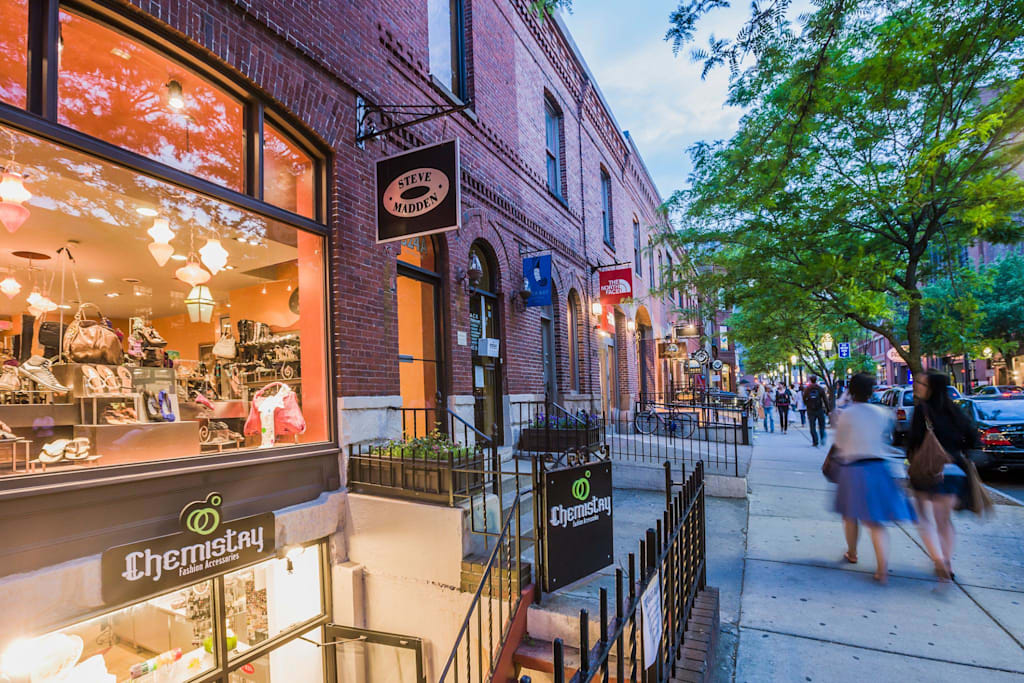
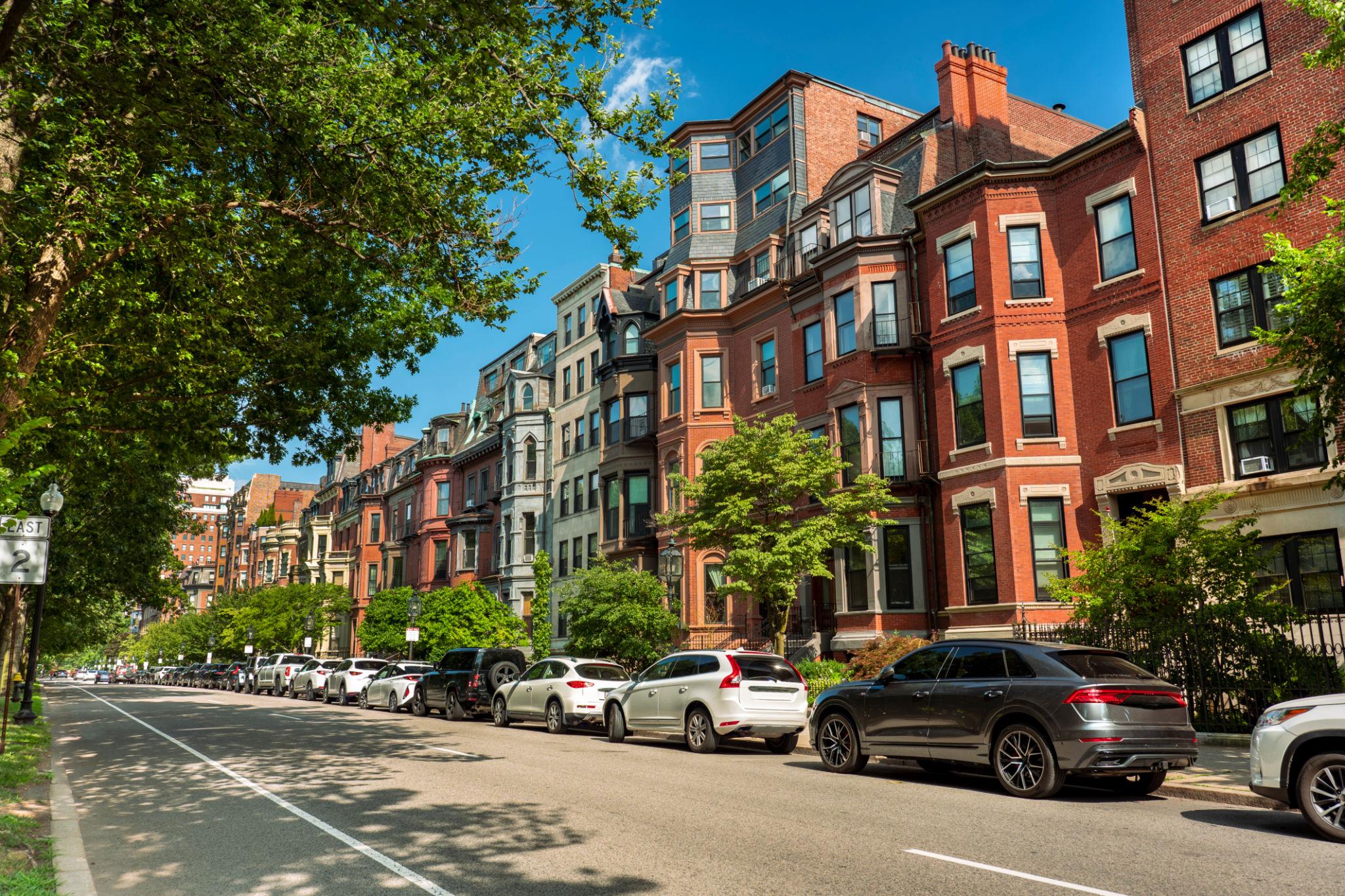
Back Bay has long been one of Boston’s most prestigious and competitive rental markets, known for upscale luxury, historic brownstones, and unmatched central location. In 2026, while Boston’s overall rental landscape is seeing a notable rise in inventory, Back Bay continues to operate under tighter conditions, reinforcing its position as one of the city’s most resilient submarkets.
Back Bay vs. Boston: A Tighter Supply Story
One of the clearest indicators of Back Bay’s strength is its Real-Time Availability Rate (RTAR).
- Back Bay RTAR Today: 3.79%
- Boston RTAR Today: 8.00%
While Back Bay availability has increased +43.56% year-over-year, it remains less than half of the citywide rate. Boston as a whole has seen inventory surge dramatically, up +45.72% year-over-year and nearly +57% over two years and is now wading in unchartered waters with a RTAR above 8% for the first time in late April since the pandemic.
Back Bay, by comparison, has experienced a much more measured shift:
- +15.90% vs. 2 years ago
- Still firmly below broader market supply levels
So, even as inventory builds across Boston, Back Bay remains supply-constrained relative to the rest of the city, supported by strong renter demand and less influenced by off-campus leasing cycles.
Vacancy Rates Rising—But Still Below City Levels
The Real-Time Vacancy Rate (RTVR) tells a similar story.
- Back Bay RTVR Today: 0.94%
- Boston RTVR Today: 1.32%
Back Bay vacancy has increased sharply, up +248.15% year-over-year, but it’s important to note the starting point was extremely low at just 0.27% last April. So even with this jump, vacancy remains well below 1%, which by national standards is very low.
Over a two-year span:
- Back Bay vacancy is up +74.07%
- Boston vacancy is up +116.39%
So while vacancies are rising around Boston, Back Bay continues to lease efficiently and remains one of the tightest rental markets in Boston. Competitively priced apartments in this neighborhood will continue to lease fast in 2026.
Rent Trends: Stability with Short-Term Growth
Back Bay rents are showing a mix of short-term growth and longer-term stabilization.
- Back Bay Average Rent Today: $3,276
More recent trends show that Back Bay’s average rent price has been flat and in fact slightly down over the last 6 months.
- +2.57% vs. 30 days ago
- -1.36% vs. 90 days ago
- -1.68% vs. 180 days ago
Looking back a bit further, we can see that rent growth has been slow and stable over the last 2 years in Back Bay.
- +1.39% year-over-year
- +2.38% vs. 2 years ago
Annual rent growth in the 1-2% range is widely considered the mark of a healthy rental market and a sign that the price surges associated with some of the post-pandemic supply shortages are behind us.
Still, Back Bay’s rent prices remain among the most expensive in the city. There are some deals out there, particularly among Back Bay studios, where average rent price isn’t too far above the city ($2,502 vs. $2,243). But for any apartment larger than 2 bedrooms, Back Bay is the most expensive rental market in the city.
Why Back Bay Continues to Outperform
Back Bay’s ability to maintain tight conditions despite broader market shifts comes down to several key factors:
- Prime location in the heart of Boston
- Limited housing inventory and high barriers to new development
- Strong demand from high-income renters
- Proximity to Newbury Street, Copley Square, and major transit hubs
Unlike neighborhoods driven heavily by off-campus housing turnover, Back Bay benefits from a more stable renter base, which helps insulate it from extreme fluctuations in supply and demand.
Outlook for 2026
As Boston’s rental market continues to adjust to rising inventory levels, Back Bay is expected to remain one of the most stable and competitive neighborhoods in the city.
While availability and vacancy have increased, they are still well below citywide averages, and rents continue to show resilience.
For renters, this means:
- More options in Back Bay than previous years
- Fewer options compared to other neighborhoods
- Continued competition for well-priced units
- Limited opportunity for significant price declines
Back Bay’s 2026 rental market reflects a neighborhood that is adapting, but not weakening. While Boston as a whole is experiencing a surge in inventory, Back Bay remains:
- Tighter than the broader market
- More stable in pricing
- Highly competitive for renters
In a shifting rental landscape, Back Bay continues to stand apart, not just as one of Boston’s most desirable neighborhoods, but as one of its most resilient.
For renters and landlords alike, that consistency is what defines the Back Bay market.
About the Creator
Enjoyed the story? Support the Creator.
Subscribe for free to receive all their stories in your feed.
Comments
There are no comments for this story
Be the first to respond and start the conversation.