
Artificial Intelligence and Creative Writing
The Ethical Conundrum



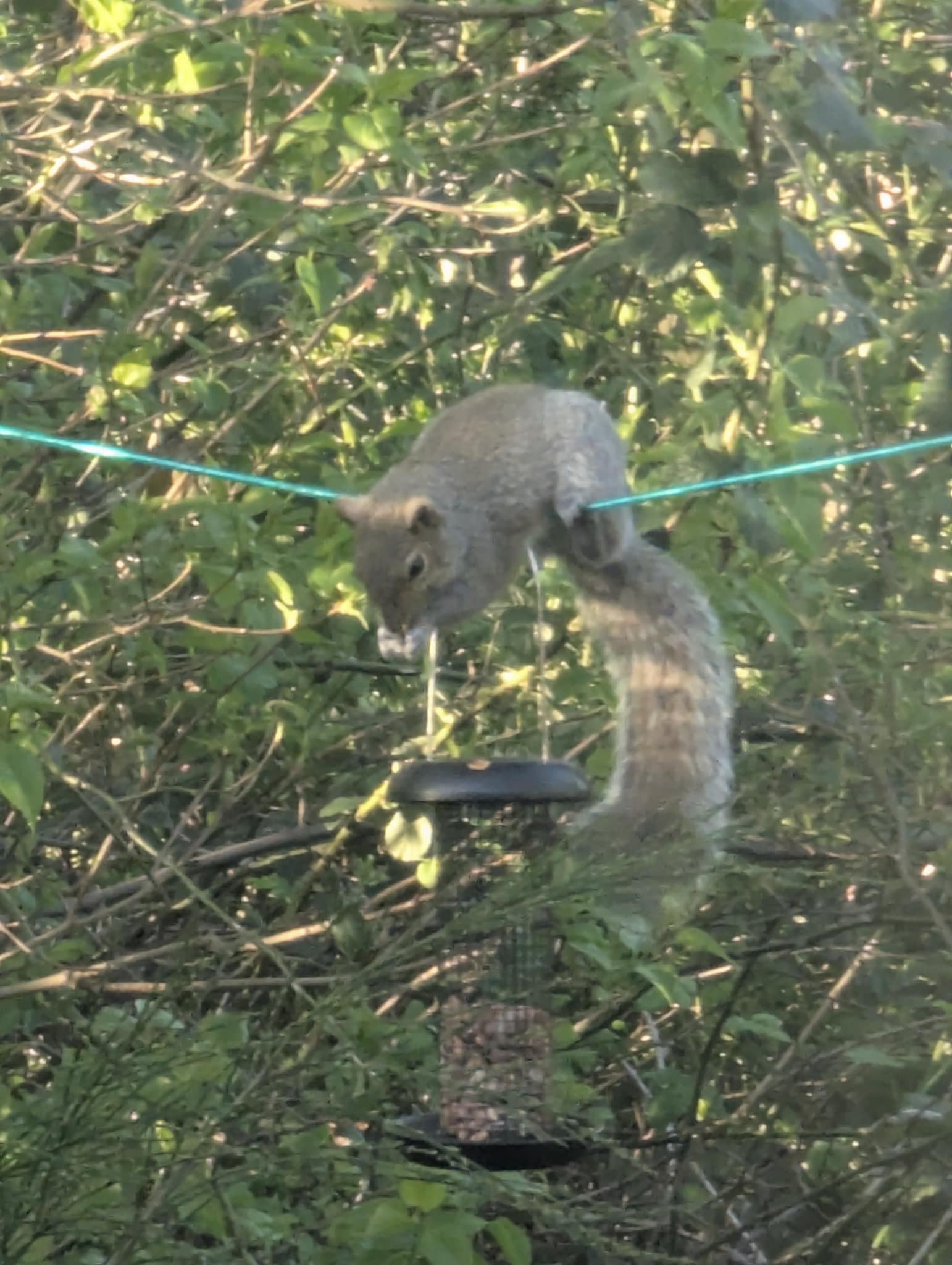
From where I sit I can see the squirrels in the back garden, tightrope walking along the washing line to nibble at the peanuts in the ‘squirrel-proof’ bird-feeder we have placed there. They are scrappy, ingenious creatures showing adaptability, inventiveness and creativity.
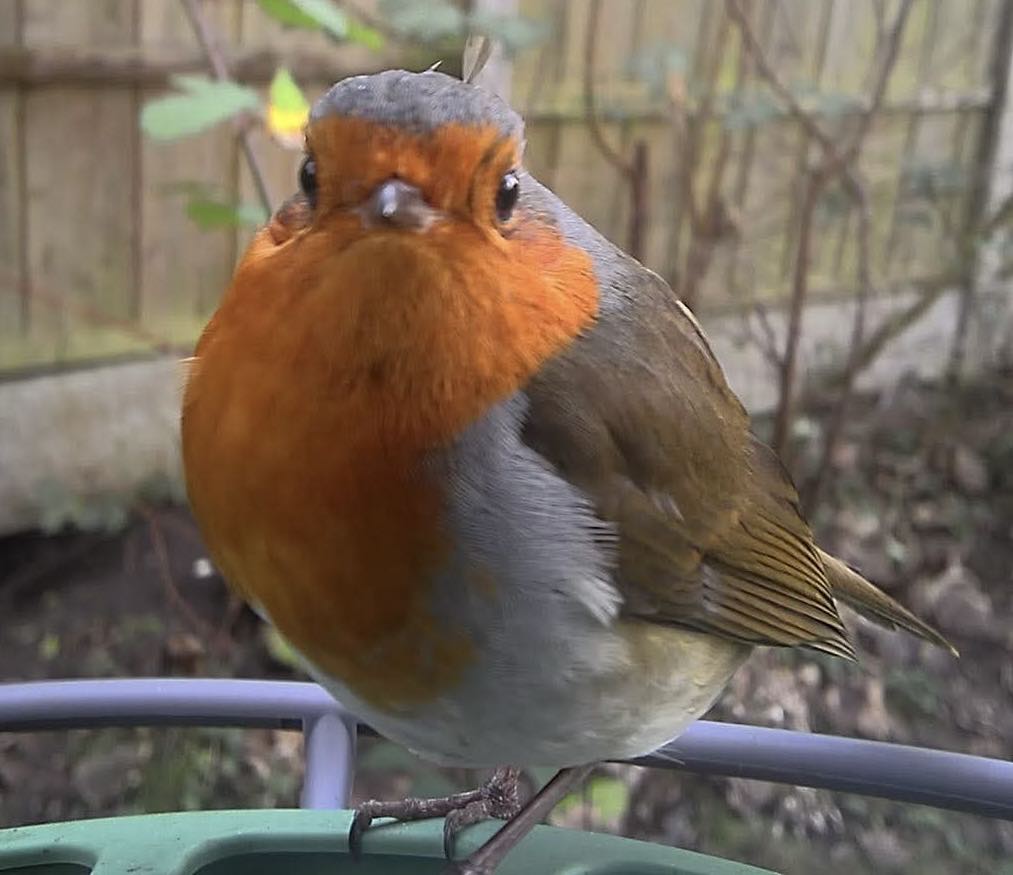
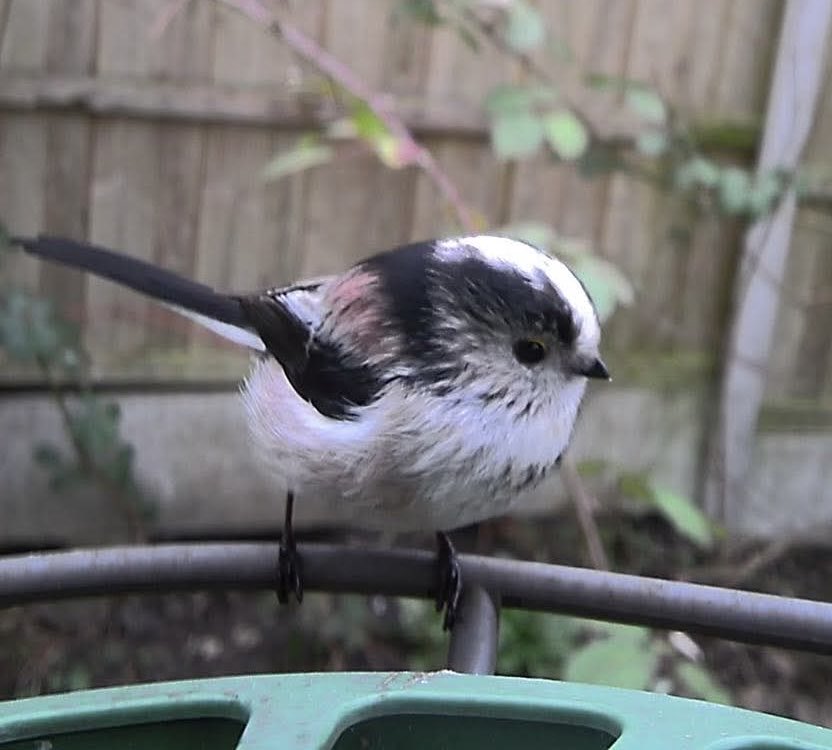
But the greater inventiveness came from us humans setting up the obstacle course for the squirrels, to distract them from damaging the more expensive bird-feeder with camera. The camera downloads the photographs to the phone that can then identify the birds using AI.
Oh, how I love living in the 21st century. AI is great.
But then again…
In my ‘portfolio’ career, one of my income sources is proofreading. My customers are usually students, many of whom have English as a second language. My job is to correct spelling, grammar, typographical errors and check reference lists. I also edit sentence structure and offer advice on the clarity of the argument.
I am aware that this stream of work is slowing and that some of the assignments I read have not been written entirely by the student. I, like most readers, can spot AI gobbledygook or the plodding monotonous style of regurgitation of texts rather than an insightful understanding and analysis.
I have also found that some of my academic work was in the databases used without permission by Meta to scrape for data for the development of their AI tool. Generative AI is based on plagiarism which means that my hard work and struggles have been stolen to make rich men even richer.
(If you ask AI about domestic abuse, it may use some data scraped from mine and my colleagues work. But if you ask me, I can tell you about the struggle to get funding, the putting together of proposals. I will tell you how it feels to read a Domestic Homicide Review, to sit on the edge of a focus group, to hear a woman dismiss her pain, to see a professional fight back tears and all the shades of fear and laughter that survivors bring to an understanding).
This knowledge of the way that some writers are using the AI tools out there and how it is detrimental to deep-learning, writing and connection with material (and how it may deplete my income) means that I may not be best placed to write about AI.
I could even be called a Luddite.
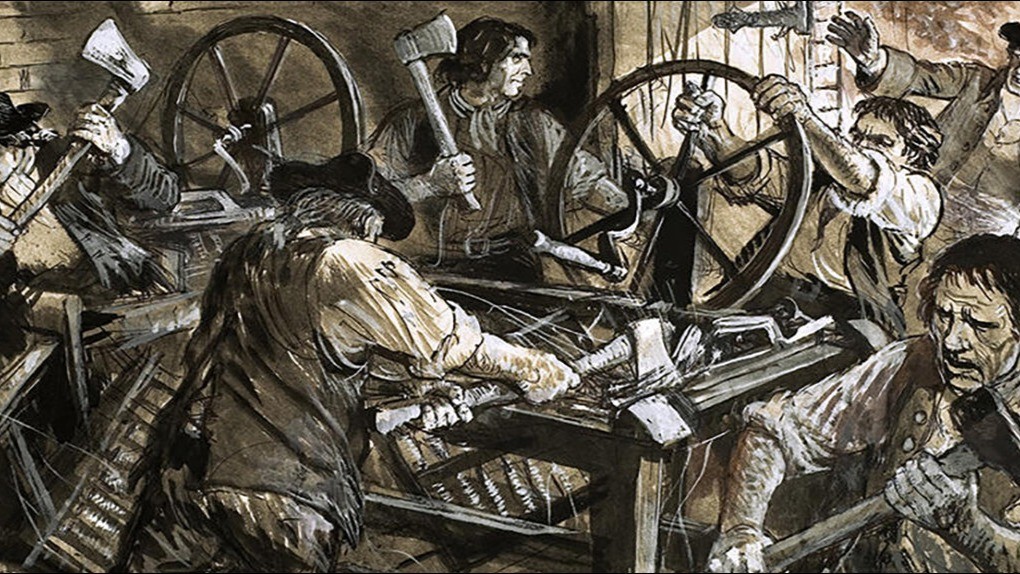
Go on, call me a Luddite! Fair enough, I’ll reply.
For those that don’t know, although the term Luddite is used as a slur for the resistance to advancement of technology, that is not the real root of the word.
The Luddite movement was built on working class solidarity against the misuse of technology by wealthy mill and factory owners, started in Nottingham by weavers and spreading across the Midlands into Yorkshire. The Luddites were not opposed to the technology, but the way that it was being used to undercut workers’ wages and quality control. They were named after Ned Ludd, a character who almost certainly didn’t exist. He was an imaginative pseudonym used to sign their letters of demands. He was a creative work of working class fiction. The Luddites were anti oppressive working conditions and shoddy goods being foisted onto customers.
And that is reflective of where I stand on AI.

There are things that technology does well for the writing process. I have moved from handwriting my undergraduate dissertation, to using a work Word Processor for my Masters degree, to using my own laptop with access to the internet for my PhD.
I’m not going to lie, writing a PhD was hard. Writing one without access to spellcheck, grammar review, internet sources and referencing software would have been too great a struggle. I am grateful to technological advances. If you are writing for a qualification – use all of these things. Technological assistance in this way is not cheating. (And if you are writing in a second language, please pay a proofreader to make sure all your hard work isn’t lost in clumsy, plodding prose or undecipherable syntax – this is also not cheating).
I am aware that AI can now generate synopsis and reviews of vast amounts of literature. It may be o.k. to use this to obtain a general overview. But to rely on this, means you will never have that moment where you read something and make a note in the margin, or get distracted by that quirky footnote that takes your thoughts somewhere else and provides a new way through the literature. And deep reading isn't just about facts. There can be a pleasure in the way that an author expresses those facts - the story-telling, the emotions, the style, the choice of language.
Writing isn’t just about convincing an examiner that you have understood the task. Even academic writing is more than that. It is a process of learning. I know what I think because I write. I write, because I think.
And I write on Vocal because I want my writing to connect.
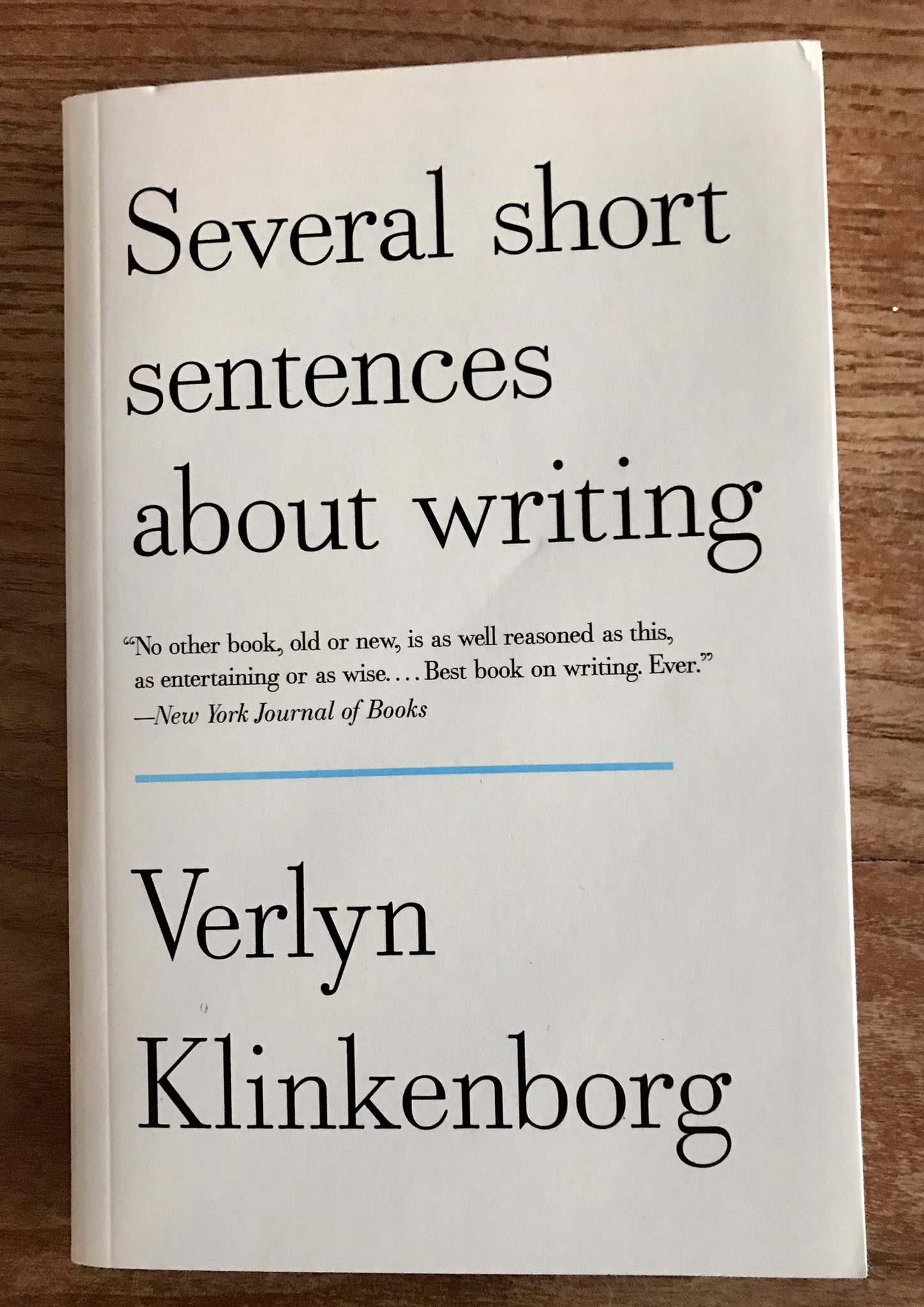
“The only link between you and the reader is the sentence you’re making” (Verlyn Klinkenberg).
I don’t want to lose that connection.
I have my own rules for ethical writing.
- I read the work of others
- I make notes and those notes include the names of the authors and the title of their works
- I watch films and think about the writing and how it can be used to improve my own
- I use spellcheck, grammar review and if necessary referencing software
- When writing creatively, I start with characters that are based on people I have known or traits I have observed and then I change one thing to create someone new
- Changing one thing creates a different world
- I embrace my quirkiness and unpredictability
- I allow myself to feel emotions and follow my intuition
I have my own rules for ethical reading.
I don’t want to preach. (Actually, I probably do. It is a feature of my personality – bought up by teachers and in the Catholic faith, it is sort of hard-wired.). You don’t have to follow my rules. Rules, after all, are only useful, until they are not. But I do want humanity to thrive, through innovation, originality and the connection that comes from authenticity.
And I really want the joy in my life that comes from the blur and the fuzz of human creativity.
If you've enjoyed what you have read, please consider subscribing to my writing on Vocal. If you'd like to support my writing, you can do so by a regular subscription or leaving a one-time tip. Thank you.
About the Creator
Rachel Robbins
Writer-Performer based in the North of England. A joyous, flawed mess.
Please read my stories and enjoy. And if you can, please leave a tip. Money raised will be used towards funding a one-woman story-telling, comedy show.
Enjoyed the story? Support the Creator.
Subscribe for free to receive all their stories in your feed. You could also become a paid subscriber, letting them know you appreciate their work.
Comments
There are no comments for this story
Be the first to respond and start the conversation.