
A Man of Many Interests
The Heart Behind the Stories


Imagine, for a moment, leaving behind a legacy that is witnessed - and cherished - by millions. A lifelong creative, your artistic endeavors are at last rewarded (posthumously, mind you) with admiration across the entire globe. (Huzzah!)
Now imagine that the thing for which you are most remembered was something that you considered absolutely secondary to the real heart of your creative life. Perhaps you poured your soul into composing an aching masterwork of a symphony - but the world passes it up in favor of a light-hearted ditty you hastily wrote early in your career. For better or for worse, such is the fate of G. N. Huizenga - the ceaseless sketch artist, peripheral poet, and accidental children’s book bestseller.
Most will recognize the name G. N. Huizenga from What if Dragons Don’t Have to be Slain and Mr. Bunny’s Brand New Eyes, both of which rose to worldwide prominence in August of 2093 less than a year after the author's death. These works were only broadly discovered following the publishing of Huizenga's posthumous poetry anthology, The Man Born Blind. Compiled by Huizenga’s eldest daughter, the anthology went semi-viral thanks to a celebrity shoutout; shortly thereafter, the two children’s books started trending - and went on to massively dwarf Huizenga’s poetry in sales and online discussion.
If one were to flatten Huizenga’s creative life into one descriptor, it must be this: multi-faceted. Or, if one were willing to be a bit more harsh, perhaps fickle would be a more apropos term. A man of many, many interests, he never committed to any singular medium as a primary focus. Adult and children’s literature, poetry, music composition and production, pen and pencil sketching, pottery, oil painting, and theatre; all of these were pursued at length - often multiple times, throughout life - as careers, hobbies, obsessions, or some whirling hybrid of the three. Huizenga would drift from one project to the another and from one medium to another, seemingly at random, never to experience broad nor lasting acclaim in his lifetime.
This cross-media fascination could be attributed to the sheer number of creative influences present in G. N. Huizenga’s early life. Born to a family of multi-generational musicians, the great-grandchild of award-winning painters, and a nephew and grand-nephew of successful authors, Huizenga was never once short on artistic heroes. In recently unearthed journal entries, the author can be read describing this family background as the ‘lifeblood' of his early creativity.
Following a quiet childhood in suburban Pennsylvania, his move to West Africa in early adolescence planted in Huizenga a love for adventure and the international. University years were therefore spent on studies abroad in both London, England and in rural Kenya - both of which would become sources of lifelong inspiration and interest for the young creative. A stalwart visual journal keeper, he was never throughout all these travels to be found without sketchbook in reach. But as studies of literature, philosophy, and art history wore on, scribbles of poetry and narrative began to appear on pages alongside Huizenga's countless sketches. Encouragement from friends, alongside relative success in online writing communities, prompted the bright-eyed young student to continue developing his poetic and literary voice. All the while, he spent free time practicing piano and guitar skills - having received childhood piano lessons from one grandmother, and a donated guitar from another. By the end of his college experience, the seeds of a life stretched across creative outlets had been well sown.
Following graduation, Huizenga married his college sweetheart, Hannah, and settled with her in upstate New York. There they would work together as elementary school educators for several years, while Huizenga continued working on creative projects in spare time and over school breaks. Thus began the stretch during which he would create the first of his most acclaimed works (though said acclaim would not find it for many, many years). Three years into teaching, Huizenga's first piece of children's literature was released to the public via a small, independent publishing company.
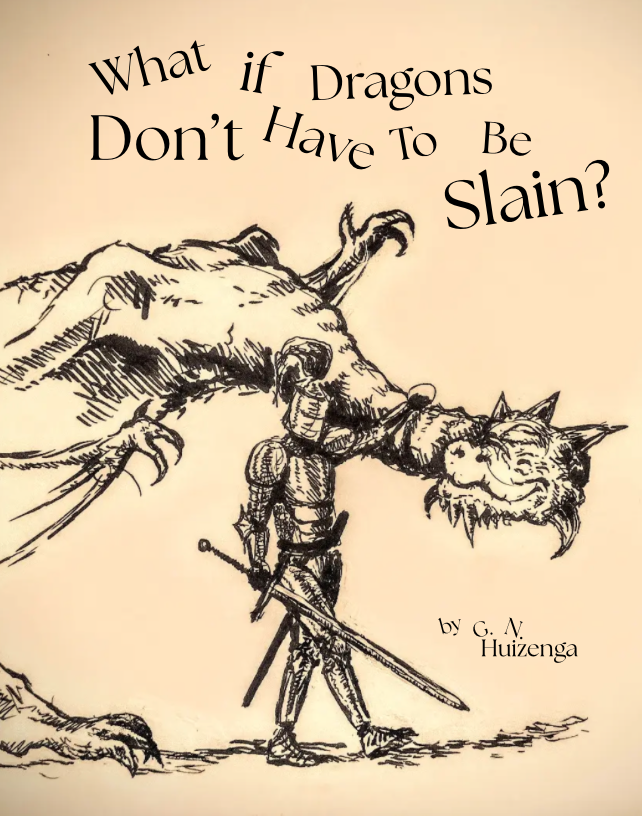
Following its initial release, What if Dragons Don't Have to be Slain could hardly be called a success. Sales were passable at best, but never nearly significant enough to allow Huizenga to pursue writing full-time. It is unclear precisely why this book, now beloved by so many, failed to perform well upon its initial printing; lack of advertising funds, the small publisher, and Huizenga's status as an unknown quantity have all been theorized as potentially problematic factors. Whatever the case, many now cite the lack of sales and critical attention as reason for the young author's failure to publish further written works for a whole decade following this first children's book.
Those who know G.N. Huizenga well, however, might just as well presume that he simply became more invested in other projects of his own volition - as was clearly his nature to do. Following a departure from teaching, Huizenga stepped into a quietly successful musical career - one which would last for the rest of his life. While his wife thrived in the world of elementary education, the artist-turned-writer-turned-musician balanced being a stay-at-home Dad with evening gigs at local venues, background instrumental work for other artists, and a series of independent releases and livestreams online. We know that Huizenga continued writing some poetry and drafting visual artworks in private, sharing a few pieces online in this time, but records indicate he was fairly consumed by these musical endeavors for great swaths of this era. In a recent exclusive interview, Hannah Huizenga shared unique insight regarding her late husband's relationship to musical work:
"He enjoyed all sorts of projects, of course. But it was always clear that music had a pretty special place in his heart...he even proposed to me with a song, you know. He could spend a while on a sketch, or painting, or drafting a paragraph for his novel...but music was different. He was in a different WORLD when he was working on a song...He just lived and breathed music. His highest praise for any other work of art - whether a poem, or a book, a movie, or whatnot - was that it 'felt like a piece of music.'
Hannah Huizenga, October 2095.
Fascinatingly, Huizenga's works of original music have still not received much public nor critical attention. Apart from the breadth of his artistic endeavors, this is the most consistently traceable theme throughout his creative life: despite his present literary success, the works which Huizenga himself most prized are still always among those least celebrated by a broader audience. And nowhere is this clearer than in the reception of Huizenga's only full-length novel, This New, Old World.
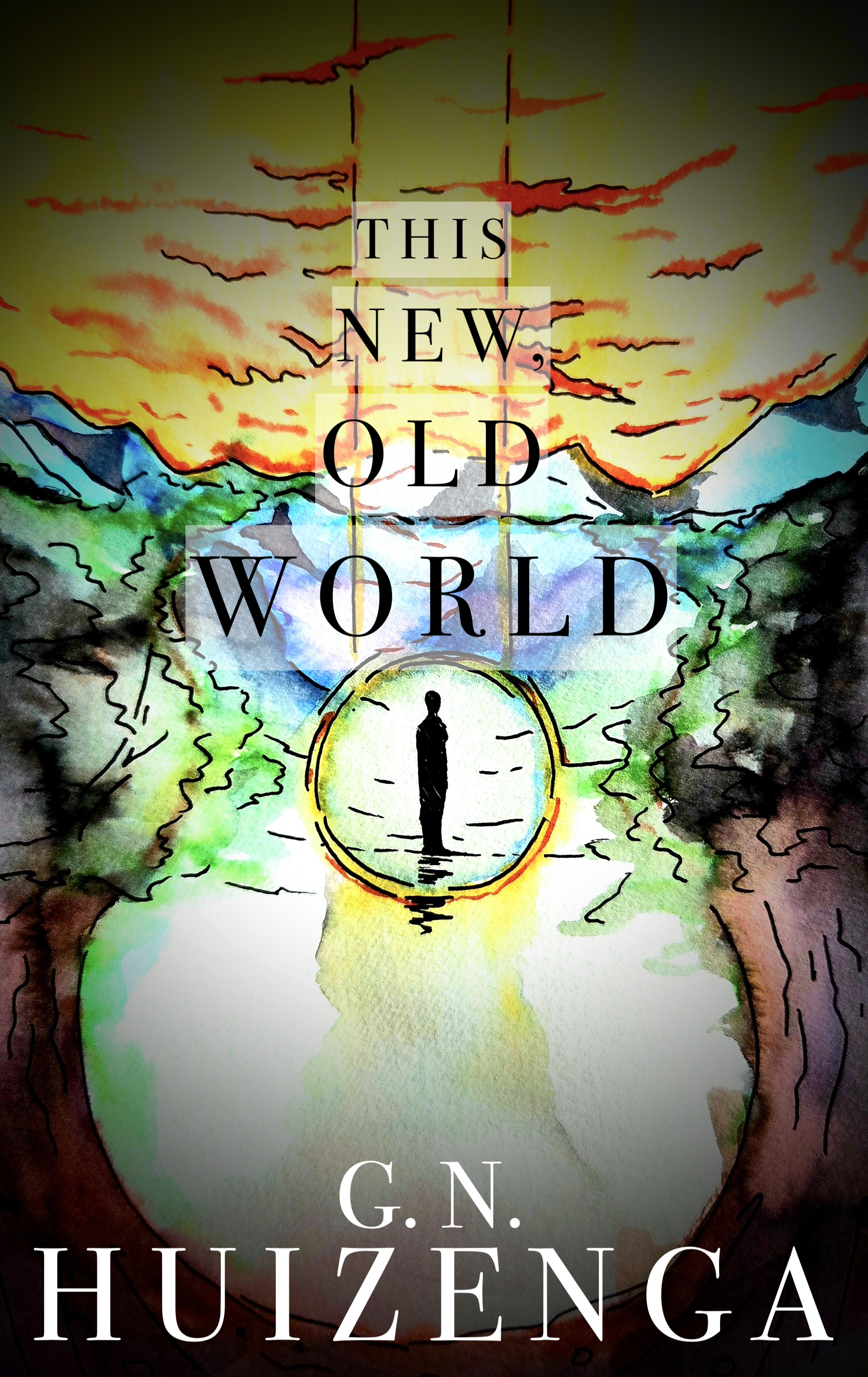
If you are at all familiar with the name G.N. Huizenga, chances are it has nothing to do with this book. Released in the spring of 2045, just over ten years into his musical career, the novel saw less than five hundred sales in its first season on shelves - when over three thousand copies were originally printed and expected to sell. Even now, with the Huizenga rising almost to household-name-status, very few people are familiar with this particular work, and it has faded almost entirely into obscurity.
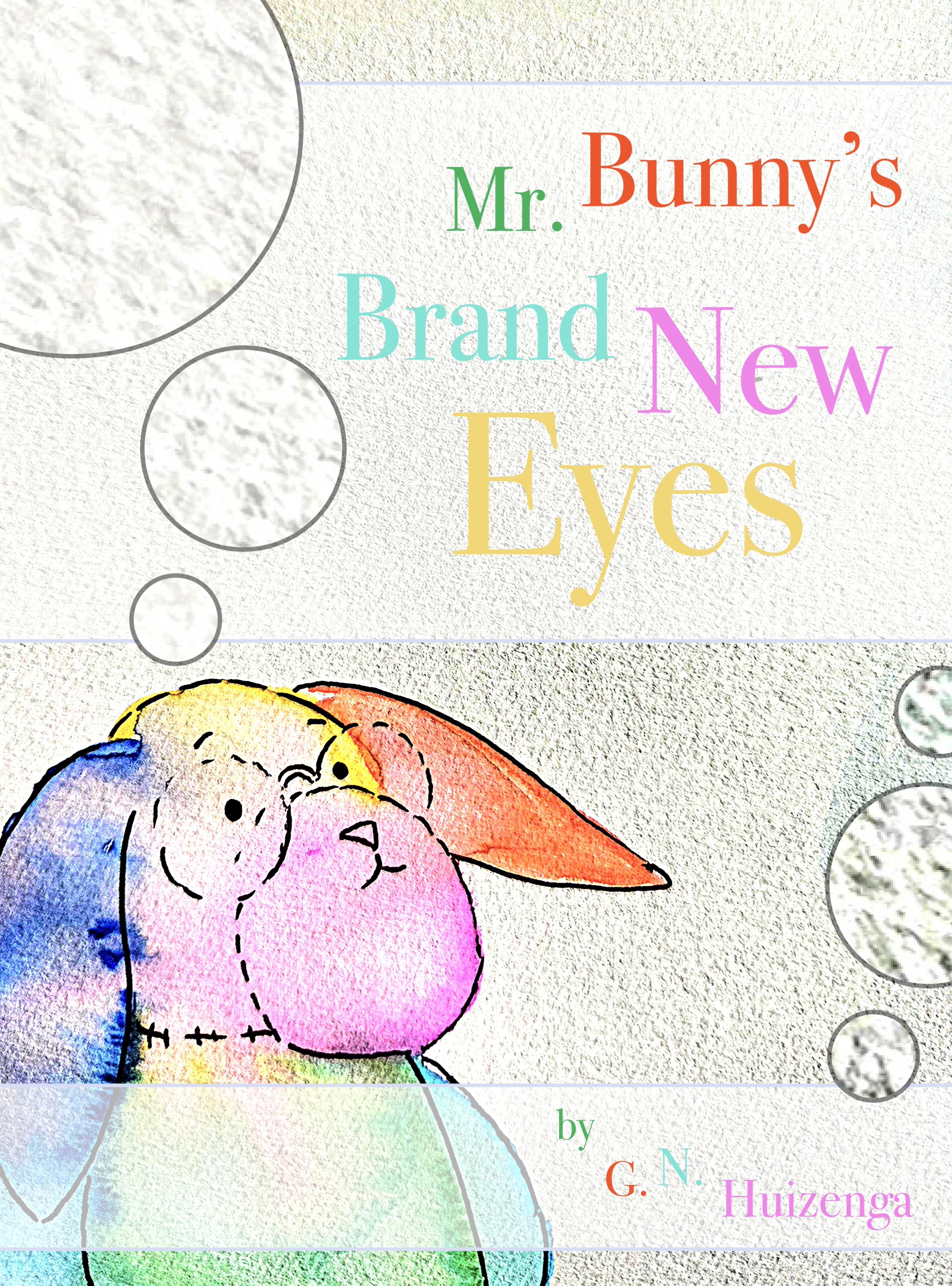
Some attempt to explain its failure to connect with buying audiences by citing the novel's over-complexity. Multiple unreliable narrators and a less-than-linear timeline certainly do make This New, Old World a tougher sell than Huizenga’s 20-page children’s books. Perhaps it was this realization which prompted Huizenga to draft and publish his second and final children's book, Mr. Bunny's Brand New Eyes, (which was only marginally more successful than What if Dragons Don't Have to be Slain at the time) less than two years after the release of his novel.
Despite its critical failure, Huizenga insisted from the time of it’s publishing until his demise that This New, Old World was the work of which he was most proud, and which best reflected his heart as an artist, writer, and creative.
Curiously, Huizenga made similar claims regarding just one other project, over the course of his lifetime: a decades-long series of simple coastal sketches (see two examples on below; the full series of work is still on display in a small-town art gallery near Bar Harbor, Maine).
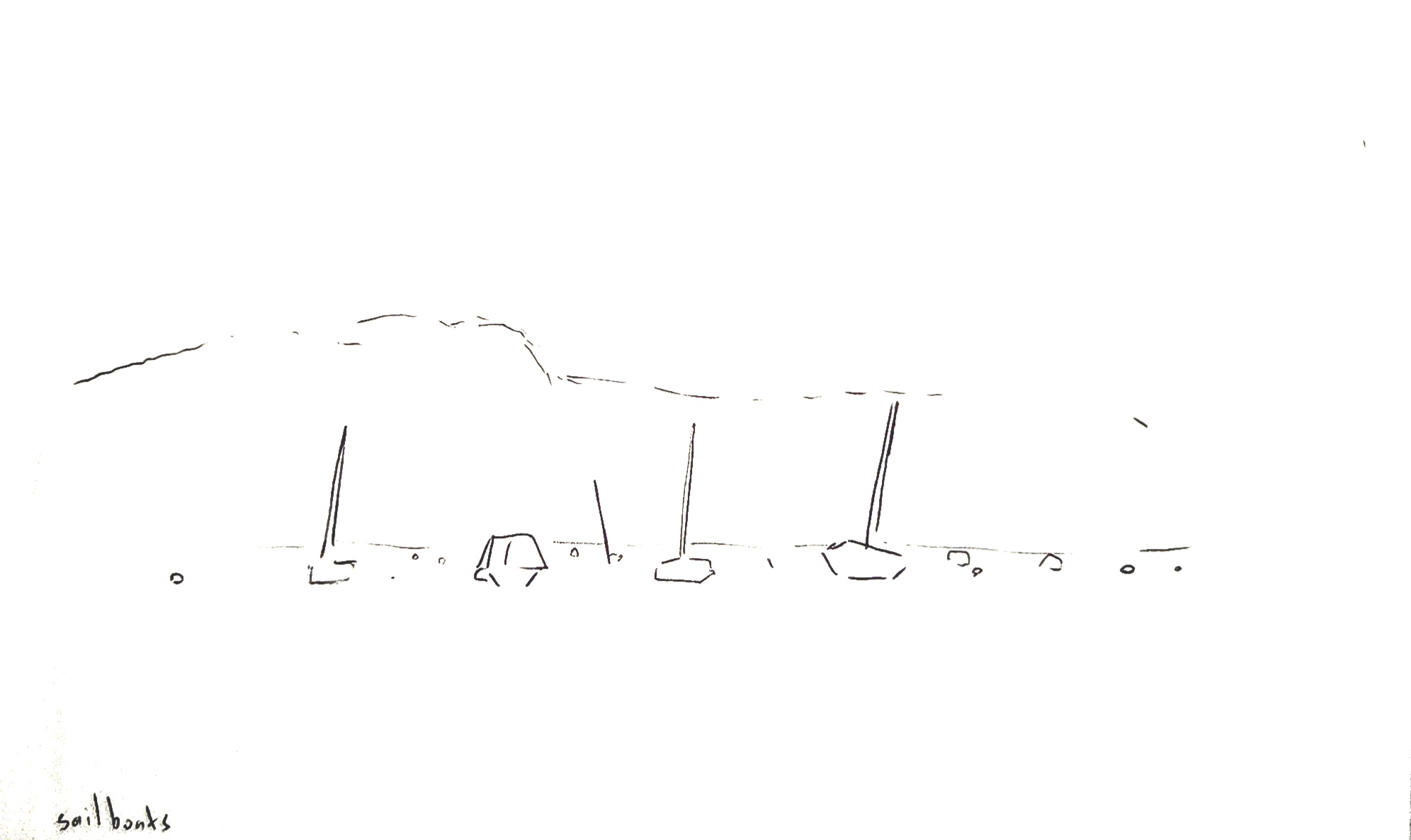
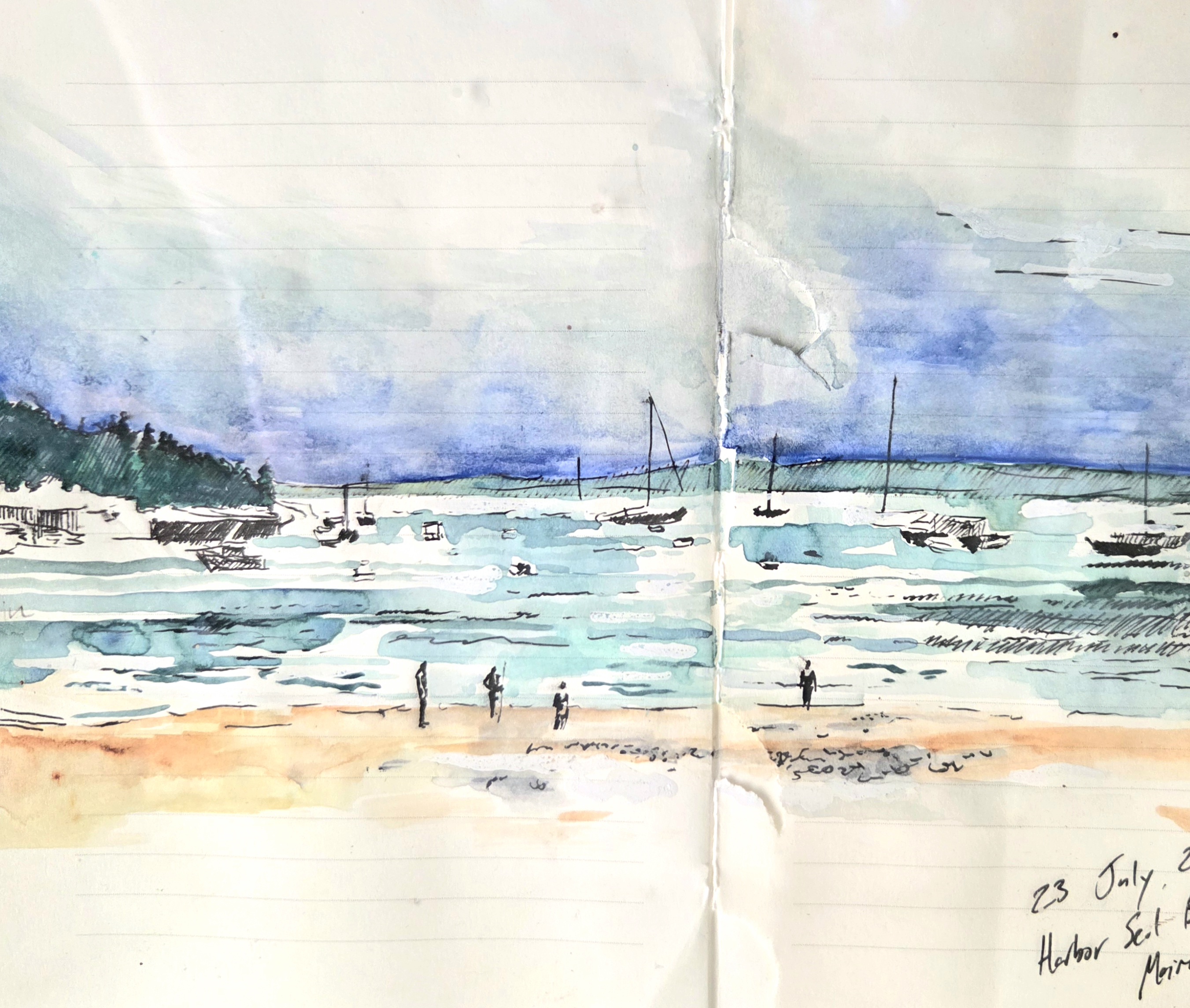
Of the coastal sketches, Huizenga said that these were, out of his hundreds of original artworks, the ones which he enjoyed looking at most of all. "They are genuinely peaceful," he insisted at a gallery opening, "in a way that nothing else I've done is. I look at others of my drawings, paintings, and so on...and I see first and foremost what I wish I'd done differently. But these scenes, somehow, just give me peace. They're what I want people to think of when they think about me, and my art."
Sadly for Mr. Huizenga, these drawings would clearly not go on to define most people's idea of him and his work. While they remain on display to this day in a private exhibition space, only hardcore collectors and enthusiasts have any familiarity with this series - and indeed with much at all of Huizenga's visual artwork, beyond that which is displayed in his popular books.
As was described near the start of this article, What If Dragons Don't Have to be Slain and Mr. Bunny's Brand New Eyes both exploded in popularity shortly after Huizenga's passing in 2093. While a celebrity shout-out sparked this attention, readers online praise both books for their emotional resonance, winsome art styles, and artful, child-friendly communication of profound themes.
If not tragic, it is certainly at least a strange fate that Huizenga himself hardly ever spoke in public about the two books for which his name is now known the world over. His legacy serves as a reminder that no one gets to choose the things for which we are remembered - and when you dabble in as many different projects as G. N. Huizenga, you get even less say as to which ones the world decides to celebrate the most.
And yet Huizenga did speak at least once on the subject of having so many passionate pursuits. And in closing this summary of the many-faceted journey of Gabriel Huizenga, we will leave readers with this, his very own reflection. Asked about whether he ever regretted not choosing one interest as his truest passion, the aged creative shared this striking insight:
I don't regret pursuing so many different interests, no. Because they're not separate, you understand? Different, yes, but separate? Absolutely not. There is a kind of music in a sketch of the coastline...there's a beautiful story in a guitar solo...and there's a painterliness to a well-told narrative. They all speak into each other. I promise you, if you spend a year learning to paint, you will come back a better poet for it. If you spend a year writing poetry, you will come back a fiction writer, and so on. Not one moment is wasted, so long as you do things with your eyes really open. It's just all about finding those infinite, elusive threads that tie all moments - all lessons - to each other. They all tell the same story, at the end of the day - they're all just about the same heart that's behind them.
G.N. Huizenga, answering a question at a book signing, 16 September 2074.
About the Creator
Gabriel Huizenga
Twas for love of words that I first joined this site:
Poetry, especially, and dear short stories too;
For to live one's best is to read, and to write!
So find me in words here, and I'll find you 💙
Thanks for stopping by! :)
Enjoyed the story? Support the Creator.
Subscribe for free to receive all their stories in your feed. You could also become a paid subscriber, letting them know you appreciate their work.
Comments
There are no comments for this story
Be the first to respond and start the conversation.