
Zoox Crosses the Commercial Finish Line: Paid Robotaxi Rides Begin in Las Vegas
Amazon's driverless pod pioneer shifts from free rides to fare collection, marking a milestone for the purpose-built autonomous vehicle industry.

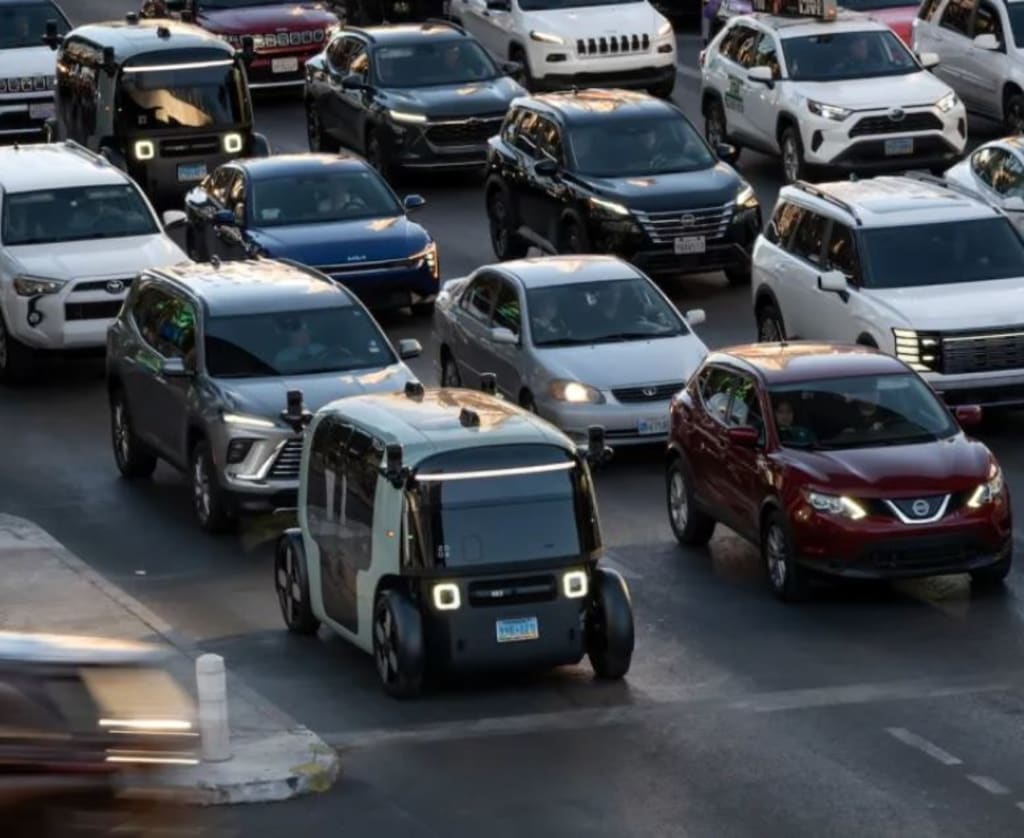
Nearly a year after opening its robotaxi service to the public in Las Vegas, Zoox is finally ready to start charging for the ride. The Amazon-owned autonomous vehicle technology company announced that it will begin collecting fares in Las Vegas starting August 10, officially launching its commercial operations after years of development, testing, and regulatory hurdles.
The move represents a pivotal moment not just for Zoox, but for the entire autonomous vehicle industry. Zoox is the first company to receive a commercial exemption from the National Highway Traffic Safety Administration (NHTSA) for a purpose-built robotaxi, a vehicle designed from the ground up without steering wheels, pedals, or any traditional manual controls. The exemption, granted on July 30, lasts two years and allows Zoox to deploy up to 2,500 vehicles annually under enhanced federal oversight.
The Vehicle That Breaks the Mold
Zoox's robotaxi is unlike anything else on the road. The cube-like electric vehicle is symmetrical, with no fixed front or rear, allowing it to travel in either direction without needing to turn around. It seats four passengers facing each other in a carriage-style layout, with sliding doors on both sides for easy access. The vehicle is equipped with an array of sensors and cameras providing 360-degree environmental awareness, and can reach speeds of up to 75 mph.
The design philosophy behind Zoox has always been that a purpose-built robotaxi is the best way to solve the challenges of autonomy and offer a premium ride-hailing experience. Unlike competitors that retrofit existing vehicles with autonomous systems, Zoox started with a clean sheet, a decision that required years of engineering and regulatory engagement but has resulted in a vehicle uniquely suited to its mission.
The Regulatory Journey
Zoox's path to commercial operations has been a long one. Founded in 2014, the company was acquired by Amazon in 2020 and unveiled its custom robotaxi later that year. Over the past six years, the company has tested and iterated on the vehicle's hardware and software, navigating funding challenges, technical development hurdles, and even several recalls.
The critical breakthrough came when NHTSA opened a new exemption pathway for domestic manufacturers developing autonomous vehicles without traditional manual controls. In August 2025, Zoox became the first AV company to receive a demonstration exemption under this new process, allowing it to offer free rides. The commercial exemption granted last week builds on that foundation, covering eight federal motor vehicle safety standards, including windshield defrosting and light vehicle braking systems, and clearing the way for Zoox to begin charging fares.
From Free Rides to Paid Service
Since launching its free service in Las Vegas last year, Zoox has provided over 500,000 rides in the city. The company has also operated free services in San Francisco, Austin, and Miami, collectively carrying nearly 1 million passengers. Another half a million people are on the waitlist, which is
The transition to paid service brings new challenges. Zoox CEO Aicha Evans acknowledged the shift in dynamics, telling the media that "free service is different from when customers are paying" and that the company is now focused on building "a great and popular commercial service".
Fares will be calculated based on a base fee, plus distance and time traveled from pick-up to drop-off. The final fare will be visible before booking and will not change even if the robotaxi takes a different route. Destination fees may apply for trips to or from the airport or high-traffic events at venues like the Sphere or T-Mobile Arena. Zoox is aiming to be competitive with the "comfort" pricing tier offered by traditional ride-hail services like Uber and Lyft, which is typically 20% to 40% higher than standard options.
Beyond Las Vegas: A Roadmap for Expansion
While Las Vegas marks the launchpad for Zoox's commercial operations, it is far from the final destination. The company also offers free rides in San Francisco and Austin, but those markets will remain free for now. In California, Zoox still needs two more permits to operate commercially. The company is working closely with regulators in both Nevada and California to complete all necessary requirements for commercial operations.
Zoox has been conducting data collection routes to and from Harry Reid International Airport in Las Vegas ahead of future passenger rides, and the company's 190,000-square-foot facility in the southwest valley has been operating since 2019. CEO Evans said Zoox is in discussions with multiple state agencies to expand its commercial service.
Challenges and Competition
The road to commercialization has not been without bumps. Zoox's demonstration rides have experienced several instances of robotaxis stalling on Las Vegas roads, minor crashes, and one incident where a vehicle entered an active fire scene after failing to detect smoke, leading to a temporary recall of its 105-vehicle fleet. The company issued a software recall in July 2026 after a robotaxi became confused by heavy smoke.
Zoox also faces intense competition. Alphabet's Waymo, which operates a commercial robotaxi service in several cities using modified vehicles, remains the dominant player in the space. Tesla has also promised autonomous ride-hailing capabilities. But Zoox's purpose-built approach and Amazon's backing give it a unique position in the market.
Looking Ahead
The launch of paid robotaxi rides in Las Vegas is a milestone for Zoox and for the autonomous vehicle industry as a whole. It represents the first time a vehicle designed without traditional manual controls has been authorized for commercial ride-hailing service in the United States.
For Zoox, the immediate focus is on executing in Las Vegas. "We are excited to build on this momentum and expand what's possible with the unique product our riders are beginning to know and love," the company said in a statement announcing the NHTSA approval.
The commercial exemption expires on July 31, 2028, and Zoox is continuing to work with regulators on lasting, industry-wide changes to federal motor vehicle safety standards. The company's long-term vision extends far beyond Las Vegas, but for now, the Strip is where the future of autonomous transportation is finally becoming a paying proposition.
About the Creator
Mark Lim
Hi I am mark an automotive student and a car, tech and food enthusiast ! Im gonna try and post daily & hope you enjoy what I write and do share my page with people you know. I would gladly appreciate it! Cheers
Enjoyed the story? Support the Creator.
Subscribe for free to receive all their stories in your feed.
Comments
There are no comments for this story
Be the first to respond and start the conversation.