
The Right Way to Jump-Start a Hybrid Car Safely, Expert Tips
Understanding Hybrid Vehicles and Their Electrical Systems


Hybrid vehicles combine gasoline engines with electric motors and large high-voltage batteries to improve fuel efficiency and reduce emissions. Despite their advanced systems, most hybrids still rely on a standard 12-volt battery to power electronics such as dashboard systems, computers, locks, lights, and ignition controls. If that smaller battery dies, the entire vehicle may appear completely dead even if the large traction battery still has charge. Unlike fully electric vehicles, hybrids depend on both systems working together properly.

Why Hybrid Batteries Die
Hybrid 12-volt batteries fail for many of the same reasons as regular car batteries. Leaving headlights or interior lights on overnight can drain the battery quickly. Cold weather also weakens battery performance, while older batteries naturally lose capacity over time. Some hybrid owners mistakenly assume the vehicle constantly charges itself, but if the car sits unused for long periods, the small battery can still discharge completely.
The Critical Difference Between a Hybrid and a Gas Car
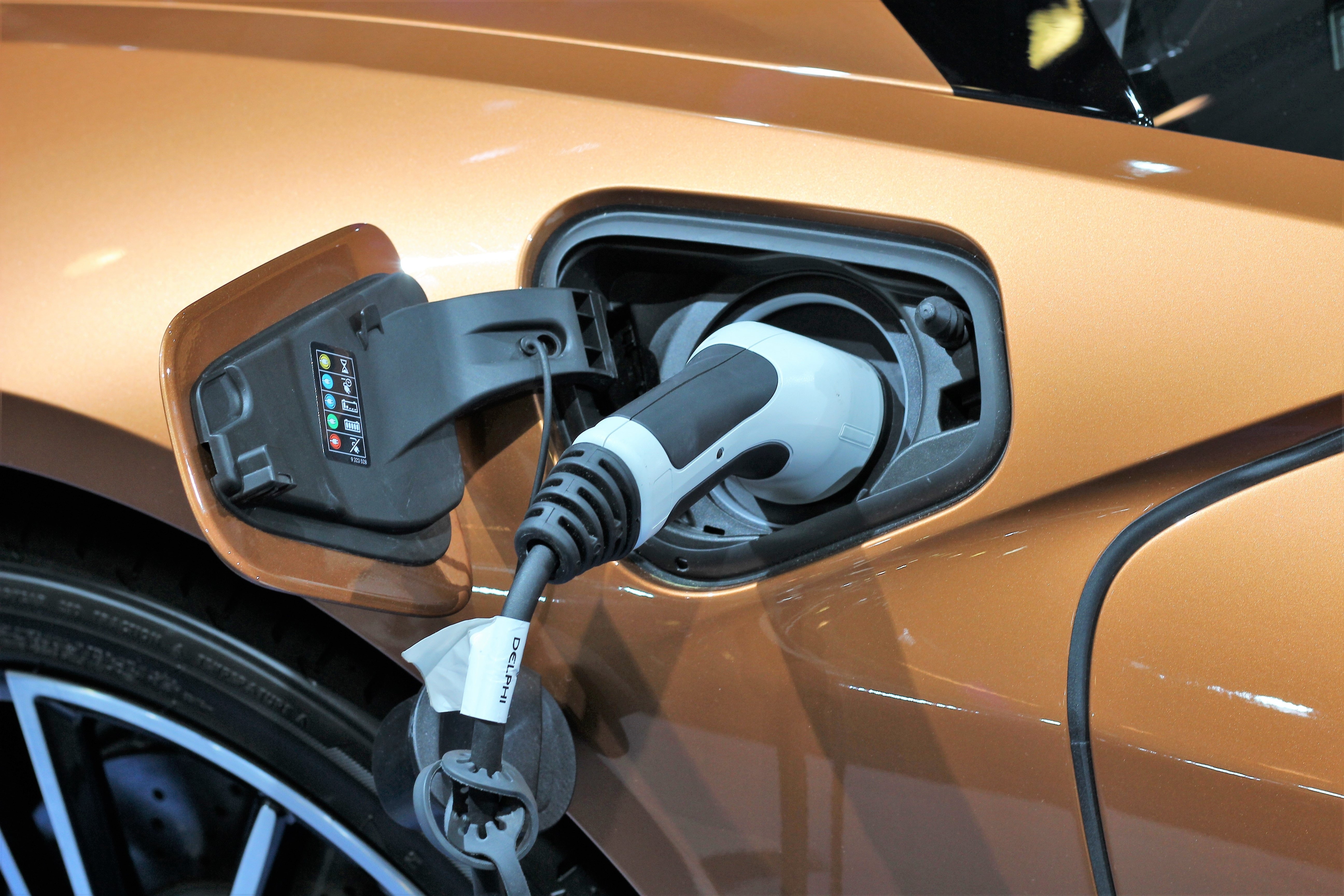
The biggest difference when jump-starting a hybrid is the presence of the high-voltage traction battery. This battery powers the electric motor and operates at dangerous voltage levels. It should never be touched or used during a jump-start procedure. Manufacturers identify these systems with bright orange cables to warn drivers of potential danger. Only the smaller 12-volt battery or designated jump terminals should be used.
Where the 12-Volt Battery Is Located
Unlike traditional vehicles, hybrids often hide the 12-volt battery in unusual locations. Some place it under the hood, while others hide it in the trunk, beneath cargo panels, behind trim pieces, or underneath rear seats. Toyota and Lexus hybrids commonly place the battery in the trunk while still providing jump terminals under the hood. Some Ford hybrids place the battery beneath the rear seat. Checking the owner’s manual beforehand is essential because battery placement varies widely between manufacturers.
Safety Precautions Before Jump-Starting
Safety is extremely important when working around vehicle batteries. Drivers should remove metal jewelry, secure loose clothing, and tie back long hair before beginning. Gloves and safety glasses are recommended because batteries can leak corrosive chemicals or create sparks. The assisting vehicle should remain turned off while connecting cables to prevent electrical damage. Drivers should also avoid touching moving engine components or any orange high-voltage cables.

Using Jumper Cables to Start a Hybrid
To jump-start a hybrid with another vehicle, park the assisting car close enough for the cables to reach safely. Locate the hybrid’s positive jump terminal or 12-volt battery and connect the red positive cable first. Attach the other red clamp to the assisting vehicle’s positive terminal. Then connect the black negative cable to the assisting battery’s negative terminal. The final black clamp should be attached to an unpainted metal surface on the hybrid’s chassis or engine block rather than directly to the battery. Once connected, start the assisting vehicle and allow it to run briefly before attempting to start the hybrid.
Using a Portable Jump Starter
Portable jump starters are becoming increasingly popular because they eliminate the need for another vehicle. Connect the positive clamp to the hybrid’s positive jump point and the negative clamp to a grounding point or negative terminal. Activate the jump starter and start the hybrid. Many hybrids will not make engine noise immediately, so drivers should look for a “Ready” indicator on the dashboard. Portable jump packs are often safer and more convenient than traditional jumper cables.
Disconnecting the Cables Properly
After the hybrid starts, disconnect the cables in reverse order. Remove the black negative cable from the hybrid first, then from the assisting vehicle. Next remove the red positive cable from the assisting car and finally from the hybrid. This sequence reduces the risk of sparks and accidental short circuits. Drivers should keep the clamps from touching each other during removal.
Why the Hybrid Must Keep Running
Once started, the hybrid needs time to recharge the 12-volt battery. Experts recommend operating the vehicle for at least 30 minutes afterward. Because hybrids automatically switch their gasoline engines on and off, driving the car is usually better than letting it idle. Driving allows the charging system to restore battery capacity more effectively.

Special Cases: Kia and Hyundai Hybrid Systems
Some Kia and Hyundai hybrids use unique battery systems that include a “12V Battery Reset” feature. This system temporarily draws power from the large traction battery to restore enough energy for the car to start. In some cases, this eliminates the need for jumper cables entirely. However, conventional jump-start methods can still be used if necessary.
Common Mistakes That Can Damage a Hybrid
One major mistake is using a hybrid vehicle to jump-start another car. Many manufacturers warn against this because hybrids are not designed to deliver large amounts of electrical current externally. Drivers should also never reverse cable polarity, as connecting positive and negative incorrectly can destroy electronic systems instantly. Attempting to touch or repair the high-voltage battery system is also extremely dangerous.
Why Portable Jump Starters Are Becoming Essential
Modern portable jump starters are compact, powerful, and easy to use. Many include safety protections against reverse polarity, overheating, and overcharging. They are especially useful for hybrid owners because they provide stable voltage and eliminate dependence on another vehicle. Some models also include flashlights, USB charging ports, and emergency features, making them practical roadside tools.

The Future of Hybrid Reliability
Hybrid technology has become far more reliable over the last decade. Modern systems are designed to last well over 100,000 miles with minimal issues. However, the small 12-volt battery remains one of the most common reasons hybrids fail to start. Understanding how to safely jump-start a hybrid is therefore an important skill for modern drivers. Even though hybrids appear more complex than traditional cars, the process becomes straightforward once drivers understand the differences and follow the correct precautions.
About the Creator
History Seeker
I like the metal music I like the good food and the history...
Enjoyed the story? Support the Creator.
Subscribe for free to receive all their stories in your feed.
Comments
There are no comments for this story
Be the first to respond and start the conversation.