how to
How to maintain, fix and customize your ride, be it a sports car, pickup truck or jalopy.
The Importance Of Catalytic Converter Recycling: Why You Should Care Today
Our world is changing, and it's more important than ever to understand how our actions can affect the planet. In this blog article, we'll look closely at why catalytic converter recycling should be top of mind for all of us who want to do our part for the environment. Discover why recycling your catalytic converters is so important, and discover how you can get involved today.
By Kayla Threlkeld4 years ago in Wheel
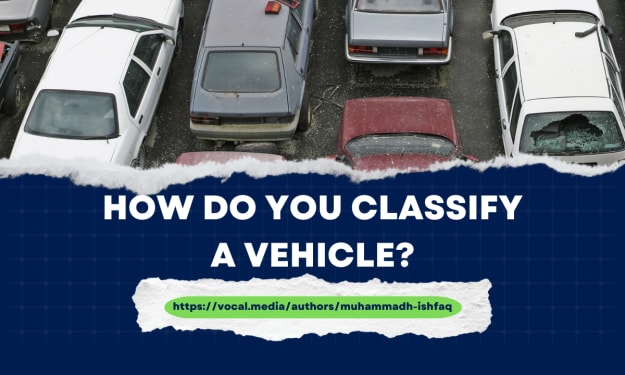
How do you classify a vehicle?
Classifying a vehicle is an important task that is used in a variety of industries, including automotive sales, insurance, and law enforcement. There are several different methods that can be used to classify a vehicle, each of which has its own advantages and disadvantages. One of the most common ways to classify a vehicle is by its make and model. This can often be determined simply by looking at the vehicle and identifying the manufacturer's logo or branding. For example, a vehicle with a "Ford" logo on it would likely be classified as a Ford, while a vehicle with a "Toyota" logo would be classified as a Toyota. This method of classification is relatively straightforward and easy to do, as most people are familiar with the logos and branding of major automakers. However, it can be difficult to classify vehicles that are not made by major manufacturers, or vehicles that have been modified or customized. Another way to classify a vehicle is by its body type. This can include sedans, coupes, hatchbacks, SUVs, trucks, and vans, among others. Body type can often be determined by looking at the overall shape and size of the vehicle, as well as the number of doors and windows it has. This method of classification is also relatively straightforward and easy to do, but it can be difficult to classify vehicles that have been modified or customized. For example, a pickup truck that has been modified with a flatbed or cargo area in the back may be classified as a commercial or work vehicle, while a vehicle with luxury features such as leather seats and a sunroof may be classified as a luxury vehicle. In addition to make, model, and body type, vehicles can also be classified by their intended use. For example, a vehicle with a flatbed or cargo area in the back may be classified as a commercial or work vehicle, while a vehicle with luxury features such as leather seats and a sunroof may be classified as a luxury vehicle. This method of classification can be more difficult to do than the others, as it requires a good understanding of the different types of vehicles that are available and the features that they typically have. Another important method of classifying a vehicle is by the use of vehicle identification numbers (VINs). Each vehicle is assigned a unique VIN, which can be used to identify the manufacturer, model, and year of the vehicle, as well as other important information such as its engine size and transmission type. This method of classification is highly accurate and reliable, as the VIN is unique to each vehicle and cannot be changed or modified. However, it can be time-consuming and labor-intensive to collect and enter all of the information from a VIN, and it requires access to a database of VINs. Finally, another way to classify a vehicle is by comparing it to a database of known makes and models. This can be done through the use of software that can scan and analyze a vehicle's features, such as its shape, size, and design elements, and compare them to a database of known vehicles. This method of classification is highly accurate and can be done relatively quickly, but it requires access to a large and up-to-date database of vehicles, as well as specialized software and equipment. In conclusion, classifying a vehicle can be done in a variety of ways, including by make and model, body type, intended use, VIN, and by comparing it to a database of known makes and models. Each method has its own advantages and disadvantages, and the best method will depend on the specific needs of the organization or individual doing the classification. For example, if speed and accuracy are the most important factors, then using a VIN or comparing a vehicle to a database of known makes and models may be the best option. However, if cost and accessibility are the primary concerns, then using visual inspection or identifying the make and model through branding may be more appropriate. Another important consideration when classifying a vehicle is the context in which it is being classified. For example, in the automotive sales industry, it may be important to classify a vehicle by its make, model, and body type in order to accurately match it with potential buyers. In the insurance industry, it may be important to classify a vehicle by its intended use and safety features in order to determine the appropriate coverage and premium. And in law enforcement, it may be important to classify a vehicle by its VIN in order to identify stolen vehicles or track down suspects. In addition, it's important to note that classifying a vehicle is not only limited to its physical characteristics but also to the legal and regulatory aspect. There are several regulations and laws that govern the classification of vehicles, such as emissions standards, safety regulations, and tax laws. These regulations vary by country and state, and it's important to be aware of and comply with these laws when classifying a vehicle. Furthermore, with the advent of electric and autonomous vehicles, new criteria's are also emerging in classifying vehicles. For example, Electric vehicles are classified based on their battery capacity, charging time and range. Autonomous vehicles are classified based on their level of autonomy, from level 0 (no automation) to level 5 (fully autonomous). In conclusion, classifying a vehicle is a complex process that involves multiple factors and considerations. It's important to consider the specific needs and context of the organization or individual doing the classification, as well as the legal and regulatory aspect of it. With the emergence of new technologies and changes in the automotive industry, the criteria for classifying vehicles are also evolving, and it's important to stay informed and adapt accordingly.
By muhammadh ishfaq4 years ago in Wheel
Deals for Old cars
The Auto industry is changing rapidly and car prices are only going up. New cars are getting costlier each year, making them a very high value purchase for the common man. Ironically, the average life span of a car is going down despite the steady rise in prices, which brings in good news for potential used car buyers with great deal for old cars. The rise in new-vehicle prices and lifestyle changes due to the pandemic as well as emergence of online players are the major factors contributing to this shift. While the majority of buyers are young males, there has been an uptake in the number of women used car buyers. We understand your time and value for money. Keeping these factors in mind our team provides you complete guidance and end to end service for sale of your old cars with best deal.
By Startupicons4 years ago in Wheel
Top 10 Car Recyclers in Australia
Car recycling is a well-to-do business for auto-wrecking yards in Australia, so if you're searching on google for 'unwanted car recyclers' and 'car dismantling near me,' or you're selling an old car, truck, van, or another commercial vehicle, you're in luck!
By Nelson Michal4 years ago in Wheel
Make the Smart Choice: Why You Should Buy Your Car Parts From A Local Auto Salvage Yard
Are you looking for a way to save money on car parts while still getting quality products? Consider buying your car parts from a local auto salvage yard. You can find various car parts at a fraction of the cost. Also, get the added benefit of supporting a local business. This blog will explore the benefits of buying car parts from a auto salvage yard. You’ll better understand why buying from a local auto salvage yard is smart.
By Olivia Hayden4 years ago in Wheel
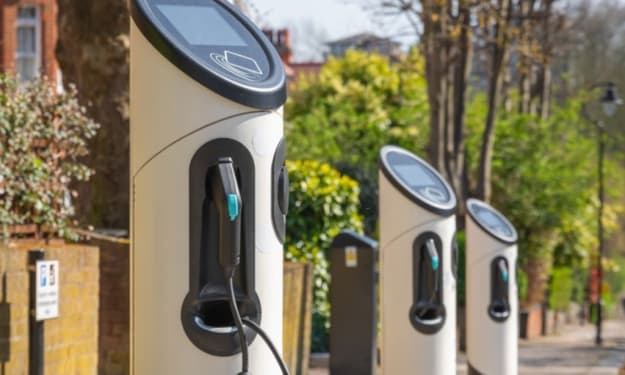
Refuelling Made Easy: The Benefits of Electric Car Refuelling
It's no secret that electric cars are taking the world by storm. They are more energy-efficient and eco-friendly than traditional gasoline-powered vehicles. And they also come with many advantages that make them an excellent choice for many drivers. One of those advantages is the ease of refilling them. In this blog, we'll explore the benefits of electric car refilling and why it's becoming famous, from the convenience of not visiting a gas station to the cost savings associated with refilling. There are plenty of reasons to switch to electricity. So, if you're looking to switch to electric, read on to learn why refilling made easy is the way to go.
By Rose Byrne4 years ago in Wheel
Exploring the Pros and Cons of Selling Your Car for Cash
When it comes time to sell your car, you have a few different options to choose from. One of the most popular options is selling your car for cash. This method can be quick and easy, but it also comes with its own set of benefits and drawbacks. In this article, we'll take a closer look at the pros and cons of selling your car for cash, so you can make an informed decision about what's right for you.
By quiet writer4 years ago in Wheel
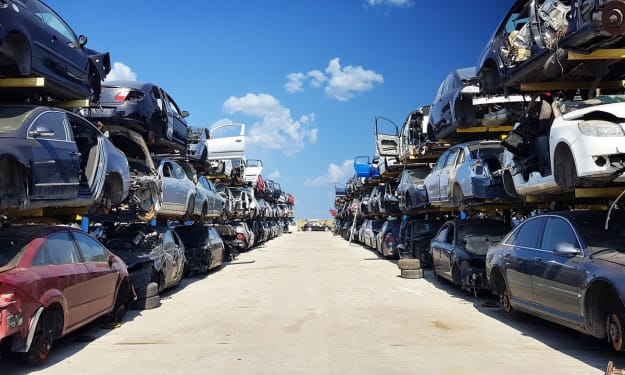
What Happens to Car After the Junkyard?
Have you ever wondered what happens to your scrap car once you have sold it to cash for car company or local car wrecking yard? If you have an old car attached to it, you deserve to know what car wreckers do with your vehicle. Car Disposals services are one of the most environment-saving actions in the world as it is wholly based on recycling and reusing. Instead of selling your old car to your family members, friends or another person who would use it, you must consider selling it to Sell My Car Sydney. They will not only provide you with the top cash for your vehicle but also make sure that your car is disposed of safely while keeping the environment safe and recycling and reusing everything possible.
By Jenny Gonzalez4 years ago in Wheel