
Las Vegas Police Enter the Cybertruck Era - Fleet of Police Cybertucks
Tesla Cars for Police

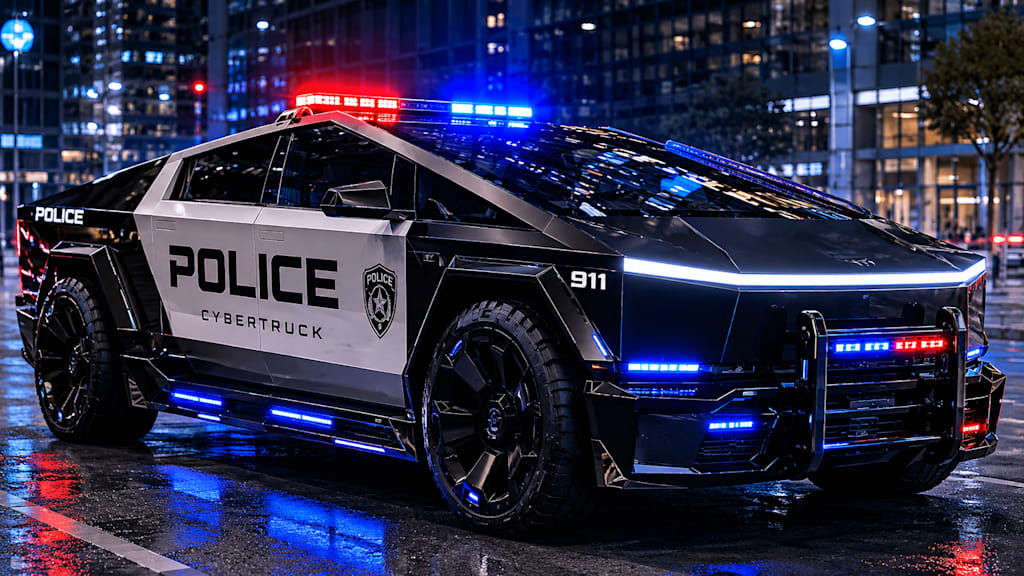
The Las Vegas Metropolitan Police Department has officially become the first police agency in the United States to deploy an operational fleet of Tesla Cybertrucks for patrol duty. The department recently unveiled 10 heavily modified Cybertrucks customized specifically for law enforcement operations, instantly creating one of the most futuristic police fleets in America. Unlike standard consumer Cybertrucks, these vehicles received extensive upgrades from UP.FIT, the police-vehicle division of Unplugged Performance, transforming them into fully equipped patrol units designed for urban policing, rapid response, and tactical operations. Their aggressive appearance, flashing rooftop light bars, reinforced bumpers, and custom police livery make them look more like military vehicles from a science fiction movie than traditional police cruisers.

Why Las Vegas Chose the Cybertruck?
The acquisition surprised many observers because Tesla had recently struggled to meet its original Cybertruck sales expectations. Elon Musk once predicted annual production numbers reaching 250,000 units, but real-world demand reportedly fell far below those projections. At the same time, Tesla was increasingly spotted redirecting unsold Cybertrucks toward internal corporate fleets such as SpaceX and xAI. The Las Vegas police fleet therefore sparked immediate speculation that Tesla was searching for alternative large-scale buyers for the controversial electric truck.
However, the Las Vegas Metropolitan Police Department argues the Cybertruck offers several major advantages over conventional gasoline-powered patrol vehicles. The department estimates each Cybertruck could save roughly $47,540 over its projected five-year service life due to lower maintenance requirements, reduced fuel costs, and decreased downtime. Electric drivetrains contain far fewer moving parts than internal combustion engines, meaning fewer breakdowns, fewer oil changes, and lower repair costs over time. In a city where patrol vehicles spend enormous amounts of time idling in desert heat, electric systems may also reduce wear compared to traditional engines constantly running air conditioning systems.
A Radical New Look for Police Vehicles
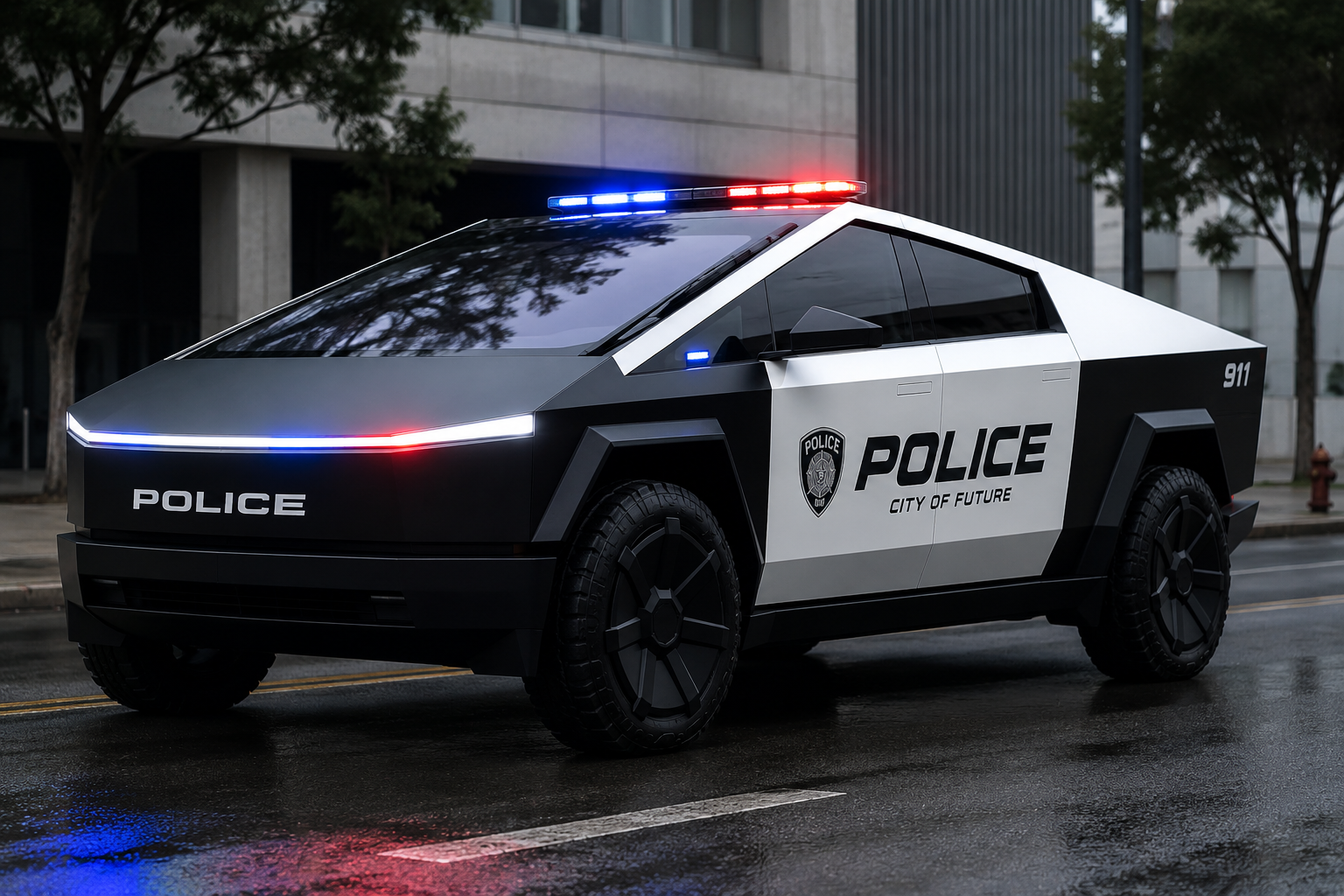
The Cybertruck’s unusual angular design already makes it one of the most recognizable vehicles on the road, but the police modifications push its appearance even further into futuristic territory. The UP.FIT upgrades include custom emergency lighting systems integrated into the roofline, side skirts, rear fenders, and grille areas. High-intensity warning lights, scene illumination systems, and directional lighting provide officers with greater visibility during nighttime incidents and roadside operations.
The vehicles also feature forged 18-inch police-spec wheels designed for durability during high-speed pursuits and curb impacts. Optional push bars and bumper guards can be mounted on the front for tactical interventions or vehicle immobilization maneuvers. Remote-operated spotlights allow officers to illuminate suspects or dark environments without leaving the cabin, while upgraded siren systems provide both high-frequency and low-frequency warning tones capable of cutting through heavy urban traffic noise.
Even the vehicle graphics were carefully designed. Reflective department markings and conspicuity patterns improve visibility at night while maintaining the aggressive, modern aesthetic the Cybertruck naturally projects.

Bullet Resistance and Officer Protection
One of the most controversial selling points of the Cybertruck is Tesla’s claim that its stainless steel exoskeleton offers resistance against certain forms of small-arms fire. Tesla demonstrated internal tests in which 9mm and .45-caliber handgun rounds reportedly failed to penetrate the truck’s body panels. While the company never claimed the Cybertruck was fully armored, its thick stainless steel panels appear significantly stronger than ordinary automotive sheet metal.
For police departments, even limited ballistic resistance could provide valuable additional protection during dangerous encounters. Most conventional police vehicles offer little meaningful protection against gunfire outside of the engine block and wheel hubs. In real-world police tactics, officers are often trained to use the engine compartment as cover during firefights because standard car doors can easily be penetrated by bullets.
The Cybertruck’s hardened exterior may therefore provide officers with improved survivability in certain situations. However, experts caution that the stainless steel body panels are not equivalent to military-grade armor. Questions also remain regarding the strength of the vehicle’s windows under ballistic impacts. UP.FIT itself acknowledged this limitation by offering optional reinforced window protection systems as an additional upgrade package.
The Interior Transformation
Inside the vehicle, the modifications are more practical than dramatic. The Cybertruck’s minimalist factory cabin was adapted to support police electronics and communication systems without disrupting Tesla’s digital interface. Officers operate emergency lighting, sirens, and auxiliary systems through integrated switch panels and programmable control consoles mounted within easy reach.
A specialized “Insomnia Mode” developed by UP.FIT allows the truck’s electrical systems to remain operational continuously without shutting down critical equipment. This is especially important for police vehicles, which often power radios, computers, cameras, and emergency lights for extended periods during incidents.
Additional modifications include integrated wiring systems for police technology, reinforced mounting systems for equipment storage, and compatibility with future upgrades such as K9 transport systems or tactical gear storage packages.
Performance Advantages
On paper, the Cybertruck offers impressive performance for law enforcement applications. Its electric motors provide instant torque, allowing extremely rapid acceleration compared to most gasoline-powered police vehicles. Faster acceleration can improve pursuit capabilities and emergency response times in dense urban environments.
The low center of gravity created by the battery pack also gives the truck stable handling despite its large size. Unlike many heavy armored police SUVs, the Cybertruck’s weight distribution may help it corner more effectively during high-speed maneuvers.
Its silent electric drivetrain could additionally offer advantages during surveillance operations or tactical deployments where stealth matters. Officers approaching a location in near silence could gain situational advantages compared to loud conventional engines.
Challenges and Criticism
Despite the excitement surrounding the fleet, critics question whether the Cybertruck is truly suited for long-term police work. Tesla vehicles have faced recurring reliability concerns, software glitches, and multiple recalls in recent years. Some experts worry that highly computerized vehicles may become vulnerable to system failures or difficult maintenance procedures during continuous police service.
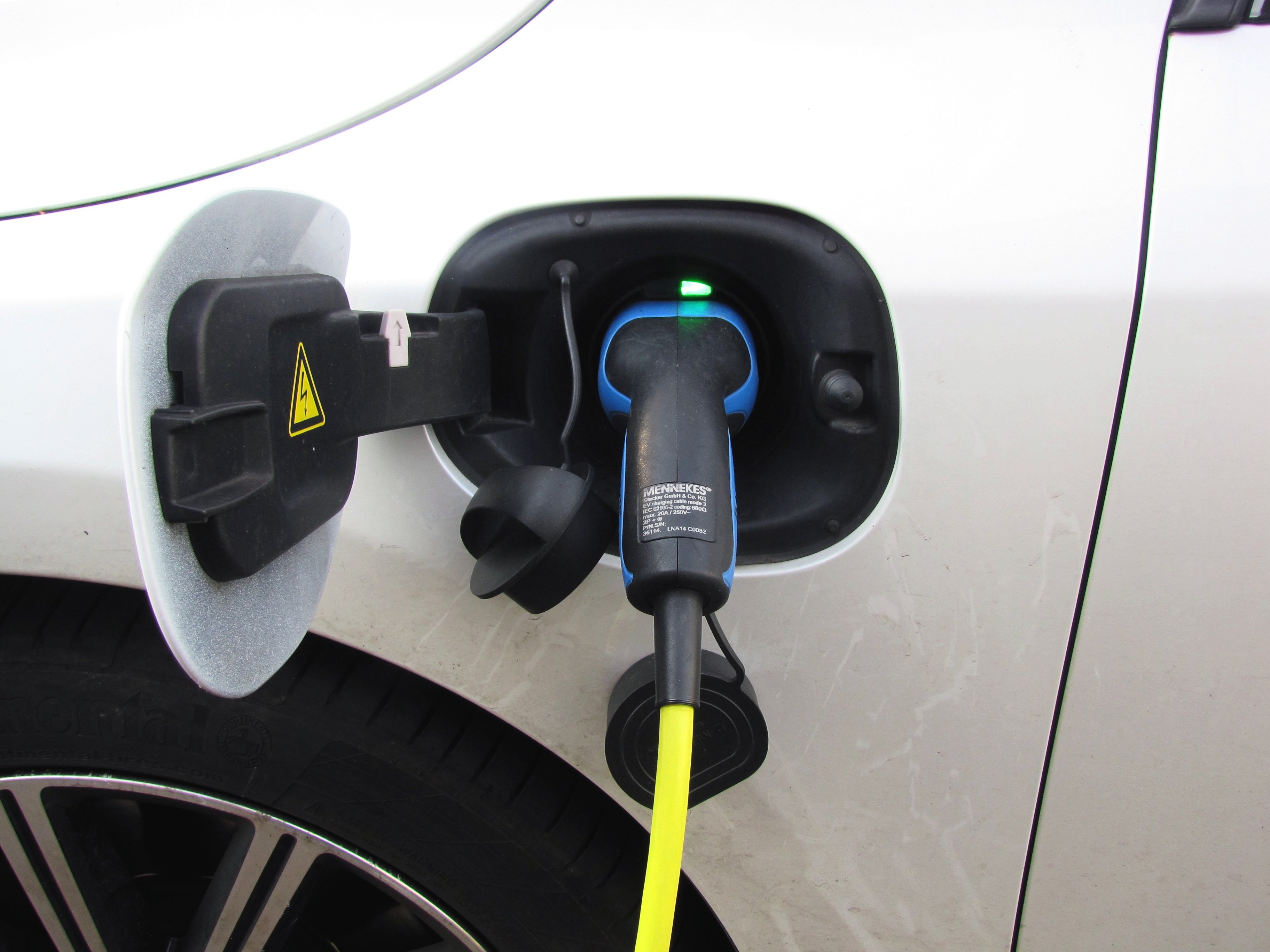
Charging infrastructure is another challenge. Police vehicles often remain active for long shifts, and departments would need extensive fast-charging support to maintain readiness across an entire electric fleet. Extreme desert temperatures in Las Vegas may also impact battery efficiency over time.
Others argue the vehicles are simply too expensive. Specialized police modifications can dramatically increase costs beyond the already high base price of the Cybertruck. Optional UP.FIT packages alone can add thousands of dollars per vehicle before law-enforcement-specific technology is installed.

The Future of Electric Police Fleets
Whether the Las Vegas experiment succeeds or fails, it represents a major moment in the evolution of police vehicles. Law enforcement agencies around the world are increasingly exploring electric patrol fleets as governments push toward lower emissions and reduced fuel dependency. Ford’s electric F-150 Lightning police prototype and various EV patrol car programs already signal a growing transition away from traditional gasoline fleets.

The Cybertruck, however, takes that shift to a much more radical level. Its appearance alone transforms the visual identity of modern policing, combining futuristic aesthetics with military-inspired utility. For supporters, it represents the next generation of police mobility. For critics, it reflects growing concerns about militarization, surveillance, and the blending of tech culture with public law enforcement.
Either way, Las Vegas now operates one of the most unusual police fleets ever assembled—and the image of stainless steel Cybertrucks patrolling neon-lit streets may soon become one of the defining symbols of futuristic urban policing in America.
About the Creator
History Seeker
I like the metal music I like the good food and the history...
Enjoyed the story? Support the Creator.
Subscribe for free to receive all their stories in your feed.
Comments
There are no comments for this story
Be the first to respond and start the conversation.