
Essential Car Wheel Maintenance
Essential Car Wheel Maintenance Tips for Longer Life

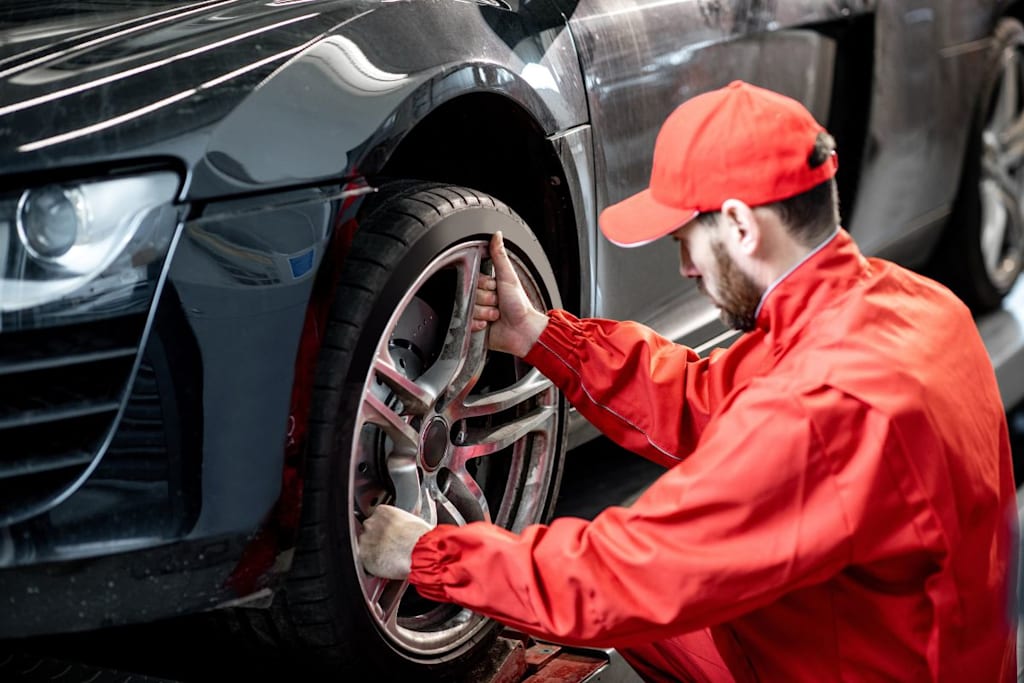
Your car's wheels do much more than simply keep your vehicle moving. They play a crucial role in safety, handling, fuel efficiency, and overall driving comfort. Yet wheel maintenance is often overlooked until a problem arises. Whether you drive daily in the city, take long highway trips, or enjoy weekend adventures, taking care of your wheels can save money, improve performance, and extend the life of your vehicle.
As modern vehicles become more advanced and expensive, proper wheel maintenance has never been more important. Here are the essential car wheel maintenance tips every driver should know.
Why Wheel Maintenance Matters
Wheels are constantly exposed to harsh conditions. Potholes, rough roads, extreme temperatures, dirt, water, and road salt can all contribute to wear and damage. Neglecting wheel care can lead to poor fuel economy, uneven tire wear, steering issues, and costly repairs.
Regular maintenance helps:
- Improve vehicle safety
- Enhance driving comfort
- Extend tire life
- Increase fuel efficiency
- Prevent expensive wheel replacements
- Maintain your vehicle's appearance
Check Tire Pressure Regularly
One of the simplest yet most important maintenance tasks is monitoring tire pressure.
Underinflated tires create extra rolling resistance, forcing your engine to work harder and reducing fuel efficiency. Overinflated tires, on the other hand, can cause uneven wear and reduce traction.
Experts recommend checking tire pressure at least once a month and before long trips. Most modern vehicles provide tire pressure monitoring systems (TPMS), but manual checks remain a good habit.
Always follow the pressure levels recommended by your vehicle manufacturer rather than relying solely on the maximum pressure listed on the tire.
Keep Wheels Clean
Brake dust, mud, road grime, and chemicals can gradually damage wheel finishes if left untreated.
Wash your wheels regularly using a mild wheel cleaner and soft brush. Avoid harsh chemicals that may damage alloy wheel coatings. Pay special attention to the inner wheel surfaces where dirt often accumulates.
Clean wheels not only look better but also allow you to spot cracks, scratches, and other potential issues before they become serious problems.
Inspect Wheels for Damage
Even a small pothole can cause wheel damage.
Make it a habit to inspect your wheels for:
- Cracks
- Bends
- Dents
- Corrosion
- Scratches
- Loose lug nuts
Damaged wheels can affect vehicle stability, tire performance, and safety. If you notice unusual vibrations while driving, have your wheels inspected by a professional as soon as possible.
Rotate Tires at Recommended Intervals
Tire rotation helps distribute wear evenly across all four wheels.
Front and rear tires often wear at different rates because of steering, braking, and weight distribution. Rotating tires every 5,000 to 8,000 miles (or according to your manufacturer's recommendations) can significantly extend tire life.
Regular tire rotation also improves ride quality and handling.
Maintain Proper Wheel Alignment
Wheel alignment is essential for smooth driving and even tire wear.
Signs of poor alignment include:
- Vehicle pulling to one side
- Uneven tire wear
- Crooked steering wheel
- Reduced fuel efficiency
Modern roads are filled with potholes and speed bumps that can gradually knock wheels out of alignment. Experts recommend checking alignment annually or whenever you notice handling issues.
Proper alignment reduces stress on both tires and suspension components.
Balance Your Wheels
Wheel balancing ensures that weight is distributed evenly around the wheel and tire assembly.
Unbalanced wheels may cause:
- Steering wheel vibration
- Uneven tire wear
- Reduced driving comfort
- Increased suspension wear
Wheel balancing should be performed whenever new tires are installed or if vibrations develop at highway speeds.
A balanced wheel assembly improves both safety and vehicle longevity.
Protect Alloy Wheels
Alloy wheels are popular because they are lightweight and stylish. However, they require special care.
To protect alloy wheels:
- Avoid curbing whenever possible
- Wash off road salt during winter
- Apply wheel sealants for added protection
- Repair chips and scratches promptly
Protective coatings can help preserve the appearance and structural integrity of alloy wheels for years.
Avoid Overloading Your Vehicle
Every wheel is designed to support a specific weight limit.
Exceeding your vehicle's recommended load capacity can place excessive stress on wheels and tires, increasing the risk of damage or failure.
Before long trips, especially when carrying luggage or towing equipment, ensure your vehicle remains within its weight limits.
Drive Carefully on Rough Roads
Defensive driving is one of the most effective forms of wheel maintenance.
Avoid:
- Deep potholes
- High-speed impacts
- Rough terrain when possible
- Aggressive curb contact
Slowing down before road hazards can significantly reduce stress on wheels, tires, and suspension components.
Don't Ignore Warning Signs
Modern vehicles often provide early warning signs of wheel-related issues.
Watch for:
- Tire pressure warnings
- Unusual vibrations
- Steering problems
- Strange noises
- Uneven tire wear patterns
Addressing these issues early can prevent more serious and expensive repairs later.
The Growing Role of Smart Wheel Technology
In 2026, many newer vehicles are incorporating advanced wheel monitoring technologies. Tire pressure monitoring systems, smart sensors, and predictive maintenance tools help drivers detect problems before they become dangerous.
As automotive technology continues to evolve, routine wheel maintenance remains essential even with these advanced systems. Technology can provide alerts, but regular inspections and preventive care are still the best ways to maximize wheel lifespan.
Final Thoughts
Your car's wheels are among the hardest-working components on the vehicle. Proper maintenance not only improves safety and performance but also helps you avoid unnecessary expenses. By checking tire pressure, cleaning wheels regularly, maintaining alignment and balance, inspecting for damage, and practicing careful driving habits, you can significantly extend the life of your wheels and tires.
A small investment of time in wheel maintenance today can lead to smoother rides, better fuel economy, and greater peace of mind for years to come.
About the Creator
Stories Today
Stories Today is a place where real people share real stories, and that’s it. We believe every person has an incredible story to tell.
Visit us:https://storiestoday.co.uk/
Enjoyed the story? Support the Creator.
Subscribe for free to receive all their stories in your feed.
Comments
There are no comments for this story
Be the first to respond and start the conversation.