
Why Koh Lanta Should Be on Your Thailand Travel Itinerary
A Must-Visit Destination
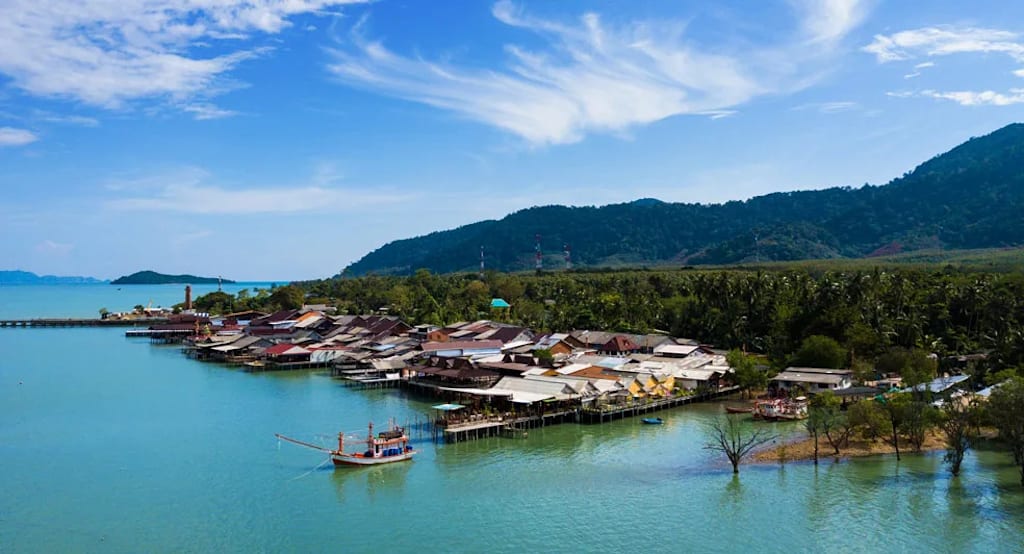
Koh Lanta doesn't compete with Thailand's more famous islands. It simply offers something they increasingly cannot — space, stillness, and a coastal experience that feels like it belongs to the traveller who finds it.
The Island's Natural Character — Long Beaches, Quiet Roads, and a Pace That Belongs to Another Era
Koh Lanta Yai, the main island of the Koh Lanta district in Krabi Province, stretches approximately 30 kilometres from north to south along a coastline of considerable variety and consistent beauty. The western shore — where the majority of the island's beaches, accommodation, and visitor facilities are concentrated — faces the Andaman Sea across a horizon uninterrupted by development, offering the kind of wide, open outlook that becomes increasingly rare as Thai beach destinations build upward and outward. The beaches themselves range from the more active northern stretch around Long Beach and Klong Dao, where the infrastructure of restaurants and watersports facilities is most developed, to the progressively quieter and more secluded bays of the island's southern reaches, where Hat Nui and Bamboo Bay offer near-deserted stretches of sand accessible by scooter along roads that wind through jungle-covered hillsides with a beauty of their own. The interior of the island — rarely explored by visitors who confine themselves to the beachfront — holds a national park of genuine ecological significance, with forest trails, mangrove systems, and a cave network that rewards the curious traveller with experiences entirely distinct from anything the beach can provide.
Why Koh Lanta Works as a Base for Regional Exploration
Koh Lanta's position within the broader Krabi coastal region makes it an exceptionally well-located base for travellers who want to combine island relaxation with active exploration of one of Thailand's most scenically dramatic areas. Excursions to the Four Islands marine park, the vibrant snorkelling sites surrounding Koh Rok and Koh Haa—widely regarded as some of the finest in the Andaman region—and the breathtaking cave systems and mangrove channels scattered across the surrounding archipelago can all be easily arranged from the island’s main pier. The Krabi resorts and mainland attractions of Krabi Province, including Railay Beach and Ao Nang, are accessible by ferry, opening up a broader regional itinerary that allows travellers to experience multiple dimensions of this extraordinary coastal geography without the logistical complexity of multiple accommodation changes. For divers, Koh Lanta serves as one of the most strategically positioned bases in southern Thailand, with dive sites of genuinely world-class quality — including the submerged pinnacles of Hin Daeng and Hin Muang, among the best dive sites in Southeast Asia — accessible within a manageable boat journey from the island's shores.
The Old Town — A Cultural Dimension Most Island Destinations Cannot Offer
One of Koh Lanta's most distinctive and least expected assets is its Old Town — a small but remarkably atmospheric settlement of traditional wooden stilt houses built over the water on the island's eastern shore, dating from the era when Koh Lanta served as a significant trading post for the region's Malay, Chinese, and sea-nomad communities. The Old Town's main street, lined with shophouses of faded charm and genuine historical character, now hosts a collection of independent cafes, craft shops, and galleries that have been established by a new generation of residents and entrepreneurs who recognise the value of what they have inherited. Walking through the Old Town in the early morning or late afternoon, when the light catches the water beneath the stilted buildings and the commercial activity of the street is at its most animated, provides a cultural encounter that distinguishes Koh Lanta from the purely resort-focused island destinations of the region — a reminder that this island has a history and an identity that predates the arrival of tourism by several centuries.
Where to Stay — Matching the Island's Character With the Right Accommodation
The accommodation landscape on Koh Lanta has developed thoughtfully alongside the island's growth as a destination, with a range of properties that reflect the island's natural character rather than imposing an incongruous resort aesthetic upon it. Avani+ Koh Lanta Krabi Resort, positioned on one of the island's most beautiful stretches of west-facing coastline, exemplifies how contemporary hospitality design and the particular beauty of the Andaman setting can be brought together without one diminishing the other — offering guests a base of genuine quality and comfort from which the island's beaches, diving sites, and cultural attractions are all naturally and easily accessible.
About the Creator
Enjoyed the story? Support the Creator.
Subscribe for free to receive all their stories in your feed.
Comments
There are no comments for this story
Be the first to respond and start the conversation.