
RNLI Pop-Up Exhibition London
What It’s Like Inside the Floating Station?

We did a School project on the RNLI (The Royal National Lifeboat Institution), where I learned it's a Charity.
I remember thinking back then what a wonderful job they did - saving people’s lives. We also learned that the crew members were volunteers. Double wow.
Rare Opportunity
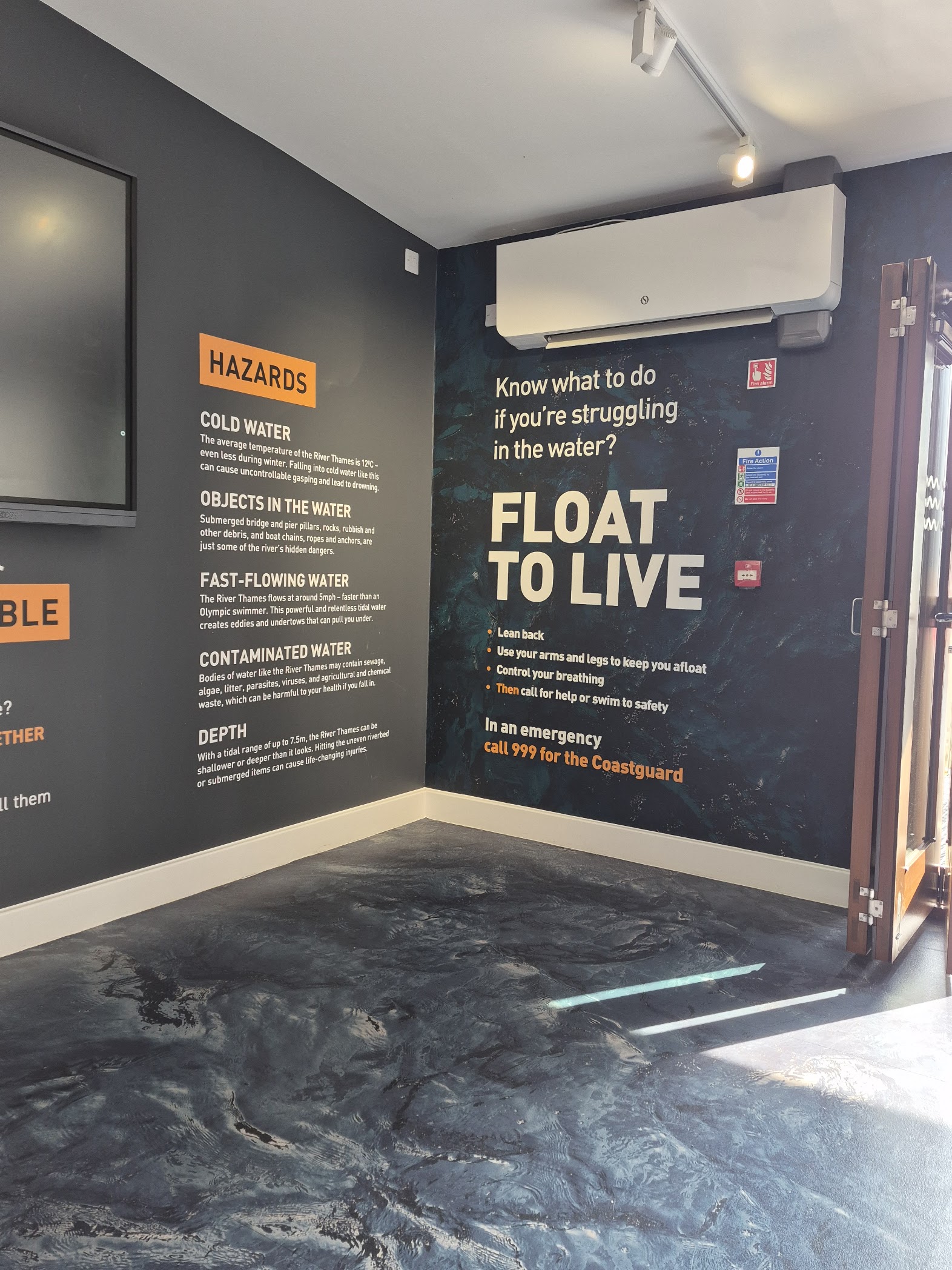
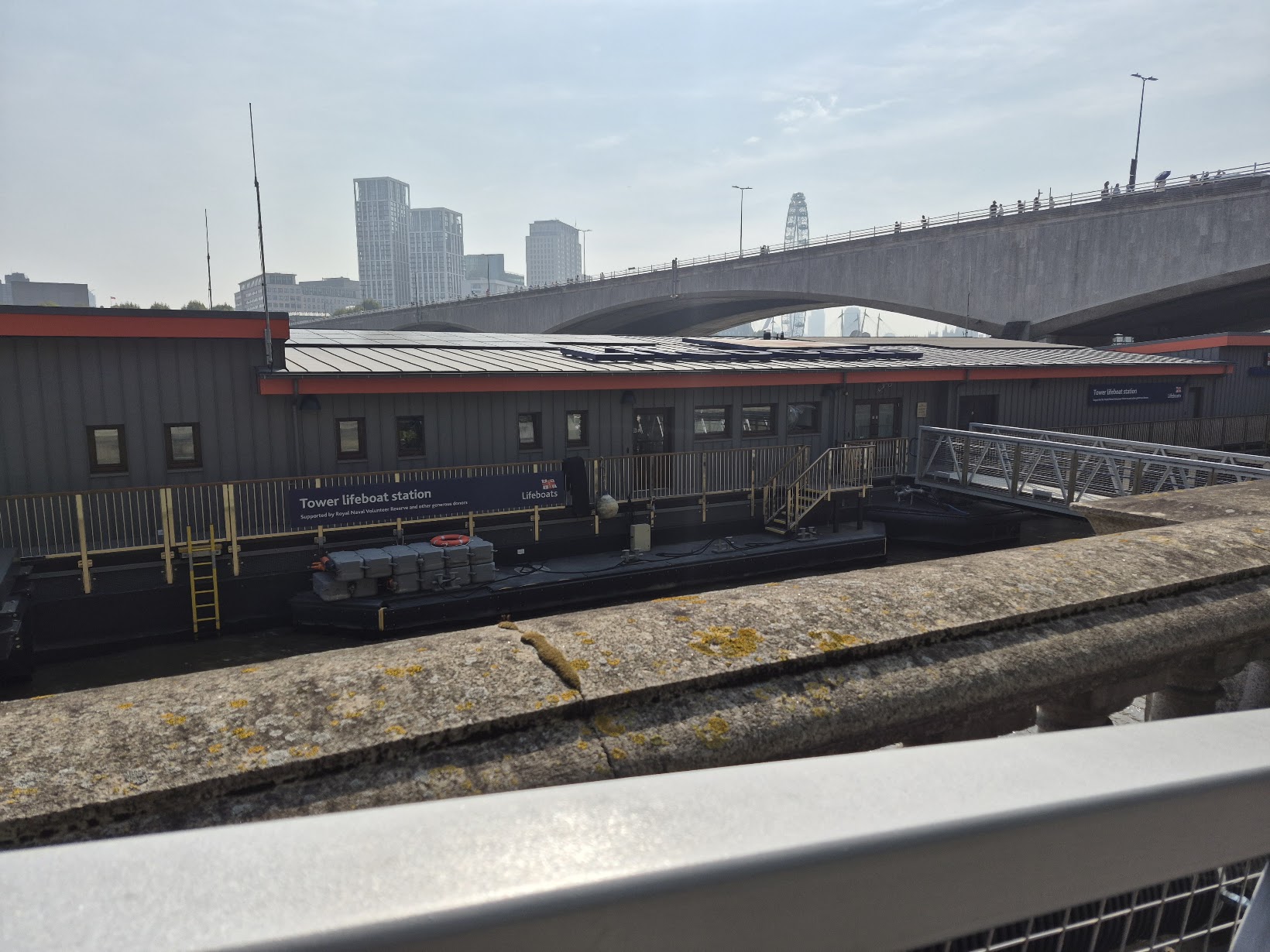
It’s very rare to pop along to the RNLI down in the Embankment, because it’s a working Lifeboat Station and not a tourist attraction.
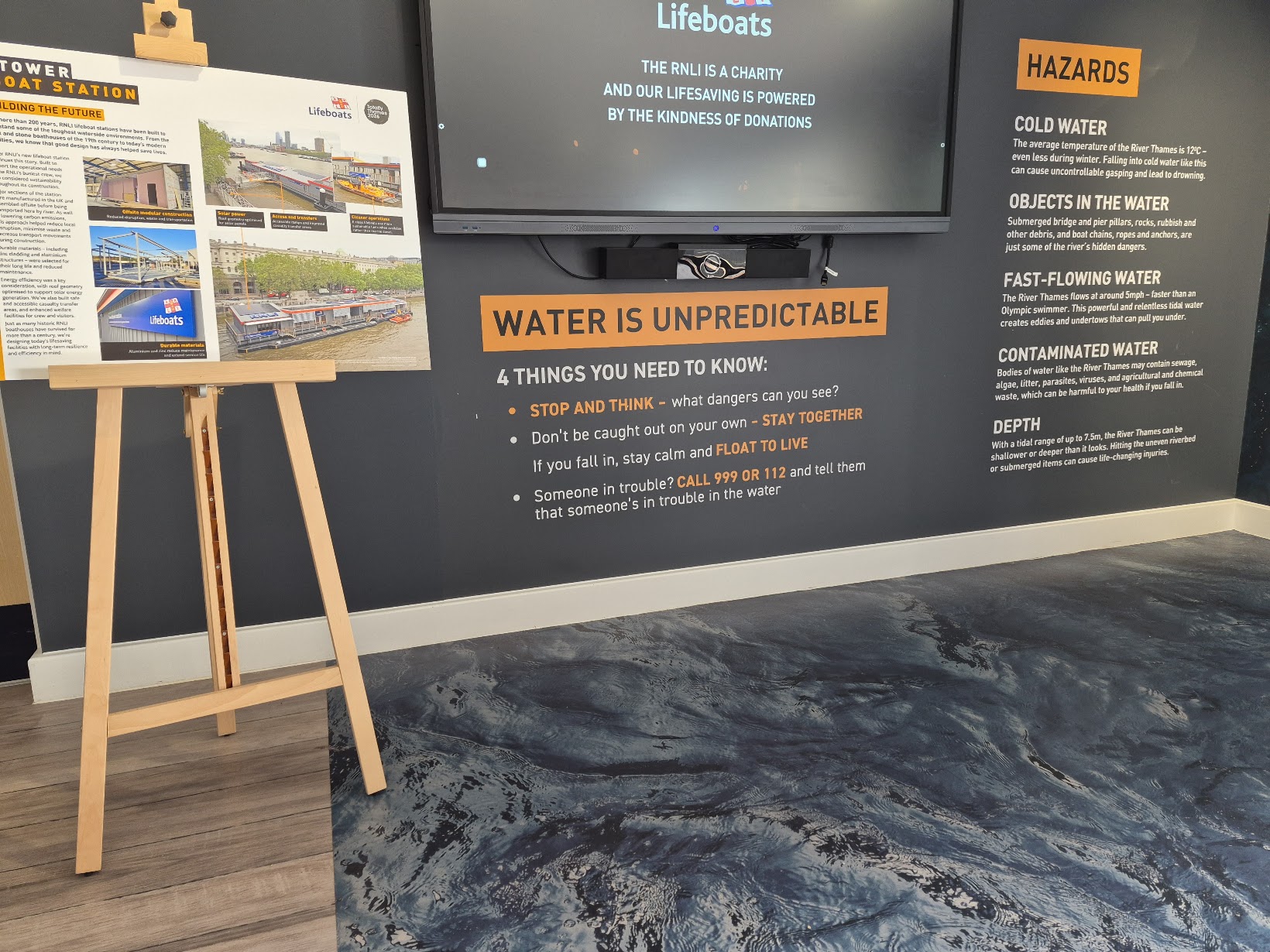
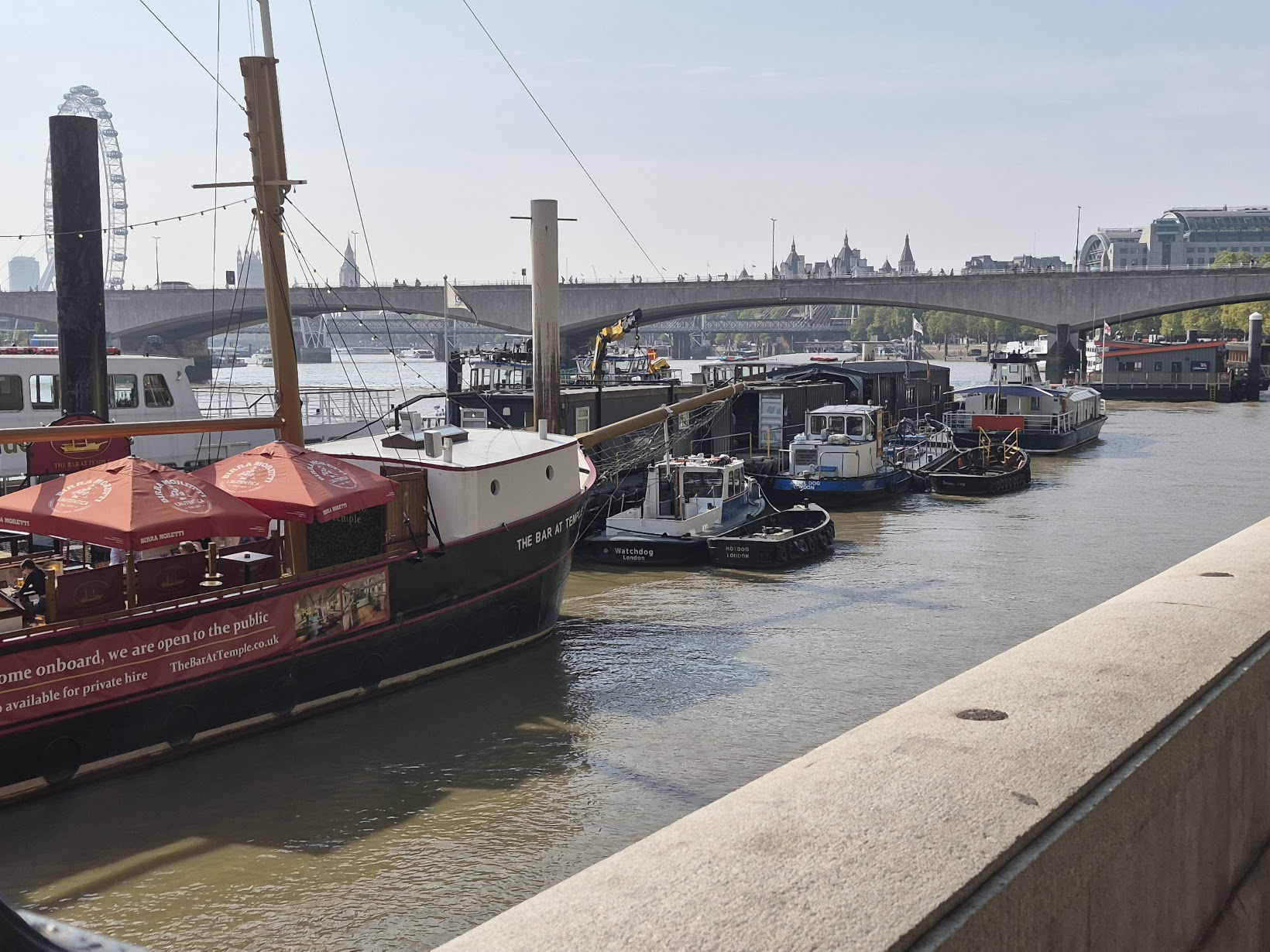
If you’ve ever walked past it or walked along the north end of Waterloo Bridge, you’ll know that it’s been a silent, yet solid presence down by the river.
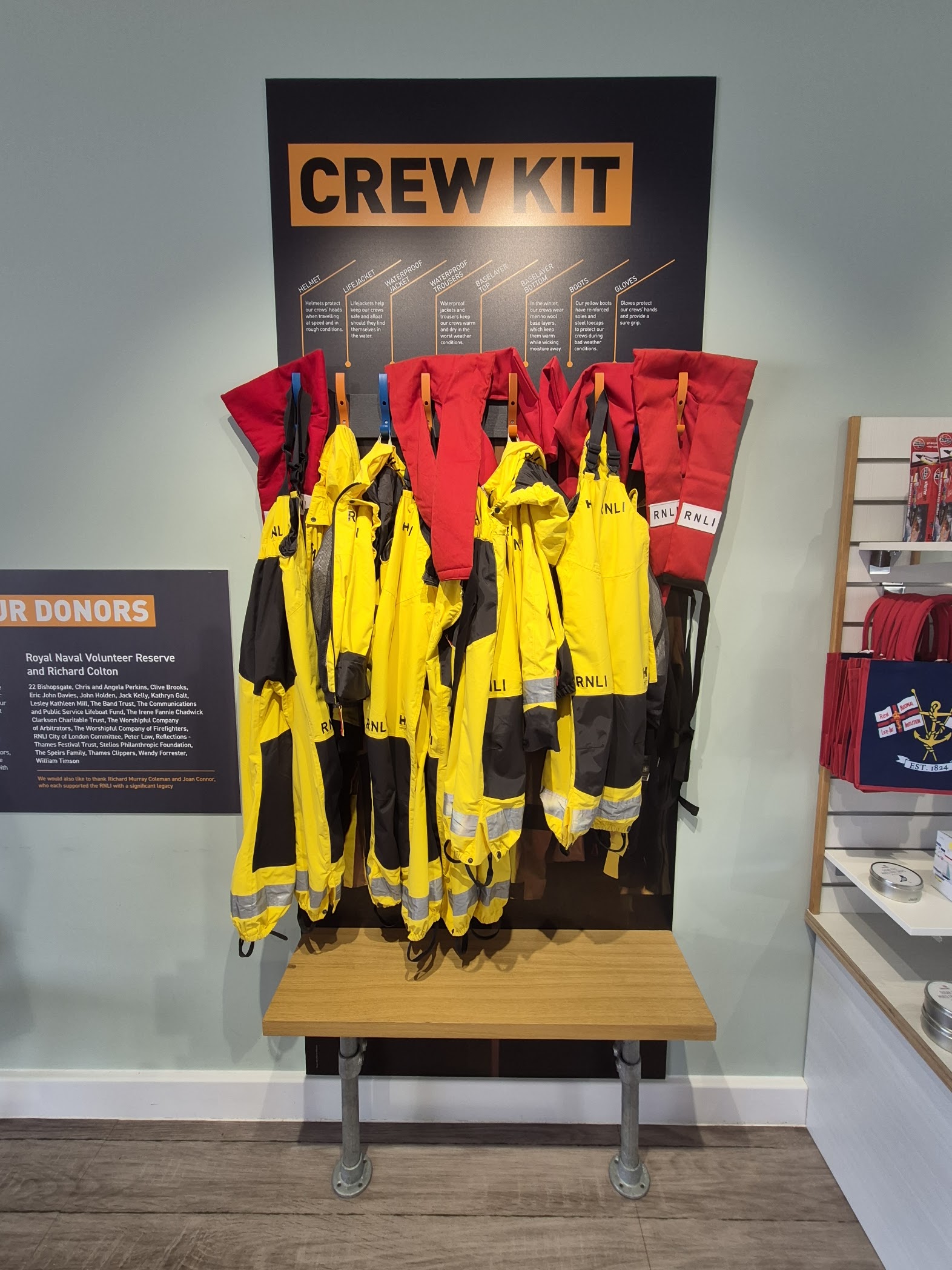
While researching the RNLI, and specifically the Embankment Station, I learned some useful information.
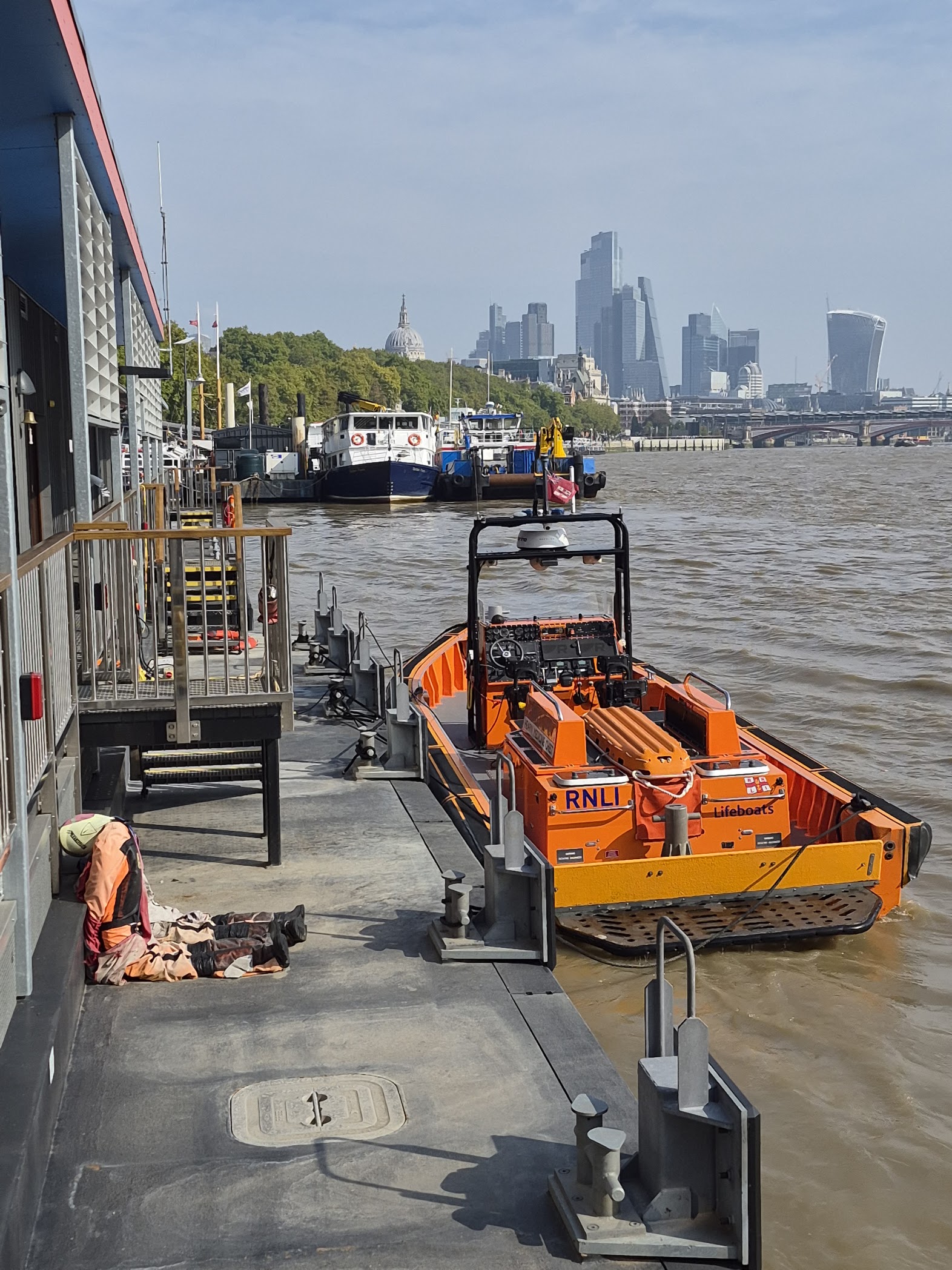
RNLI Embankment
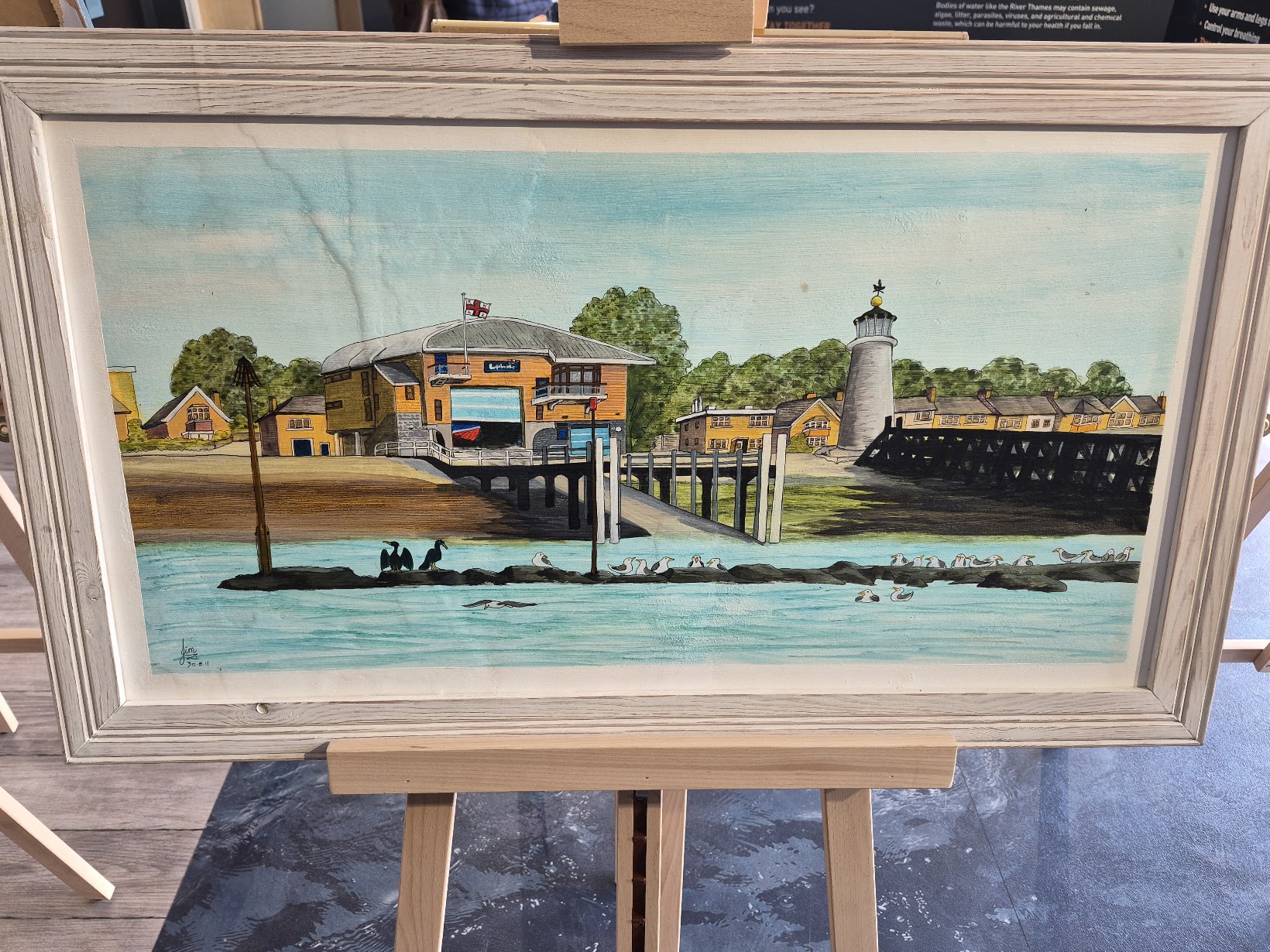
The station's history started after the tragic Marchioness disaster in 1989. Fifty-one died after the pleasure boat collided with a dredger. The RNLI established the Thames service in 2002, and the crew now cover 16 miles of the Thames.
The Embankment Station
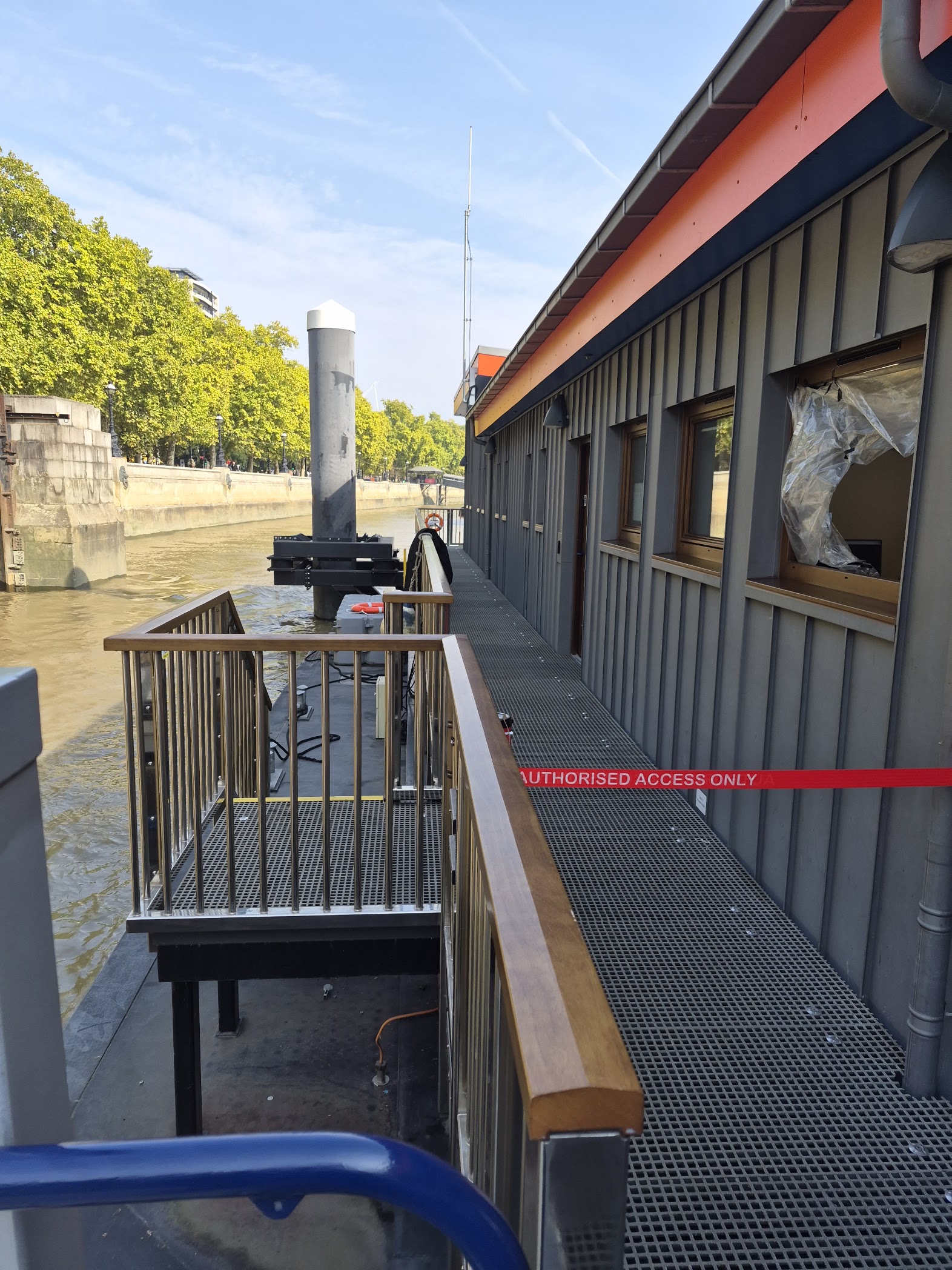
It's a floating station, and the old one had parts of its pontoon dating back to the Victorian era, when the Metropolitan Police used it.
The crew moved into the new purpose-built floating station at the end of April 2023. It’s literally afloat on the River Thames.
It was also the first station to reach 10,000 launches on
6 June 2023. By then it had saved 381 lives. The crew aims to launch within 90 seconds of a call from the Coastguard, using the fastest lifeboats in the RNLI fleet.
This fact impresses me most: there are 55 volunteer crew. They include people from everyday jobs, such as a communications consultant.
I’ve put together 10 Facts
Founded in 1824 - The RNLI began on 4 March 1824 at the City of London Tavern in Bishopsgate, thanks to Sir William Hillary. It started life as the National Institution for the Preservation of Life from Shipwreck, which is quite a mouthful, and became the RNLI in 1854. I'm glad they shortened it, as I'd have needed more than a ramp to fit that on a sign.
Inspired by Isle of Man shipwrecks - Hillary lived on the Isle of Man and saw plenty of wrecks whilst he was there. It clearly stayed with him, because in 1823 he published an appeal for a national, trained lifeboat service. I love that one person seeing something and deciding to do something about it led to all this.
Royal patronage from the start - King George IV gave his patronage early on, and the royal support has never stopped. King Charles III is the current Patron. Nice to know the crews have that behind them, especially after what I read in the press.
Over 146,000 lives saved - The RNLI has saved more than 146,000 lives around the UK and Ireland. That's a lot of people who got to go home. It's why I find it so sad that anyone would target them for doing what they do best.
Almost entirely volunteer-run - Most of the lifeboat crews are unpaid volunteers who are ready 24/7. The charity is funded mainly by public donations and legacies, not government money. While I waited outside, wondering whether the crew had been called out, I thought about how someone drops everything to go out on the water. That's real dedication.
Largest single rescue - In 1907, crews from Cadgwith, Coverack, the Lizard and Porthleven rescued 456 people from the liner Suevic. It's still the most people saved in one RNLI operation. I can't imagine how busy that day was. My bumpy Uber Boat rides on the Thames seem very tame by comparison.
Grace Darling's 1838 rescue - Grace Darling, a lighthouse keeper's daughter, rowed out with her father to save survivors of the wrecked steamship Forfarshire off the Farne Islands. They became national heroes, and I can see why. I'd have been the one waving from the shore.
First Gold Medal in 1824 - The first Gold Medal for gallantry was awarded in the year the RNLI was founded. Charles Fremantle won it for swimming out to a stranded Swedish brig off Christchurch. Swimming out to a ship is something I'm very happy to leave to the experts.
Modern fleet and stations - The RNLI now runs more than 400 lifeboats, both all-weather and inshore, from around 238 stations. They cover the coasts of the UK, Ireland, the Channel Islands and the Isle of Man, plus some inland waters. That's a lot of coastline to look after, and it makes me appreciate being able to travel along the Thames so peacefully.
Bicentenary in 2024 - The RNLI celebrated 200 years of service on 4 March 2024. As well as the lifeboat rescues, they also run a seasonal beach lifeguard service. Two hundred years is a brilliant milestone, and I'm so glad I got to see the Pop Up Museum, even if a few people thought I was filming for social media.
Parting Thoughts
I’m pleased to know that the RNLI have been around for 200 years. I pray they’re around for centuries to come. The work they do is incredible, and the volunteer crew are true heroes.
I also didn’t know the charity relies on public donations and legacy funds. Plus, they get no money from the Government either.
What I learned that afternoon will stay with me for a long time. I will look at the Floating Station with renewed respect and admiration.
Thank you for your attention.
Best wishes
Tabby
About the Creator
Tabby London
The London I've been discovering is usually off the well-beaten track.I love the nooks and crannies and walking along the streets steeped in centuries worth of history. I'm fond of Zone 1 because that's where it all began centuries ago.
Enjoyed the story? Support the Creator.
Subscribe for free to receive all their stories in your feed. You could also become a paid subscriber, letting them know you appreciate their work.
Comments
There are no comments for this story
Be the first to respond and start the conversation.