
I'm an Immigrant, not an Expat
Why do white Americans call themselves expats?



Migration is a natural phenomenon. Many animal species travel long distances for food, birth, and death. Humans are just one of these species.
While writing this article, I looked up the definitions of both of these terms, so let’s start our deconstruction there. As I assumed, an Immigrant is someone who moves to a foreign country to become a permanent resident. While an expat (fun fact: short for expatriate) continues to carry strong ties to their home country. In general, the term expat most closely relates to those who transfer jobs or travel for work.
Being an expat is a wonderful experience that can bring cultural insights to your life. It is an immense privilege.
Visiting and celebrating other cultures, even for a short period of time, can increase your empathy. Many expats learn beginner-level communication skills in their host country’s language. And make life-long international friends and business ties.
Immigration should be equally celebrated, if not more so. Deciding to leave your home to embrace a new life is one of the hardest challenges a human can face. Learning a new language, adapting to cultural quirks, and accepting that what feels natural to you might seem off-putting to others are no easy feats.
I immigrated to South Korea in 2017. I now consider this country my home. Foreign residents make up less than 5% of the population, and a large majority of those immigrants are still native Koreans who hold foreign passport statuses (Such as Korean-Americans).
I am an immigrant, not an expat. I hold a marriage visa and no longer work for any companies. And yet, I often meet other white Americans who have lived in Korea just as long as I have, who still insist on calling themselves expats. I feel this is strange. And I fear the insistence on using the term expat might come from a place of xenophobia or general fear of being considered an immigrant.
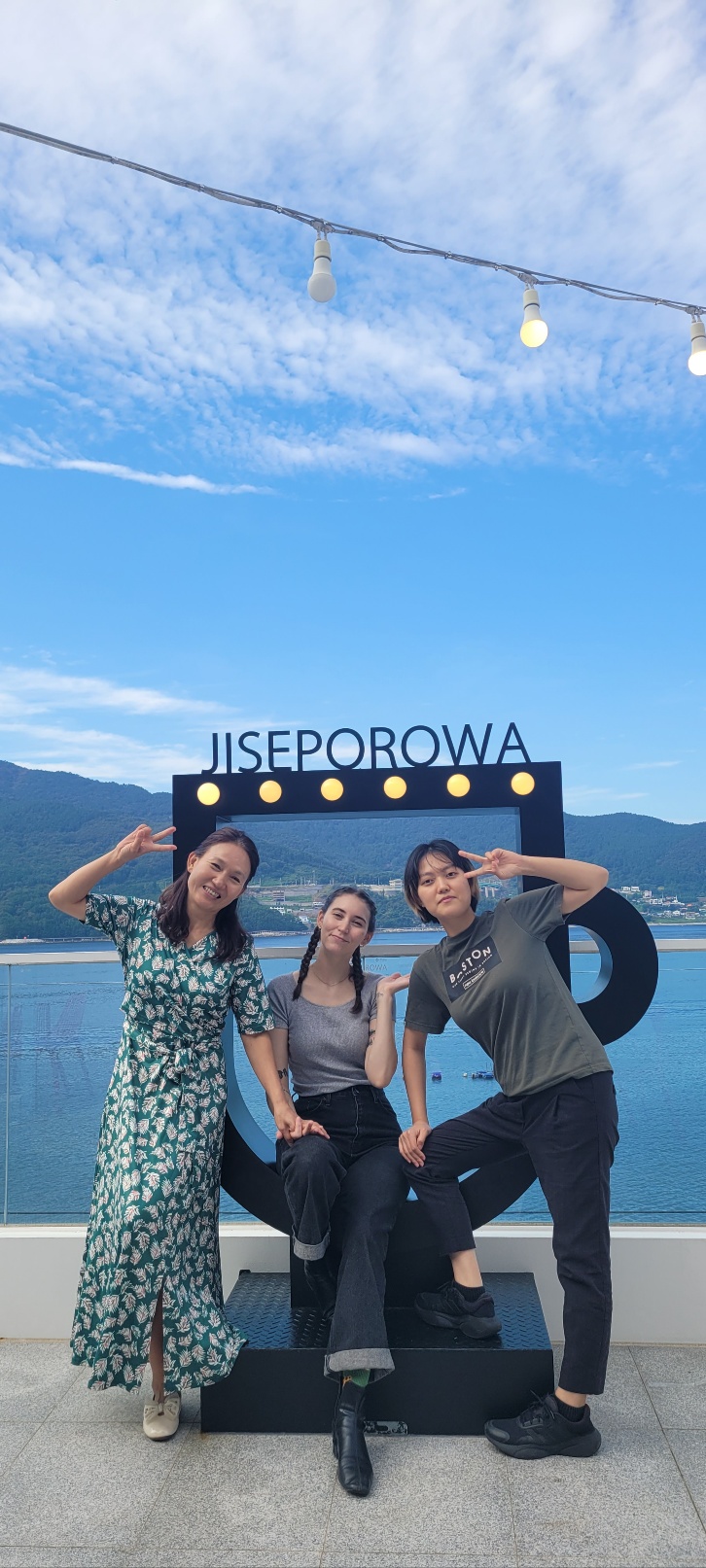
I’ve noticed some similar traits to these Americans who insist on referring to themselves as expats regardless of long-term visa status. The most glaring is the refusal to learn Korean. They get an intense attitude whenever they cannot get service in English. They also claim that the second language will not be ‘useful’ for their futures back home. (Though they have no plans on returning home any time soon.)
Another attitude of these self-proclaimed expats is their inability to connect to the new culture. To me, this is a wasted opportunity. They do not make Korean friends, and they hold prejudices against their Korean coworkers. I even once met a married man who bragged about his Korean wife being ‘submissive.’ Which was astonishingly sexist and racist. (They are divorced now! Thank goodness!)
My life in Korea is beautiful BECAUSE of the Korean people in it. Three of my very best friends are Korean women who have opened my eyes to a world of different perspectives. My husband is an emotionally intelligent Korean man who comes from a kind family who have made me feel like a part of their family.
If you’re going to be closed off to the people of the country you’re moving to, why move at all? Wouldn’t it be easier (and far cheaper) to just stay home?
Immigrants start a new life, one that often requires a loss of some cultural identity. It is a sacrifice to adapt to a new world.
Both immigrants and expats can experience hardships, including racism, homophobia, or religious discrimination. Many people who live far from their home country report feelings of loneliness and homesickness.
What troubles me about the differentiation between the terms is that it has been clear during my nine years in South Korea that only white Americans broadly usw this term to describe themselves.
Even though, as I mentioned at the beginning of the article, an Expat is supposed to refer to a short-term resident of a new country, I have never heard a European or African person refer to themselves as expats.
I had an inclination that the reason Americans preferred calling themselves expats, even after living abroad for years, is that the term immigrant leaves a bitter taste in their mouths. I suspect that this is a form of Xenophobia that travels with us as we circle the globe.
I have no intention of returning to the U.S. Yet, so many other foreigners and Koreans refer to me as an expat. This has got me thinking about how our inner prejudices surface. Why are Americans in South Korea so against being seen as immigrants, even when they have lived here for years?
So, this leads me to believe it is something set in our American culture that is encouraging people to NOT consider themselves as immigrants.

I decided to interview a few acquaintances in order to get a better scope of opinion. I talked to my writing group, former coworkers, and international friends. What I noticed was a common misunderstanding between the two terms.
“All Americans abroad are expats, aren’t they?” One woman asked.
“All Americans return home, even when they think they’re going to live abroad forever,” an older man said.
“I feel weird calling myself an Immigrant….I don’t know. I just don’t feel like one.” My ex-coworker said after much thought.
“I guess I never thought about it. I’ve only ever used the word expat,” my friend offered.
When I asked Korean people about the term expat, many held the belief that foreigners wouldn’t stay in Korea their whole lives, so they could not be immigrants. While others said expats were immigrants, regardless of what they preferred to be called.
After talking to people, I realized a lot of the usage is simply a lack of understanding of the terms.
I am constantly shown videos “for Expats in Korea.” These videos are usually advertisements for mail-in voter ballots or predatory third-party tax filing services. (Yes, I have to pay American and Korean taxes~ ugh.) Perhaps always seeing and hearing these terms thrown in their direction makes Americans more comfortable with the term Expat.
Immigration is about the move itself, not the time spent in places that aren’t your homeland. Many immigrants return to their homeland at some point. But that does not diminish the time spent abroad.
I refer to myself as an immigrant because the word “expat” feels disingenuous, like I’m only passing through.
I have made a life in Seongnam, and see a clear future here with my husband and our potential children. Perhaps one day we will move elsewhere and become immigrants once again. That would be a great privilege.
Migration is natural, and humans are simple creatures. Though some expats may not be using the word to intentionally cause a divide, I don’t think the term expat serves us in creating a more open and curious world.
So, when people ask about me, I proudly add immigrant to the long list of adjectives that decorate my person.
About the Creator
Enjoyed the story? Support the Creator.
Subscribe for free to receive all their stories in your feed. You could also become a paid subscriber, letting them know you appreciate their work.
Comments
There are no comments for this story
Be the first to respond and start the conversation.