
For Four Hours, America’s Sky Stopped Moving
At 3:53 p.m. on Nov. 13, the FAA grounded every departing flight in the country. The cause was not a cyberattack. It was routers, switches, a software update, and equipment older than most passengers’ parents.
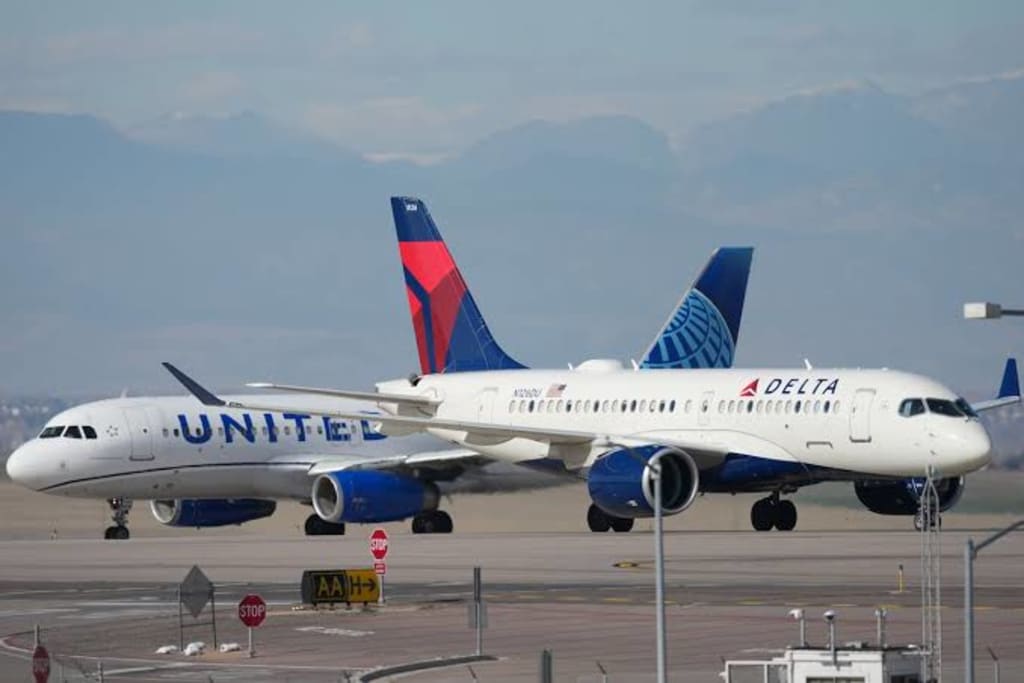
At 3:53 p.m. Eastern Time on Nov. 13, the Federal Aviation Administration issued an order. All departing flights would stay on the ground until further notice. Inbound international flights would be handled one by one.
The rule was simple. Planes already in the air could keep flying and land. Planes on the ground could not take off.
At airport gates, passengers heard the same phrase: wait for further notice. On taxiways, planes lined up with engines running and did not move. Airline dispatch screens turned red, flight by flight. No one knew how long “further notice” would last.
More than four hours later, the FAA lifted the ground stop. A notice from the FAA Air Traffic Control System Command Center said the nationwide order was canceled at 1:19 a.m. Nov. 14 UTC. It covered all destination airports and related facilities. The sky reopened. The FAA also warned that widespread cancellations and delays would continue for two days.
This was the second nationwide grounding since the Sept. 11, 2001, attacks. If you count the nearly two-hour grounding in January 2023 caused by a NOTAM system failure, it was the third in U.S. history. Three groundings, three causes. This time the cause was not hijackers. The likely cause was routers, switches, a software update, and a system that has run for more than 55 years.
The cause was not a cyberattack
After the order, the first suspicion was a cyberattack. Few things can knock out air traffic control communications across the whole country at once.
The FBI gave a preliminary finding: the communications failure was not caused by a cyberattack or criminal activity. Investigators focused on whether a software update triggered it.
Trump spoke about it. “This doesn’t look like a cyberattack or artificial intelligence or anything like that,” he said. “No one has come forward to claim it. If someone had really launched such a large-scale cyberattack on critical infrastructure, usually someone would come forward to claim it.” He said authorities checked for a cyberattack and found no signs.
The failure chain became clearer. U.S. media reported that the dedicated communications network for air traffic control restarted during an update and then crashed. The system is operated by L3Harris. Transportation Secretary Duffy said all 22 FAA regional air traffic control centers were affected. Other reports said routers and switches suffered data inconsistency from data overload, which forced the FAA to shut the system down.
One detail matters. The FAA did not wait for total system failure. It stopped flights after the communications failure reached multiple regional control centers. The ground stop was part of the safety response. It kept flights from taking off while communications were unreliable. It also showed how fragile the system is.
The older equipment made the failure worse. Trump blamed “a lot of old, broken stuff,” some of it in service for more than 55 years. The FAA said the failure mainly hit old analog systems. New digital equipment worked during the incident. The update did not hand off cleanly to the old system. It failed at the connection point.
Microsoft said its services were not involved. A CNN aviation expert noted that the FAA had announced a new AI air traffic tool called SMART the same day, then the communications network failed. The expert said the new software may not have been compatible with decades-old systems. Duffy said SMART was not connected to the affected system and “could not possibly” have caused the failure. The company behind the tool said the same. Public information does not support the claim that AI caused the outage. The more accurate account is simpler: a communications network update failed on aging infrastructure.
Four hours on the ground, more than 10,000 flights disrupted
The ground stop lasted about four hours. The disruption lasted longer.
FlightAware data showed that by 6:16 p.m. local time on Nov. 13, 10,494 flights were delayed and 3,396 were canceled in the United States. About 13,900 flights were affected. Another report, citing FlightAware, said nearly 7,000 flights were delayed or canceled because of the order. The counts differ by scope and timing. They point to the same result: disruption measured in tens of thousands of flights.
Passengers faced rebooking, stranded nights, and rearranged trips. Delays meant missed connections, meetings, weddings, family visits, and medical appointments. Air travel is a network. A blockage at one hub spreads across the country. After the order lifted, planes and crews still had to be repositioned. Delays continued.
Airlines had to rebuild schedules. Aircraft turnaround broke down. Crew duty time became a constraint. Cargo flights were affected. Weekend sports travel, business travel, and tourism were affected. The FAA warned of more cancellations and delays over the next two days. Recovery was not a switch. The system had to mesh again.
International flights were handled case by case. Outbound flights were suspended. Transoceanic schedules, crew connections, and airport support were all affected. For international passengers, unclear information was sometimes worse than the delay.
Public confidence took a hit. A nationwide grounding is rare. People link it to an attack. The FBI ruled out cyberattack and criminal activity. The sight of every departing flight stopped was enough to raise questions about the reliability of the systems behind air travel.
Three groundings, three causes, one old system
The last nationwide grounding was in January 2023. The FAA’s NOTAM system, which sends safety notices to pilots and dispatchers, failed. Domestic flights stopped for nearly two hours. Before that was the nationwide grounding after 9/11.
The three events had different triggers. In 2001, hijackers. In 2023, a notice system. This time, a communications network crashed during an update and affected 22 regional control centers. The triggers differed. The underlying question did not: when new technology is layered onto an old system, where does it break?
Duffy has asked Congress for $50 billion to rebuild the “extremely old” air traffic control system. He said it “must be a complete overhaul.” Whether Congress approves the money is open. The direction is not: patch updates cannot keep the system running indefinitely.
The sky reopened. The runway problems stayed.
After the order lifted, the first flight taxied out. Screens in the tower lit up again. Airport announcements returned to normal. Passengers moved. News coverage will fade. Flights will recover. Passengers will arrive.
The same system is still in place. The next update is still scheduled. Routers and switches are still in the racks. Some equipment has run for more than 55 years. Was the update window set for low-traffic hours? Does redundancy share the same underlying equipment? Where is the rollback plan? Who is responsible when a contractor’s update fails? Will the $50 billion request become an actual budget? The ground stop ended. Those questions did not.
About the Creator
Jin
Writer of reamstories
https://reamstories.com/jin
Enjoyed the story? Support the Creator.
Subscribe for free to receive all their stories in your feed. You could also become a paid subscriber, letting them know you appreciate their work.
Comments
There are no comments for this story
Be the first to respond and start the conversation.