
Britain’s Smallest Royal Palace in Kew Gardens
Kew Palace Visit
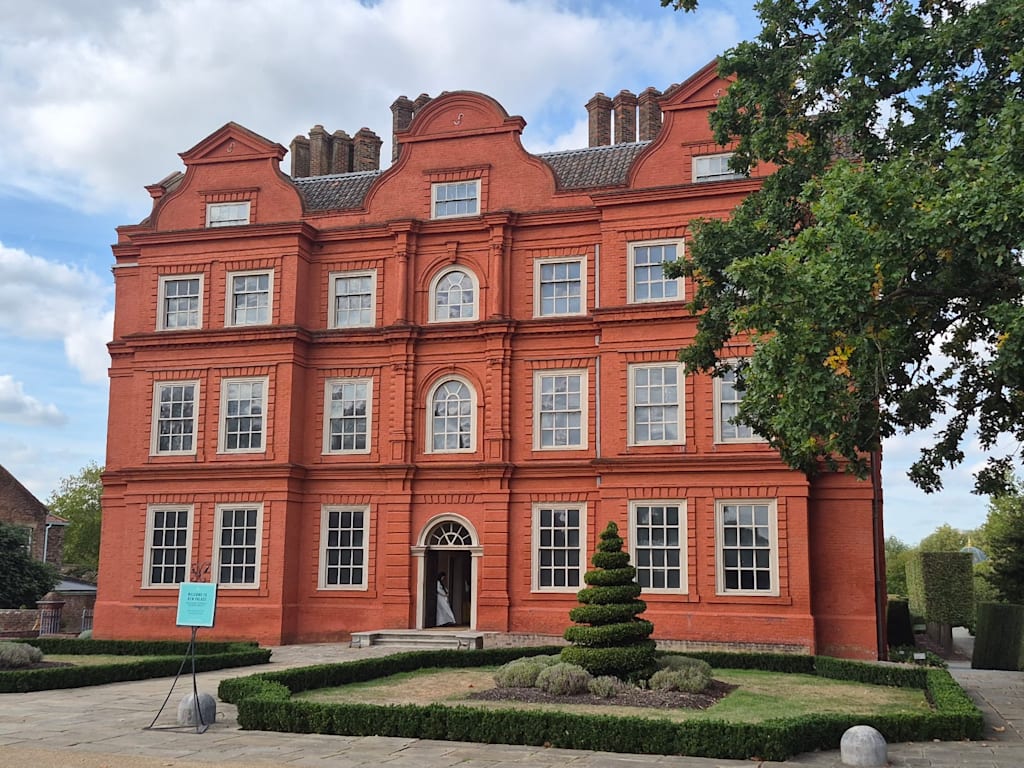
I finally managed to go to Kew Palace inside Kew Gardens this week. I’m glad I saw it before it closes at the end of September.
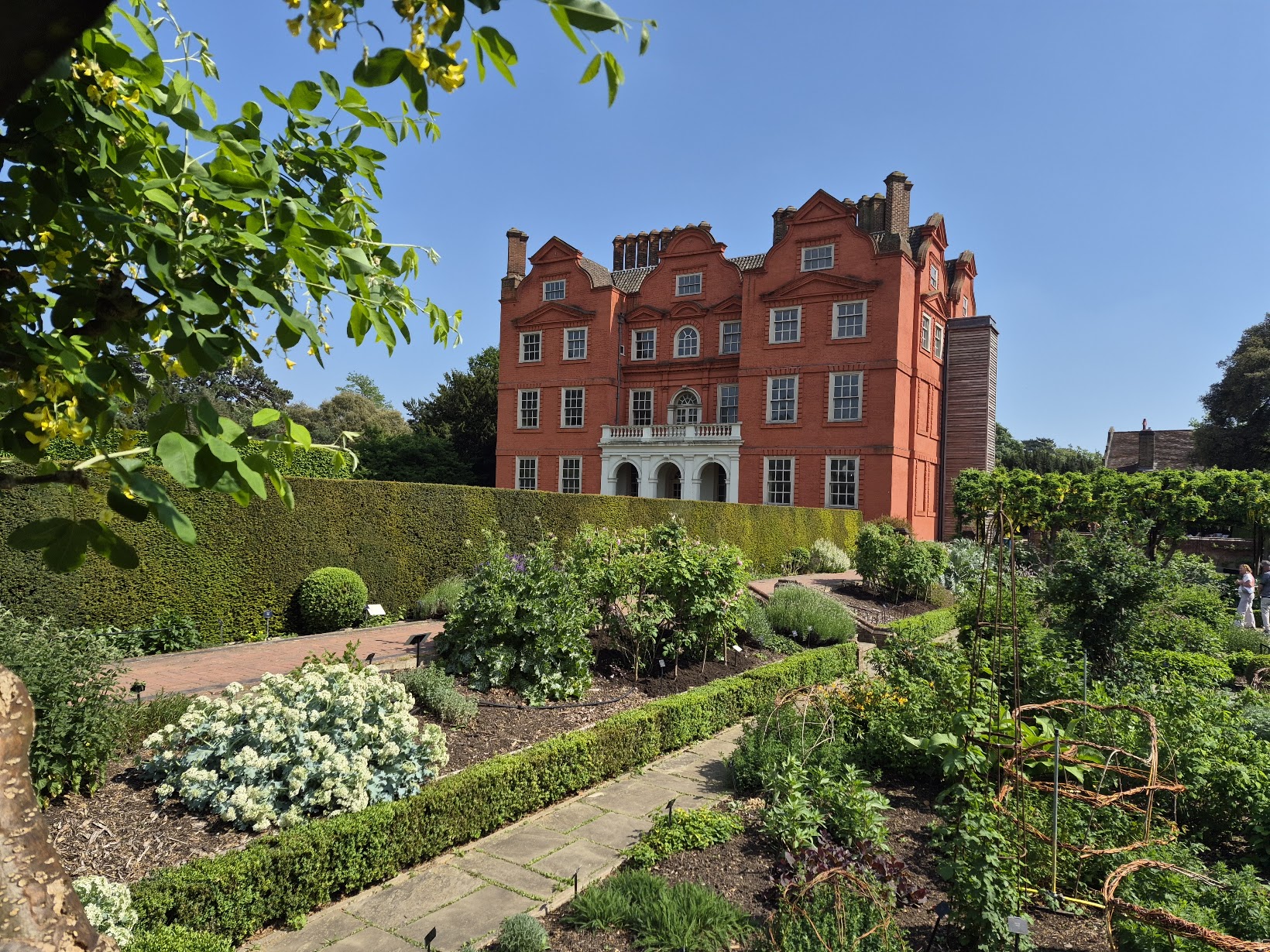
It’s a cute little palace, and one would never know that it was. It looks more like a grand home, which it once was.
It belonged to a silk merchant called Samuel Fortrey, who built it in 1631 because he desired a riverside house.
Even Syon House, which is near Kew Gardens, is bigger than Kew Palace. Unsurprisingly, it’s known as the smallest palace of them all.
History
In 1697, Sir Richard Levett bought it; he was a wealthy merchant and later became Lord Mayor of London. It remained in the Levett family for several generations.
Queen Charlotte (wife of King George II) took a lease on the property in 1728. She wanted a suitable extra house near Richmond Lodge for her three eldest daughters.
The royals leased it for decades, and it became Crown Property in 1781 when George III bought the freehold from the Levett family for £20,000.
Visit To the Palace
As a member, I go to Kew Gardens often and usually stay clear away from the crowds. So this time, instead of going left from the Victoria Gate entrance, I went right.
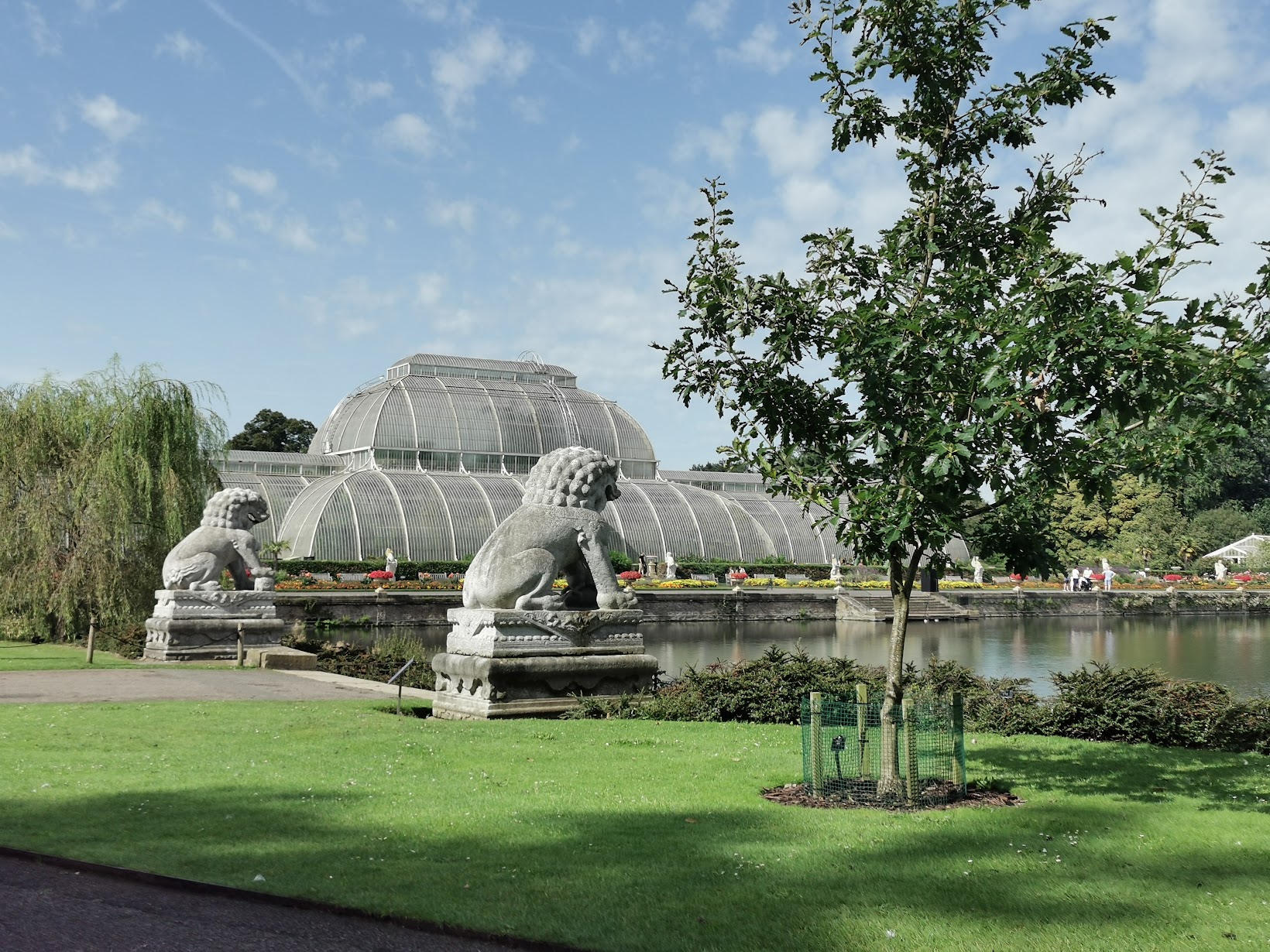
I walked past the beautiful Palm House, admired the Dahlias and autumn garden (just outside the Palm House), and continued along the manicured Boulevard to the end.
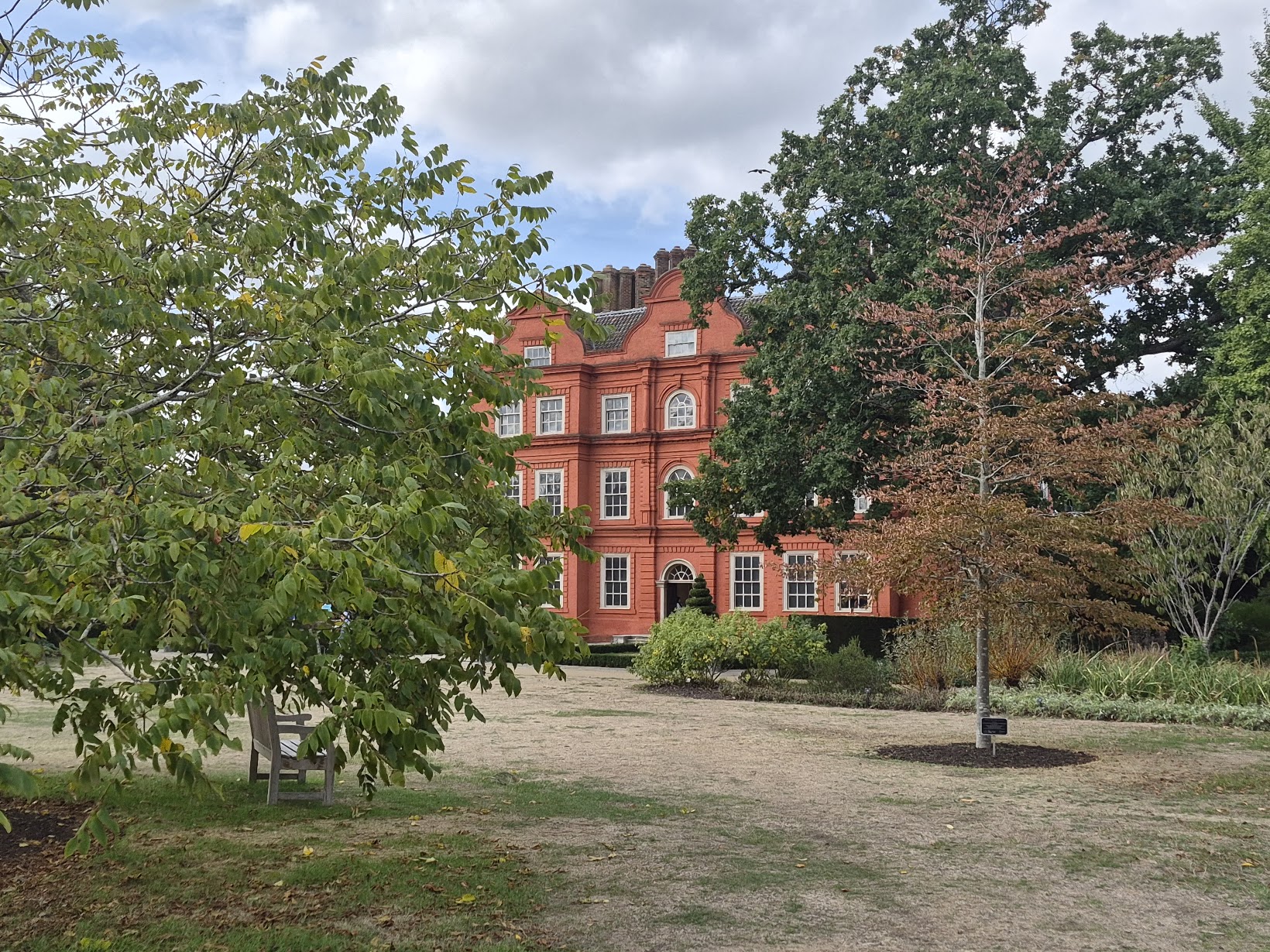
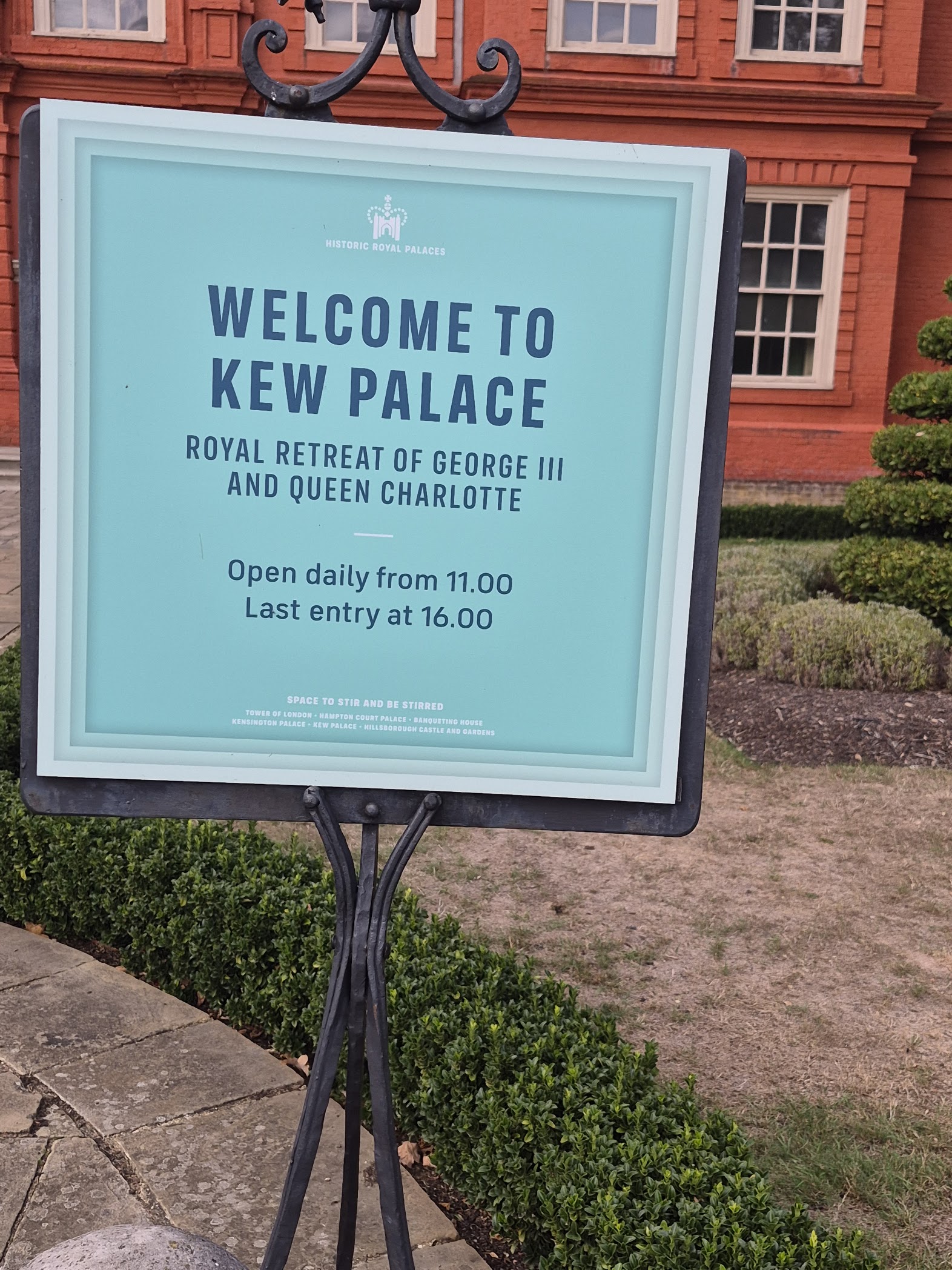
You can’t miss Kew Palace as you reach the end of the Boulevard, because it stands out due to its distinctive Flemish bond brickwork. Initially, it was called the Dutch House because of this distinctive feature,
I was warmly welcomed by a staff member dressed in period costume to add a bit of extra charm. Thankfully, it was relatively quiet, unlike weekends when queues can form.
For some reason, only two floors were open to the public when I visited. That was fine by me, since I was pressed for time.
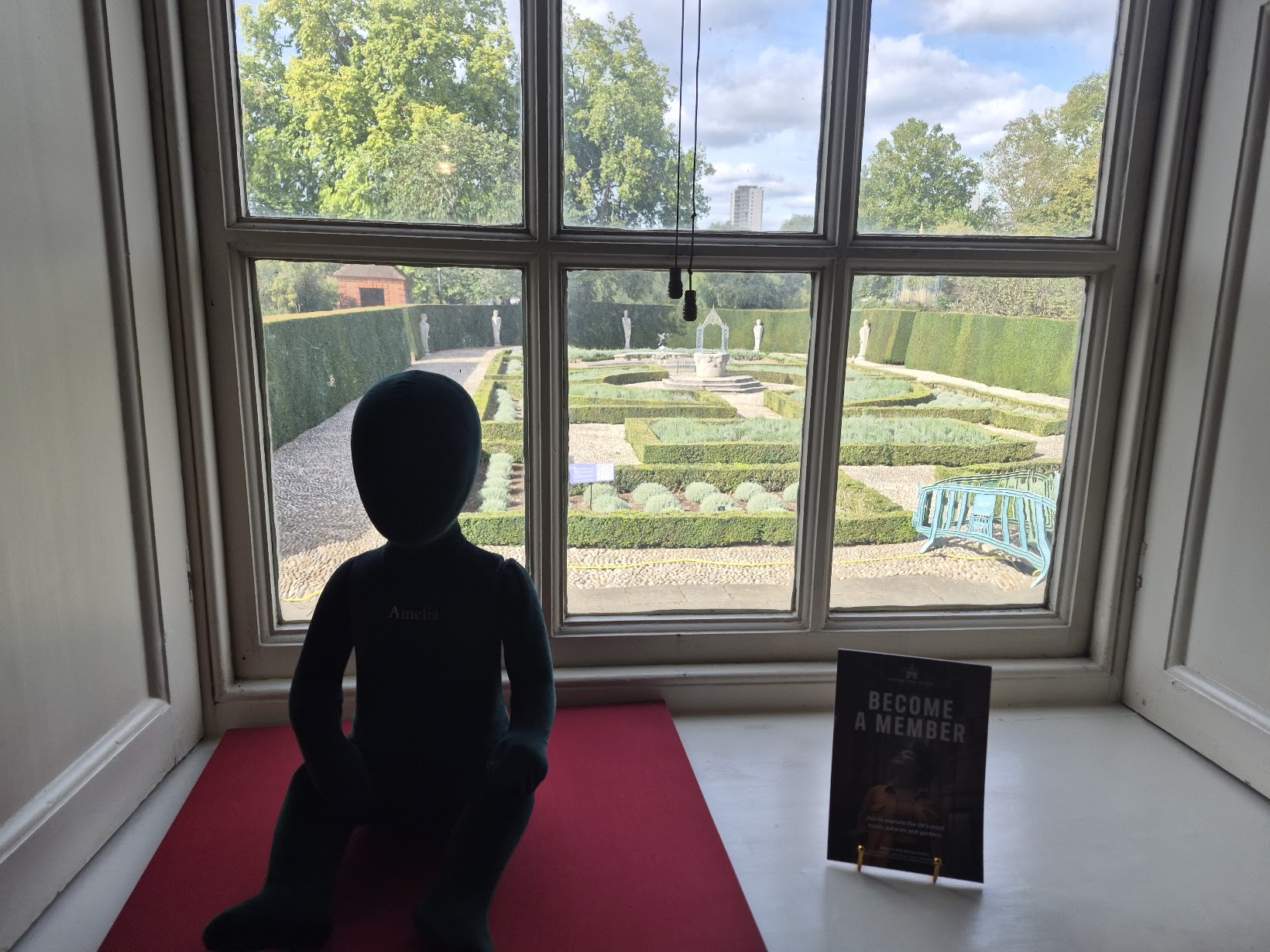
I'd visited the gardens before, so I skipped them this time. I stayed for 20 minutes, but I'd advise an hour-plus to combine the gardens.
The Rooms
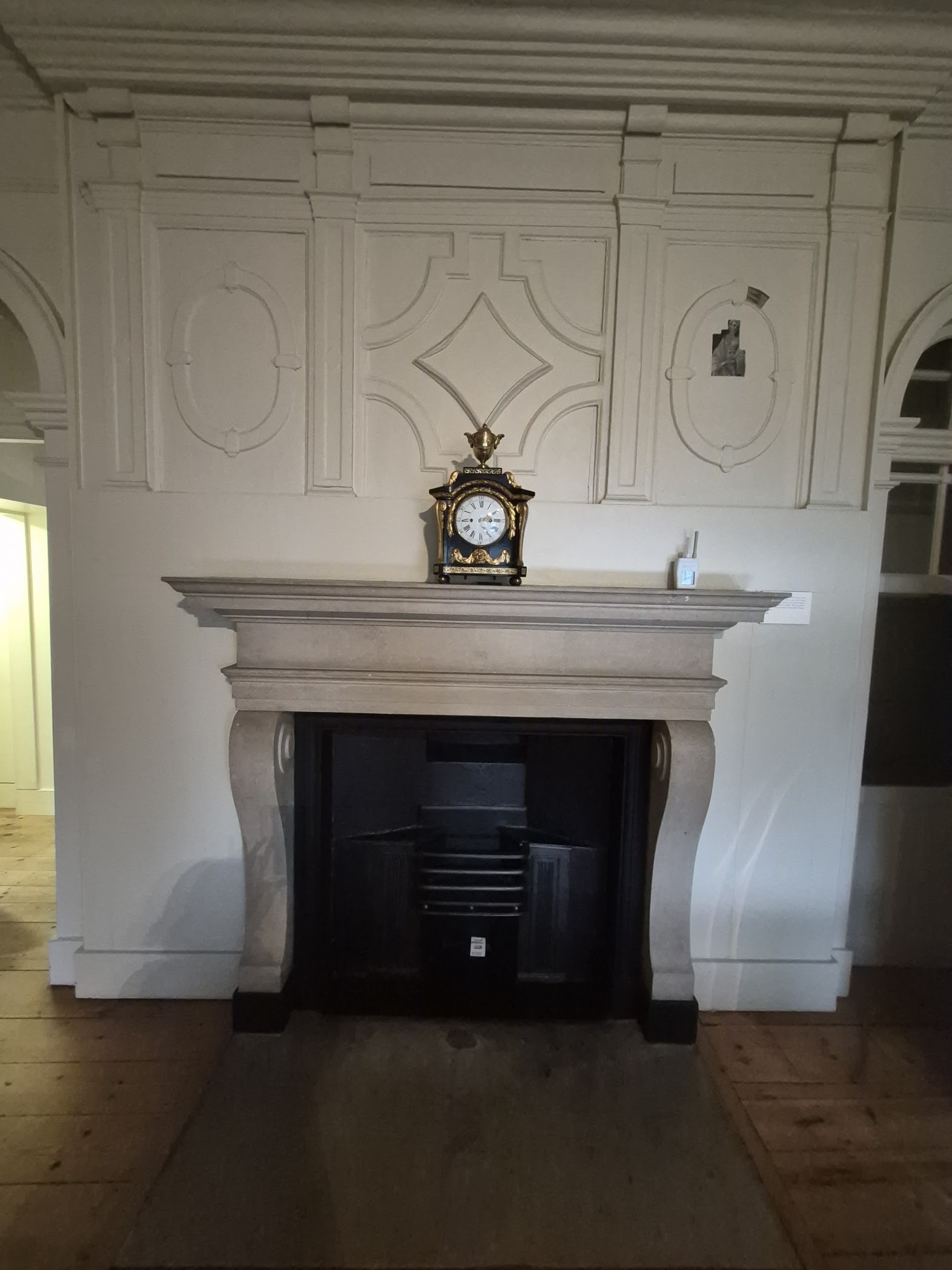
I started on the ground floor and worked my way around, guided by the route instructions. What struck me was how small the rooms were.
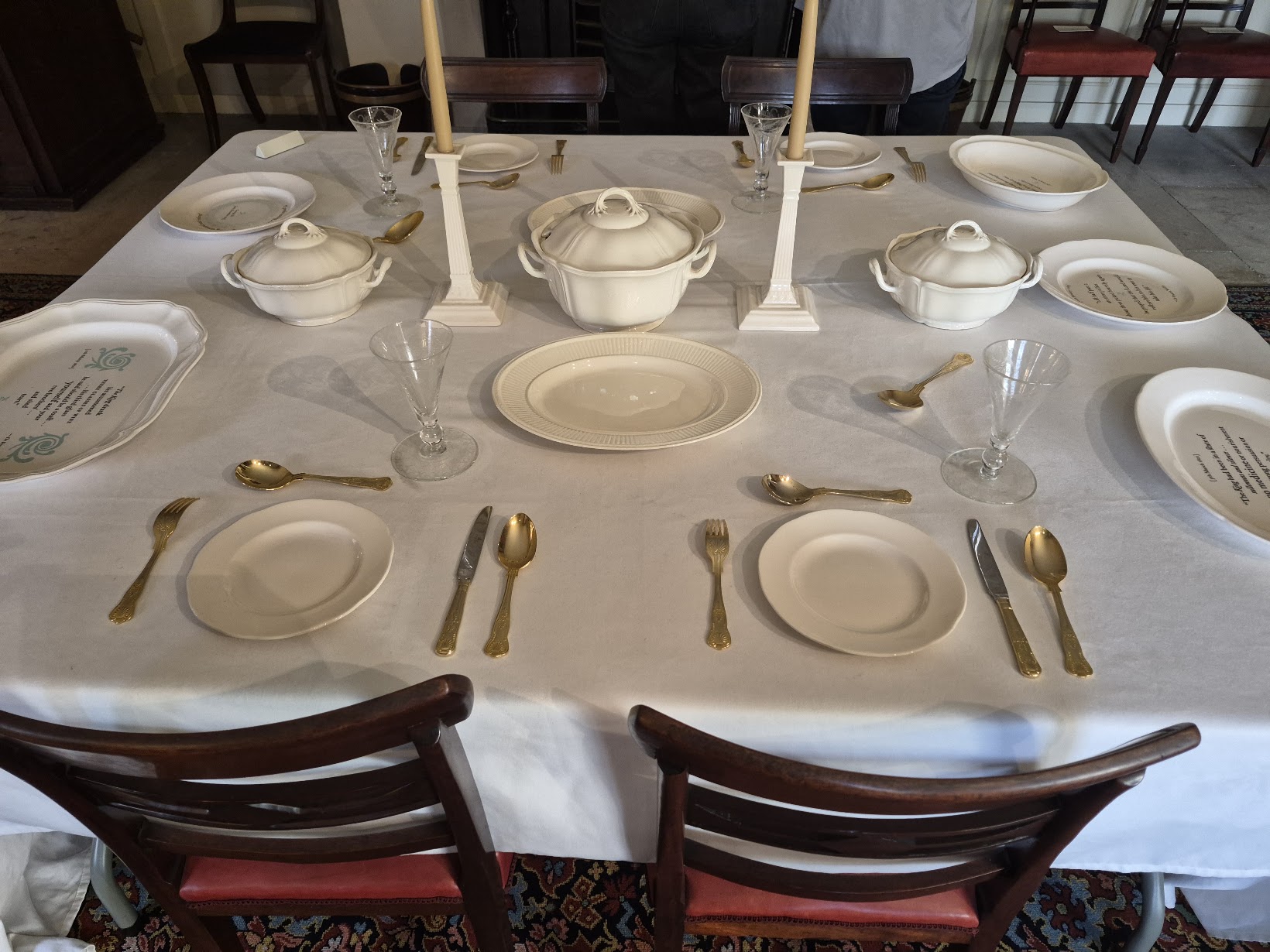
As I made my way around, I got a feel for how the Palace was a bustling home, considering King George III and Queen Charlotte had 15 children.
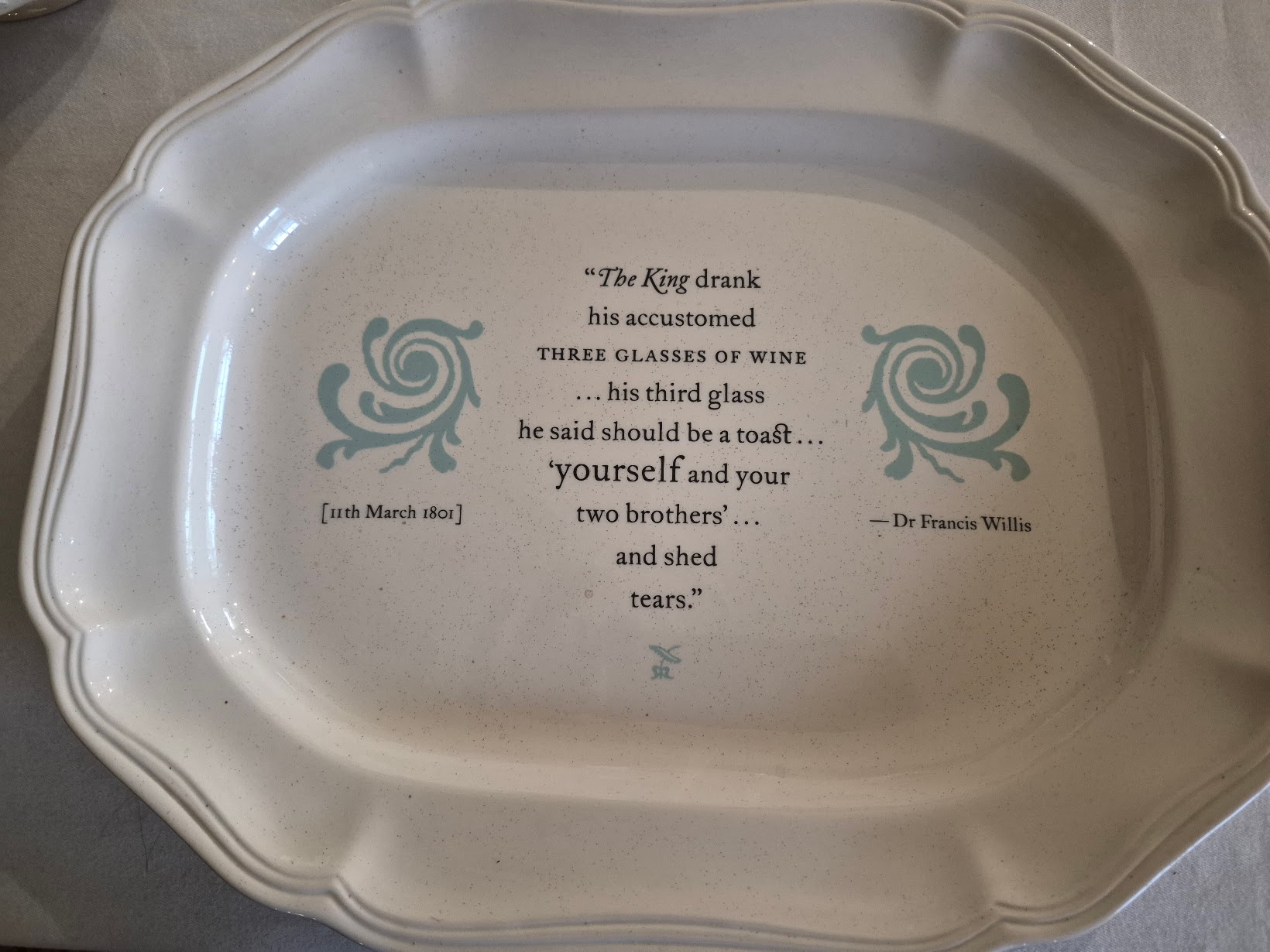
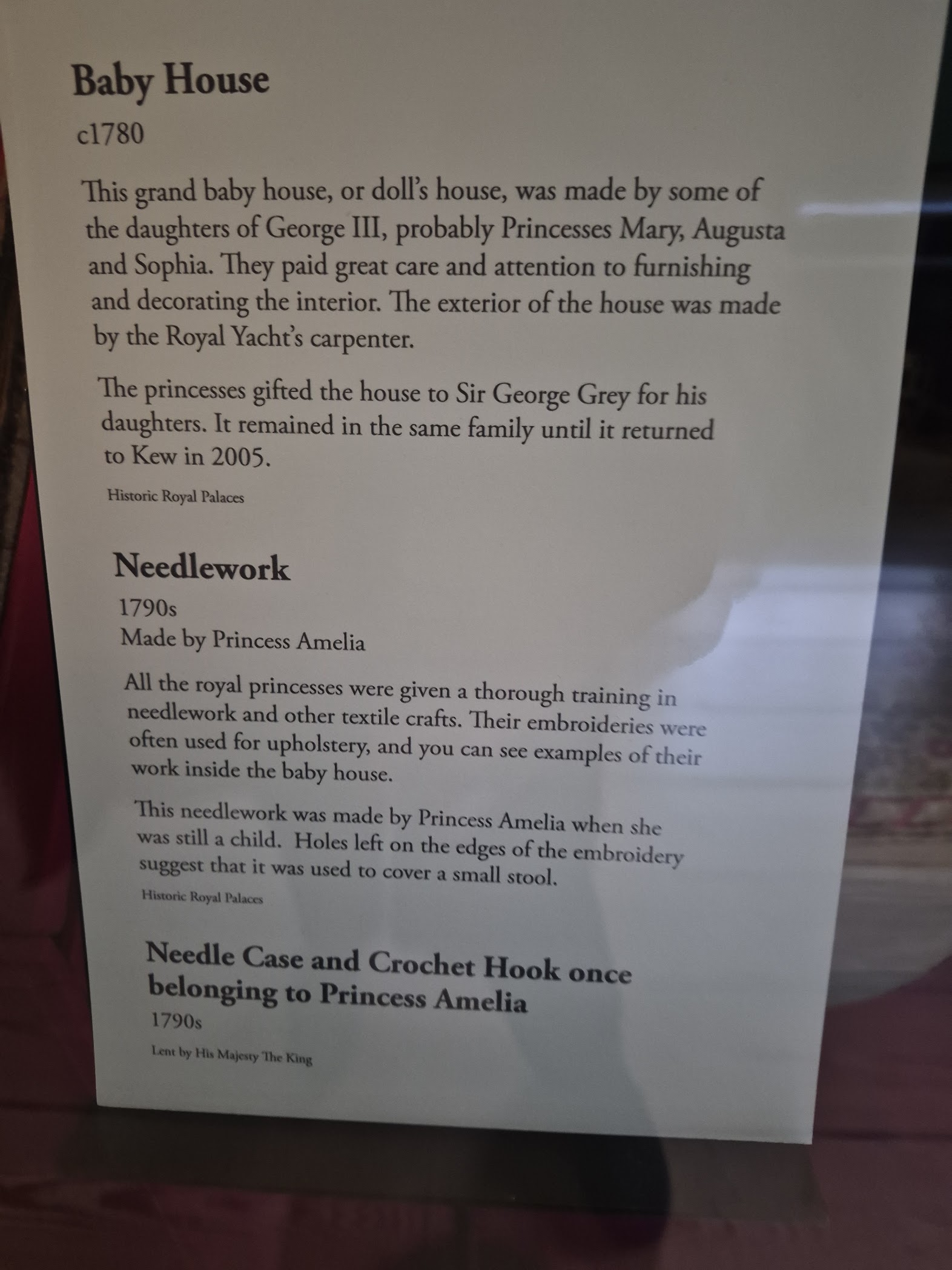
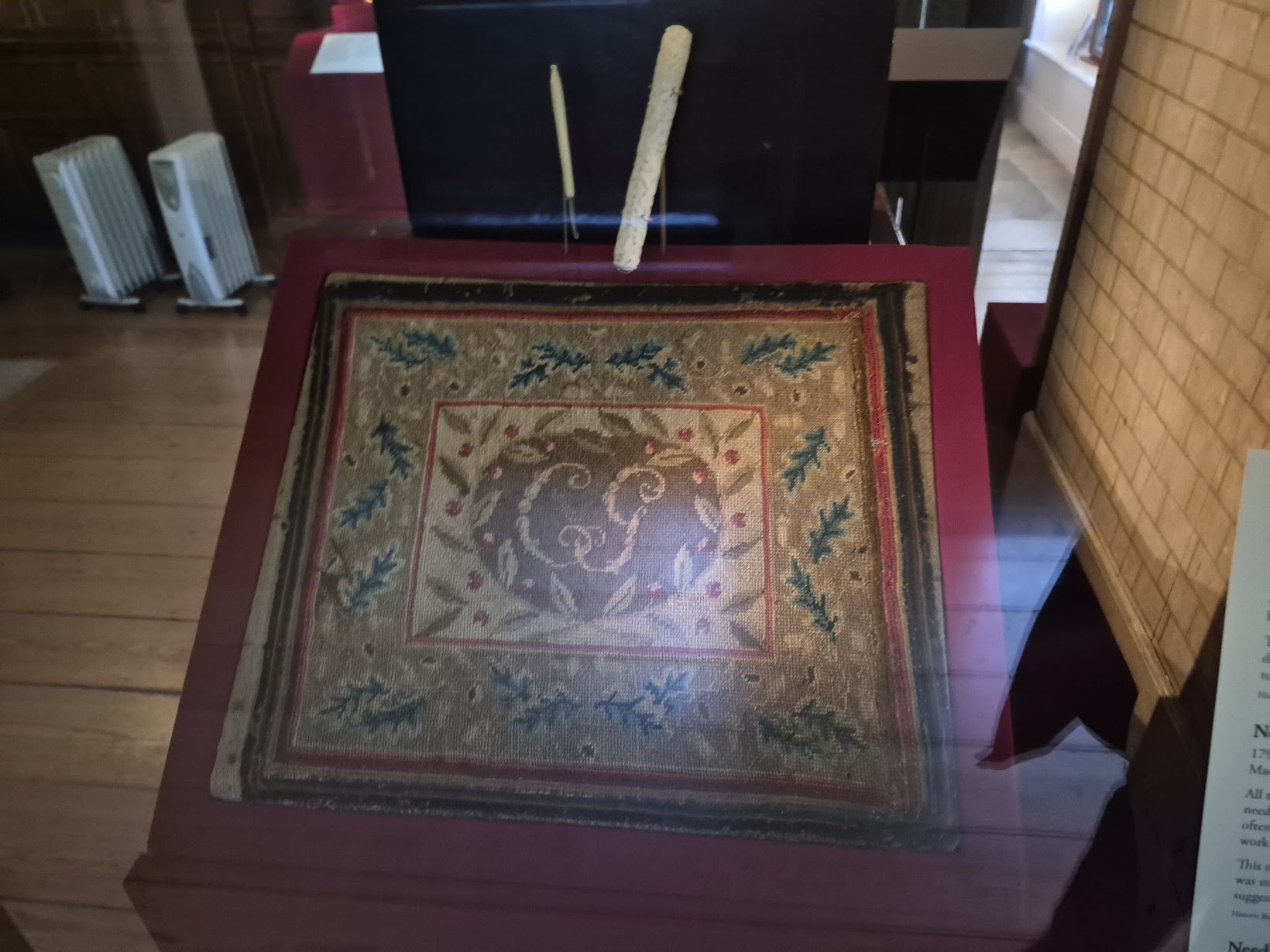
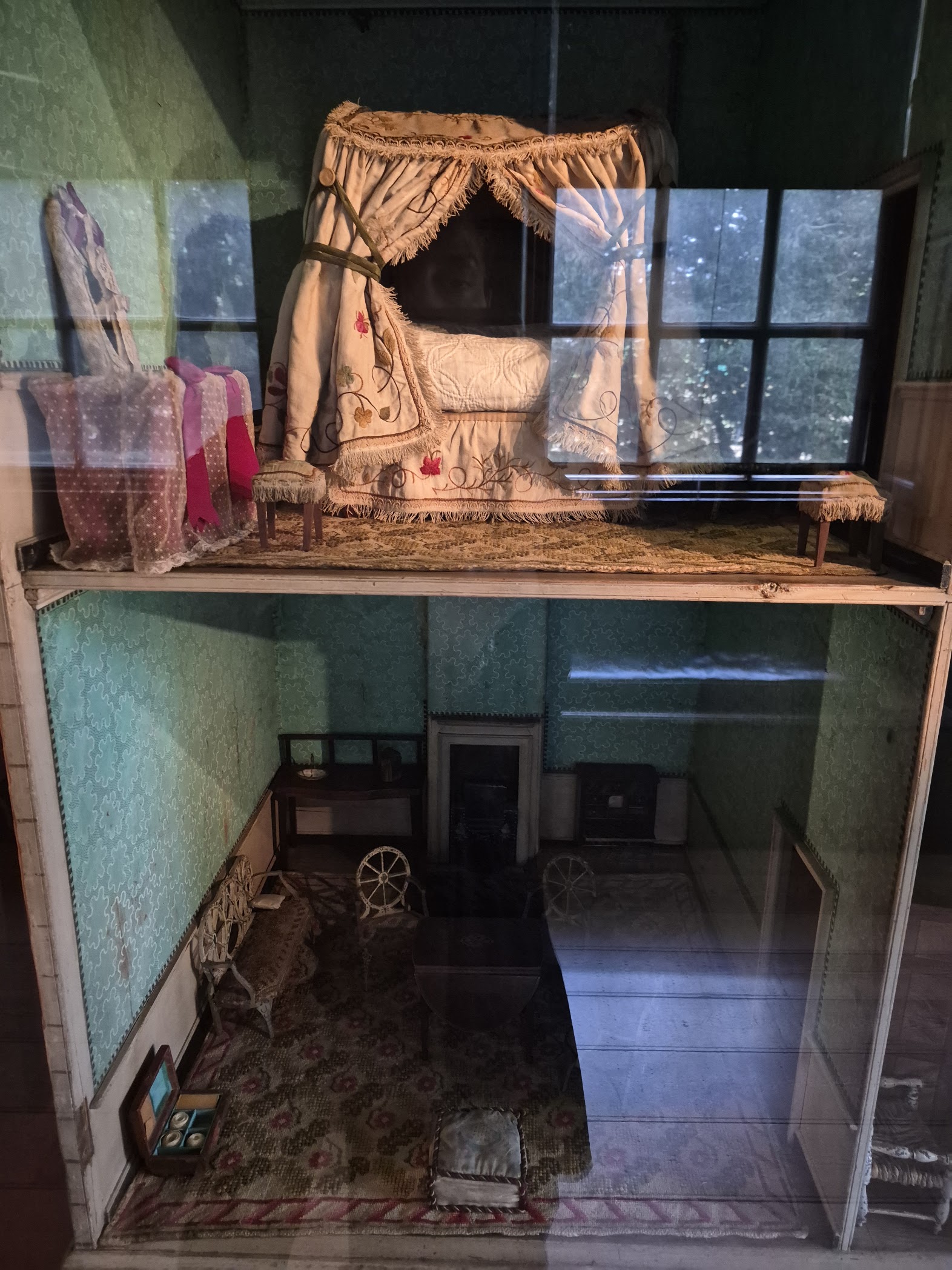
I particularly liked that the dining room and the Queen’s drawing room were airy and spacious. I also liked the dollhouse and the needlework on display. The Princesses were resourceful and talented.
Printed Cartoons
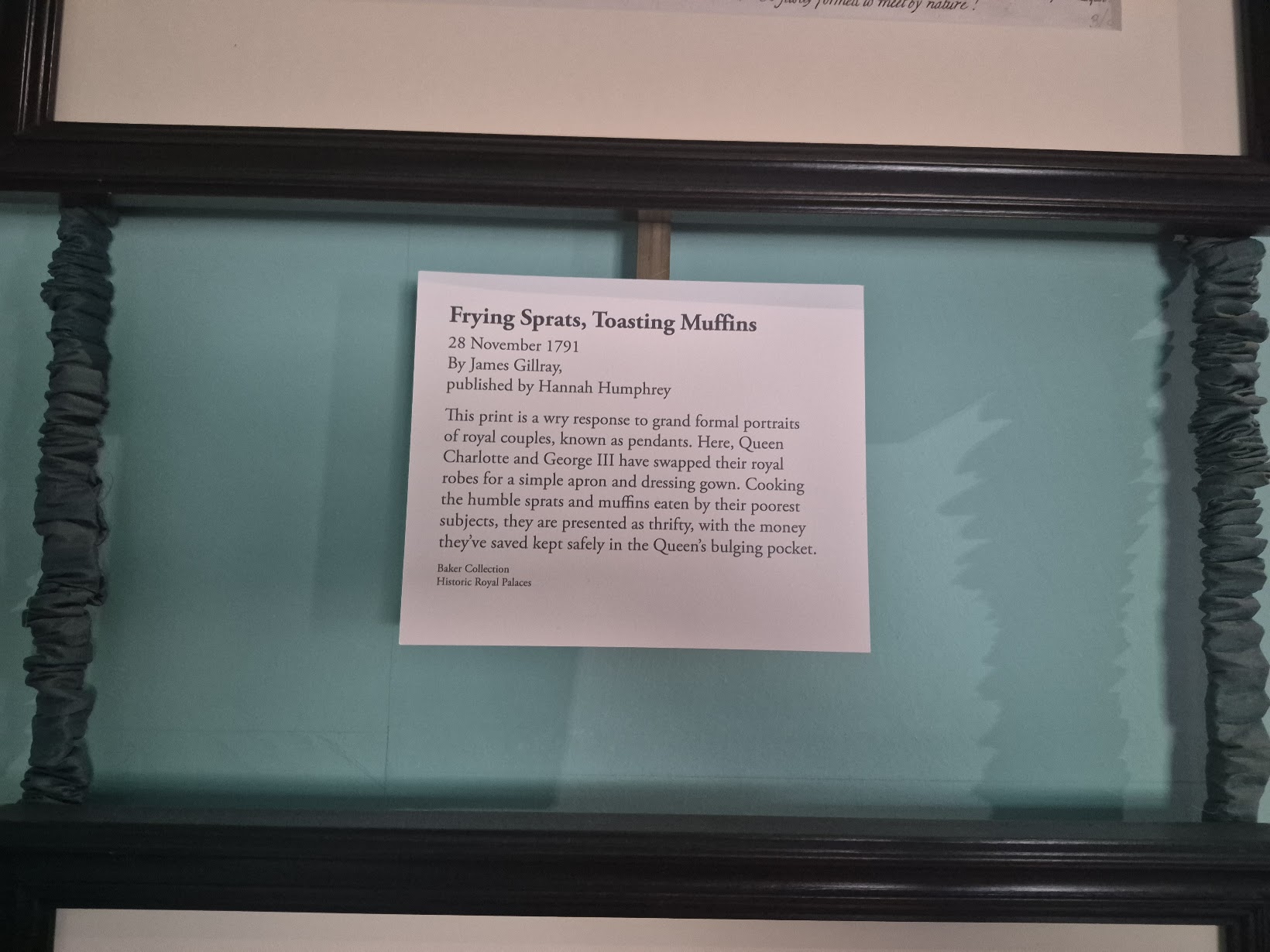
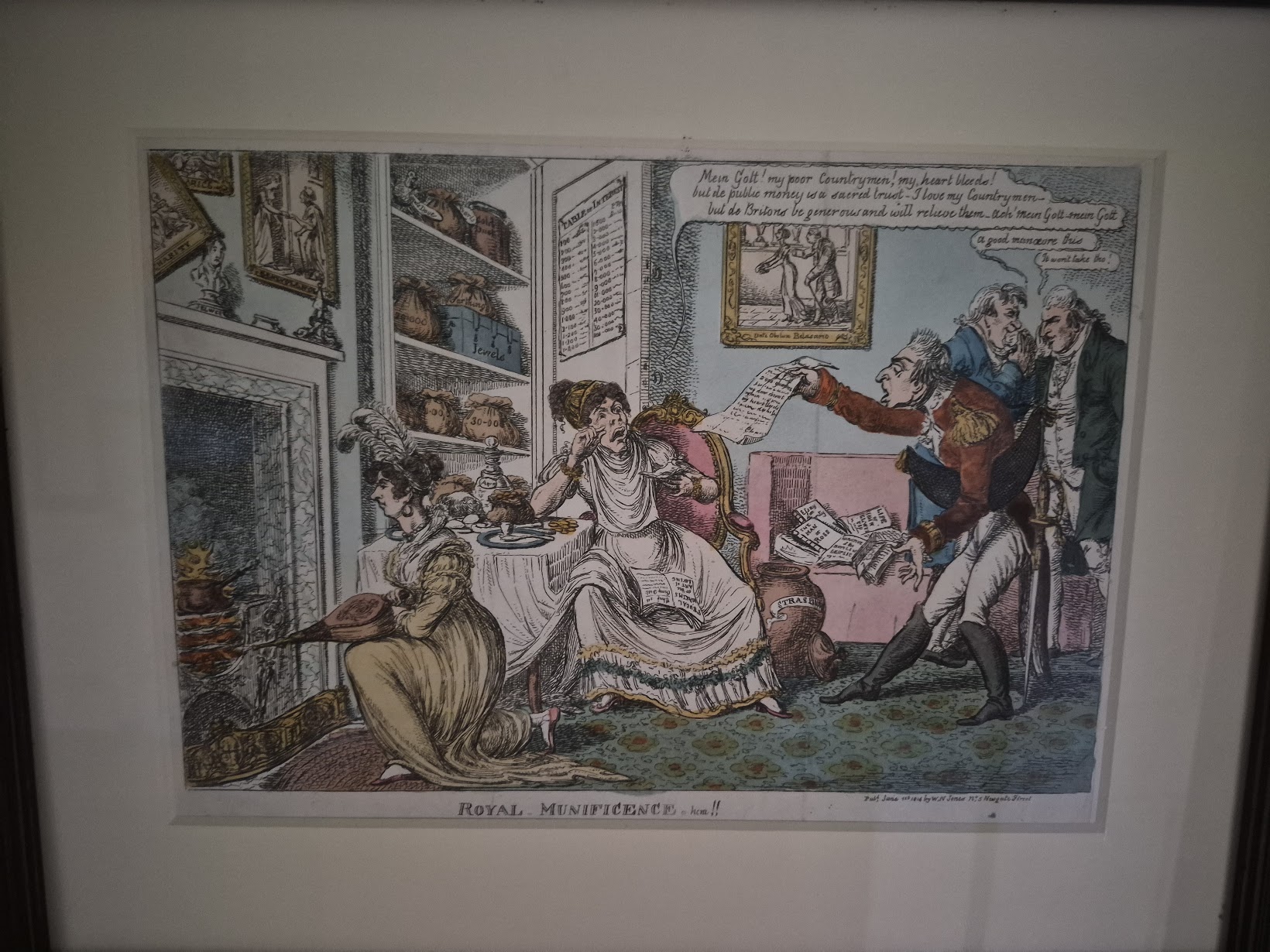
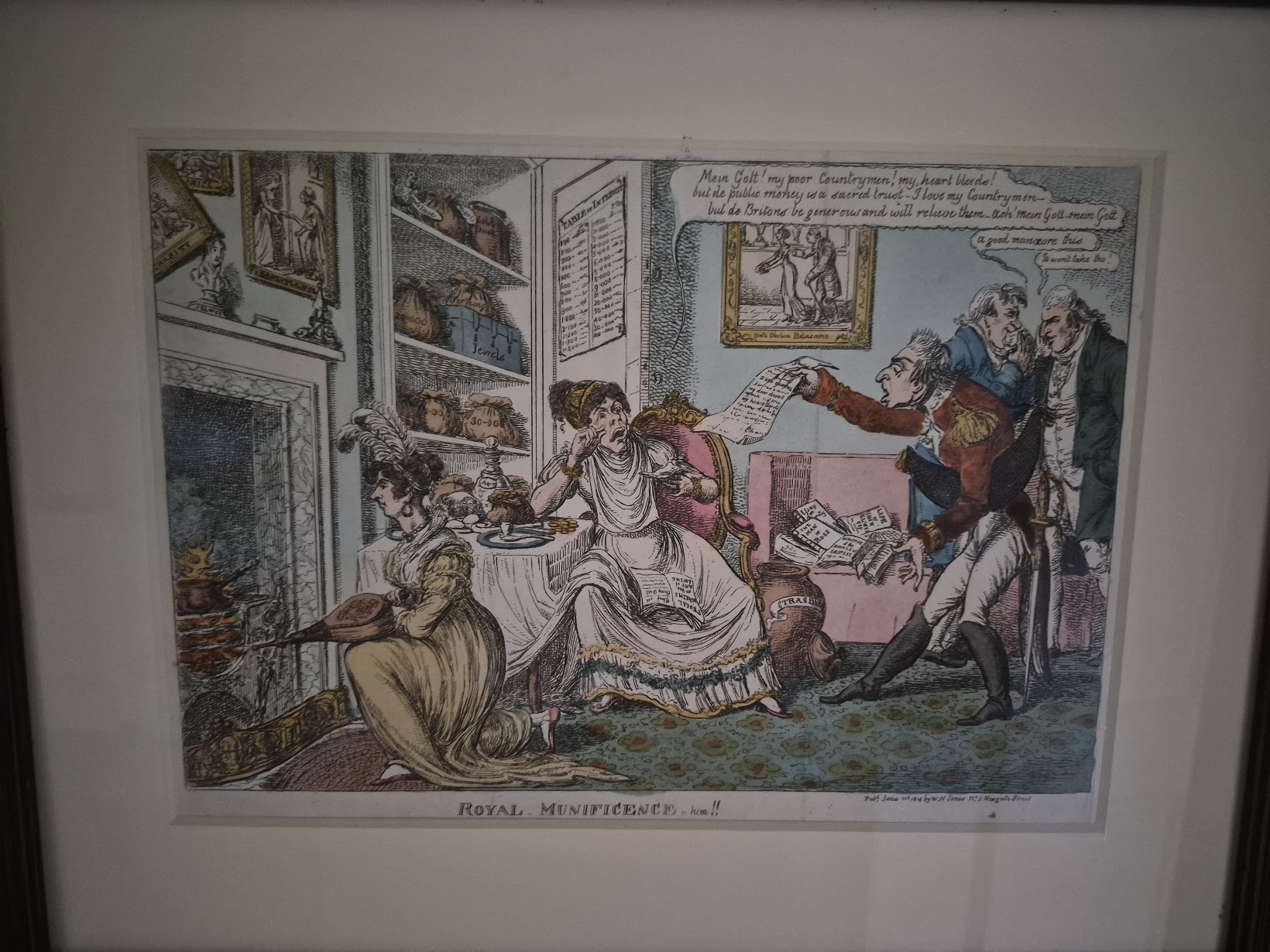
Some things never change much over the centuries when it comes to the Press and Royalty. In the 18th Century, the King and Queen faced the press's wrath in the form of cartoons. They are on display in a separate closet-like room.
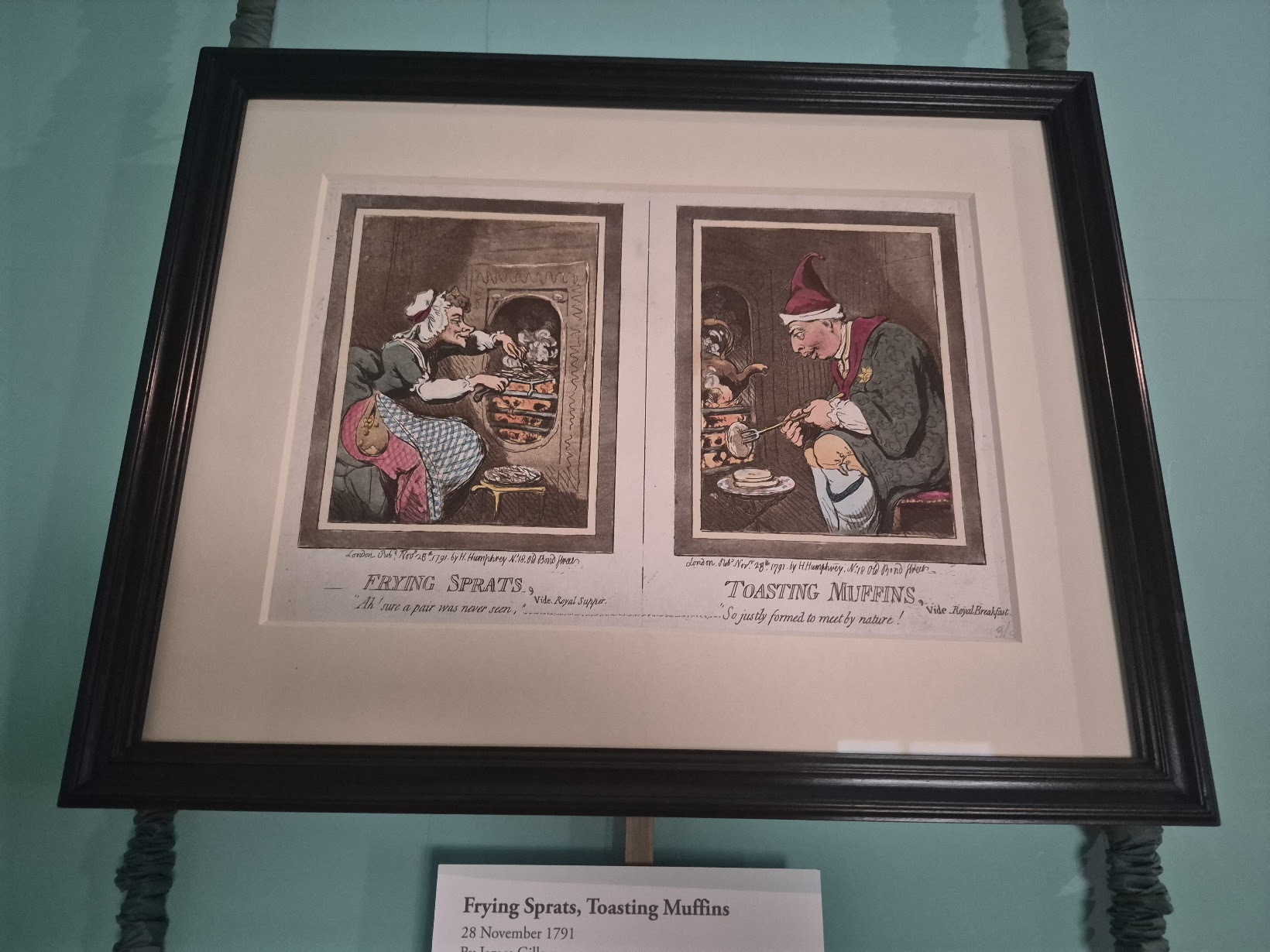
Facts About Kew Palace
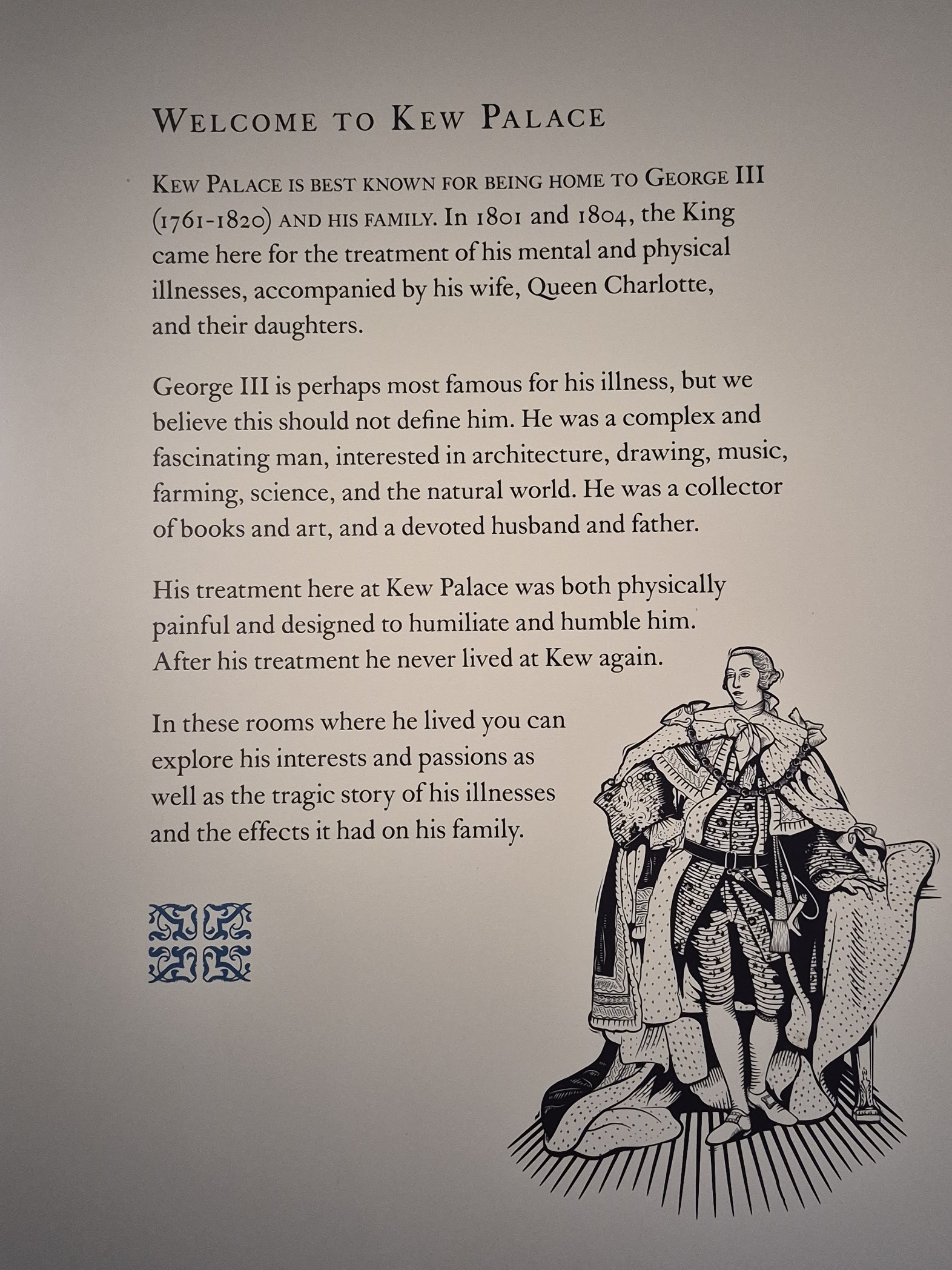
George III and Queen Charlotte spent many summers at Kew with their fifteen children.
King George III suffered from mental health issues, and in 1788, the king was confined at Kew Palace. He withstood harsh contemporary treatments, including purges, cold baths and restraint.
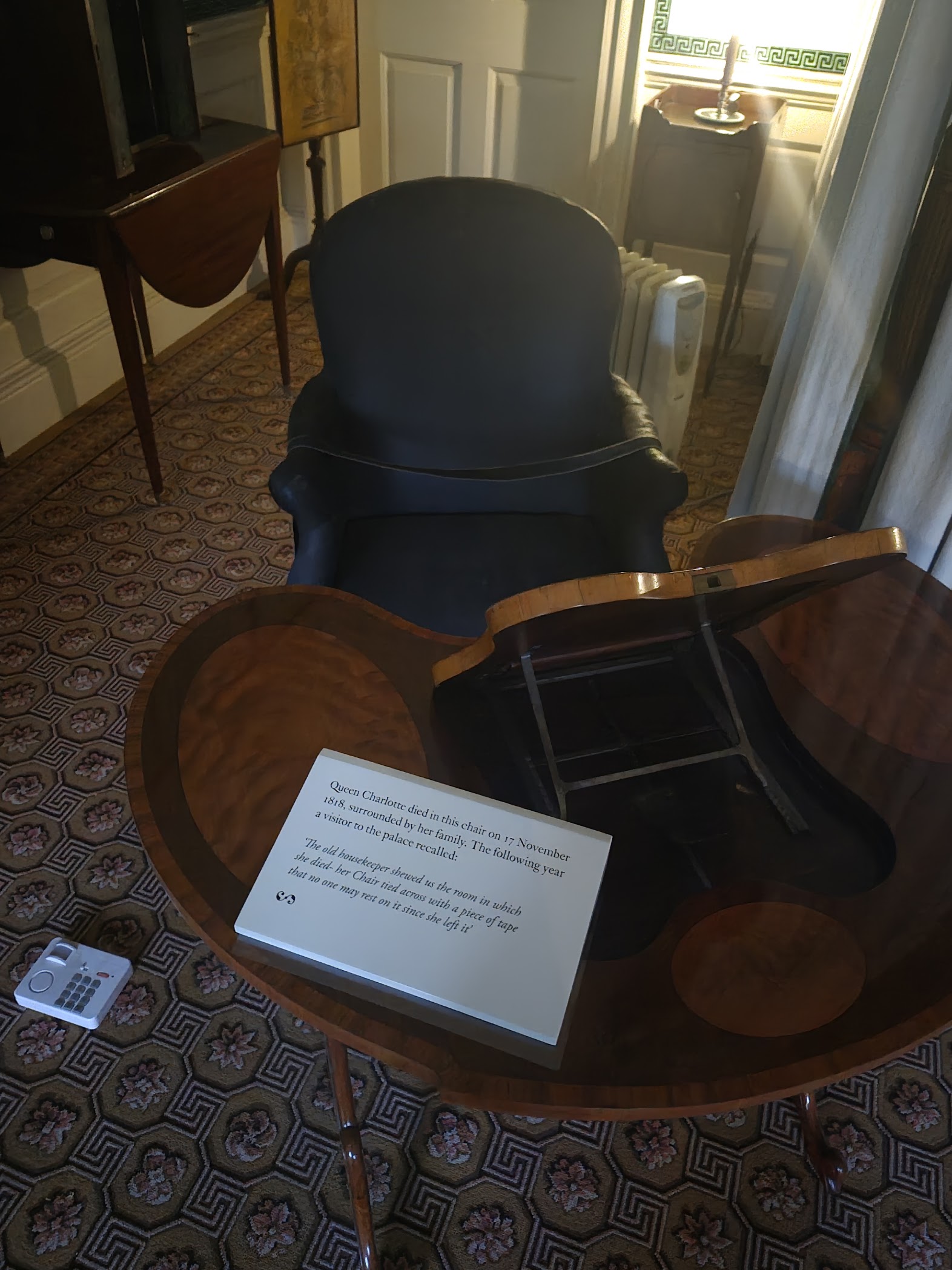
Queen Charlotte fell ill while travelling in 1818 and stayed at Kew. She died in her bedroom on 17 November that year, having spent her final months in the palace. They still have the chair that she died in on display.
A double wedding took place in Queen Charlotte’s Drawing Room on 11 July 1818 while she was still alive. One of the grooms, the Duke of Kent, later became Queen Victoria's father.
The Palace was neglected for many years until Queen Victoria transferred it to public ownership, and it opened to visitors in 1898. She gave strict instructions not to alter her grandmother’s (Queen Charlotte) room.
The building is Grade I listed and is looked after by the independent charity Historic Royal Palaces. A major conservation project lasting a decade restored the interiors before they reopened in 2006.
Nearby stand the preserved Royal Kitchens and Queen Charlotte’s Cottage, both closely linked to the Georgian royal household.
Parting Thoughts
I’m glad I made the time to visit the Palace because I have wanted to ever since I read up on Queen Charlotte after visiting Syon House just before summer.
There were no fancy trinkets, crowns, baubles, or bling to bring crowds in large numbers, as is the case at other palaces. Instead, you’ll see the Palace for what it once was: a working home and a resting place for a Monarch with mental health issues.
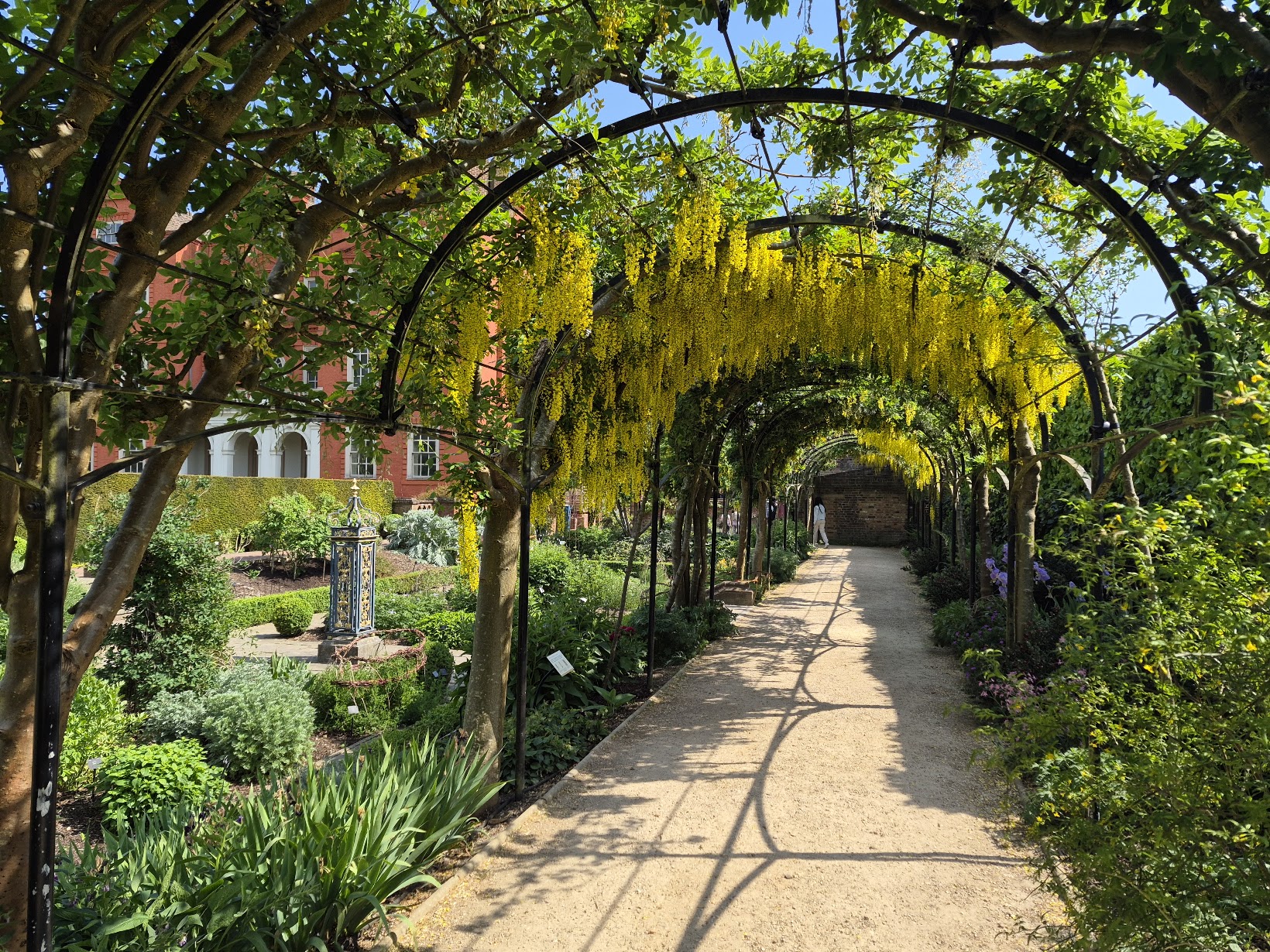
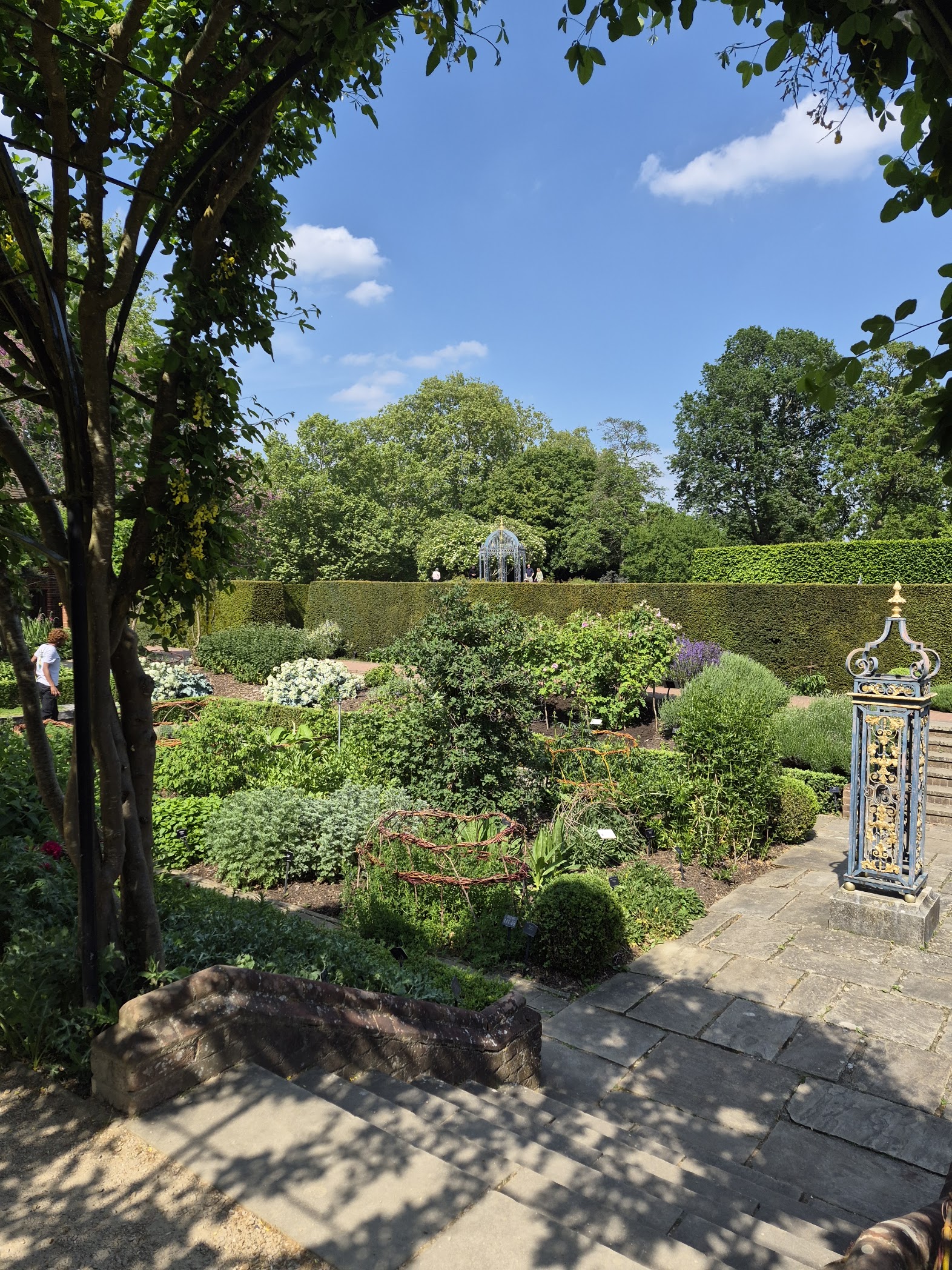
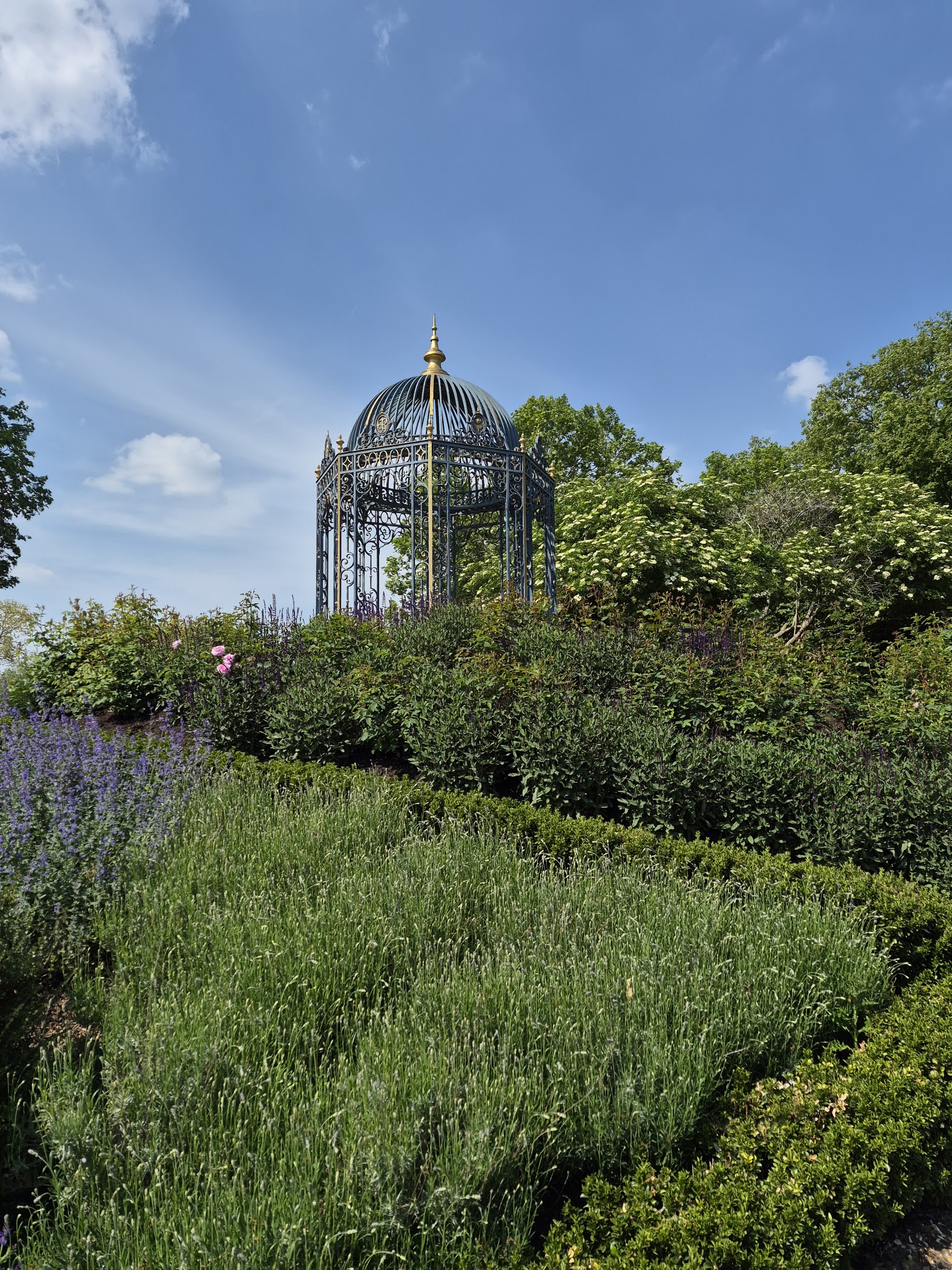
As you walk out of the Palace, do stroll through the garden and also walk to the Orangery, which is now a cafe. You’ll get a good feel for how big the place was, even for the smallest palace of them all.
Thank you for your attention.
Best wishes
Tabby
About the Creator
Tabby London
The London I've been discovering is usually off the well-beaten track.I love the nooks and crannies and walking along the streets steeped in centuries worth of history. I'm fond of Zone 1 because that's where it all began centuries ago.
Enjoyed the story? Support the Creator.
Subscribe for free to receive all their stories in your feed. You could also become a paid subscriber, letting them know you appreciate their work.
Comments
There are no comments for this story
Be the first to respond and start the conversation.