
Like any city with a river, chances are there are going to be plenty of bridges for both pedestrians and vehicles to cross from one side to the other.
Did you know…
There are 35 Bridges in London. I’ve not crossed all 35 bridges, but I’m slowly making my way to doing so. I’ve done a few of the West London and South West London Bridges. Although I’ve crossed every single one of the Central and City of London Bridges. Here’s the full list of bridges
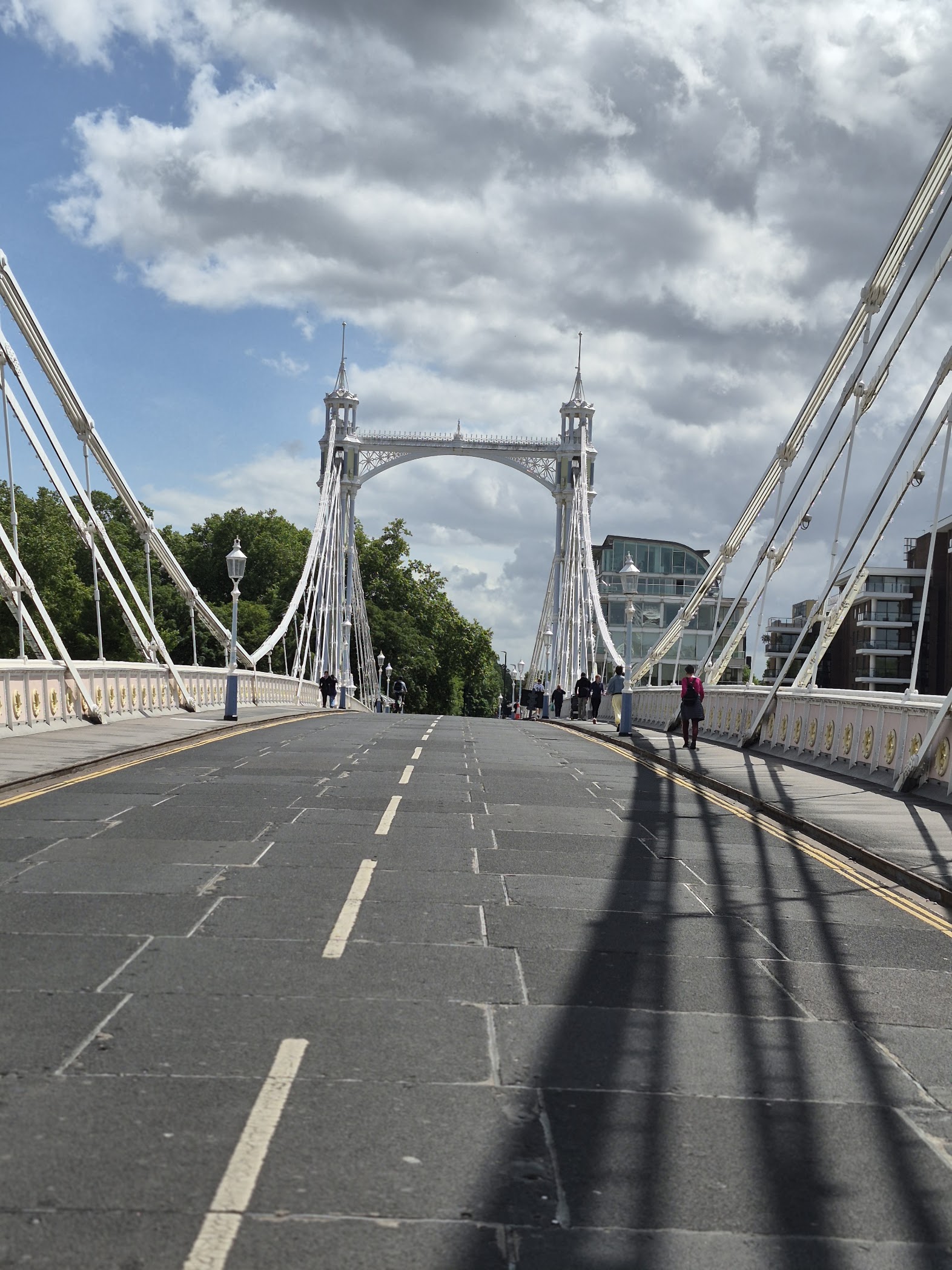
Outer South West London
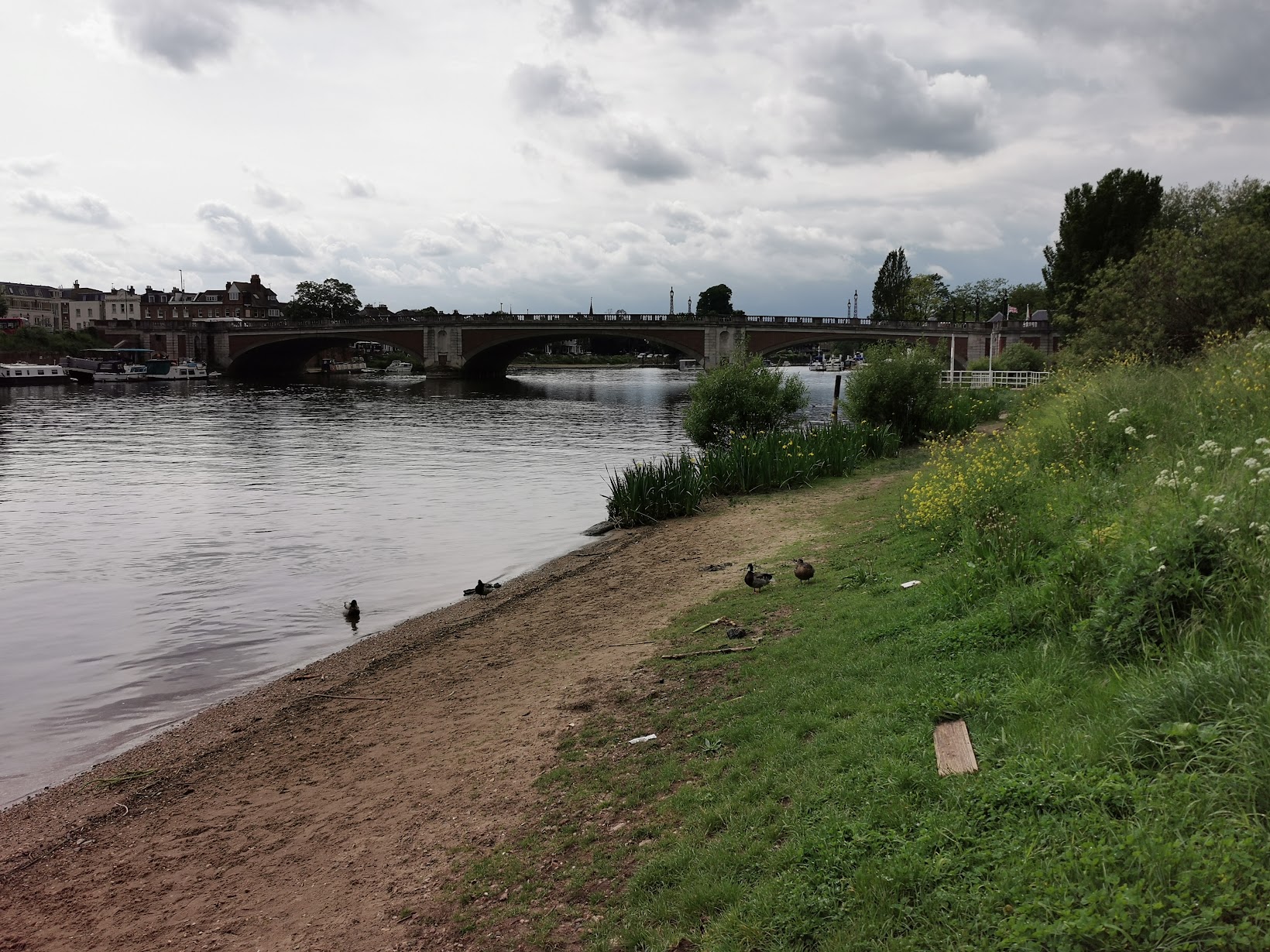
Hampton Court Bridge
Kingston Bridge
Kingston Railway Bridge
Teddington Lock Footbridges (two interconnected footbridges)
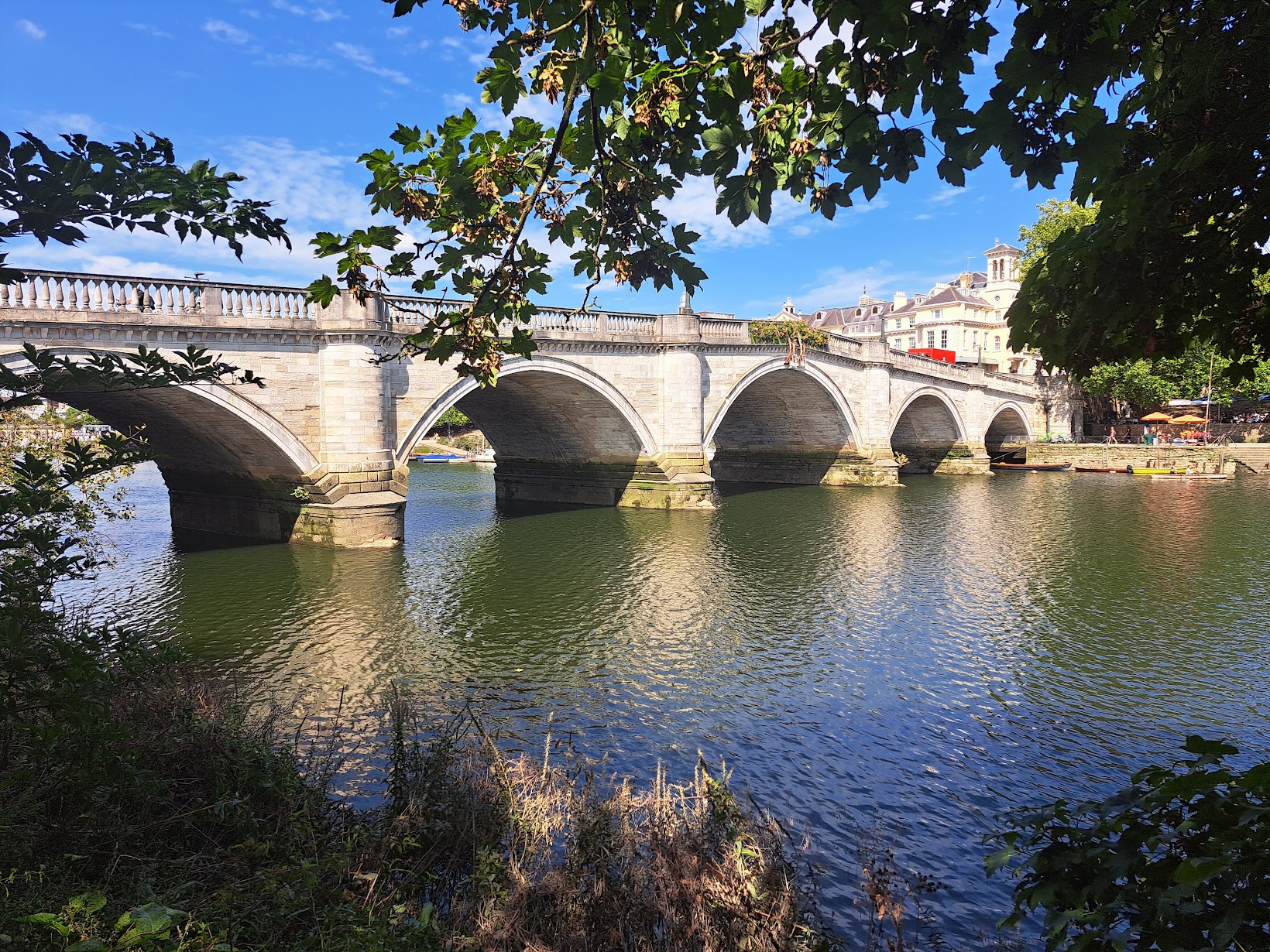
Richmond Bridge
Richmond Railway Bridge
Twickenham Bridge
Richmond Lock and Footbridge
West London
Kew Bridge
Kew Railway Bridge
Chiswick Bridge
Barnes Railway Bridge
Hammersmith Bridge
Putney Bridge
Fulham Railway Bridge
Wandsworth Bridge
South West & Central London
Battersea Railway Bridge
Battersea Bridge
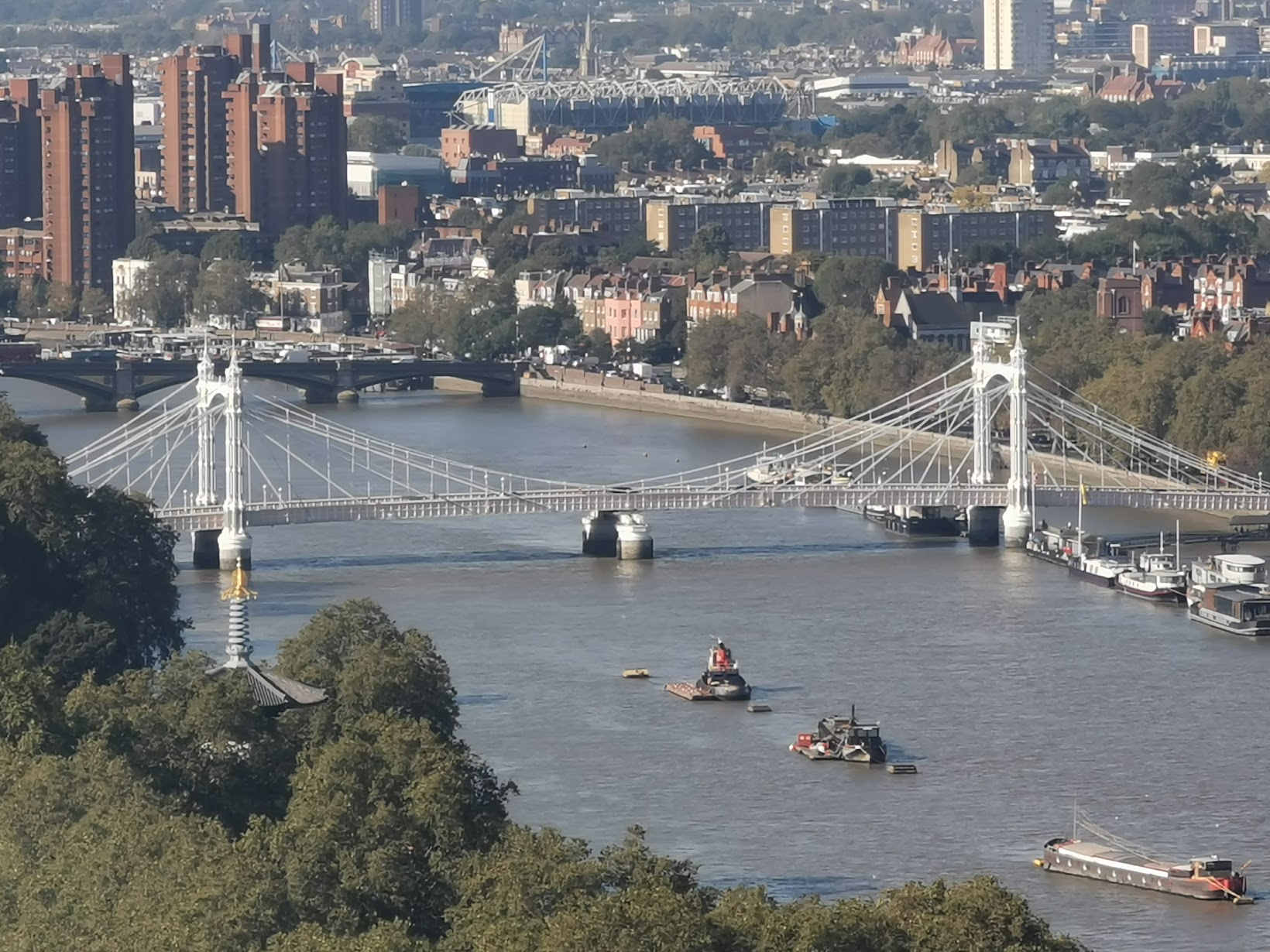
Albert Bridge
Chelsea Bridge
Grosvenor Bridge (also known as Victoria Railway Bridge)
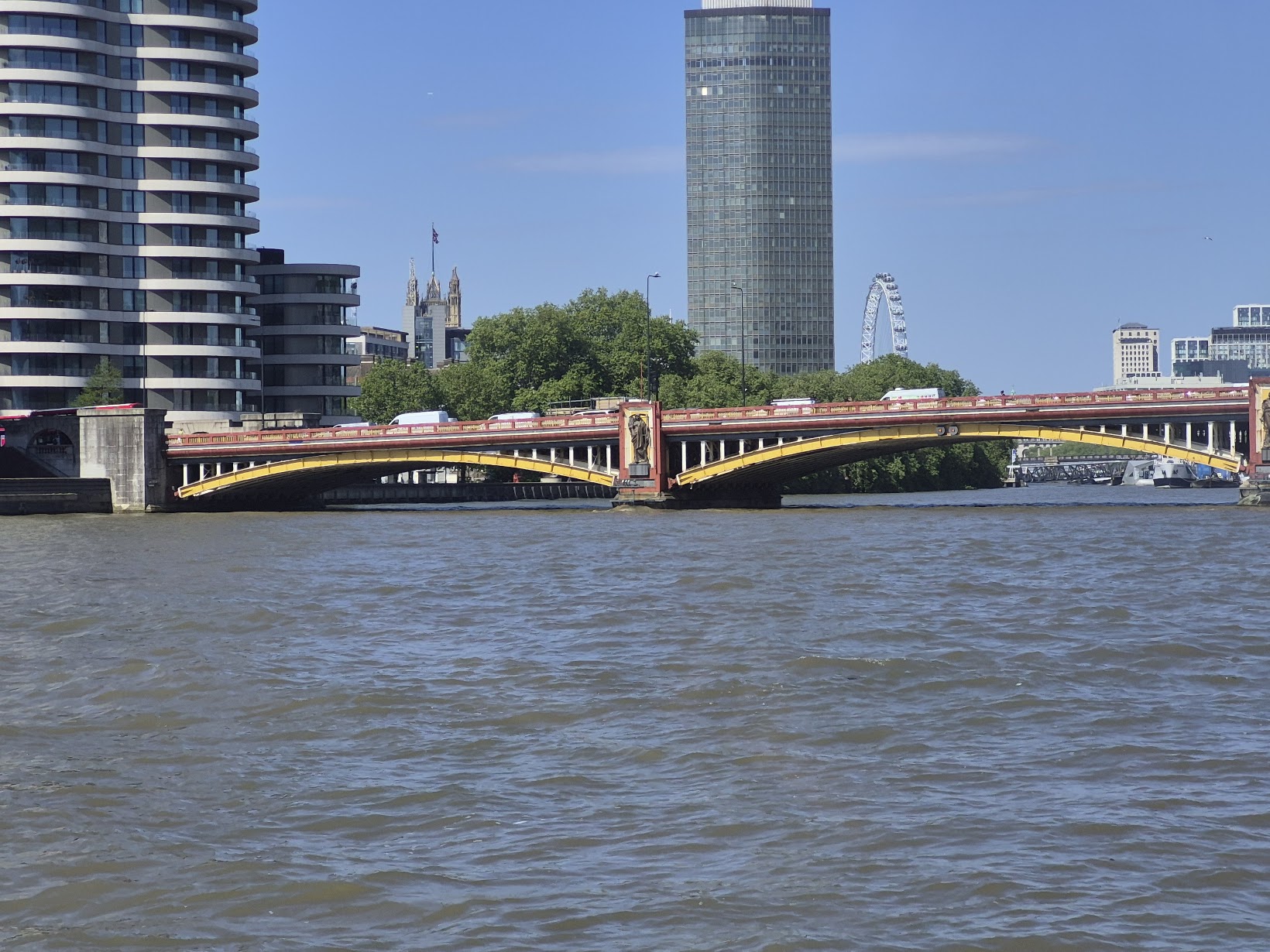
Vauxhall Bridge
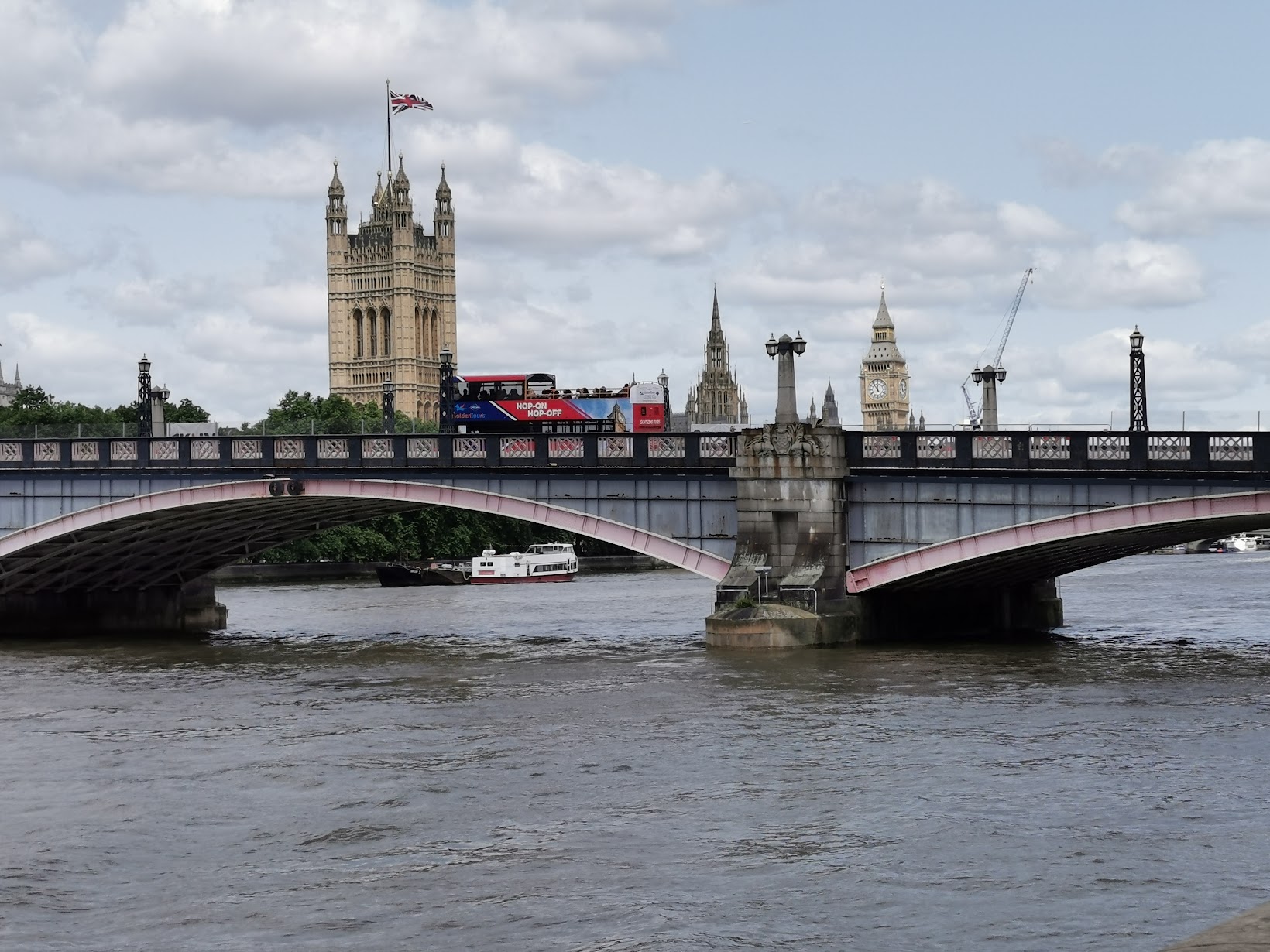
Lambeth Bridge
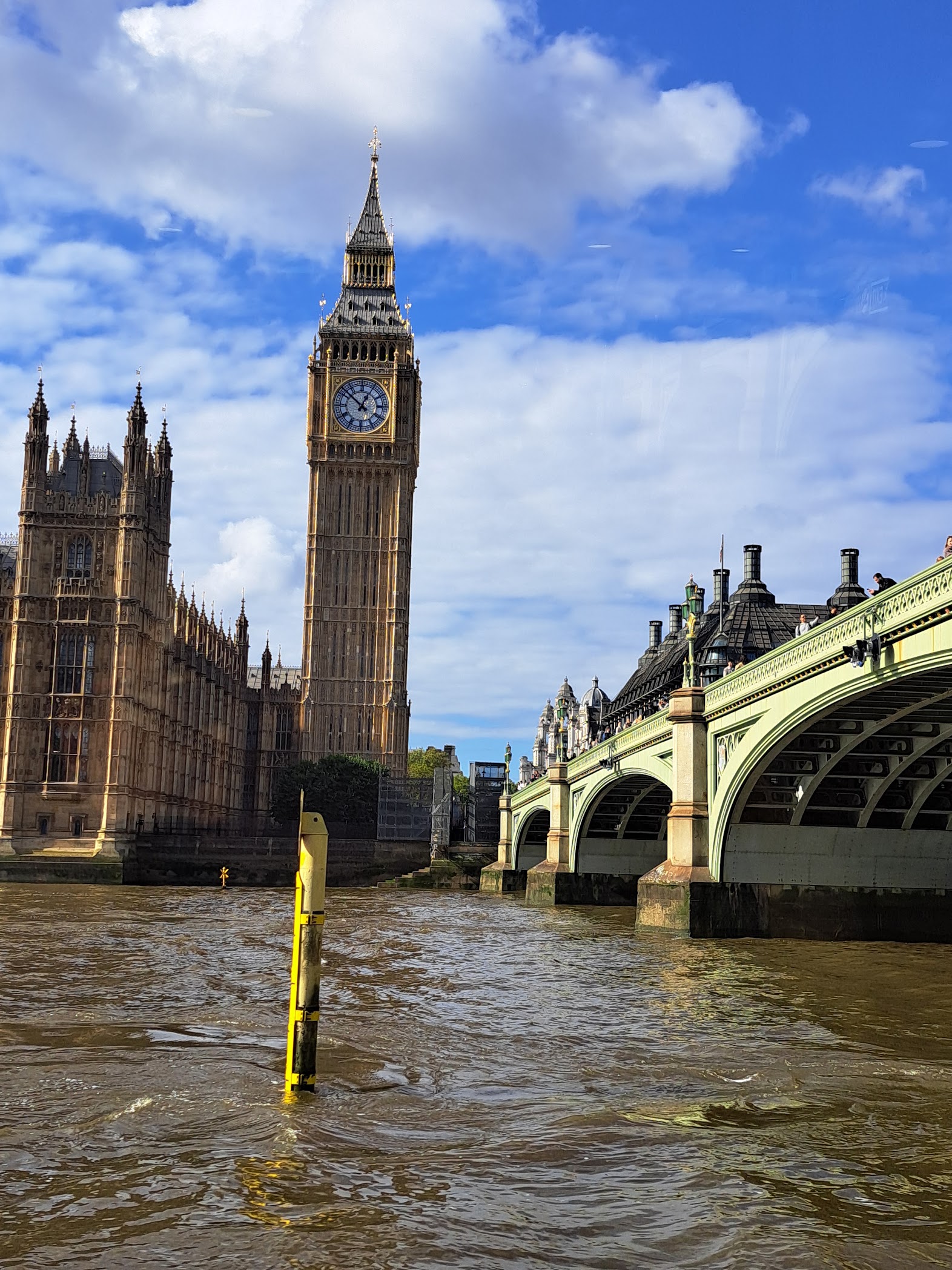
Westminster Bridge
Central & City of London
Hungerford Bridge and Golden Jubilee Bridges (central rail bridge flanked by two cable-stayed footbridges)
Waterloo Bridge
Blackfriars Bridge
Blackfriars Railway Bridge
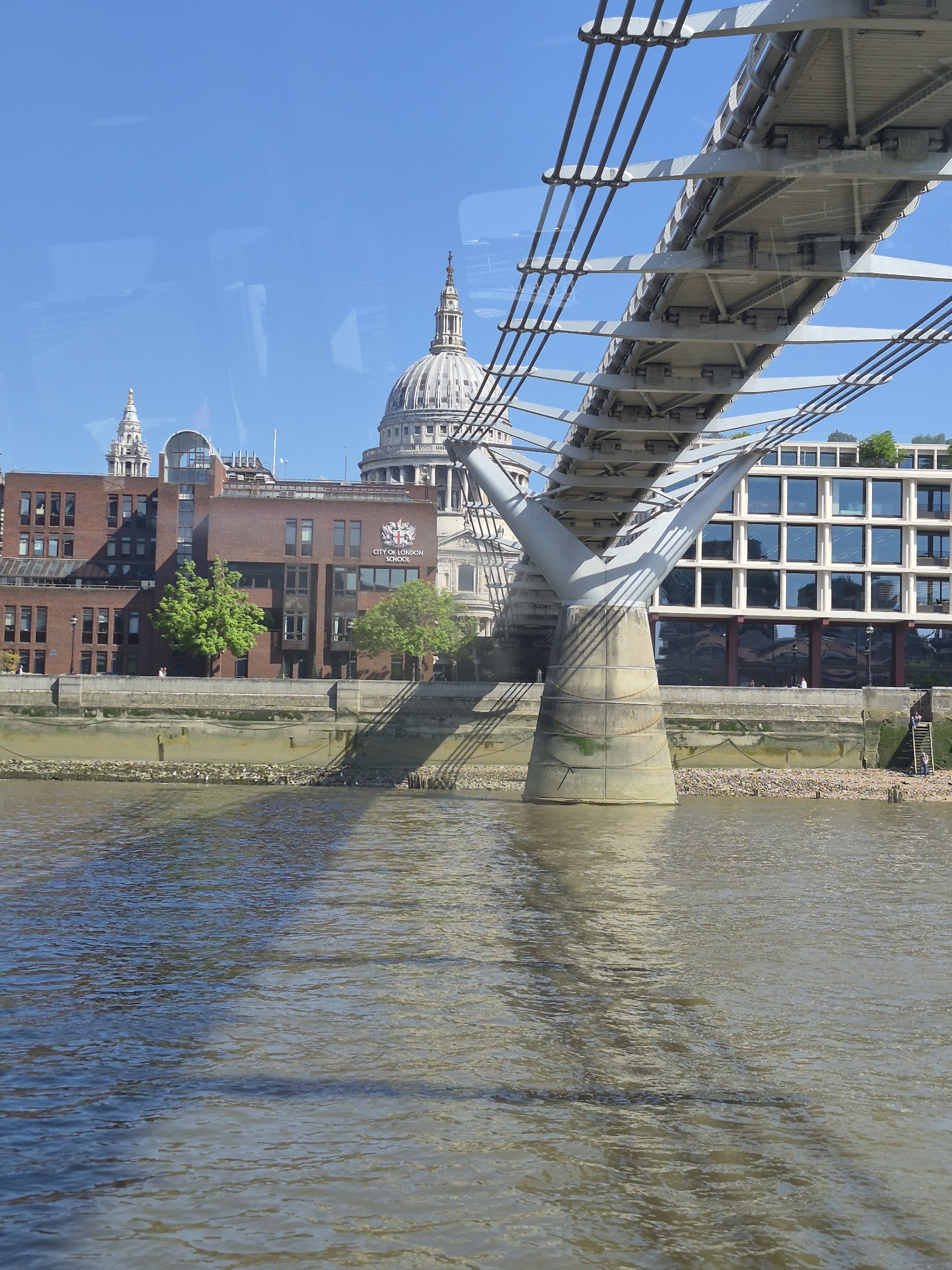
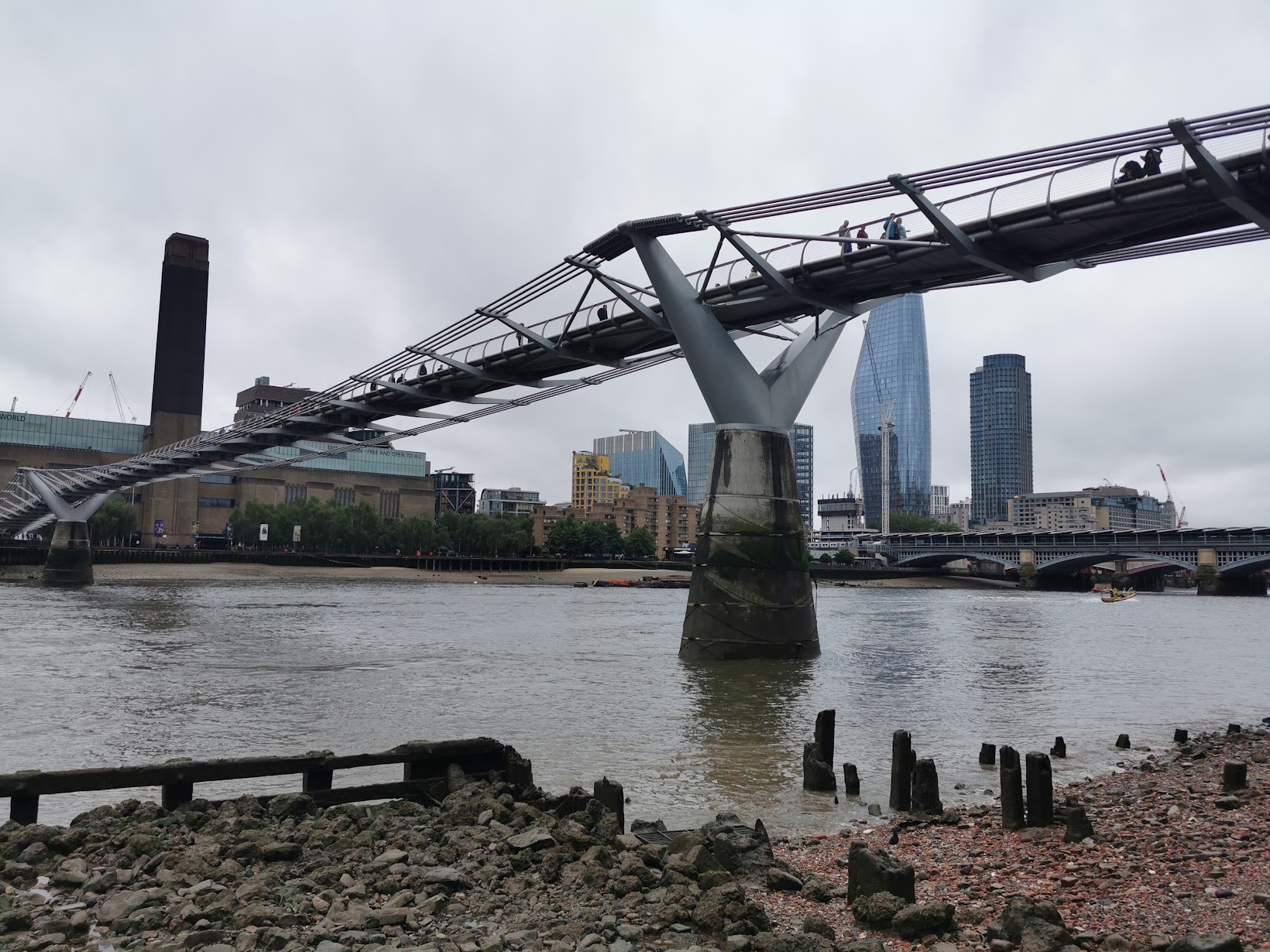
Millennium Bridge (pedestrian-only)
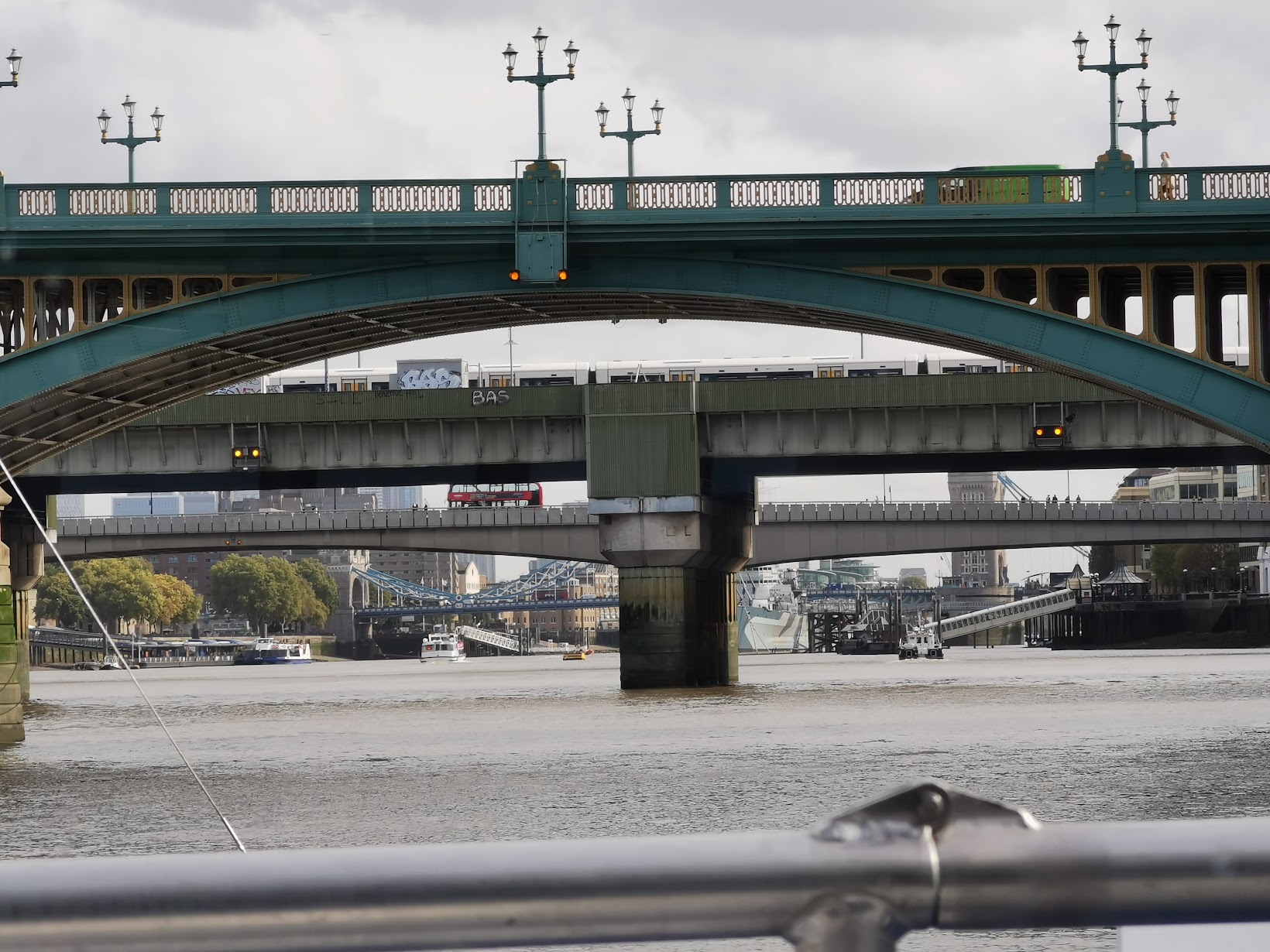
Southwark Bridge
Cannon Street Railway Bridge
London Bridge
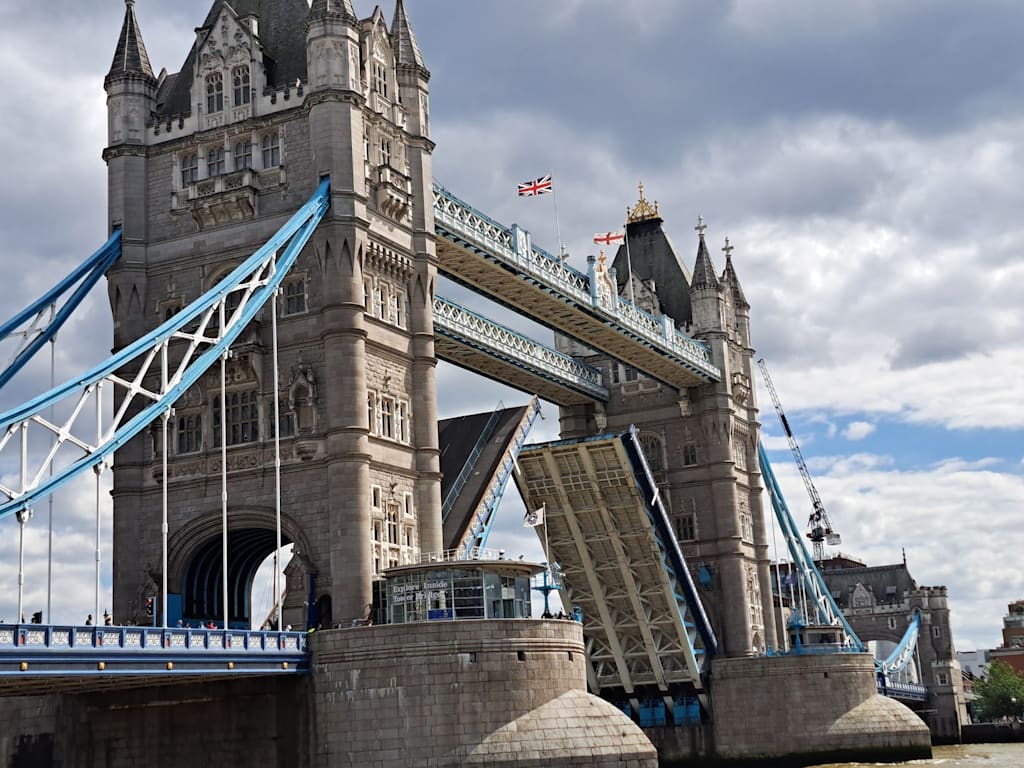
Tower Bridge
The North-South Divide
If you’ve been reading any of my blogs, you’ll know that I'm a hardcore north Londoner, and not because I was born in North London. It’s just that I’ve spent most of my life north of the river: birth, school, and higher education. Plus, there was no real reason to go down south either.
I definitely feel there's a distinctive north/South Divide in London, though. It's more mental for us, but the River Thames creates a real physical divide.
The Vibe Change
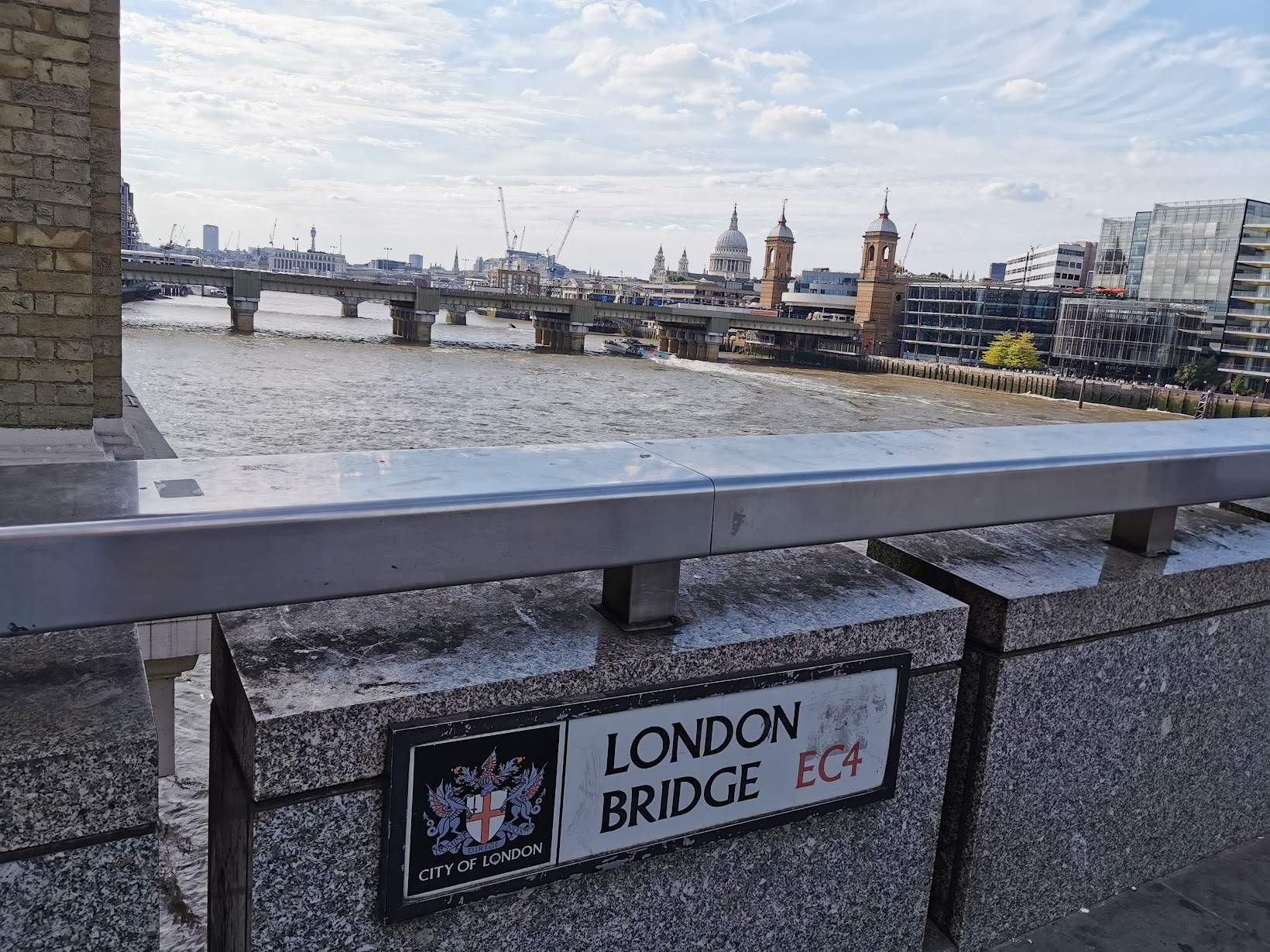
As a North Londoner, I know when the vibe changes as you cross over into South London. Sometimes it feels like I'm in a different part altogether. I'm sure many South Londoners would say the same about North London too. Both have their strong points and also not-so-pretty issues, just like any major global city.
History plays a big part in the divide too. When the Romans came to London, or Londinium as they called it, they settled north of the River near Walbrook. Today, it’s near Cannon Street Station/Bloomberg London HQ.
Trade and Business also flourished in the City of London as the Romans expanded their community and influence. The City of London remains a vital part of 21st-century London.
Here are 10 Facts about London’s Bridges.
10 Facts about London’s bridges
Tower Bridge is not London Bridge, but visitors often mix them up. Tower Bridge is the famous lifting-and-suspension bridge with the twin towers, opened in 1894. London Bridge is the plainer modern crossing a short way upstream.
The first known London Bridge was Roman. Around AD 50, they threw a wooden bridge across the Thames near the present site, linking their settlement of Londinium.
Medieval London Bridge stood for more than 600 years. The stone bridge finished in 1209 lasted until the early nineteenth century. It carried houses, shops, a chapel to St Thomas Becket, and at times the heads of traitors on spikes.
Until 1750 London Bridge was the only fixed crossing over the Thames in the city. For centuries it was the sole link between the City and Southwark, and it was usually jammed. Westminster Bridge became the second permanent crossing that year.
The nineteenth-century London Bridge was sold and shipped to America. John Rennie’s 1831 granite bridge was taken down in the late 1960s, bought by Robert McCulloch, and rebuilt in Lake Havasu City, Arizona. The present London Bridge opened in 1973.
Tower Bridge still opens for river traffic. Its two bascules, each weighing more than 1,000 tons, rise to let ships through. Tall enough vessels have right of way, and the bridge lifts hundreds of times a year.
Tower Bridge is built of millions of bricks and thousands of tons of steel. Construction used more than 11,000 tons of steel and about 31 million bricks, clad in Portland stone and Cornish granite to sit comfortably beside the Tower of London.
The Millennium Bridge was quickly nicknamed the Wobbly Bridge. It opened in June 2000 as a slim pedestrian span between St Paul’s and Tate Modern, then swayed so badly it closed after two days. They added dampers, and it reopened in 2002.
Richmond Bridge is the oldest Thames bridge still in use in London. Finished in 1777, the elegant stone structure remains in service and is Grade I listed.
In 1952, a double-decker bus “jumped” Tower Bridge. Driver Albert Gunter was halfway across when the bascules started to rise. He put his foot down, the bus leapt the widening gap, and it landed safely on the other side. No one was seriously hurt.
Parting Thoughts
Each London Bridge has a different vibe and is made from different materials, ranging from Roman timber structures to medieval stone, Victorian engineering, and 21st-century modern pedestrian crossings. Each bridge plays its own part in shaping London’s history.
I invite you to put on your walking shoes and experience the different bridges.
Thank you for your attention.
Best wishes
Tabby
About the Creator
Tabby London
The London I've been discovering is usually off the well-beaten track.I love the nooks and crannies and walking along the streets steeped in centuries worth of history. I'm fond of Zone 1 because that's where it all began centuries ago.
Enjoyed the story? Support the Creator.
Subscribe for free to receive all their stories in your feed. You could also become a paid subscriber, letting them know you appreciate their work.
Comments
There are no comments for this story
Be the first to respond and start the conversation.