
10 Fascinating Facts about the Roman London Wall
Roman Londinium Engineering


Someone once said to me it would make sense to cover the London Wall and protect it from vandals and the elements. I disagree.
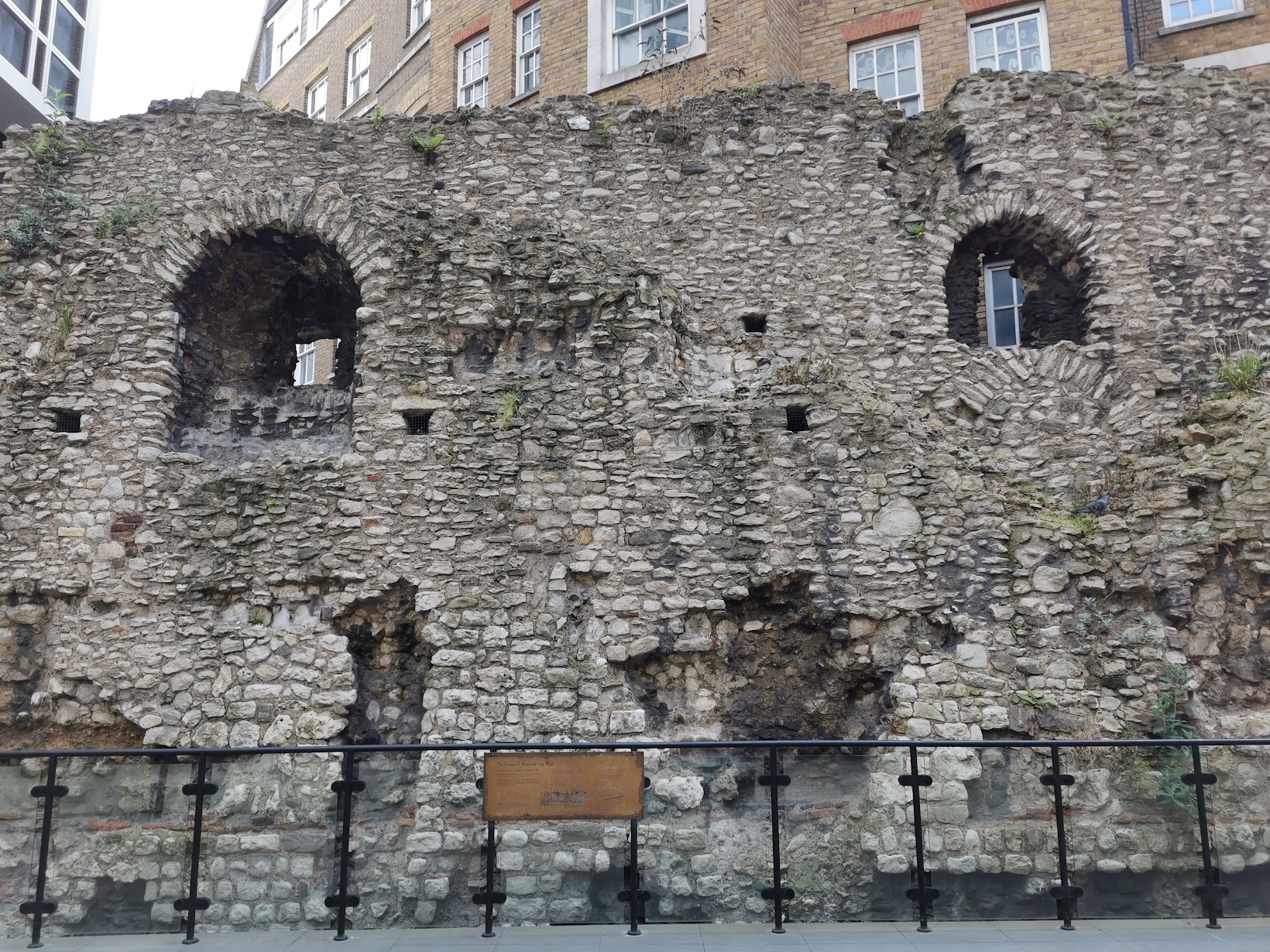
The London Wall, or what's left of it, gives the City of London a big flex as the City evolves to meet the fast-paced 21st-century vibe.
I studied the largest section of the London Wall very closely. I could see the Wall from the canteen window.
Back then, I didn't pay much attention to history. I was interested in studying hard to change the world.
These days, I chase history, especially in the Square Mile (the City of London). I'm amazed at how much history is steeped into every nook and cranny in the City of London.
I want to tell you a bit more about the London Wall, and I'm going to share some fun facts.
London Wall
1) The Romans were clever. To keep any intruders and invaders out, they built the largest building projects in Roman Britain. The Wall was constructed around the second century and required about 85,000 tons of Kentish ragstone, which was shipped by barge. It took about 1,750 boatloads and was quarried near Maidstone in Kent.
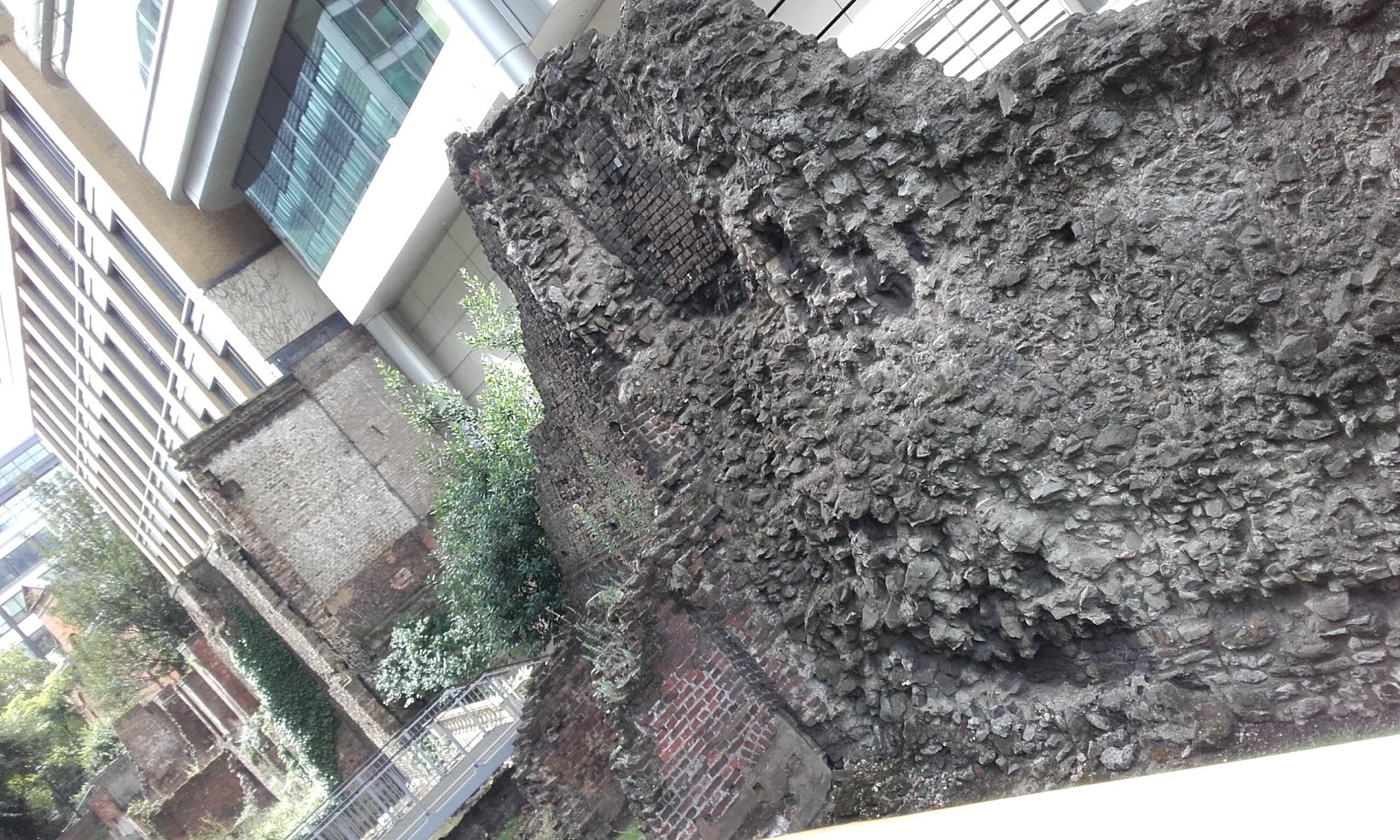
2) What's left of the London Wall is very impressive. If you've seen pictures of the original Roman Wall, you'll agree too. It stretched about 2–2.5 miles (3.2–4 km) long, enclosing 330 acres, making Roman London the largest enclosed urban area in Britain at the time. It was 8–10 feet thick at the base and up to 20 feet high, with a defensive ditch in front.
3) Something I noticed but didn't know at the time. I thought the red tiles were patch-up jobs. I later found out that the horizontal bands of red tiles every fifth or sixth course of stone were Roman bonding layers to strengthen the wall and possibly level it during construction. The lower sections with these tiles are the original Roman parts. The upper layers are medieval additions.
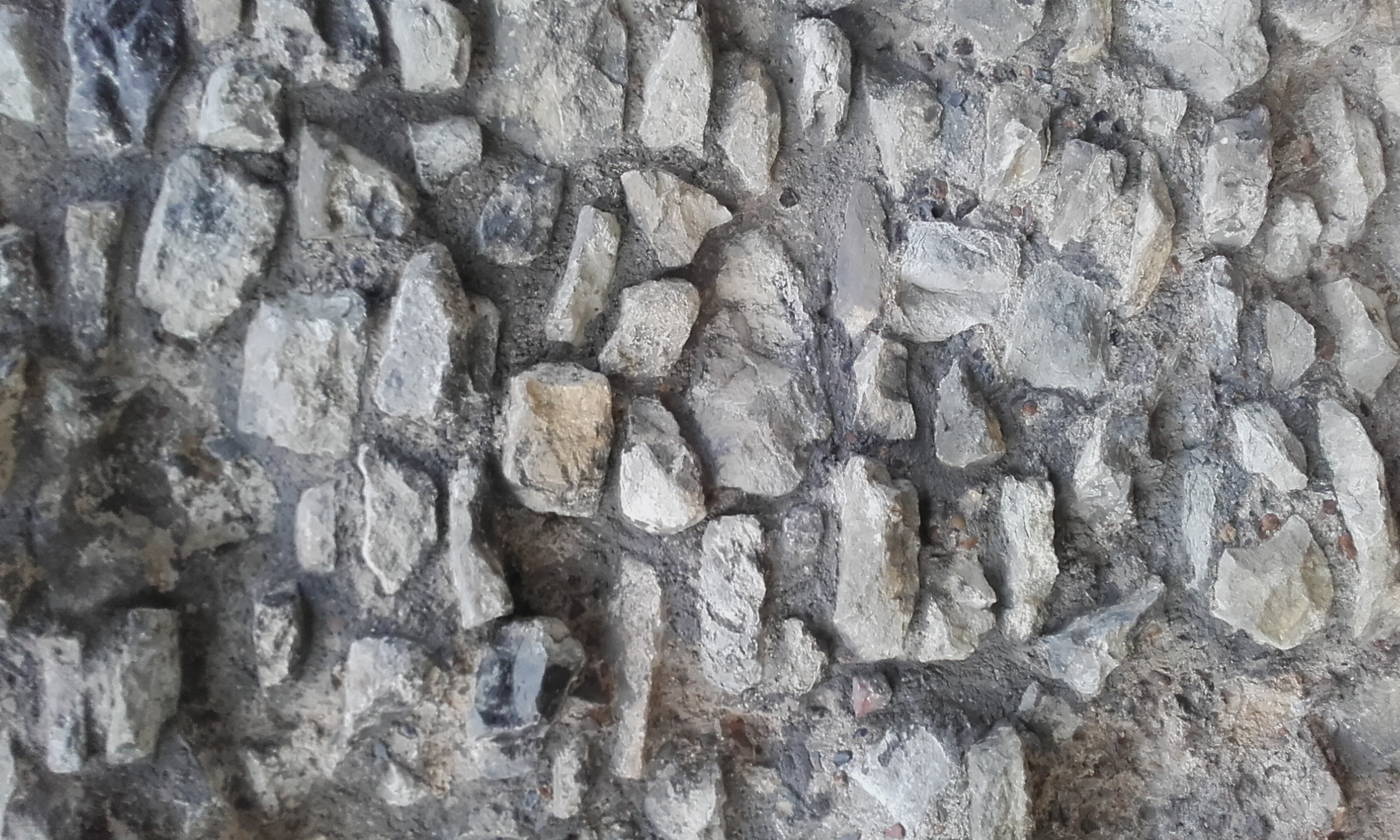
4) If you want to see a big chunk of the wall, head to Tower Hill near the station entrance. It's over 10 meters tall now, with the bottom ~4 meters Roman and the rest medieval. A statue of Emperor Trajan stands in front.
5) There were 8 Gates which aligned with Roads. The original gates (such as Ludgate, Newgate, Cripplegate, Bishopsgate, and Aldgate) aligned with major Roman roads. Later additions included Aldersgate and Moorgate. Many modern London streets still follow this ancient layout.
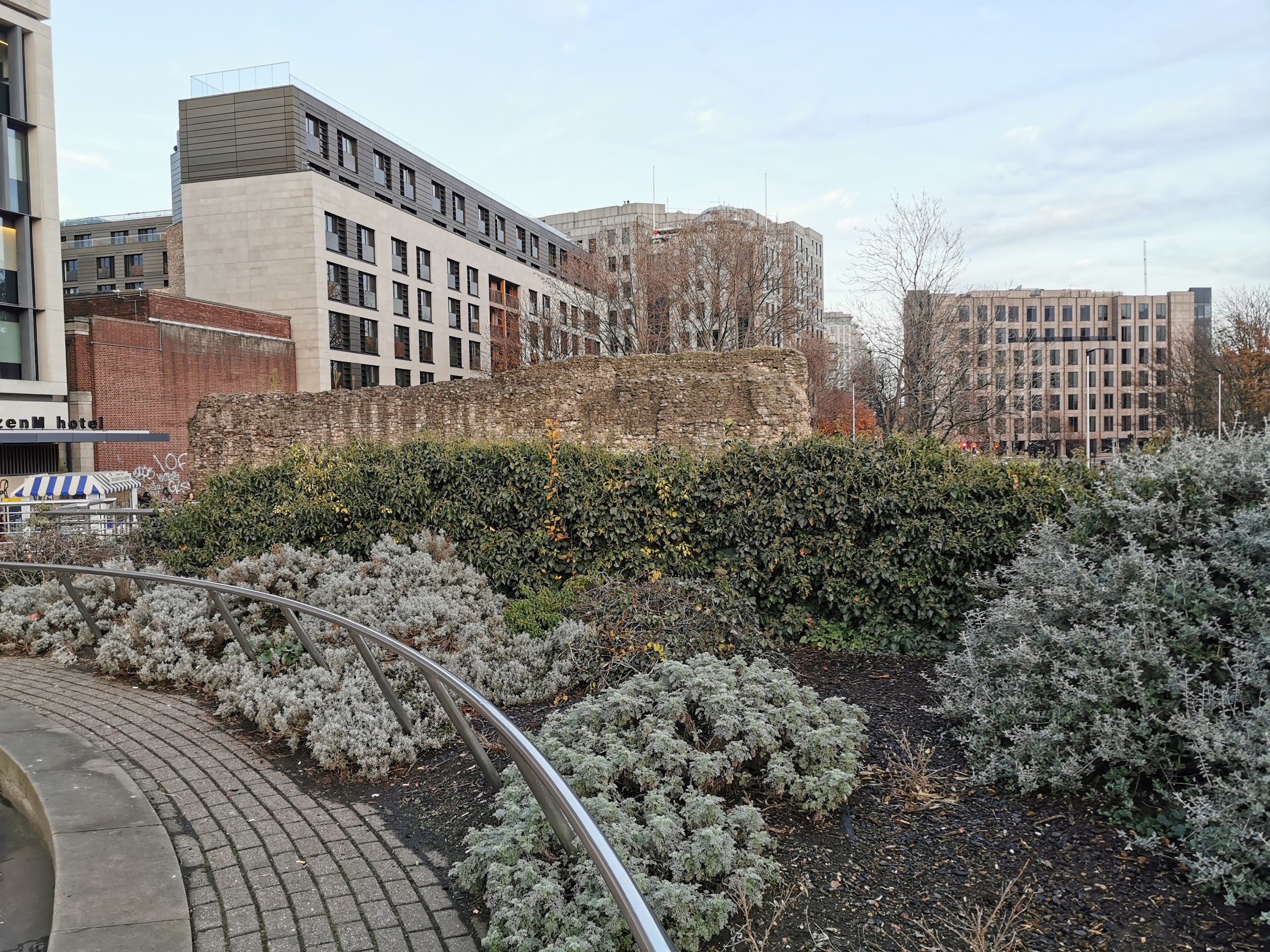
6) Was the wall a defence or vanity project? Some historians agree that the Wall protected against threats like the Picts. Still, others believe Governor Albinus built the wall to fortify the city during his power struggle with Emperor Septimius Severus.
7) What happened to the Wall after the Romans left around the 5th Century? It fell into disrepair but was repaired under Alfred the Great. It was strengthened in medieval times. What's impressive is that it defined the City of London's boundaries for over 1,700 years.
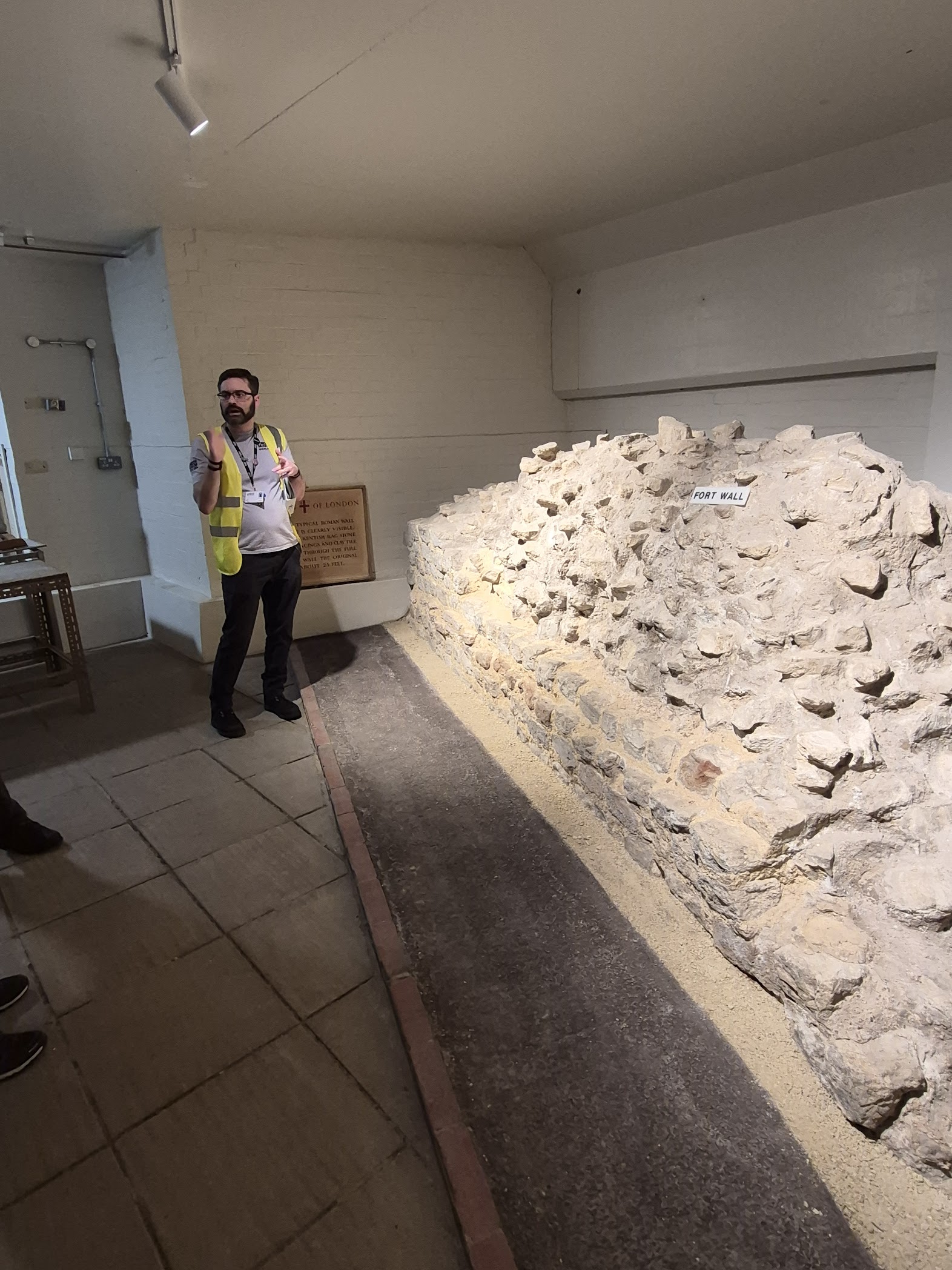
8) There were at least 22 towers spaced around 64 m apart on the eastern side. Plus, there was a large fort in the northwest. The wall shaped London's growth long after the Roman era.
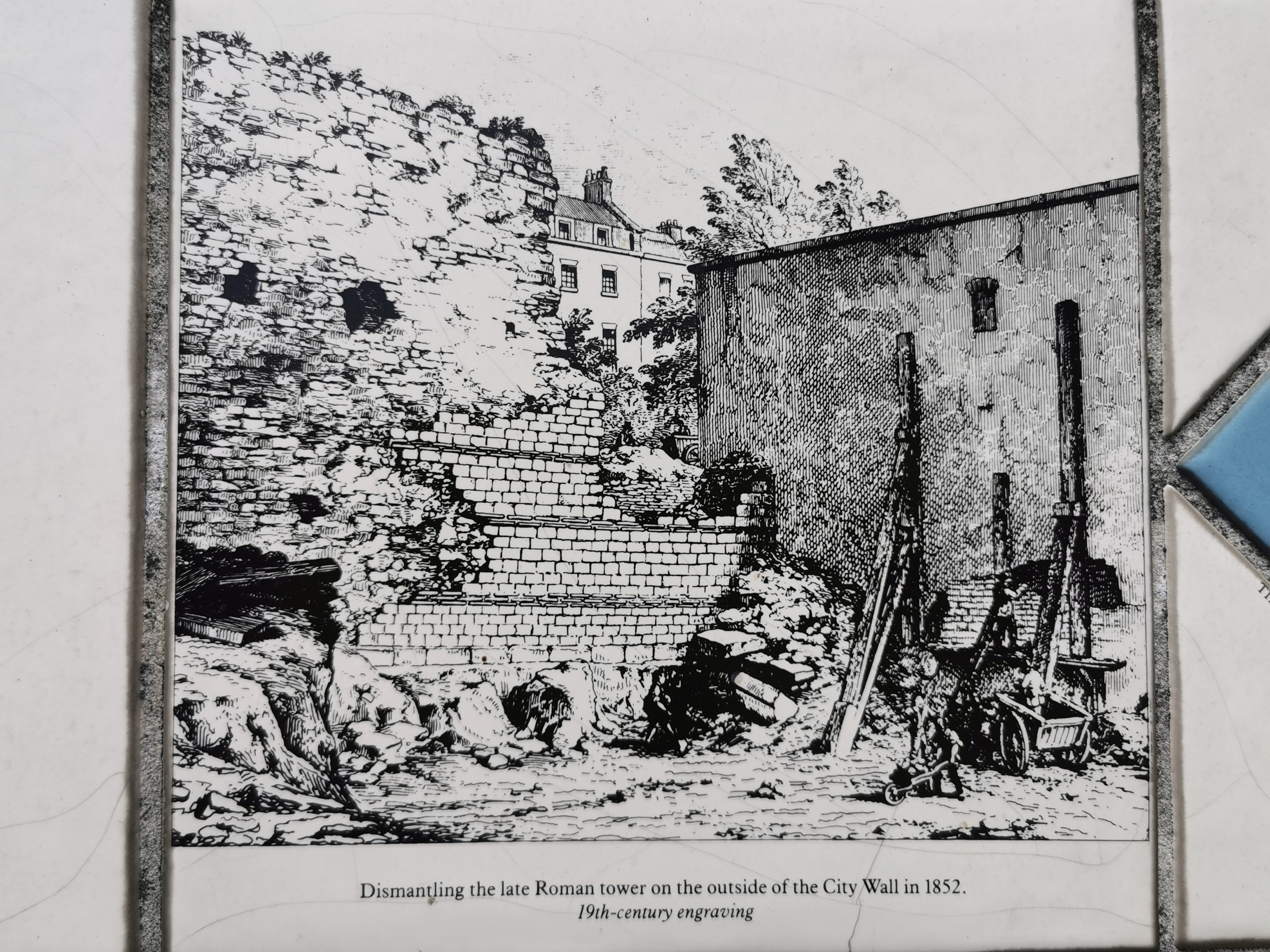
9) Nearly 2000 years on, parts of Roman London are still becoming visible during construction work. Fragments survive in unexpected places such as building basements (e.g., One America Square or the Old Bailey), under railways, or incorporated into the Tower of London. Some were only rediscovered after the WWII bombing.
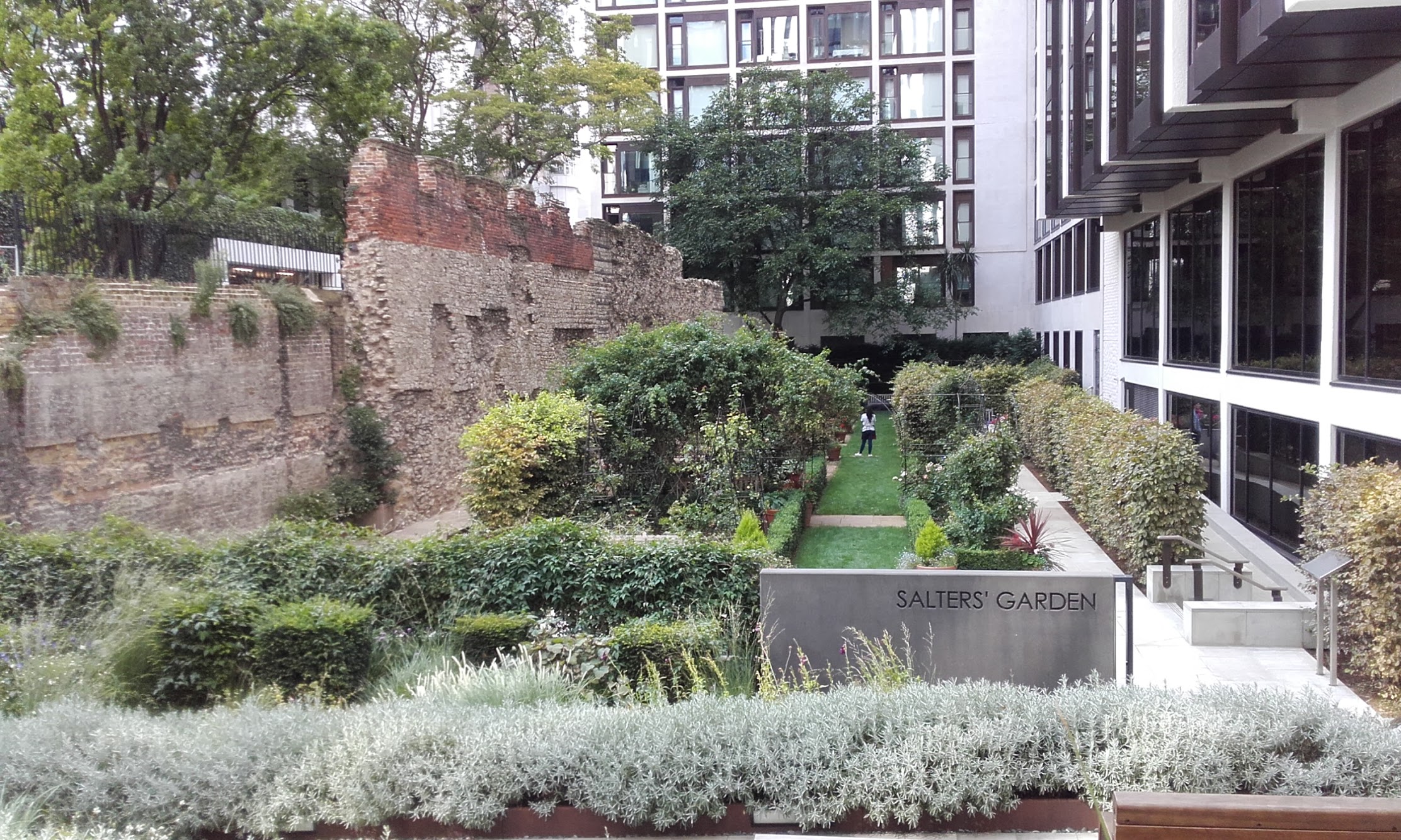
10) 21st Century London lives above Roman London. Today's street level is much higher than in Roman times. The wall base is often several meters below ground due to centuries of debris buildup. Parts of the wall even influenced modern infrastructure, like when sections were demolished for Victorian railways.
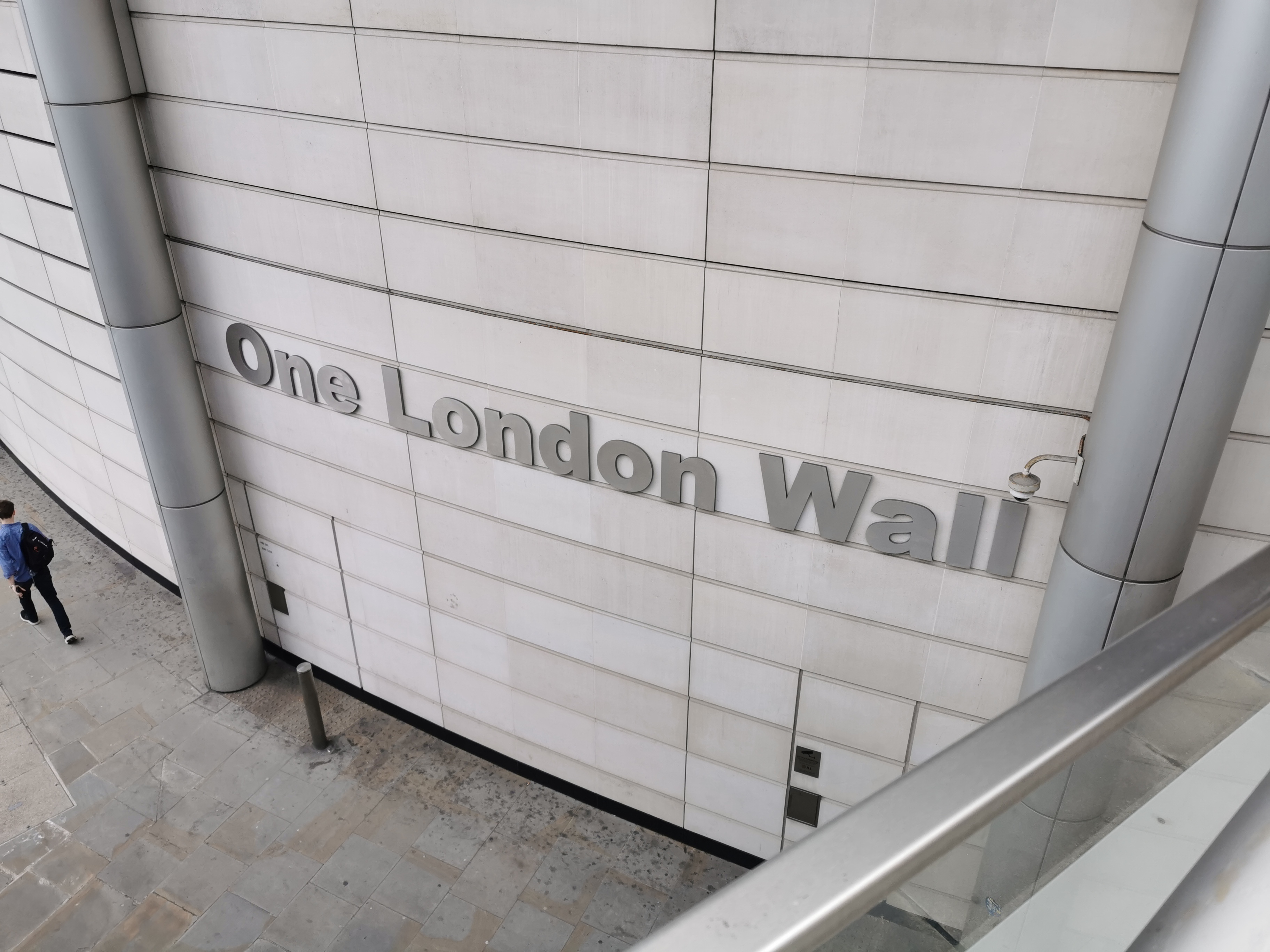
Parting Thoughts
It pays to look around you when you walk around the City of London. Thankfully, 21st-century London still provides a great link between ancient Roman London and the modern city.
The City of London has done and continues to do a fantastic job of looking after the remaining sections of Roman London. I would invite you to put your walking shoes on and hit the streets to see for yourself.
Thank you for your support.
Best wishes
Tabby
About the Creator
Tabby London
The London I've been discovering is usually off the well-beaten track.I love the nooks and crannies and walking along the streets steeped in centuries worth of history. I'm fond of Zone 1 because that's where it all began centuries ago.
Enjoyed the story? Support the Creator.
Subscribe for free to receive all their stories in your feed. You could also become a paid subscriber, letting them know you appreciate their work.
Comments
There are no comments for this story
Be the first to respond and start the conversation.