
Everything I Learned about My Body Comes from Books & Social Media
My childhood education did not teach me what I needed to know


It’s no secret that the American education is lacking in areas of health and sexual education. I’ve talked with other women around the country and their stories are similar to mine. Many women grew up with shame and confusion surrounding their reproductive health. Many others received false information rooted in patriarchal views. Such as pubic hair being unclean or periods being something to hide.
Schools in conservative locations tend to focus on the highly ineffective abstinence programs, while liberal areas focus on segregating girls and boys and going over very basic information about periods, erections, and STDs.
Nowhere during my childhood education, my bachelor's, or my master’s degrees did I have an educator take the time to explain my body. Everything I learned about reproductive and vaginal health comes from books and social media.
-
It took years to get a proper diagnosis for my Vaginismus. I wrote about my struggle to understand what was happening to my body in this article on Medium.
To summarize, I spent the entirety of my teenage years and early twenties in immense physical pain and psychological distress. I could not partake in any form of penetration; my vagina burned and ached when I tried. That made me feel like I was less of a woman. My Gynochologists chose to believe I was ‘being too sensitive/nervous’ rather than accepting the symptoms I shared so vulnerably.
Vaginismus, PMDS, and all other vaginal-related disorders are severely understudied. Hell, scientists recently discovered that tampons contain traces of lead, arsenic, and cadmium!
First study to measure toxic metals in tampons shows arsenic and lead, among other contaminants
A new UC Berkeley study finds that tampons used during menstruation can contain toxic metals, including lead, arsenic, and cadmium.
“Despite this large potential for public health concern, very little research has been done to measure chemicals in tampons,” said lead author Jenni A. Shearston
This is a human rights violation. How dare these companies, doctors, and researchers refuse to treat our bodies with care? We deserve better.
-
Because of a lack of reliable information, I’ve struggled to live inside my body. I can only imagine how frustrating this must be for trans people who are looking to transition. Not having accessible information about our genitals and our reproductive health causes severe distress. Everyone deserves to understand and feel safe in their skin.
So, I’d like to share the resources I’ve used over the years to better educate myself.
Books:
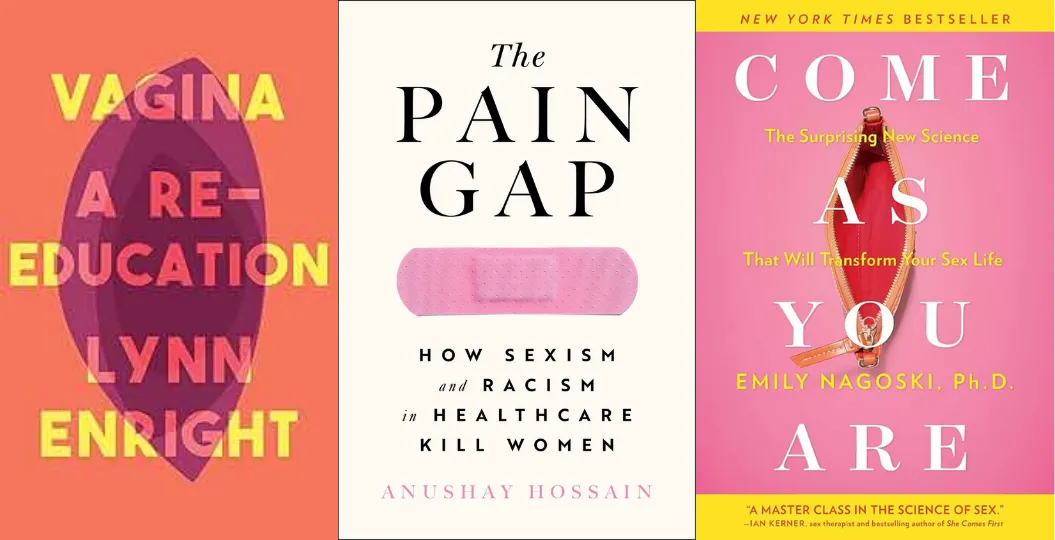
The Pain Gap: How Sexism and Racism in Healthcare Kill Women
This book dissects the long history of sexism in the medical community. It also highlights how black and brown women are at a substantially higher risk for medical malpractice because of ongoing racism in the field. Black women are often not believed when they share their symptoms because many doctors hold the racist belief that they are irrational, aggressive, or may want to abuse drugs. This book taught me so much. It should become required reading for medical students.
Come as You Are: The Surprising New Science that Will Transform Your Sex Life
I read this book a few months before reaching out to specialists to help me heal my vaginismus. It helped me process the grief I was holding inside my body over not feeling ‘normal’ in a very sex-positive environment. Pop music and movies are flooded with sex, and these images deflated my confidence and mental health. This book helped me regain some of my self-respect while also giving me some useful tips on how to have outercourse while healing my inner vaginal wall.
Vagina: A Re-education
This novel is packed with useful information, and the writing style is so engaging that I often forget I was reading a book at all. The author teaches us many lessons, including why the clitoris is mutilated in some cultures and why the female climax is devalued in our male pleasure-centric sex lives. It is profound and feminist and one of my favorite non-fiction books.
Social Media:
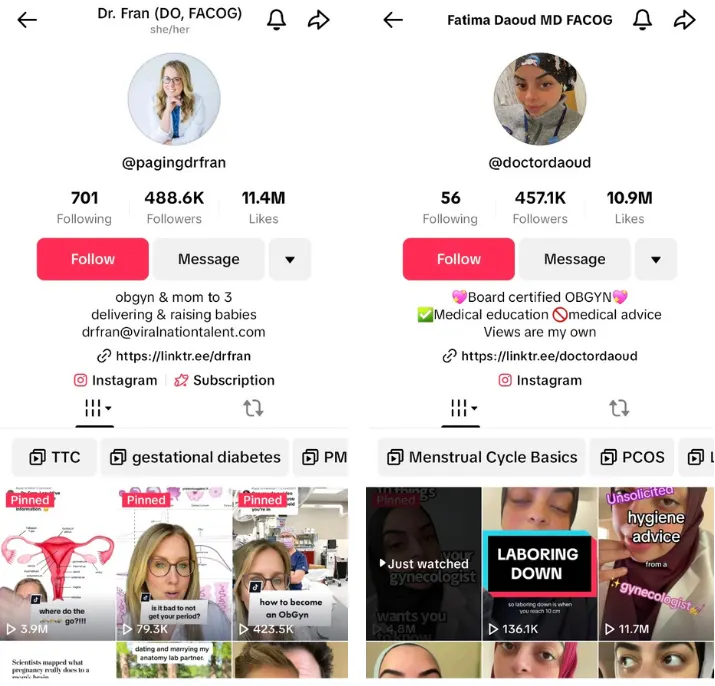
These two OBGYNs create content that helped me ease the fear I felt going to see specialists and gynecologists. They teach about the inner workings of the vagina and how to better care for our genitals. They also helped me build a stronger vocabulary to better communicate with doctors. If you're on TikTok, I’d highly recommend their channels if you’re looking for more information.
If you're not on TikTok, Youtube also has plenty of educational channels:
1. In The Know
2. Dr. Jennifer Lincoln
3. Dr. Bri’s Vibrant Pelvic Health
4. The Flower Empowered
I’ve watched videos from these creators and have been blown away by the amount of misinformation I previously learned about my own body.
Aa thirty-year-old woman, I am still learning new things about my body. From suspicious discharge to unbearable cramping, I lived in a constant state of confusion and panic for too many years.
If someday I am to have a daughter (trans or cis), I don’t want her to live the way I have. I want her to feel confident in her body from the start. To have this confidence, it’ll be my job to teach her how to advocate for herself at doctor's appointments, how to use menstrual products safely, and that every day we will have to put in the effort to keep learning in a world that just wasn’t built for us.
About the Creator
Enjoyed the story? Support the Creator.
Subscribe for free to receive all their stories in your feed. You could also become a paid subscriber, letting them know you appreciate their work.
Comments
There are no comments for this story
Be the first to respond and start the conversation.