
Zhang Jike’s 25‑Yuan Table Tennis Lesson: The Smartest Marketing Play You’ll See This Year
A world champion, a cup of tea, and the fine line between genuine goodwill and a perfectly executed funnel—why the “down‑to‑earth” price tag is anything but simple.
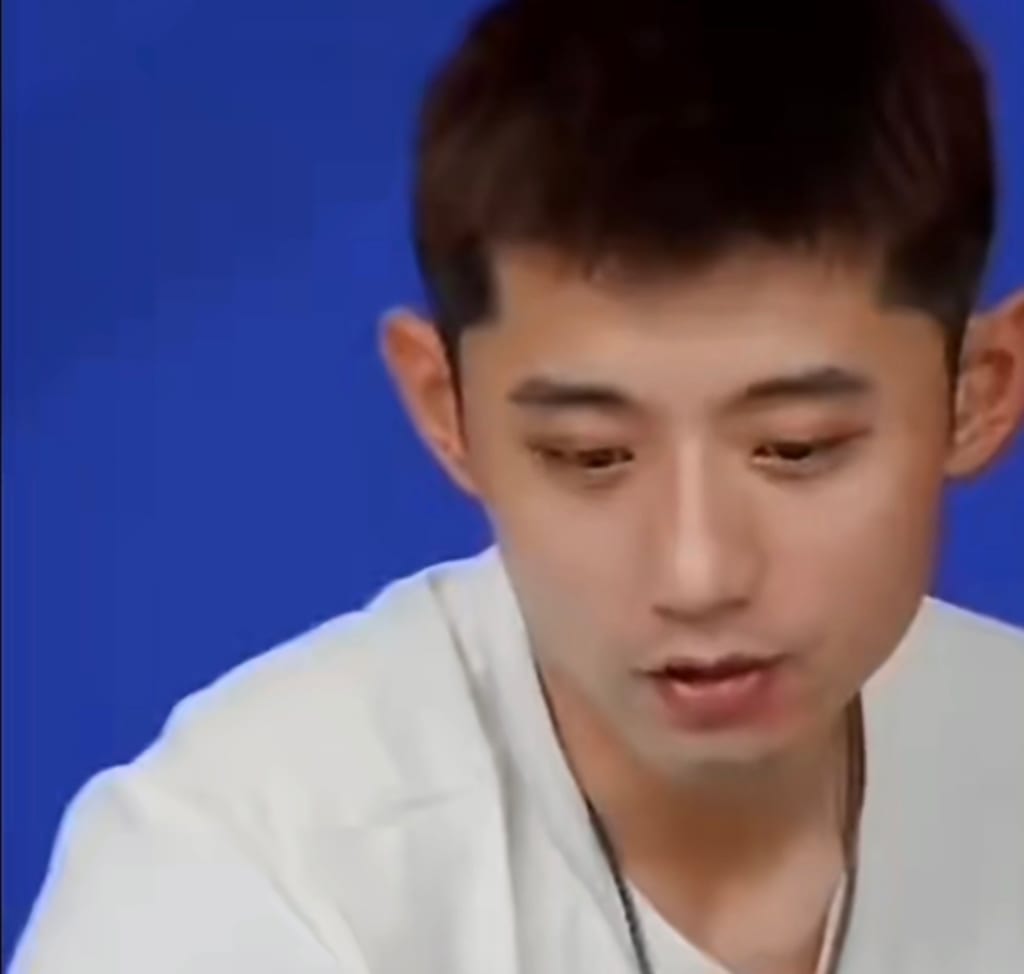
In September 2026, Zhang Jike returned to the public eye. Not for a thunderous forehand smash, nor for the personal controversies that once shadowed him. This time, the buzz was about a price tag: 25 yuan (about US$3.50) for a 90‑minute table tennis lesson taught by the fastest Grand Slam winner in the sport‘s history. Social media erupted. “So down‑to‑earth,” they said. “A cup of milk tea for a session with a living legend.”
Beneath the applause lies a more complicated story, one that weaves goodwill, sharp marketing, and a carefully rebuilt public persona. To understand why 25 yuan matters, separate the headline from the fine print.
The Real Price Tag: A Doorway, Not the Whole House
The 25‑yuan class is not Zhang’s only offering. It is an entry‑level online introductory course, a “universal experience” designed to lower the barrier. His training system also includes long‑term residential camps and specialised classes for aspiring student‑athletes, with monthly fees ranging from 4,980 to 9,800 yuan (roughly $700–$1,400). In other words, 25 yuan is the front door; the deeper rooms cost more.
But even as a loss‑leader, the offer remains startling. A typical local coach charges 150 yuan or more for a private hour. Zhang, who won the Grand Slam in just 445 days, a record untouched, asks for less than a fast‑food meal. As one netizen put it, “You pay for a burger, and you get two hours of a world champion’s time. That‘s not a deal; it’s a steal.”
Moreover, his teaching is no mere cameo. Clips from his sessions show him dissecting footwork, serve‑return tactics, and the psychological chess of high‑stakes rallies. He avoids airy theory; he demonstrates how to read an opponent‘s grip, when to change spin, and how to breathe between points. For a beginner, this is gold. For an intermediate player, it is a masterclass.
Marketing and Mission: Not Opposites
Critics called it a classic funnel strategy: hook thousands with a giveaway price, then upsell the expensive programmes. The logic is sound. Tech startups and online education platforms use it every day. Zhang’s team clearly understands the playbook.
But does that make the gesture insincere? During a live stream, Zhang said: “I can‘t charge too much. If these kids can improve and feel the atmosphere of high‑level training, that is my original intention—not how high the fee is. I hope you actually practise; do not buy the course just for a signed ball or a photo. My real wish is that you find joy in table tennis and build your health.”
Read those words with scepticism if you will, yet they carry a trace of authenticity. A former champion who could demand exorbitant private fees instead chooses to record lessons himself, speak directly to amateurs, and price the first step at pocket‑change level. That choice reflects at least a partial commitment to grassroots promotion. Commercial logic and sporting idealism are not mutually exclusive; they coexist inside that 25‑yuan envelope.
What “Value” Actually Means
The most telling dimension of this event is how the public perceives worth. For many parents, 25 yuan buys not 90 minutes of instruction, but a chance to connect their child with a peak performer. As a parent myself, I know that when a child falls in love with an activity, a brief interaction with an expert, even half an hour, can become a lifelong spark. That spark cannot be priced per minute.
Zhang‘s lesson is praised as “approachable” precisely because he makes that distant peak feel reachable. He does not stand on a podium; he steps into a practice hall. This posture carries enormous emotional appeal. Families who had never considered table tennis now sign up “just to try”, not because they expect a future champion, but because the possibility itself feels affordable.
Of course, some worry that the later high‑end courses remain out of reach for ordinary households, making the initial “universal” claim short‑lived. That is a fair concern. Yet every serious pursuit, from music to mathematics, has its entry‑level and its advanced tiers. Zhang can only make the beginning accessible; the path beyond is shaped by market realities beyond any single coach.
A Persona Rebuilt, One Rally at a Time
The timing matters. Zhang Jike‘s off‑court troubles have battered his public image over recent years. This coaching comeback, humble, skilled, and reasonably priced, is a quiet but effective rebrand. He is telling the public: whatever happened outside, on the table I am still the one who knows the game, loves the game, and is willing to teach it.
And the audience responds. The praise for “down‑to‑earth” is also a welcome‑back for the prodigal son of Chinese ping‑pong. By returning to his professional core, he achieves what no press release could: a second glance, a second chance.
What 25 Yuan Actually Buys
Zhang Jike‘s 25‑yuan lesson is a blend of commerce and conscience. It is a traffic‑builder and a public service; it is a sales tactic and a sincere offer. Training costs have skyrocketed, yet a top athlete still bends down to let ordinary children peek through the door of excellence, even if that door opens to a longer corridor.
A 25‑yuan lesson does not promise a full transformation. It promises a first taste. As Zhang said, if he can help a child improve and discover the pleasure of movement, that is the true beginning. What 25 yuan actually buys is a chance to step up to the table and try.
About the Creator
Jin
Writer of reamstories
https://reamstories.com/jin
Enjoyed the story? Support the Creator.
Subscribe for free to receive all their stories in your feed. You could also become a paid subscriber, letting them know you appreciate their work.
Comments
There are no comments for this story
Be the first to respond and start the conversation.