
The New Era of the NFL Draft: Why Strategy Matters More Than Ever
How patience, value picks, and smarter decision-making reshaped the modern NFL Draft in 2026

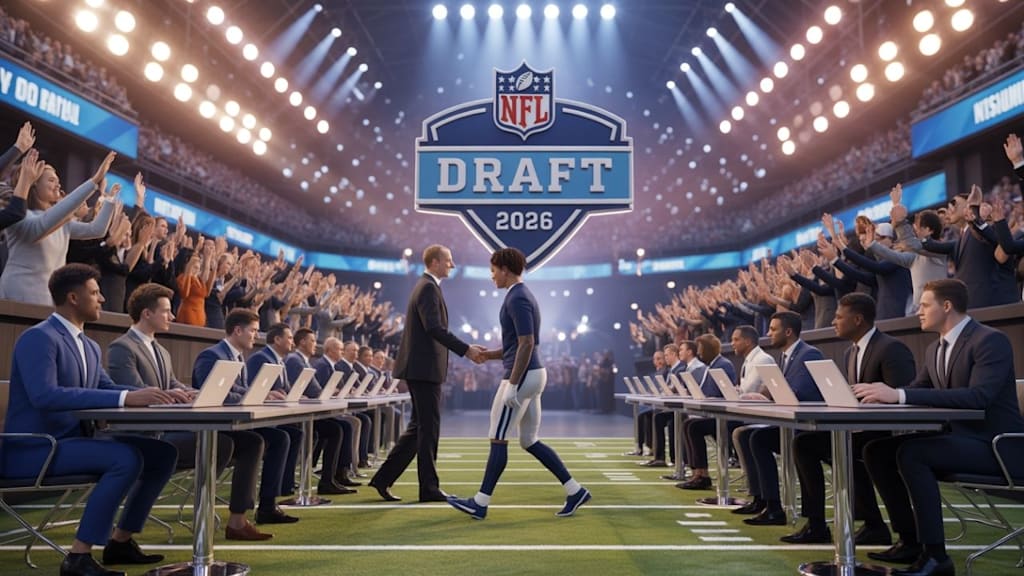
The NFL Draft has always been one of the most exciting events in American sports, but the 2026 edition revealed something deeper than just new talent entering the league. It showed a clear shift in how teams think, plan, and build for the future. Gone are the days when franchises rushed to fill needs without hesitation. Today’s draft is a calculated chess match, where patience, value, and long-term vision define success.
The biggest storyline from the 2026 draft, especially in Rounds 2 and 3, was the changing approach to quarterbacks. Traditionally, quarterbacks dominate early rounds because of their importance to a team’s success. However, this year told a different story. Many teams chose to wait, allowing several promising quarterbacks to slide into Day 2. Rather than forcing a pick, franchises focused on selecting the best available talent and trusting their development systems to shape quarterbacks over time.
This shift reflects a broader evolution across the league. Teams are no longer desperate to secure a quarterback at any cost. Instead, they are evaluating the strength of each draft class more realistically. Without a clear “generational” quarterback prospect, many front offices decided it was wiser to invest in other positions first. This patient strategy reduces risk and increases the chances of building a well-rounded roster.
Another defining trend of the 2026 draft was the dominance of defensive players. From defensive linemen to cornerbacks, teams heavily prioritized strengthening their defenses. This emphasis makes sense in a league where offensive systems are becoming more explosive every year. To compete, teams must counter with faster, stronger, and more versatile defenders. Day 2 proved to be the perfect opportunity to find high-quality defensive talent without the premium cost of first-round picks.
At the same time, offensive line selections quietly played a crucial role. Protecting the quarterback—whether a seasoned veteran or a young prospect—is still one of the most important aspects of building a successful team. Several franchises used their second- and third-round picks to secure linemen who can contribute immediately. These players may not generate headlines, but they are often the backbone of championship teams.
One of the most interesting aspects of this year’s draft was the focus on “fit” rather than pure talent. Teams are increasingly selecting players based on how well they match their systems and coaching philosophies. A player’s success is no longer judged solely by their individual skills but by how effectively they can integrate into a team’s structure. This approach reduces the risk of draft busts and increases the likelihood of consistent performance.
Trades also played a major role in shaping the outcome of Rounds 2 and 3. Many teams moved up the board to secure players they believed would not last much longer. These decisions highlight the importance of preparation and clarity. Franchises with a clear plan were willing to be aggressive, while others stayed patient and benefited from unexpected value as players slipped down the board.
Value, in fact, became the defining theme of the entire draft. The teams that came out as winners were not necessarily those with the most picks, but those who maximized the value of each selection. Finding a player in the second or third round who performs like a first-round talent can transform a team’s future. These “steals” often become key contributors and, in some cases, franchise cornerstones.
Another subtle but important trend was the preference for players with a high floor. Instead of taking risks on raw prospects, many teams chose athletes who are considered reliable and game-ready. These players may not always have the highest ceiling, but they offer consistency and immediate impact. In a league where every game matters, this reliability can make a significant difference.
The 2026 draft also reinforced the idea that success is built over time, not in a single night. While first-round picks receive most of the attention, history has shown that many stars emerge from later rounds. Day 2, in particular, has become a critical phase where smart teams separate themselves from the rest. It is here that front offices prove their ability to evaluate talent, manage risk, and execute a long-term vision.
Ultimately, the modern NFL draft is less about excitement and more about precision. Teams are using data, scouting, and strategic thinking to make informed decisions. The result is a more balanced and competitive league, where success depends on consistency rather than luck.
As the league continues to evolve, one thing is clear: the draft is no longer just about picking players—it is about building a philosophy. And in 2026, that philosophy was defined by patience, value, and intelligent decision-making.
About the Creator
Enjoyed the story? Support the Creator.
Subscribe for free to receive all their stories in your feed.
Comments
There are no comments for this story
Be the first to respond and start the conversation.