
Caitlin Clark and the Cost of Breaking Barriers
She shattered records and brought millions of new fans to women’s basketball — yet instead of celebration, she faced hostility.

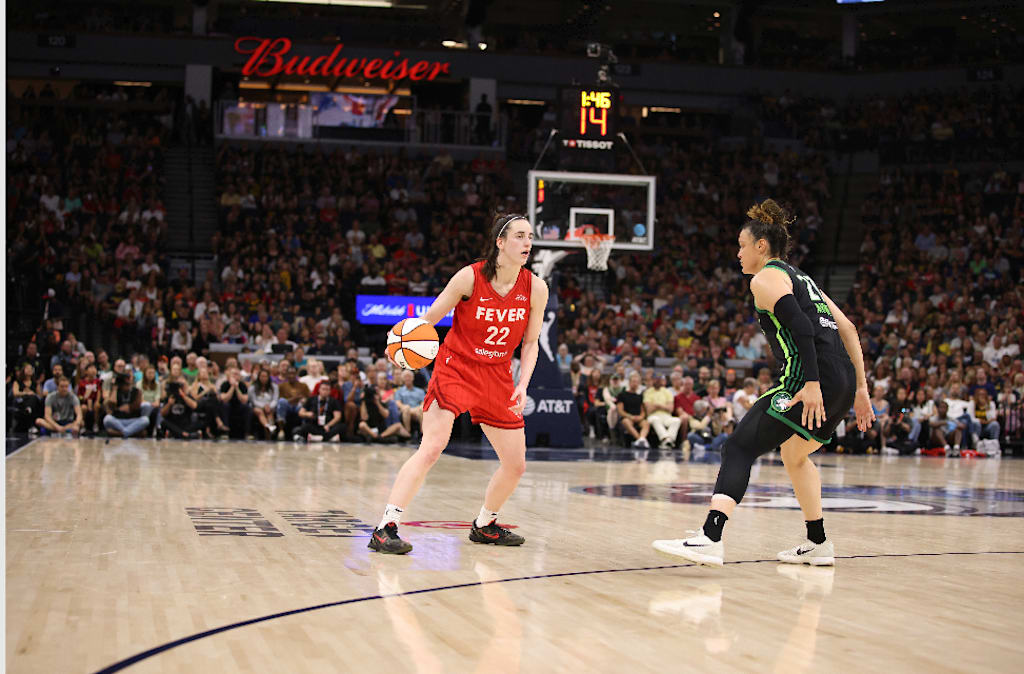
All Caitlin Clark ever wanted to do was play basketball.
She could have stuck with soccer — she was a standout freshman on Dowling Catholic’s varsity team, scoring 23 goals and earning all-state honors. She also excelled in softball, volleyball, tennis, and golf. But basketball was different. It was her dream from the beginning. She started playing seriously at age 5 and told family and coaches she wanted to be in the WNBA as early as elementary school.
In a 2024 interview with The Athletic, she said it plainly: “I’ve wanted to play in the WNBA since I was in elementary school. I remember watching the games on TV and thinking, ‘That’s where I want to be one day.’ It was always the goal.”
She didn’t just dream it. She became one of the most decorated college players ever — the NCAA’s all-time leading scorer, two-time National Player of the Year, and the face of a historic surge in women’s basketball viewership.
Yet despite her ascent, she was greeted with hostility rather than celebration.
Clark isn’t just another talented player. She’s a cultural phenomenon who brought massive new audiences, record revenue, and mainstream attention to the WNBA. For a league that had built a specific identity over decades, her arrival felt disruptive. Not because she demanded change, but because her success shifted the room.
If the existing WNBA culture is matter, Clark is antimatter. When the two collide, the result is explosive.
The numbers back it up. Clark received 17% of all technical fouls called league-wide in her rookie season. She has been hip-checked, knocked down, poked in the eye, and targeted with hard fouls on multiple occasions — plays that often appeared intentional and unprovoked.
Why does the player driving the league’s growth seem to receive the roughest treatment?
Some argue that Clark’s physical treatment isn’t any more intense than what other young, talented rookies have endured over the years. She’s been accused of being a diva or a whiner who complains too much to the officials — a perception some believe has led referees to single her out, knowing how quickly she can get emotional.
Many fans and analysts, however, point to a combination of factors: her massive visibility makes her a lightning rod for jealousy and “hazing”; her high-volume, movement-heavy style naturally draws contact; and officials have been inconsistent in protecting her compared to other franchise players. The result is a painful irony — the league reaps enormous benefits from Clark’s drawing power, yet she often appears to be the one absorbing the heaviest physical toll.
On the other hand, she’s sometimes treated like a “redheaded stepchild” — not just by opponents and officials, but seemingly by her own organization and coaching staff. Too often, after taking a particularly physical hit, Clark looks to the bench expecting a challenge, only to see Coach Stephanie White standing with her arms crossed, staring in what looks like obvious frustration or disapproval. This is in stark contrast to the support White shows Kelsey Mitchell in similar situations. These instances aren’t isolated. It’s a pattern that seems to follow Clark like a shadow.
Clark’s popularity surpasses most (if not all) of the previous white stars for a combination of factors. While she does possess elite stats and a historic college career — leading a relatively unheralded Iowa team to back-to-back NCAA Championship games — her rise goes far beyond numbers. Clark simply doesn’t play basketball like anyone else.
She’s an athletic savant. If she wanted to devote a few years to training for an Olympic triathlon, she would win. Period. She is that gifted — not only physically, but mentally. On top of her rare talent, she possesses a killer instinct shared by only a small minority of athletes across all sports. That rare combination of elite skill, fierce competitiveness, and magnetic charisma is what demands so much attention on and off the court.
In the next part, we’ll look more closely at the double standards, the role of coaching and organizational support (or lack thereof), and why Clark’s presence seems to trigger such strong reactions — both on and off the court. The conversation is far from over.
About the Creator
Mark Elliott
My name is Mark. I've been married going on 5 years now. We moved to Eastern Oregon. My wife is officially retired. I will be spending more time here now. Writing is hard with our schedule, but we make time for what we love!
Enjoyed the story? Support the Creator.
Subscribe for free to receive all their stories in your feed. You could also become a paid subscriber, letting them know you appreciate their work.
Comments
There are no comments for this story
Be the first to respond and start the conversation.