
Time Preserves Money
A Multi-Step Guide to Buying Watches That Actually Hold Their Value in a Disposable Economy

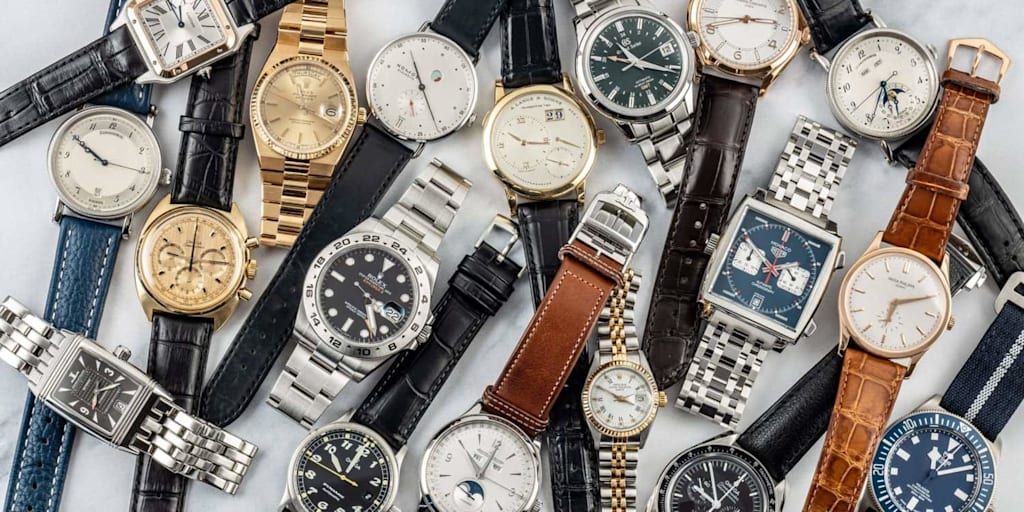
“There is no object so beautiful that, under certain conditions, it will not look ugly.” — Oscar Wilde
There was a time when buying a fine watch represented a milestone. A railroad worker bought one after his first promotion. A young woman purchased one after opening her first business. A soldier bought one after returning home from war. Your grandparents wore the same watch for decades because it was designed to survive decades. A good watch symbolized adulthood, discipline, craftsmanship, and permanence.
Nowadays, most people check the time on a glowing rectangle engineered to become obsolete every few years. Which is exactly why mechanical watches survived; not because they are practical, but because they endure. For Millennials and Gen Z, luxury watches occupy a strange cultural crossroads. Younger generations inherited an economy dominated by inflation, debt, disposable products, subscription services, and algorithm-driven trend cycles. Most modern products are intentionally temporary. Phones become outdated. Apps disappear. Fast fashion falls apart. Entire digital marketplaces vanish overnight.
However, a well-made watch behaves differently. A fine mechanical watch is one of the rare luxury objects still built around longevity. The best ones contain craftsmanship, precious metal, historical gravity, repairability, and global resale demand. They are wearable hard assets; not unlike gold, silver, vintage automobiles, heirloom jewelry, or fine leather goods. For, just like those assets, intelligent buyers understand one brutal truth. You make your money when you buy, not when you sell.
That is why the pre-owned market matters so much. This guide is not merely for young gentlemen trying to look sophisticated in a tailored suit. It is equally for young women building elegant capsule wardrobes, gender-fluid collectors interested in androgynous design, creative professionals chasing timeless aesthetics, and anyone exhausted by disposable consumer culture; because good watches transcend gender far more than marketing departments would like you to believe. A Cartier Tank looks just as elegant on a woman in vintage silk as it does on a man in a tuxedo. A Rolex Datejust works equally well with streetwear, eveningwear, or business attire. Timelessness has always been more powerful than trends.
So, before you spend thousands chasing hype, here are ten rules that can help you buy watches intelligently.
Step 1: Stop Calling Watches “Investments”
If your primary goal is investing, just stop reading this (right now), go open a Roth IRA, and buy some diversified index funds. Most watches are terrible investments. That reality alone separates serious collectors from social-media speculators. TikTok and YouTube are flooded with influencers treating luxury watches like meme stocks: screaming about “guaranteed appreciation,” “next big grails,” and artificial scarcity. Most of those people are not collectors. They are salesmen.
The smarter mindset is understanding a watch as a durable luxury asset rather than a speculative financial instrument. A fine watch should be viewed the same way someone views heirloom jewelry, antique furniture, or gold coins: something capable of preserving value while simultaneously offering aesthetic and emotional utility. The best watches possess mechanical reputation, collector demand, repairability, historical relevance, & timeless designs.
That is why brands like Rolex, Omega, Cartier, and Patek Philippe continue dominating the secondary market decade after decade. As Thorstein Veblen argued in his book The Theory of the Leisure Class, luxury objects function as symbols of identity and social meaning. The difference is that the finest watches are engineered to survive generations instead of seasons.
Step 2: Understand Why Pre-Owned Is Usually Smarter Than New
The greatest mistake many first-time luxury buyers make is assuming “new” automatically means “better.” Usually, the opposite is true. Most luxury watches depreciate the moment they leave the boutique. Somebody absorbs that financial hit. Intelligent buyers simply prefer that somebody not be them. The pre-owned market exists where patience becomes profitable. Buying pre-owned allows collectors to bypass the steepest depreciation while also accessing discontinued references, more elegant vintage sizing, collector-favored dial configurations, and historically significant production years.
Ironically, older watches often feel more modern stylistically than many oversized contemporary designs. Vintage proportions tend to wear beautifully on a wide variety of wrists regardless of gender. This is one reason younger collectors (particularly Millennials and Gen Z buyers interested in understated luxury) increasingly gravitate toward vintage and neo-vintage watches. The pre-owned market also democratizes luxury. A carefully chosen vintage Omega or Cartier often carries far more sophistication and long-term value retention than buying a brand-new fashion watch simply because it feels “safe.”
As Ernest Hemingway once wrote:
“Everybody behaves badly… Give them the proper chance.”
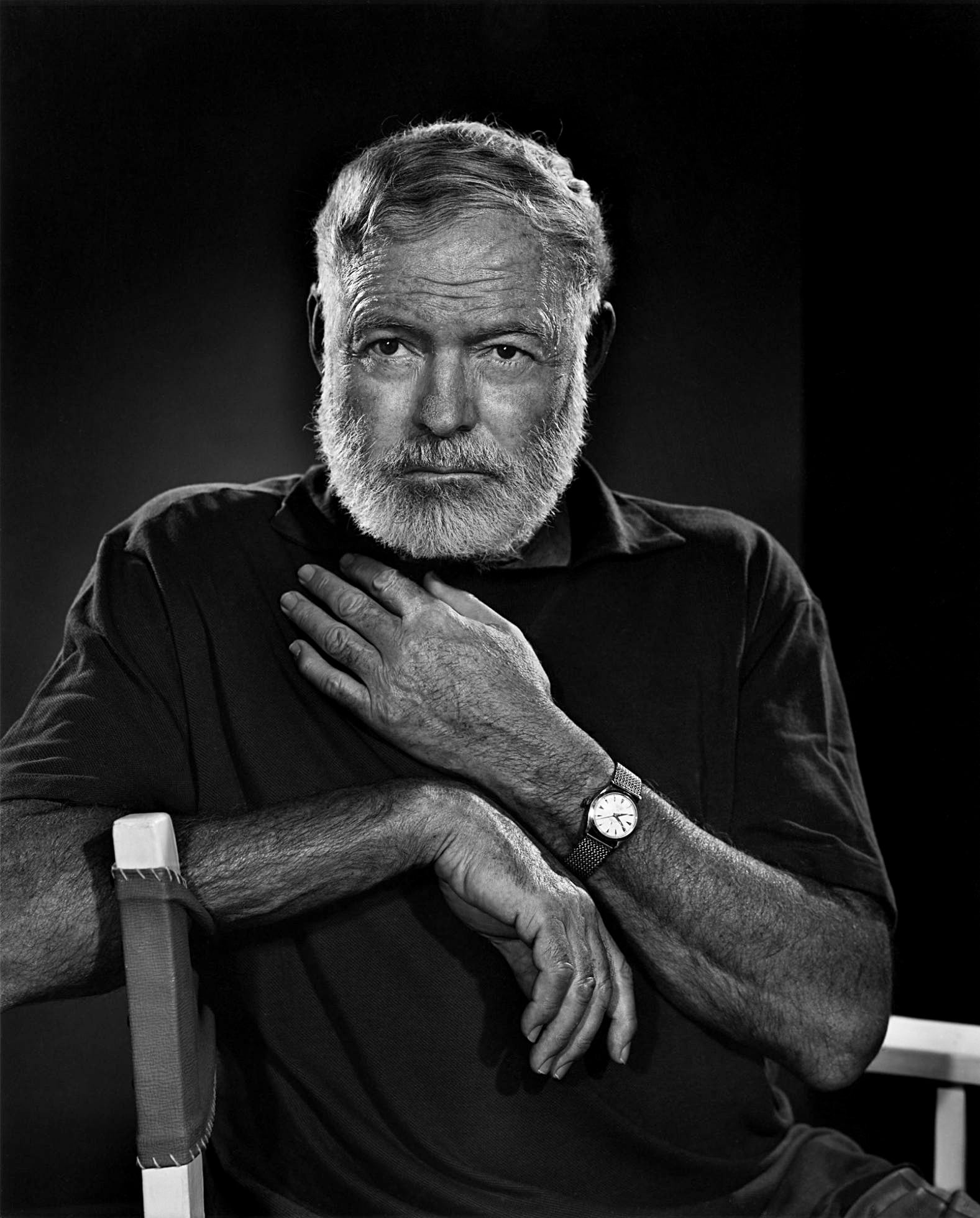
Luxury consumers are no exception during hype cycles.Here are some of my best recommended places to buy pre-owned watches:
Step 3: Buy Watches That Match Your Lifestyle; Not Your Ego
One of the fastest ways to waste money in the watch world is buying a watch designed to impress strangers instead of fit your actual life. The internet encourages performance, & social media encourages spectacle. Yet, the best watches are deeply personal objects. They quietly integrate into your daily existence rather than dominate it. A young lawyer might gravitate toward a smaller Cartier Tank because it slides elegantly beneath formalwear. A bartender or creative professional may prefer a rugged steel diving watch. Someone with a more gender-fluid style may intentionally seek out vintage unisex sizing because it feels more versatile and expressive than hyper-masculine modern sports watches.
Good watch buying requires self-awareness. Ask yourself the following questions when considering what watch to buy.
- Would I still wear this if Instagram disappeared tomorrow?
- Does this watch fit my wardrobe?
- Can I comfortably wear it daily?
- Am I buying craftsmanship or buying validation?
Asking yourself those questions in the course of the moment can be intimidating (or even stressful). Just remember that watches purchased purely for status, rarely age gracefully.
Step 4: Learn the Difference Between Steel & Precious Metal Watches
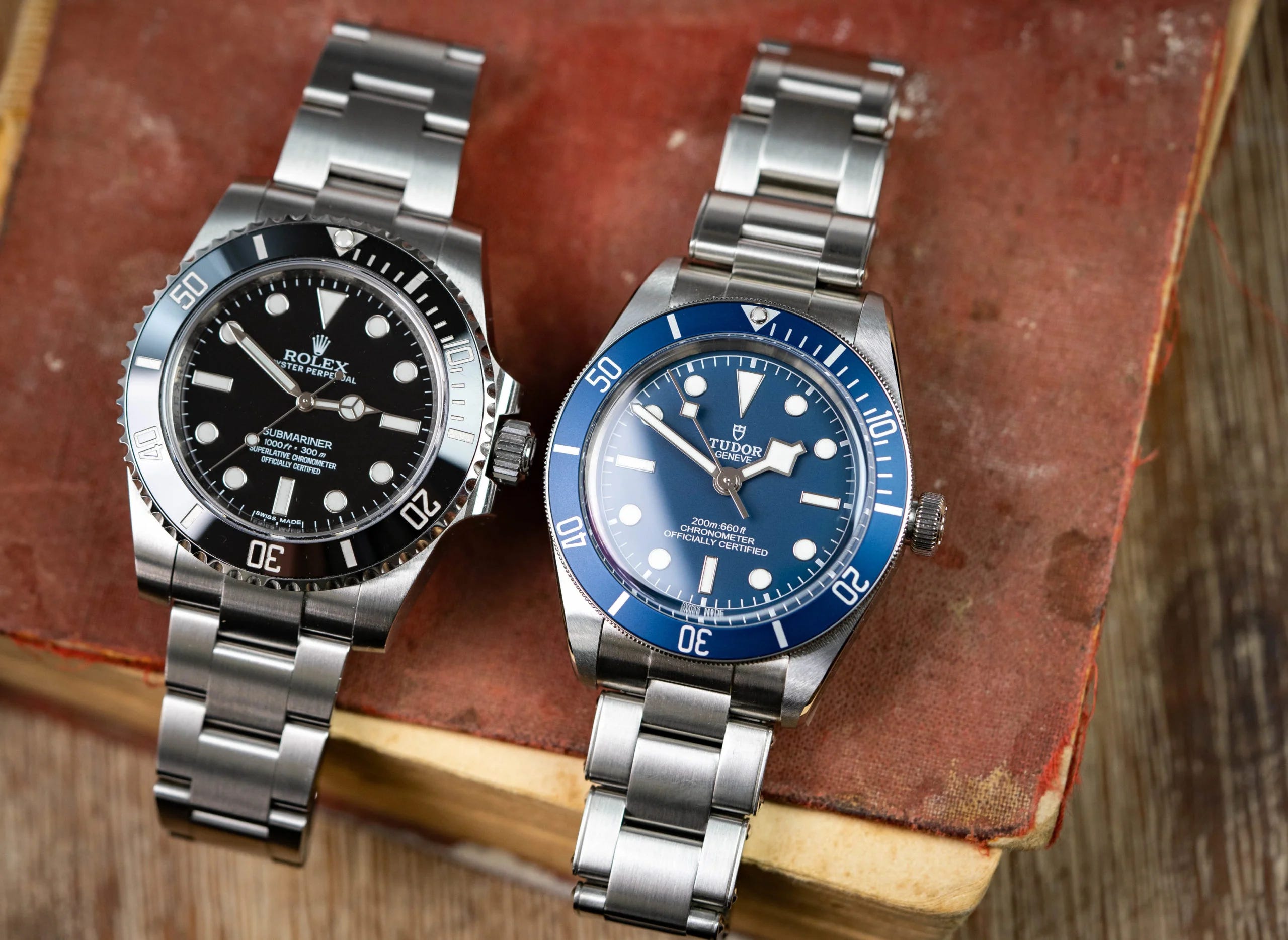
Steel sports watches and precious metal watches occupy entirely different psychological worlds. Steel watches feel functional, adventurous, and versatile. A steel Rolex Submariner or a Tudor Black Bay feels equally appropriate at a business meeting, airport lounge, cocktail bar, or coffee shop.
Gold, on the other hand, behaves differently. Gold carries thousands of years of cultural symbolism behind it. Civilizations collapse. Currencies inflate. Governments fail. Yet gold survives every economic catastrophe humanity invents. That psychological permanence still influences luxury buying today. A gold watch combines craftsmanship with intrinsic material value. Even if trends fluctuate, precious metal itself remains historically desirable. This is why gold watches often feel less like accessories and more like portable heirlooms.
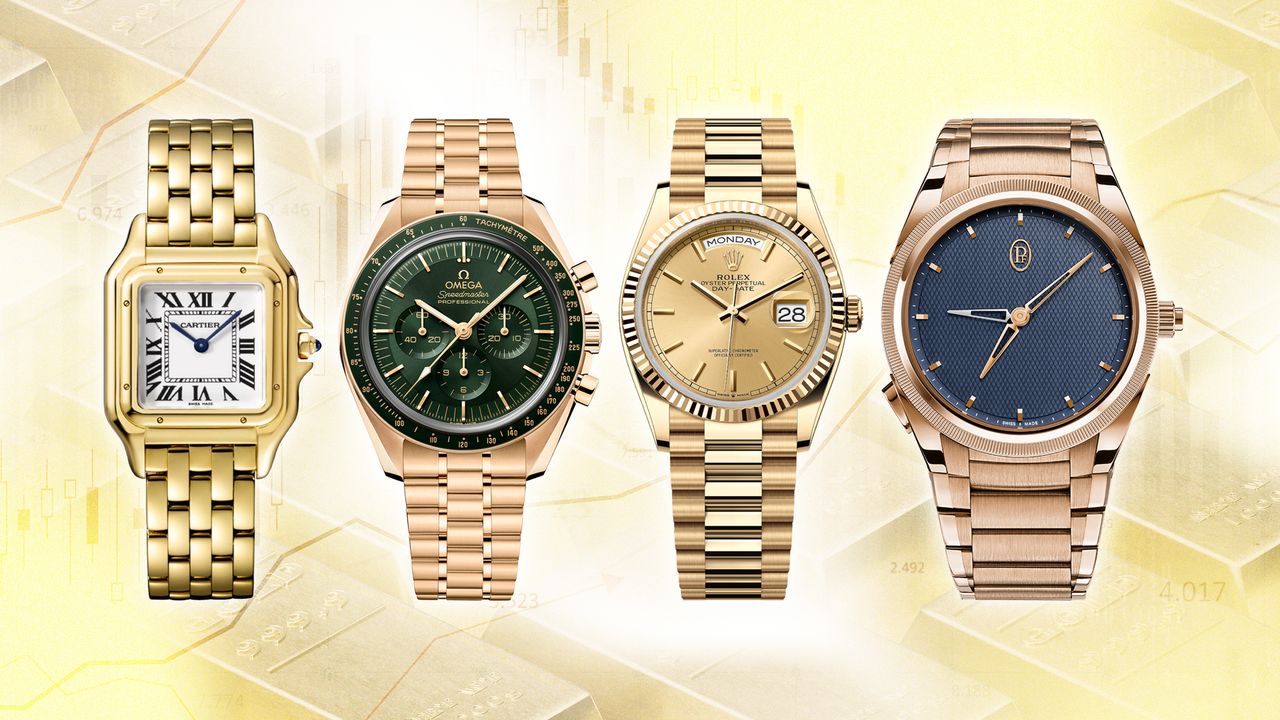
As financier J. P. Morgan famously stated before Congress in 1912:
“Gold is money. Everything else is credit.”
Step 5: Buy Brands With Historical Gravity
History sells. Collectors do not merely buy watches because they tell time accurately. They buy them because certain brands attach themselves to mythology, exploration, artistry, and cultural memory. The Omega Speedmaster went to the moon during the Apollo 11 Moon Landing. The Cartier Tank has been worn by artists, aristocrats, generals, and film stars since 1917.
Those narratives matter because human beings are storytelling creatures.
As mythologist Joseph Campbell wrote in his book The Hero with A Thousand Faces,
“Myths are public dreams, dreams are private myths.”
Luxury watches are mechanical mythology.
Step 6: Condition & Authenticity Are Everything
Nothing destroys watch value faster than carelessness. Aftermarket diamonds, counterfeit parts, over-polishing, missing paperwork, and poor servicing can devastate collector demand. Luxury watches occupy a very strange intersection between jewelry, engineering, and historical artifact. The originality of the timepiece matters enormously; hence, why experienced buyers obsess over factors such as service history, original dials, authentic bracelets, matching serial numbers, & making sure their doing business with reputable sellers.
The secondary market has also created an explosion of counterfeit watches sophisticated enough to fool inexperienced buyers entirely. A bargain price means nothing if the watch itself is fraudulent.
Step 7: Don’t Chase the Hype
The pandemic-era watch bubble convinced thousands of people that luxury watches only move upward in value. That fantasy collapsed quickly. Social media transformed steel sports watches into speculative pseudo-assets. Overnight, watches stopped being appreciated for craftsmanship and became vehicles for internet clout.
The reality is that hype is only temporary. Timelessness survives. The same irrational psychology that fueled Dutch Tulip Mania and Beanie Babies infected watches during the Covid-era lockdowns. Good watch buying, however, is usually a very boring endeavor that requires patient research, respected references, emotional restraint, and lots of long-term thinking.
The influencer screaming that his fake, cubic zirconia-covered Richard Mille will “10X next year” on TikTok, is not teaching you financial literacy. He is selling you a fantasy.
Step 8: Learn the Power of Understated Designs
Quiet luxury ages better than loud luxury. Oversized cases, excessive diamonds, and aggressively trendy designs often feel dated surprisingly quickly. Meanwhile, elegant minimalist watches continue surviving decade after decade; because simplicity rarely goes out of style. This is one reason vintage watches appeal so strongly to younger generations. A smaller Cartier Santos, vintage Tag Huer Carrera, or Vacheron Constantin dress watch often feels more refined and gender-fluid than many modern oversized sports watches.
A good design transcends trends. As architect Ludwig Mies van der Rohe famously stated:
“Less is more.”
That principle applies beautifully to watch collecting.
Step 9: Buy Watches You’d Still Love During a Recession
This is the ultimate test. If social media disappeared tomorrow, would you still wear the watch proudly? If the answer is yes, then congratulations; you are buying correctly. The strongest watches possess emotional durability. They integrate naturally into your life rather than constantly demanding attention. In my own personal opinion, a 14 karat gold Rolex Date, Datejust, or Day-Date works equally well with formalwear, streetwear, business attire, or casual clothing. It will remain elegant after more than a century, because its design language is fundamentally permanent.
Timelessness matters more than trendiness, and I will die on that hill.
Step 10: Think Like a Custodian, Not a Consumer
The best collectors do not think like shoppers. They think like caretakers. A fine mechanical watch can outlive smartphones, economic crashes, social media platforms, fashion trends, and sometimes even its original owner. That is why watches remain compelling in an increasingly synthetic civilization obsessed with convenience and disposability.
You are not simply buying jewelry or status. You are buying craftsmanship, engineering, permanence, precious metal, and history you can physically wear on your wrist. As Douglas Fairbanks once said:
“The greatest adventures are the ones you make for yourself.”
A fine watch quietly accompanies those adventures across decades. Not merely telling time, but surviving it.
Bonus Videos & Resources:
- Teddy Baldassarre – Beginner Luxury Watch Guide
- Watchfinder & Co. – How Luxury Watches Hold Value
- Chrono24 Market Index
- Bob’s Watches Rolex Market Reports
Works Cited (MLA)
- “About Rolex Watches.” Rolex. Accessed 11 May 2026.
- “Buyer Protection.” Chrono24. Accessed 11 May 2026.
- Campbell, Joseph. The Hero with a Thousand Faces. Princeton UP, 1949.
- “Cartier Tank Collection.” Cartier. Accessed 11 May 2026.
- “Chrono24 Market Index.” Chrono24. Accessed 11 May 2026.
- Fairbanks, Douglas. Douglas Fairbanks Speaking. Britton Publishing Company, 1928.
- Hemingway, Ernest. The Sun Also Rises. Scribner, 1926.
- “How to Spot Fake Rolex Watches.” Bob’s Watches. Accessed 11 May 2026.
- “How to Start Collecting Watches.” GQ. Accessed 11 May 2026.
- “Kitco Gold Spot Charts.” Kitco. Accessed 11 May 2026.
- Mies van der Rohe, Ludwig. Mies van der Rohe: An Architecture for the Age of Technology. Taschen, 2013.
- Morgan, J. P. Testimony before the House Banking and Currency Committee, 1912.
- “Omega Speedmaster History.” Omega Watches. Accessed 11 May 2026.
- Seneca. Letters from a Stoic. Translated by Robin Campbell, Penguin Classics, 1969.
- “Theory of the Leisure Class.” The Theory of the Leisure Class. Macmillan, 1899.
- Veblen, Thorstein. The Theory of the Leisure Class. Macmillan, 1899.
- “Watch Market Articles.” WatchCharts. Accessed 11 May 2026.
- “Watchfinder & Co.” Watchfinder & Co.. Accessed 11 May 2026.
- Wilde, Oscar. The Picture of Dorian Gray. Ward, Lock & Co., 1890.
About the Creator
Jacob Herr
Born & raised in the American heartland, Jacob Herr graduated from Butler University with a dual degree in theatre & history. He is a rough, tumble, and humble artist, known to write about a little bit of everything.
Enjoyed the story? Support the Creator.
Subscribe for free to receive all their stories in your feed.
Comments
There are no comments for this story
Be the first to respond and start the conversation.