
The Safest Choices for Civilians Against the Oil Crisis
Beyond Traditional Ways

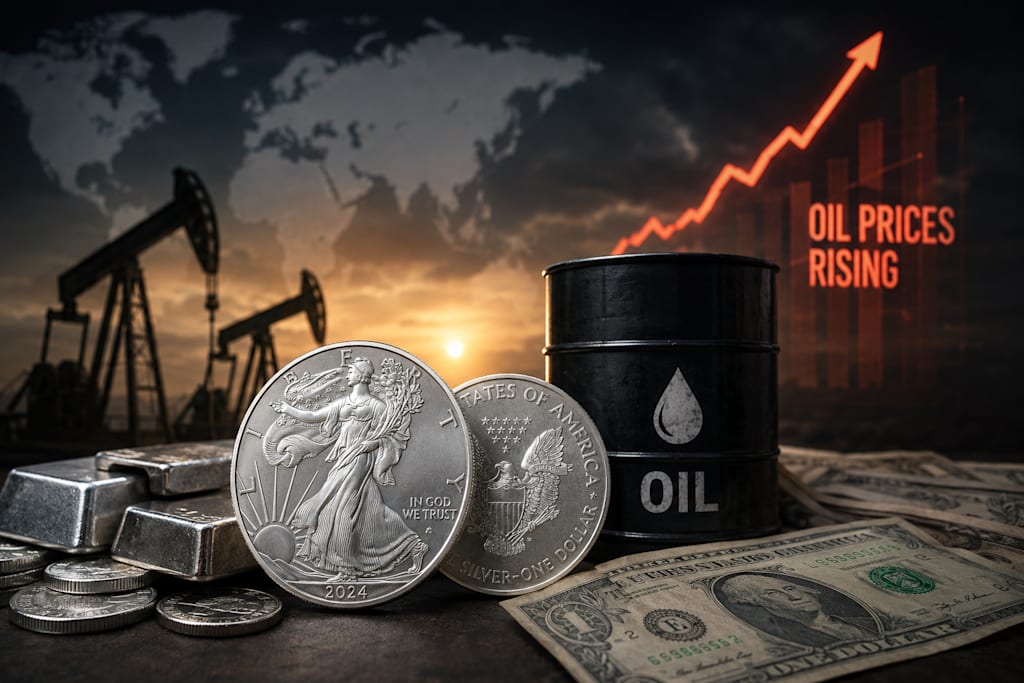
The modern world depends heavily on oil. From transportation and electricity to food supply chains and industrial production, almost every major sector is directly or indirectly tied to energy prices. Whenever oil markets become unstable, ordinary civilians are usually the first people to suffer the consequences. Rising fuel prices quickly spread into the prices of food, transportation, medicine, construction materials, and almost every daily necessity. In recent years, growing geopolitical tensions, sanctions, conflicts, and uncertainty inside oil-producing regions have once again raised concerns about a possible long-term oil crisis.
Many economists and analysts believe that the global economy is entering a dangerous period where energy security may become more important than ever before. Even small disruptions in oil production can create huge inflation waves across the world. Now, discussions surrounding possible reductions in production and the withdrawal of some major regional players from certain cooperative arrangements have created additional fear in global markets. The possibility of reduced coordination in oil production among Gulf countries, including the growing discussions regarding the UAE’s position and future strategies, may place further pressure on global energy prices if instability increases further.
For civilians, the biggest question is no longer whether a crisis may happen, but rather how they can protect the value of their savings before inflation destroys purchasing power. Throughout history, during economic collapses and oil shocks, currencies often lost value rapidly while real assets preserved wealth more effectively. People holding only paper currency frequently discovered that their savings could suddenly buy much less than before.
One of the safest strategies during uncertain times is shifting part of savings toward assets that possess intrinsic value. Gold has historically been viewed as the traditional safe haven during crises, but many ordinary civilians cannot afford large amounts of gold due to its high price. This is where silver becomes extremely important.
Silver remains surprisingly cheap compared to many other assets despite growing global uncertainty. Unlike paper currencies, silver is a physical asset with industrial and monetary value. It has been used by civilizations for thousands of years as a store of wealth. During periods of inflation, market panic, and energy crises, silver often attracts increasing demand because people seek safer alternatives to unstable currencies.
Today, silver may represent one of the most overlooked opportunities for ordinary civilians. The current global environment appears increasingly fragile. Oil prices remain vulnerable to geopolitical developments, shipping routes face uncertainty, production disagreements continue among major exporters, and inflation pressures still exist in many economies. If the oil crisis deepens further, silver prices could potentially rise sharply because investors and civilians alike may rush toward tangible assets.
Another important factor is that silver is not only a precious metal but also an industrial commodity. Modern industries use silver in electronics, solar panels, medical technologies, batteries, and advanced manufacturing. This means silver possesses dual demand. During periods of technological growth and inflationary fear, both industrial buyers and investors may compete for supply. Such conditions can create strong upward pressure on prices.
Many people make the mistake of believing that only wealthy investors can protect themselves during crises. In reality, even small and gradual purchases of valuable assets can help ordinary families preserve part of their wealth. Civilians do not necessarily need massive investments. Slowly accumulating silver coins or bars over time may become a practical strategy for long-term financial protection.
Of course, silver should not be viewed as a magical solution or guaranteed profit machine. Markets always carry risks, and prices can fluctuate significantly in the short term. However, history repeatedly shows that tangible assets often perform better than weak currencies during periods of instability and inflation. When governments print large amounts of money or when energy shocks damage economies, hard assets generally become more attractive.
Besides silver, civilians should also think carefully about reducing unnecessary dependence on vulnerable systems. During oil crises, transportation and imported goods become more expensive. Families that develop local businesses, agriculture, small-scale production, or renewable energy solutions may become more resilient than those fully dependent on fragile supply chains.
Food security also becomes extremely important. In many previous oil crises, food prices increased dramatically because agriculture itself depends heavily on fuel for transportation, machinery, and fertilizer production. Civilians who invest in productive land, water systems, or local food production may protect themselves more effectively against future instability.
Energy-saving technologies can also become valuable assets. Solar systems, batteries, efficient transportation, and local energy generation may help families reduce exposure to rising fuel costs. In regions with unstable electricity or fuel prices, renewable energy may become not only environmentally beneficial but economically necessary.
Another critical issue is public psychology during crises. Panic often causes people to make irrational decisions. During inflationary periods, many individuals rush into speculative assets without understanding the risks. Others hold large amounts of rapidly devaluing currency while hoping conditions will improve. Wise financial behavior requires patience, diversification, and long-term thinking rather than emotional reactions.
The current global atmosphere suggests that energy markets may remain unstable for years rather than months. Conflicts in strategic regions, political disagreements among exporters, sanctions, economic competition between global powers, and changing production policies all contribute to uncertainty. If the UAE and other major producers continue adjusting their positions within global oil arrangements, oil supply expectations may face additional pressure. Such developments can rapidly influence transportation costs, manufacturing expenses, and inflation worldwide.
In such an environment, civilians must think beyond traditional savings methods. Simply holding cash in unstable economic conditions may gradually erode purchasing power. Diversifying into real assets, especially undervalued commodities like silver, may provide an important layer of protection.
Ultimately, the safest choices during an oil crisis are not based on panic but preparation. Civilians who stay informed, avoid reckless speculation, invest carefully in tangible assets, and strengthen their economic independence may navigate uncertainty more successfully than those who ignore warning signs. Silver, due to its affordability, historical role, industrial demand, and current undervaluation, may become one of the most practical protective assets for ordinary people in the years ahead.
About the Creator
Keramatullah Wardak
I write practical, science-backed content on health, productivity, and self-improvement. Passionate about helping you eat smarter, think clearer, and live better—one article at a time.
Enjoyed the story? Support the Creator.
Subscribe for free to receive all their stories in your feed.
Comments
There are no comments for this story
Be the first to respond and start the conversation.