
The Housing Industry Faces Additional Challenges in 2026, as Mortgage Rates in the United States Rise.
Rising Borrowing Costs, Challenges to Affordability of Housing, and What Buyers Should Expect in 2026

The U.S. housing market entered 2026 with renewed optimism after mortgage rates briefly dipped below 6% earlier in the year. That optimism has quickly waned. Once again, long-term mortgage rates are rising, making it more expensive for homebuyers to borrow money and bringing new uncertainty to the real estate industry.
The most recent data from Freddie Mac indicate that the average rate for a 30-year fixed mortgage increased to somewhere between 6.30 percent and 6.37 percent, reversing several weeks of declines and bringing affordability back into focus. During the spring homebuying season, when inventory is increasing but affordability is still a challenge for millions of Americans, the rate rebound comes at an important time.
Mortgage Rates in the United States (2026):
Mortgage rates fluctuate significantly as economic uncertainty, concerns about inflation, and geopolitical tensions continue to influence Treasury yields and lending markets.
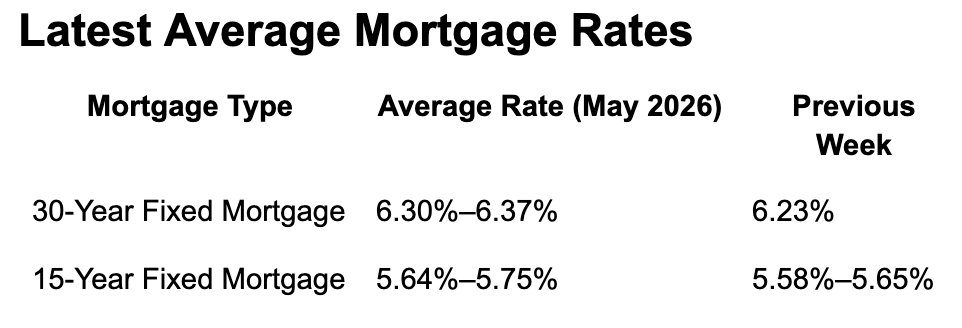
After falling for a number of weeks, Freddie Mac confirmed that the standard 30-year fixed-rate mortgage increased.
The recent increase may appear modest numerically, but even small rate changes significantly affect affordability. A change from 6.0% to 6.37% on a $400,000 mortgage loan can result in annual payments of hundreds of dollars more.
Why Mortgage Rates Are Increasing Once More:
Mortgage rates will rise in 2026 as a result of a number of significant economic factors.
Volatility in Treasury Yields:
The 10-year Treasury yield's movements are closely followed by mortgage rates. Bond yields rise as investors react to inflation risks and geopolitical instability, forcing lenders to raise mortgage rates.
Financial market volatility has increased as a result of recent global tensions and concerns about energy prices. Reuters reported that geopolitical instability linked to the Iran conflict contributed to higher Treasury yields and renewed upward pressure on mortgage rates.
Federal Reserve Policy Remains Restrictive:
To combat persistent inflation, the Federal Reserve has maintained relatively high interest rates. The Federal Reserve has been cautious, despite the fact that many economists anticipated drastic rate cuts in 2026. Current policy signals suggest mortgage rates could remain above 6% for much of the year.
Inflation Concerns Continue:
Housing, insurance, healthcare, and energy are just a few of the key industries where inflation has remained stubborn. Lenders demand higher returns on long-term loans as inflation expectations rise, which directly drives up mortgage rates.
How Homebuyers Are Affected by Higher Mortgage Rates:
The cost of borrowing is very important to the housing market. Mortgage rates, even if they go up only a little, have a significant negative impact on purchasing power.
Increase in Monthly Payment:
A mortgage at 6.0% and a mortgage at 6.5% can differ significantly.
These increases result in additional interest payments totaling tens of thousands of dollars over a 30-year period.
Problems with affordability are getting worse:
Higher rates make it harder for buyers to get financing, especially first-time buyers who are already having trouble affording their homes and insurance. Despite having stable incomes, many borrowers are now priced out of similar properties that they could comfortably afford in 2021 or 2022.
The Housing Market Is At Last Improving:
The gradual rise in the number of homes on the market in 2026 is one surprising development. According to Freddie Mac and housing analysts, buyers now have more options than they did during the pandemic's extremely competitive housing boom.
Why Is There More Inventory?
There are a number of factors that are helping to increase supply:
- Reduced buyer demand as a result of high rates increased
- The number of new homes built
- Expectations being adjusted by sellers
- Extending the time that homes are on the market
According to Reuters, there are still approximately 481,000 new homes for sale in the United States.
The Softening of Home Prices:
Growth has slowed significantly, but home prices have not dropped nationwide. Seller concessions and price reductions are currently occurring in some areas. Buyers now have more negotiating leverage than in previous years thanks to this shift.
Trends in Mortgage Rates:
Since 2021, over the past five years, the mortgage market has undergone historic shifts.
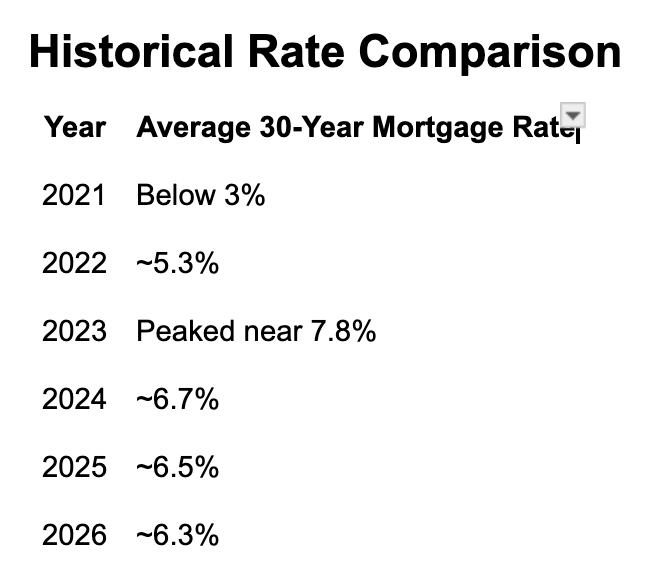
Mortgage rates are still significantly higher than the pandemic-era lows, but they are still significantly lower than the peak in 2023.
Why Buyers Are Still Entering the Market Despite High Rates:
Higher borrowing costs have not completely stopped housing demand.
Pent-Up Demand Remains Strong:
Low inventory and bidding wars in previous years caused millions of Americans to delay purchases. Many buyers are now re-entering the market because conditions have become slightly more balanced.
MarketWatch reported that pending home sales recently posted their strongest increase in several weeks despite rising rates.
Housing Demand Continues To Be Supported by Demographics:
Millennials and Gen Z buyers are entering prime homebuying years. Long-term housing demand is supported by strong household formation even in higher-rate environments.
Refinancing Activity Is Slowly Recovering:
When mortgage rates rose above 7%, refinancing collapsed, but activity is beginning to stabilize. As interest rates fluctuate near 6.3 percent, borrowers who obtained mortgages in 2023 at rates close to 7.5 percent are increasingly looking into refinancing options. Along with rising demand for purchases, Freddie Mac reported an increase in refinance applications.
Will mortgage rates eventually decrease in 2026?:
The rapidly shifting economic conditions continue to make it challenging to forecast mortgage rates.
Most Analysts Expect Rates to Stay Above 6%
While modest declines remain possible, many analysts no longer expect mortgage rates to fall dramatically in 2026.
The potential for aggressive declines is still limited by economic uncertainty, persistent inflation, and geopolitical risks.
Factors That Have the Potential to Lower Rates:
Mortgage rates may fall if:
- Significantly lower inflation
- Rates are aggressively reduced by the Federal Reserve.
- Tender yields plunge significantly.
- Significantly weakens economic expansion
volatility is likely to continue until then.
Best Strategies for Homebuyers in a High-Rate Environment:
Instead of waiting indefinitely, successful buyers are adapting their strategies.
Enhance Credit Ratings:
Lending costs can be significantly reduced with higher credit scores. Even a rate reduction of 0.25% results in significant savings over time.
Shop Multiple Lenders:
Mortgage offers vary widely between lenders. One of the best ways to lower your monthly payments is still to compare several loan estimates.
Carefully Think About Mortgages With Adjustable Rates:
To lower their initial payments, some buyers are looking into adjustable-rate mortgages (ARMs). These products may have lower initial costs, but they also introduce uncertainty regarding the future.
Negotiate Seller Concessions:
As inventory rises, sellers are increasingly willing to:
- Pay for the closing costs
- Buy mortgage rates down
- Reduce asking prices
- Include credit for repairs
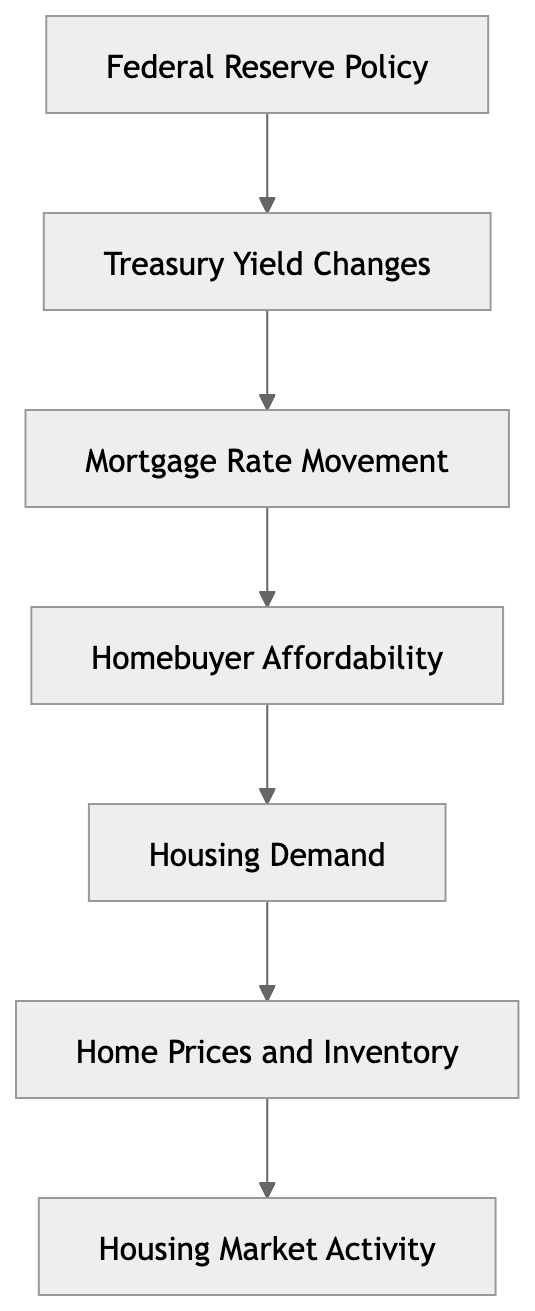
Flow of Mortgages in 2026:
Perspectives for the Housing Market in 2026:
After years of extreme volatility, the housing market in the United States is about to enter a more balanced phase. Despite the fact that mortgage rates remain elevated in comparison to their previous lows, increased inventory and slower price growth are providing opportunities for buyers who are prepared.
Bidding wars and panic buying no longer dominate the market. Instead, buyers are approaching purchases more cautiously, focusing heavily on affordability and long-term financial stability.
As the era of extremely low interest rates on mortgages continues to fade away, professionals in real estate, construction, and lending are adjusting to this new setting.
What to Expect from Mortgage Rates in 2026:
- The typical 30-year mortgage rate is currently between 6.30% and 6.37 percent.
- Rates are going up because of concerns about inflation and rising Treasury yields.
- Housing inventory is improving nationwide.
- A major obstacle remains the cost of a home.
- Through much of 2026, the majority of forecasts anticipate mortgage rates to remain above 6%.
- As competition decreases, buyers are gaining negotiating leverage.
The housing market remains active, but affordability pressures continue reshaping buyer behavior across the United States.
About the Creator
Enjoyed the story? Support the Creator.
Subscribe for free to receive all their stories in your feed.
Comments
There are no comments for this story
Be the first to respond and start the conversation.