
Tesla Stock Outlook as EV Growth Slows and AI Strategy Expands
Tesla Stock remains a key market focus as investors evaluate EV competition, AI-driven innovation, and broader tech sector trends including Intel INTC Stock.

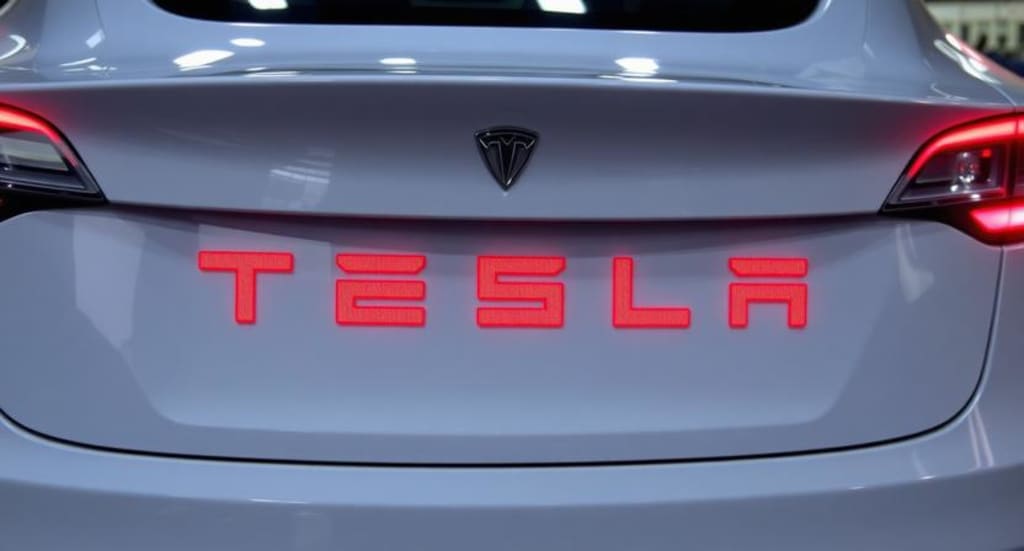
Tesla Stock in a Shifting Market Environment
Tesla Stock continues to remain one of the most closely followed equities in global financial markets as investors reassess the long-term growth trajectory of the electric vehicle industry. What was once considered a high-growth, near-monopoly-like EV story has now evolved into a more complex competitive landscape shaped by pricing pressure, global manufacturing expansion, and rapid technological change.
Tesla is no longer evaluated solely as an automaker. Instead, the company is increasingly viewed as a hybrid technology firm operating across electric mobility, artificial intelligence, energy storage, and software systems. This broader identity has expanded investor expectations, but it has also introduced higher scrutiny regarding execution, margins, and long-term scalability.
At the same time, the wider technology ecosystem, including semiconductor leaders such as Intel INTC Stock, plays an indirect but important role in shaping Tesla’s future. Advanced chips, AI processing power, and computing infrastructure are essential for Tesla’s autonomous driving ambitions and next-generation software capabilities.
EV Industry Is Entering a More Competitive Phase
The electric vehicle industry has undergone a dramatic transformation over the past decade. Early dominance by Tesla has gradually shifted into a more balanced competitive environment as global automakers accelerate their EV strategies. Traditional automotive companies are now investing heavily in electric platforms, battery technology, and software integration to compete directly in the same market space.
This has created a more challenging growth environment for Tesla Stock investors. Instead of focusing purely on rapid expansion, the market now evaluates Tesla based on profitability, delivery consistency, production efficiency, and pricing strategy. Margins have become a key focus area, especially as price competition intensifies across multiple regions.
Consumer demand for electric vehicles continues to grow globally, but the distribution of that demand is becoming more fragmented. Buyers now have access to a wider range of EV options across different price segments, which increases pressure on Tesla to maintain its competitive advantage through innovation rather than pricing alone.
Artificial Intelligence as a Strategic Growth Pillar
Artificial intelligence has become one of the most important long-term themes shaping Tesla’s future strategy. The company is heavily invested in autonomous driving technology, which depends on advanced AI models capable of interpreting real-world environments in real time.
Tesla’s AI systems require massive computational power, continuous data processing, and advanced machine learning capabilities. This places the company at the intersection of multiple high-growth technology sectors, including AI software, robotics, and semiconductor computing infrastructure.
The importance of AI also creates indirect connections between Tesla and the broader semiconductor industry. Companies involved in chip design and manufacturing, such as Intel INTC Stock, play a foundational role in enabling the computing performance required for AI-driven applications.
As AI continues to evolve, Tesla’s long-term valuation will increasingly depend on its ability to scale autonomous driving safely and efficiently. If successful, this could significantly expand the company’s revenue model beyond traditional vehicle sales.
Energy Business Adds a Secondary Growth Layer
In addition to its automotive segment, Tesla has developed a growing energy business focused on battery storage, solar energy systems, and grid-scale energy solutions. This division plays an important role in Tesla’s broader mission of accelerating global sustainability.
Energy storage systems are becoming increasingly relevant as renewable energy adoption expands worldwide. Tesla’s battery technology is used in both residential and commercial applications, helping stabilize energy grids and improve efficiency in power distribution.
While this segment provides diversification, it still represents a smaller portion of overall revenue compared to the automotive business. However, investors often view it as a long-term strategic advantage that could become more significant as global energy systems transition toward renewable sources.
Financial Performance and Market Sensitivity
Tesla Stock is highly sensitive to financial performance metrics, particularly vehicle deliveries, revenue growth, and profit margins. Unlike many traditional companies, Tesla’s valuation often reflects future expectations more than current earnings, which increases volatility during earnings cycles.
Periods of strong delivery growth tend to support bullish sentiment, while margin compression or slower-than-expected demand can quickly shift investor confidence. This dynamic makes Tesla one of the most reactive stocks in the technology and automotive sectors.
Investor sentiment is also influenced by broader macroeconomic conditions, including interest rates, consumer spending trends, and global supply chain stability. Higher interest rates, for example, can reduce demand for high-growth stocks by increasing discount rates used in valuation models.
At the same time, developments in the semiconductor industry and AI infrastructure, including progress from companies like Intel INTC Stock, indirectly affect market expectations for technology-driven firms such as Tesla.
Increasing Competition in Global EV Markets
Competition has become one of the most significant challenges for Tesla. Global automakers are rapidly expanding their electric vehicle portfolios, often supported by government incentives and large-scale industrial investments.
This increased competition has forced Tesla to adjust its pricing strategies in several markets. While this approach has helped maintain demand, it has also raised concerns about long-term profitability and margin sustainability.
In addition to traditional automotive competitors, new EV-focused companies are also entering the market with aggressive growth strategies. This combination of established manufacturers and emerging players has created a more fragmented competitive landscape.
As a result, Tesla must continue focusing on innovation, production efficiency, and software differentiation to maintain its leadership position in the EV industry.
Long-Term Outlook for Tesla Stock
The long-term outlook for Tesla Stock remains closely tied to the company’s ability to execute across multiple strategic areas. These include electric vehicle production, AI-driven autonomous systems, energy storage expansion, and global manufacturing efficiency.
Tesla’s future growth potential depends heavily on whether it can successfully transition from a high-growth EV manufacturer into a diversified technology platform company. This transition requires sustained innovation and strong operational execution.
At the same time, broader technology trends such as artificial intelligence adoption, semiconductor advancements, and digital infrastructure expansion will continue shaping the investment landscape. Companies involved in these ecosystems, including Intel INTC Stock, play an important supporting role in enabling next-generation computing capabilities.
For investors, Tesla represents both opportunity and risk. The company operates in high-growth industries but also faces intense competition and evolving market expectations. This combination makes Tesla one of the most closely analyzed stocks in global financial markets.
FAQ About Tesla Stock
Why is Tesla Stock highly volatile?
Tesla Stock is volatile because its valuation is strongly influenced by future growth expectations, competition, and market sentiment around technology trends.
How does AI impact Tesla’s business model?
AI is essential for Tesla’s autonomous driving systems, robotics development, and long-term software-driven revenue potential.
What role does the energy business play in Tesla’s growth?
Tesla’s energy segment provides diversification through battery storage and solar solutions, supporting long-term sustainability goals.
How is Tesla connected to semiconductor companies?
Tesla relies on advanced chips for AI processing and autonomous systems, linking it indirectly to semiconductor leaders such as Intel INTC Stock.
What are the main risks for Tesla investors?
Key risks include increasing EV competition, margin pressure, execution challenges in AI systems, and broader economic conditions affecting demand.
About the Creator
Hammad Nawaz
Hammad here, sharing stock market insights, trading strategies, and tips. Helping traders understand trends, risk, and opportunities in equities, forex, and commodities.
Enjoyed the story? Support the Creator.
Subscribe for free to receive all their stories in your feed.
Comments
There are no comments for this story
Be the first to respond and start the conversation.