history
Major moments in the history of the stock market, from the birth of stock exchanges to catastrophic market crashes and more.
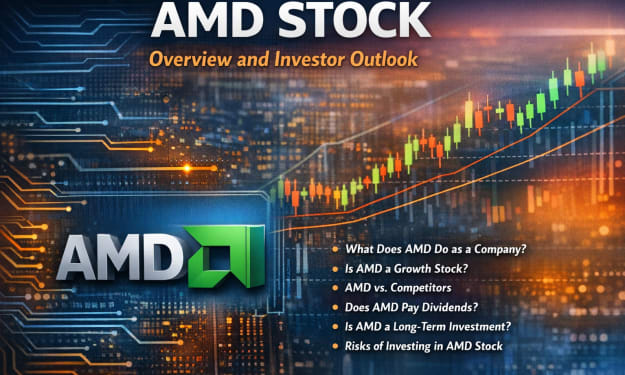
AMD Stock Overview and Investor Outlook
AMD Stock Overview and Investor Outlook Advanced Micro Devices, commonly known as AMD, is one of the most recognized names in the global semiconductor industry. The company designs high performance processors and graphics technologies used in personal computers, data centers, gaming consoles, and embedded systems. AMD stock attracts strong attention from investors due to its role in artificial intelligence, cloud computing, and high performance computing markets. Over the years, AMD has transformed from an underdog competitor into a major force challenging larger rivals. This transformation has reshaped how investors view the company and its long term potential. AMD stock is often associated with growth, innovation, and market share expansion, but it also comes with volatility typical of technology stocks. **What Does AMD Do as a Company** AMD develops central processing units and graphics processing units that power a wide range of devices. Its products are used by consumers, enterprises, and governments. The company focuses heavily on innovation, using advanced chip architectures to improve performance and energy efficiency. AMD also licenses its technology to major partners, expanding its reach beyond retail products. **Why Is AMD Stock So Popular With Investors** AMD stock is popular because the company operates in high growth sectors such as artificial intelligence, data centers, gaming, and cloud computing. Investors see AMD as a company that benefits from long term digital transformation trends. Its ability to compete technologically with larger rivals has strengthened confidence in its future earnings potential. **Is AMD Considered a Growth Stock or a Value Stock** AMD is generally considered a growth stock. Investors typically buy AMD shares expecting future revenue and profit expansion rather than immediate income. The company reinvests heavily in research and development, which supports innovation but can also create earnings fluctuations from quarter to quarter. **What Factors Influence the Price of AMD Stock** Several factors can impact AMD stock performance. These include demand for semiconductors, competition within the chip industry, product launch success, and overall market sentiment toward technology stocks. Broader economic conditions, such as interest rates and global supply chain stability, can also affect investor confidence in AMD shares. **How Does AMD Compare to Its Competitors** AMD competes directly with other major semiconductor companies in CPUs and GPUs. Its competitive strength lies in performance efficiency and pricing strategies. While competitors may have larger market share or deeper financial resources, AMD has gained attention for delivering strong performance gains and innovative architectures that appeal to both consumers and enterprise clients. **Is AMD Stock Volatile** Yes, AMD stock is known for volatility. Like many technology stocks, its price can move sharply in response to earnings reports, guidance updates, or changes in market expectations. This volatility can create opportunities for traders, but it also means long term investors must be comfortable with price swings. **Does AMD Pay Dividends to Shareholders** AMD does not typically focus on paying dividends. Instead, the company prioritizes reinvestment into product development and strategic growth initiatives. Investors interested in income may look elsewhere, while those focused on capital appreciation are often drawn to AMD stock. **Is AMD Stock Suitable for Long Term Investment** AMD stock may appeal to long term investors who believe in the continued growth of computing, artificial intelligence, and advanced semiconductor technologies. The company’s focus on innovation and expanding markets supports a long term growth narrative. However, investors should consider risks such as competition, market cycles, and economic downturns. **What Risks Should Investors Consider Before Buying AMD Stock** Key risks include intense competition, rapid technological changes, and dependence on global manufacturing partners. Semiconductor demand can be cyclical, which may affect revenue during slower periods. Market volatility and broader economic uncertainty can also influence stock performance. AMD stock remains a closely watched asset in the technology sector. Its connection to future focused industries makes it attractive to growth oriented investors, while its volatility requires careful consideration. Understanding the company’s business model, risks, and growth drivers is essential for anyone considering AMD as part of an investment strategy.
By America today 9 months ago in Trader
Leading Fintech Companies of 2025 in the UK You Should Know
The UK fintech scene in 2025 is nothing short of electric. Think of it as a high-speed train that never stops picking up momentum. From digital banks replacing traditional branches to AI-driven platforms managing money smarter than ever, fintech in the UK has officially grown up and it’s leading the global race. Whether you’re a business owner, investor, freelancer, or just someone who wants easier control over their money, knowing the top fintech players is no longer optional. Let’s break down the leading fintech companies in the UK in 2025 that you should definitely have on your radar.
By Talha Mazhar9 months ago in Trader
10 Real Reasons We Can't Stop Broadcasting Our Lives and THINGS
Every time you scroll through your feed, you see them. The perfectly framed vacation photo. The luxury car casually positioned in the driveway. The designer bag that "just arrived." The promotion announcement with three paragraphs of humility wrapped around one core message: Look at me.
By Destiny S. Harris10 months ago in Trader
Controversy at Work: Allegations of Unfair Employee Dismissals at Amazon
## Controversy at Work: Allegations of Unfair Employee Dismissals at Amazon Amazon is one of the world’s largest employers, operating across logistics, technology, retail, and cloud computing. With such a massive workforce, employment practices at Amazon often attract public attention. In recent years, allegations of unfair or arbitrary employee terminations have become a frequent topic of discussion. Many workers and observers have raised concerns about whether some dismissals were unjust, sudden, or lacking transparency. This article explores the issue of alleged unfair employee dismissals at Amazon while answering the most common questions people search for and ask. Amazon states that it follows internal policies and labor laws when managing its workforce. However, critics argue that the company’s performance-driven culture, strict productivity targets, and automated management systems can sometimes result in employees being dismissed in ways that feel abrupt or unfair. These claims have fueled debates about workers’ rights, corporate responsibility, and the balance between efficiency and fairness in modern workplaces. **What Does Unfair Termination Mean?** Unfair termination generally refers to dismissing an employee without a valid reason, without proper warning, or in violation of labor laws or company policies. It may also include cases where workers believe they were fired for speaking out, organizing, reporting issues, or circumstances beyond their control such as illness or technical errors. In large corporations, disputes over unfair termination often arise when employees feel they were not given a fair chance to explain or improve their performance. **Why Do Some Amazon Employees Claim They Were Fired Unfairly?** Some Amazon employees claim unfair dismissal due to strict performance metrics and monitoring systems. In warehouses and delivery operations, productivity is often tracked digitally, and failure to meet targets can lead to warnings or termination. Workers argue that these systems sometimes do not account for human factors such as fatigue, health issues, equipment problems, or unrealistic expectations. In office and tech roles, employees have reported sudden terminations following performance reviews or organizational changes. **Are Automated Systems Involved in Employee Termination?** A common concern raised by workers is the role of automated systems in monitoring performance and triggering disciplinary actions. In some roles, algorithms track output, time, and efficiency. Critics argue that relying heavily on automated evaluations can reduce human judgment and lead to dismissals without adequate context. Employees who feel affected by this system often say they were not properly heard before decisions were made. **Do Amazon Employees Receive Warnings Before Being Fired?** According to company policy, Amazon typically uses a progressive discipline process, which may include feedback, warnings, and improvement plans. However, some former employees claim that warnings were unclear, rushed, or not properly communicated. Others say they were placed on improvement plans that felt impossible to complete within the given timeframe, leading to termination despite their efforts. **Are Certain Departments More Affected Than Others?** Allegations of unfair termination are more commonly associated with high-pressure roles such as warehouse staff, delivery drivers, and customer service employees. These positions often involve strict targets, physical demands, and time-based measurements. However, reports of dissatisfaction have also come from corporate and technical roles, particularly during restructuring, cost-cutting measures, or changes in leadership priorities. **What Legal Rights Do Amazon Employees Have?** Employee rights vary by country and region, but workers generally have the right to fair treatment, clear communication, and protection against unlawful dismissal. In some cases, former Amazon employees have pursued legal action, labor complaints, or arbitration, claiming wrongful termination. The outcomes depend on local labor laws, employment contracts, and the specific circumstances of each case. **How Does Amazon Respond to These Allegations?** Amazon has consistently stated that it aims to be a fair and responsible employer. The company emphasizes that it offers competitive wages, benefits, and opportunities for advancement. In response to criticism, Amazon often highlights its internal review processes and claims that terminations are based on documented performance issues or policy violations. However, critics argue that transparency and accountability still need improvement. **What Impact Do These Dismissals Have on Workers?** For affected employees, sudden dismissal can lead to financial stress, emotional strain, and uncertainty about future employment. Many workers report feeling disposable or undervalued, especially when terminations occur without clear explanations. These experiences can also influence public perception of the company and raise broader questions about job security in large corporations. **Are There Broader Implications for the Workforce?** The debate around unfair termination at Amazon reflects a wider issue in modern workplaces where technology-driven management and high efficiency demands are becoming more common. It raises questions about how companies can balance productivity with empathy, fairness, and employee well-being. As more organizations adopt similar systems, these concerns are likely to grow. **What Can Employees Do If They Feel Unfairly Dismissed?** Employees who believe they were dismissed unfairly often seek legal advice, file internal appeals, or turn to labor authorities depending on local laws. Documenting performance history, communications, and workplace conditions can be important steps. Awareness of rights and access to support resources can help workers navigate these challenging situations. Allegations of unfair employee dismissal at Amazon continue to spark debate among workers, labor advocates, and the public. While Amazon remains a major employer with significant opportunities, these concerns highlight the importance of transparency, human judgment, and fairness in managing large workforces. As discussions around employee rights evolve, the issue remains a key topic in conversations about the future of work.
By America today 10 months ago in Trader
A World in Motion: How Global Affairs Are Redefining Power and Peace
A World in Motion: How Global Affairs Are Redefining Power and Peace The world is living through a period of constant change, where global affairs influence not only governments but the everyday lives of ordinary people. From economic tensions and political rivalries to climate challenges and technological competition, international events are reshaping how nations interact and how power is defined. World affairs are no longer distant headlines; they are forces that directly affect jobs, security, and stability across continents.
By Wings of Time 10 months ago in Trader
Sanctions, Strategy, and Silence: The U.S.–Pakistan Equation
Sanctions, Strategy, and Silence: The U.S.–Pakistan Equation The relationship between the United States and Pakistan has never been simple. It has moved through phases of close cooperation, deep mistrust, strategic partnership, and long periods of silence. Unlike some international relationships that are clearly friendly or openly hostile, the U.S.–Pakistan equation exists in a gray zone shaped by security concerns, regional politics, and global strategy.
By Wings of Time 10 months ago in Trader
Katrina Pierce: Driving Sustainable Trade in the Shea Butter Industry
Businesses are expected to provide not only high-quality products, but also sustainability, ethical responsibility, and transparency in their supply chain. Katrina Pierce is the founder of Avenue 27 and Shea Nexus, a company that operates under this trade name. Few entrepreneurs are as familiar with the challenges as Katrina Pierce . Katrina Pierce has established herself as a leader in the field of sustainable business growth, ethical sourcing and international trade.
By Katrina Pierce10 months ago in Trader