
QMines Limited Analysis 2026: Copper Exploration Outlook and Market Drivers
Explore QMines Limited’s copper and gold exploration potential, mining sector trends, and how global demand for critical minerals is shaping investor interest.

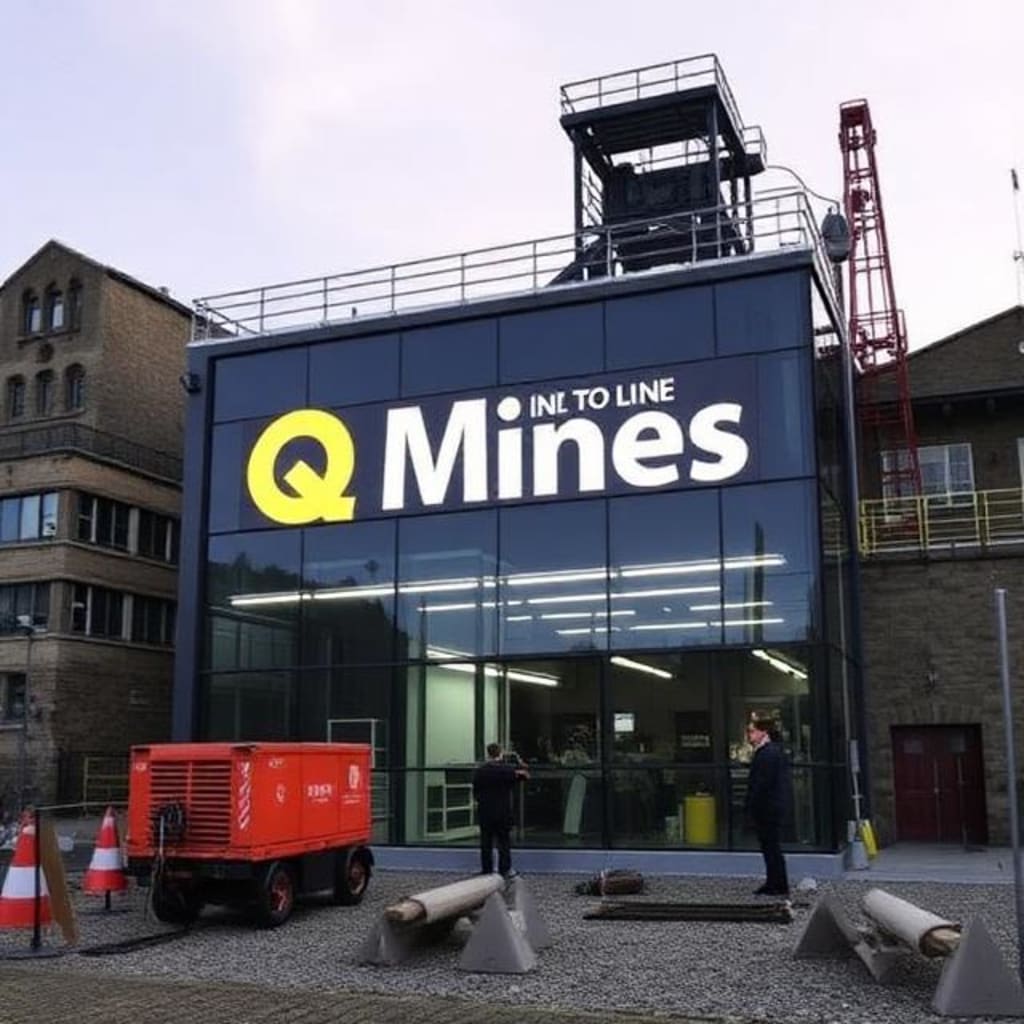
QMines Limited and Its Position in the Expanding Global Copper Story
QMines Limited is gaining attention in the resource and mining sector as global demand for copper and gold continues to strengthen due to rising industrial activity and rapid technological expansion. Investors are increasingly focused on exploration companies tied to critical minerals because copper plays a central role in electrification, renewable energy infrastructure, and modern digital systems. As global economies continue shifting toward advanced technology and energy transition projects, companies involved in early-stage resource development are becoming more relevant in long-term investment discussions.
Copper has moved from being just an industrial metal to a strategic resource essential for modern economic development. It is widely used in electrical grids, electric vehicles, data centers, renewable energy systems, and semiconductor manufacturing. This broad usage has significantly increased long-term demand expectations and positioned copper-focused companies at the center of global supply chain discussions.
QMines Limited operates within this evolving environment where resource security and long-term supply stability are becoming increasingly important. Governments and industries are investing heavily in electrification and digital infrastructure, which indirectly supports demand for copper exploration and development companies. As a result, investor interest in mining exploration firms with copper exposure has increased steadily in recent years.
Copper Demand and the Global Energy Transition
The global shift toward renewable energy and electrification is one of the most important factors driving copper demand. Solar power systems, wind farms, electric vehicles, and smart grid networks all require significant amounts of copper for efficient energy transmission and system performance. As countries commit to carbon reduction targets and infrastructure modernization, long-term demand for copper is expected to remain strong.
This structural demand trend is not limited to traditional industries. The expansion of artificial intelligence and cloud computing infrastructure is also contributing to rising copper consumption. Large-scale data centers require advanced electrical systems, cooling technologies, and high-capacity connectivity, all of which depend on copper-based components. As digital transformation accelerates globally, this demand is expected to increase further.
The performance of the NASDAQ 100 also reflects the growing connection between technology expansion and industrial resource demand. Many companies within the index are heavily investing in artificial intelligence, semiconductor manufacturing, and cloud infrastructure, all of which require large-scale physical and electrical systems supported by industrial metals like copper.
At the same time, supply constraints in the mining industry are becoming more visible. Declining ore grades in existing mines, combined with rising demand projections, have created concerns about long-term copper availability. This imbalance has increased investor attention toward exploration companies that could contribute to future supply growth.
QMines Limited and Exploration Sector Opportunities
Exploration companies like QMines Limited operate in a high-risk but potentially high-reward segment of the mining industry. These businesses focus on identifying, developing, and expanding mineral resources that may eventually become commercially viable mining operations. Investor interest in such companies often increases during periods of strong commodity demand or favorable market sentiment toward resource sectors.
Market participants typically evaluate exploration companies based on several key factors, including geological potential, drilling results, resource estimates, and long-term development strategy. Positive exploration outcomes can significantly influence investor confidence, especially when companies demonstrate the potential for scalable mineral deposits.
Gold exposure also plays an important role in shaping investor interest in mining companies. Gold is traditionally considered a safe-haven asset during periods of inflation, geopolitical uncertainty, or financial market volatility. Companies with exposure to both copper and gold may therefore attract diversified investor demand across different market conditions.
However, exploration-stage companies are inherently more volatile than established mining producers. Their valuations depend heavily on exploration success, funding availability, operational progress, and commodity price trends. Investors usually approach these companies with a long-term outlook and higher risk tolerance
Technology Growth and Its Link to Commodity Demand
Modern technology expansion is increasingly connected to industrial resource consumption. Artificial intelligence systems, cloud computing platforms, and semiconductor manufacturing processes require large-scale infrastructure development, much of which depends on copper and other industrial metals.
As AI adoption continues growing, data centers are expanding rapidly across global markets. These facilities require extensive electrical wiring, power distribution systems, and cooling infrastructure, all of which rely heavily on copper. This connection between digital growth and physical resource demand is becoming an important theme in global financial markets.
Electric vehicle adoption is another major driver of copper consumption. EVs require significantly more copper compared to traditional vehicles due to battery systems, charging stations, and electric motor components. Government incentives and environmental policies continue supporting EV expansion, further increasing long-term copper demand expectations.
This intersection between technology growth and industrial commodities has created new perspectives among investors. Mining companies are no longer viewed purely as cyclical businesses but increasingly as essential participants in the global transition toward digital and energy-efficient economies.
Economic Conditions and Commodity Market Influence
The mining sector remains highly sensitive to macroeconomic conditions, commodity price movements, and global industrial activity. Factors such as interest rates, inflation trends, and economic growth expectations can significantly influence investor sentiment toward exploration companies.
When economic conditions are strong, infrastructure development and industrial production tend to increase, supporting higher demand for copper and other industrial metals. This environment typically benefits mining companies and exploration projects with strong growth potential.
Commodity prices remain one of the most critical factors influencing mining sector performance. Rising copper prices can improve future revenue expectations for exploration companies and increase investor confidence in long-term project viability. Conversely, weaker commodity prices may create short-term challenges for funding and valuation growth
Geopolitical risks and supply chain disruptions also play an important role in shaping the mining industry. Energy costs, trade policies, and global resource constraints can affect production and exploration activities, making the sector highly responsive to global developments.
Long-Term Outlook for QMines Limited
The long-term outlook for QMines Limited will depend on exploration success, project development progress, and broader commodity market trends. Investors will likely focus on drilling results, resource expansion potential, and operational milestones when evaluating the company’s growth prospects.
Global copper demand trends remain supportive due to ongoing investments in renewable energy, electrification, and digital infrastructure. If these structural trends continue, exploration companies positioned within the copper sector may benefit from stronger long-term demand visibility.
At the same time, exploration-stage investments carry inherent risks. Factors such as funding requirements, regulatory approvals, and geological uncertainty can all impact project outcomes. Investors typically balance these risks against potential long-term upside when considering exposure to early-stage mining companies.
Research platforms such as Meyka
are becoming increasingly popular among investors seeking AI-driven insights, commodity analysis, and advanced market forecasting tools to better understand evolving investment opportunities.
Final Thoughts on QMines Limited
QMines Limited operates in a sector that is becoming increasingly important within the global economy. Copper demand continues rising due to electrification, renewable energy development, and rapid expansion of digital infrastructure. At the same time, supply constraints in the mining industry are increasing interest in exploration companies capable of contributing to future production.
The connection between technology growth and industrial resource demand is also becoming more visible as companies within the NASDAQ 100 continue expanding artificial intelligence, cloud computing, and semiconductor capabilities. These developments indirectly support long-term demand for copper and other critical minerals.
While exploration companies involve higher levels of risk and uncertainty, long-term structural trends in energy transition and digital transformation continue creating opportunities within the mining sector. Investors focusing on QMines Limited are likely evaluating both its exploration potential and its position within these broader global trends.
About the Creator
Hammad Nawaz
Hammad here, sharing stock market insights, trading strategies, and tips. Helping traders understand trends, risk, and opportunities in equities, forex, and commodities.
Enjoyed the story? Support the Creator.
Subscribe for free to receive all their stories in your feed.
Comments
There are no comments for this story
Be the first to respond and start the conversation.