
Ola Electric Market Expansion, EV Innovation, and the Future of Smart Transportation
Discover how Ola Electric is reshaping India’s EV market through smart scooters, battery innovation, manufacturing growth, and digital mobility solutions.

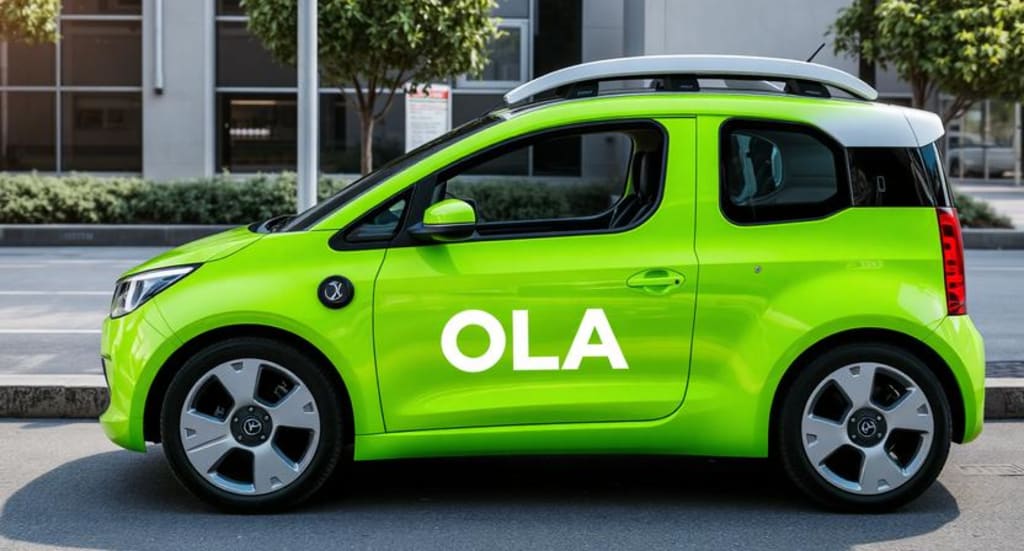
Ola Electric and India’s Rapid Shift Toward Electric Transportation
India’s transportation industry is moving through one of the biggest transitions in its modern history, and electric mobility has become a major part of that transformation. Among the companies leading this movement, Ola Electric has emerged as a powerful name that continues to attract public attention, investor interest, and consumer curiosity. The company entered the electric vehicle sector with ambitious goals and quickly positioned itself as a technology focused mobility brand rather than a traditional automobile manufacturer.
From the beginning, Ola Electric focused on combining software, smart connectivity, and modern design into its electric scooters. This strategy helped the brand create a fresh identity in a market that was traditionally dominated by fuel powered vehicles. As electric transportation gains momentum across India, many analysts and investors now view portfolio opportunities in the EV sector through the rise of companies like Ola Electric, which represent the country’s changing mobility preferences.
The Emergence of Ola Electric in the EV Industry
The Indian EV market has experienced rapid growth due to environmental awareness, increasing petrol prices, and government support for clean transportation initiatives. Ola Electric entered this competitive space at a time when consumer interest in electric scooters was beginning to rise significantly. The company used aggressive branding and digital marketing to establish itself as a modern alternative to conventional two wheeler manufacturers.
One of the major reasons behind the company’s popularity was its focus on direct online sales. Instead of depending entirely on traditional dealership systems, Ola Electric embraced a digital first model that appealed to younger consumers comfortable with online purchasing experiences. This modern retail approach helped the company stand out in a highly crowded automotive environment.
The company’s large manufacturing ambitions also generated strong attention across the industry. Its plans for large scale production facilities signaled a desire to compete not just locally but potentially on a global level as well. Experts who closely view portfolio development trends in sustainable transportation often consider manufacturing capacity a critical factor for long term EV success, making Ola Electric an important company to watch.
Smart Technology and Connected Mobility Experience
Technology remains one of the strongest pillars behind Ola Electric’s business strategy. The company designed its scooters with digital integration at the center of the user experience. Features such as touchscreen displays, smartphone connectivity, riding customization, navigation support, and software updates helped position the scooters as intelligent mobility products instead of simple transportation vehicles.
This technology driven identity appealed strongly to urban consumers who prefer modern digital experiences in everyday products. As consumer behavior continues evolving toward connected ecosystems, electric vehicles with software integration are becoming increasingly attractive. Ola Electric recognized this shift early and attempted to build a brand image associated with innovation and convenience.
Battery efficiency and performance also play a major role in the company’s positioning. Range capability remains one of the most important concerns for EV buyers, especially in developing markets where charging infrastructure is still expanding. Ola Electric invested heavily in battery research and localized production efforts to improve efficiency and reduce long term costs. Industry observers who regularly view portfolio opportunities in clean energy technologies frequently emphasize battery development as one of the defining elements of the future EV economy.
Business Challenges and Customer Expectations
Although Ola Electric achieved rapid growth and widespread visibility, the company also encountered operational challenges during its expansion journey. Fast scaling often places enormous pressure on manufacturing systems, delivery networks, and customer support operations. In several phases of its growth, the company faced criticism related to delayed deliveries, service accessibility, software issues, and product quality concerns.
These challenges demonstrated that building an automotive company involves far more than creating strong marketing campaigns or advanced software features. Vehicle reliability, after sales support, and customer trust are essential for long term success in the transportation industry. Unlike digital platforms that can continuously adjust products after launch, automotive manufacturers operate in an environment where performance consistency is extremely important.
Consumer reactions toward Ola Electric have remained mixed yet highly engaged. Many customers appreciate the advanced features and futuristic design language, while others continue raising concerns regarding maintenance support and service efficiency. Investors and analysts attempting to view portfolio strategies within India’s EV landscape often use Ola Electric as an example of both high growth potential and operational complexity in emerging technology sectors.
At the same time, the company has continued expanding its service infrastructure and customer support initiatives in an effort to strengthen public confidence. The ability to improve customer experience over time could significantly influence the company’s long term market position.
Competitive Pressure in India’s Electric Scooter Market
Competition within India’s electric vehicle industry has intensified rapidly as new startups and established automobile companies continue entering the market. Traditional manufacturers benefit from decades of production experience and extensive dealership networks, while EV focused startups often move faster in software innovation and digital branding.
Ola Electric operates in a market where pricing, battery range, design quality, and service accessibility all influence consumer decisions. The company’s challenge lies in maintaining innovation while also achieving operational reliability and financial sustainability. Indian consumers remain highly value conscious, which means companies must carefully balance affordability with technological advancement.
Brand image has become another important competitive advantage. Ola Electric successfully created a youthful and technology driven identity that resonated strongly with urban audiences. This branding approach helped the company gain visibility far beyond the standard automotive sector. Analysts who view portfolio diversification within advanced mobility and green technology industries frequently examine how strong brand positioning can influence EV adoption rates in emerging economies.
As competition continues growing, companies within the sector are expected to focus more heavily on product refinement, charging infrastructure partnerships, and localized manufacturing efficiency. These factors will likely shape the next phase of India’s electric mobility expansion.
Manufacturing Vision and Expansion Strategy
Large scale manufacturing remains central to Ola Electric’s long term ambitions. The company has consistently emphasized domestic production capabilities as part of its broader strategy to reduce supply chain dependence and strengthen operational control. Localization has become especially important because government policies increasingly support companies investing in domestic EV manufacturing ecosystems.
Beyond scooter production, Ola Electric has also shown interest in developing a broader electric mobility ecosystem that includes battery technology, charging solutions, and future transportation platforms. This vertically integrated strategy reflects larger global trends where EV companies attempt to control multiple stages of production and technology development.
Sustainability messaging has played a major role in shaping the company’s public identity. Electric vehicles are often promoted as a cleaner alternative to fuel based transportation, particularly in densely populated urban regions struggling with pollution and rising fuel expenses. For environmentally focused investors seeking to view portfolio opportunities connected to renewable mobility and green innovation, Ola Electric remains a notable participant in India’s evolving clean transportation economy.
However, achieving these goals requires continuous investment, operational discipline, and consistent product execution. Expanding production while maintaining quality standards will remain one of the company’s most important challenges in the coming years.
Market Sentiment and Future Potential
Public interest in Ola Electric remains strong because the company represents a larger shift toward digital and sustainable mobility in India. The brand continues generating significant media coverage and online discussion, which helps maintain visibility in a highly competitive market. This visibility matters because the EV industry still depends heavily on consumer awareness and long term trust building.
India’s urban transportation needs are also changing rapidly. Increasing traffic congestion, fuel price volatility, and environmental concerns are encouraging consumers to explore electric mobility alternatives. Government incentives supporting EV adoption further strengthen the long term growth outlook for companies operating in this sector.
The future success of Ola Electric may depend less on market hype and more on execution quality. Consumers increasingly expect dependable servicing, durable products, transparent communication, and efficient support systems. Companies capable of meeting these expectations consistently are more likely to establish lasting credibility in the EV market.
Industry professionals who regularly view portfolio opportunities linked to sustainable transportation continue monitoring Ola Electric because the company reflects both the opportunities and challenges associated with India’s fast growing electric mobility sector.
Conclusion
Ola Electric has established itself as one of the most recognizable names in India’s electric vehicle industry. Through aggressive expansion, smart technology integration, and ambitious manufacturing plans, the company has played a major role in accelerating conversations around electric mobility in the country.
Its journey also highlights the realities of building a large scale automotive business in a rapidly evolving market. While innovation and branding helped the company gain attention quickly, long term success will likely depend on operational consistency, customer satisfaction, and continued investment in battery and manufacturing technologies.
As India continues moving toward cleaner and smarter transportation systems, Ola Electric remains an influential participant in shaping the future of mobility. The company’s progress will continue attracting attention from consumers, investors, and industry experts interested in the next generation of transportation innovation.
About the Creator
Hammad Nawaz
Hammad here, sharing stock market insights, trading strategies, and tips. Helping traders understand trends, risk, and opportunities in equities, forex, and commodities.
Enjoyed the story? Support the Creator.
Subscribe for free to receive all their stories in your feed.
Comments
There are no comments for this story
Be the first to respond and start the conversation.