
Kroger Co Price Cuts Strategy and Its Impact on the Grocery Market
Kroger Co price cuts strategy focuses on lowering grocery costs to attract shoppers, compete with rivals, and strengthen long-term market position.

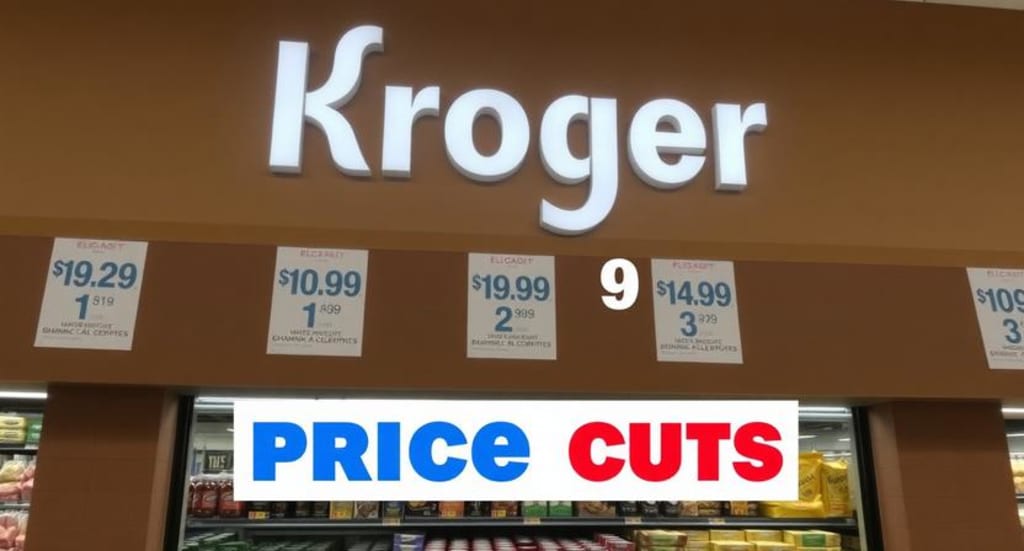
Kroger Co Price Cuts
Kroger Co has introduced and expanded its price cuts strategy as part of a broader effort to stay competitive in the evolving U.S. grocery industry. The Kroger Co price cuts approach is centered on offering lower prices on essential household items while maintaining customer loyalty and defending market share against aggressive retail competition. With consumers becoming increasingly sensitive to inflation and everyday expenses, pricing has become one of the most important battlegrounds in the supermarket sector.
The company’s pricing strategy reflects a shift toward value-driven retailing, where affordability and convenience play a central role in customer decision-making. By reducing prices on high-demand grocery items, Kroger aims to strengthen its position in a market where competition is intensifying from both physical retailers and online grocery platforms.
Why Kroger Co Price Cuts Are Being Implemented
The Kroger Co price cuts strategy is largely driven by changing economic conditions and consumer behavior. Rising food costs and inflationary pressure have made shoppers more cautious about spending, especially on recurring grocery purchases. As a result, retailers are under pressure to offer more competitive pricing to retain customers.
Kroger is focusing its price reductions on essential categories such as fresh produce, dairy products, packaged foods, and household necessities. These are everyday purchase items that directly influence customer satisfaction and store loyalty. By lowering prices in these categories, Kroger aims to increase foot traffic and improve repeat purchases.
At the same time, the company is carefully managing margins. Price cuts are being applied selectively rather than across all product lines, ensuring that profitability remains stable while still offering meaningful savings to customers.
Competitive Pressure in the Grocery Industry
The grocery retail market in the United States is highly competitive, with major players constantly adjusting pricing strategies. Kroger operates alongside major retailers such as Walmart Inc., Costco Wholesale Corporation, and Target Corporation, all of which compete aggressively on pricing and value offerings.
Walmart, in particular, continues to set a benchmark for low-price retailing, pushing competitors like Kroger to respond with similar strategies. This competitive pressure is one of the key reasons behind the expansion of Kroger Co price cuts across multiple product categories.
In addition to traditional retailers, online grocery services and delivery platforms are also reshaping consumer expectations. Customers now compare prices instantly across multiple platforms, making competitive pricing even more critical for brick-and-mortar grocery chains.
How Price Cuts Influence Kroger’s Business Model
Kroger Co price cuts are not simply about reducing prices but are part of a broader business optimization strategy. The company uses advanced data analytics to identify which products are most sensitive to price changes and where discounts will have the greatest impact on customer behavior.
By strategically lowering prices on high-demand goods, Kroger encourages customers to shop more frequently and potentially purchase additional items during store visits. This helps offset lower margins on discounted products through increased overall sales volume.
Kroger is also strengthening its private-label product portfolio. Private-label goods typically offer higher profit margins compared to branded items, allowing the company to maintain profitability even while offering competitive pricing to customers.
Consumer Response and Market Behavior
Consumers have responded positively to Kroger Co price cuts, especially during periods of high inflation and increased cost-of-living pressure. Lower prices on everyday essentials help households manage budgets more effectively, making Kroger a more attractive shopping destination.
Increased price competitiveness can also improve customer retention. When shoppers perceive better value, they are more likely to remain loyal to a specific retailer instead of switching to competitors. This strengthens Kroger’s long-term positioning in the grocery sector.
However, consumer expectations continue to rise, meaning retailers must constantly balance affordability with product quality and availability.
Financial Impact and Profit Considerations
While Kroger Co price cuts can help attract more customers, they also place pressure on profit margins. Lower prices often reduce revenue per unit sold, meaning the company must rely on increased sales volume or improved efficiency to maintain profitability.
To manage this balance, Kroger continues investing in supply chain optimization, logistics improvements, and automation. These efficiency gains help reduce operational costs and support the sustainability of its pricing strategy.
Investors closely monitor the impact of pricing strategies on financial performance, as retail margins can fluctuate depending on competitive conditions and consumer demand.
Broader Retail Trends and Inflation Impact
The grocery industry is currently shaped by inflationary trends and changing consumer spending patterns. As food prices rise, customers become more focused on value and discounts, forcing retailers to adapt their strategies accordingly.
Kroger Co price cuts reflect a broader industry trend where retailers prioritize affordability to remain competitive. Many companies are also investing in digital tools, loyalty programs, and personalized promotions to better target cost-conscious consumers.
This shift is expected to continue as economic uncertainty influences household spending behavior.
Market Comparison and Industry Context
Retail strategies vary widely across sectors, but price competitiveness remains a central focus in consumer goods. In contrast, companies in other industries, such as Rheinmetall AG, are driven more by geopolitical demand and defense spending rather than consumer pricing pressures. This highlights how different sectors respond to global economic conditions in unique ways.
While Kroger focuses on affordability and volume-driven growth, defense companies like Rheinmetall rely on long-term government contracts and strategic investments.
Risks and Challenges
Despite its benefits, Kroger Co price cuts come with several challenges. Excessive discounting can lead to reduced profitability if not balanced with higher sales volume. Competitive pressure from other major retailers also limits how much pricing flexibility Kroger can maintain.
In addition, rising labor costs, supply chain disruptions, and inflation can increase operational expenses, making it more difficult to sustain aggressive pricing strategies over time.
Future Outlook for Kroger Co Price Cuts
The future of Kroger Co price cuts will likely depend on broader economic conditions and competitive dynamics within the grocery industry. If inflationary pressure continues, retailers may maintain or even expand discount strategies to attract cost-conscious consumers.
Kroger is expected to continue using data-driven pricing models and efficiency improvements to support its long-term strategy. The company’s focus on private-label growth and operational optimization may help balance affordability with profitability.
Conclusion
Kroger Co price cuts represent a strategic response to rising competition and changing consumer expectations in the grocery industry. By lowering prices on essential goods, Kroger aims to strengthen customer loyalty, increase sales volume, and maintain market share.
While challenges related to margins and competition remain, the strategy reflects a broader industry shift toward value-based retailing. If managed effectively, Kroger’s pricing approach could help secure long-term stability and growth in a highly competitive market.
About the Creator
Hammad Nawaz
Hammad here, sharing stock market insights, trading strategies, and tips. Helping traders understand trends, risk, and opportunities in equities, forex, and commodities.
Enjoyed the story? Support the Creator.
Subscribe for free to receive all their stories in your feed.
Comments
There are no comments for this story
Be the first to respond and start the conversation.