
JR East Emergency Shutdown: Shimbashi Incident and Rising Safety Concerns in Japan Railways
JR stands for Japan Railways Group. JR is one of the largest railway systems in the world and plays a major role in Japan’s public transport.

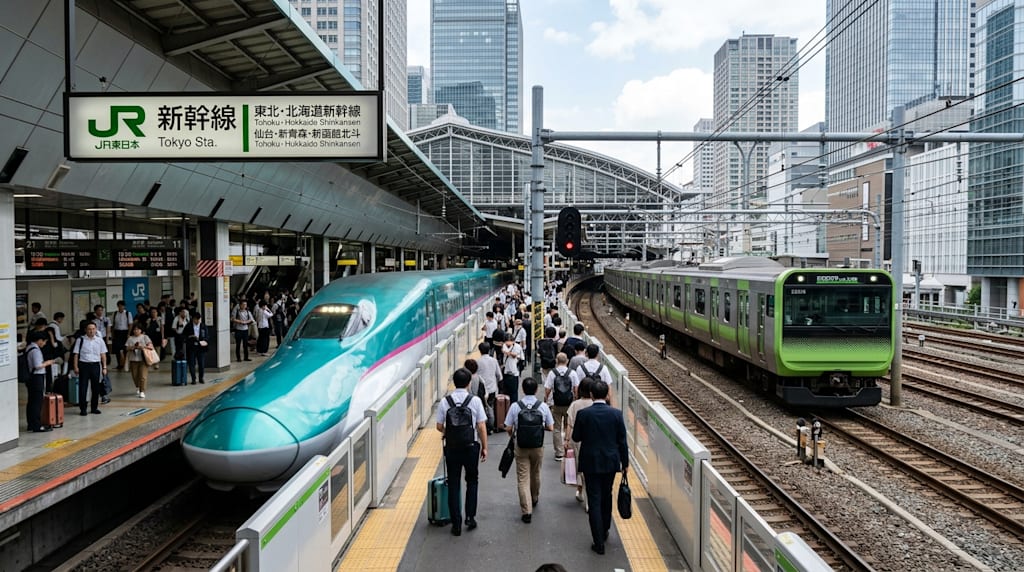
JR is again in global headlines after the JR East emergency shutdown on the Tokaido Line at Shimbashi Station on June 12. JR is one of the most trusted railway systems in the world, so any major disruption quickly becomes international news. JR East is now being widely searched in the UK as readers try to understand what caused the train halt and why services stopped so suddenly. JR is not just a railway name. JR represents a massive transport network in Japan that carries millions of passengers every day. JR East, the Shimbashi incident, and its impact will be explained in simple English. For a deeper understanding of JR structure and meaning, you can also read our related guide: JR Uncovered: The Mystery Behind JR East Train Chaos in Japan.
What is JR and Why JR East is Important
JR stands for Japan Railways Group. JR is one of the largest railway systems in the world and plays a major role in Japan’s public transport. JR was created after the old national railway system was divided into regional companies. JR East is one of these companies and is responsible for train operations in eastern Japan, including Tokyo. JR East is important because it operates in the busiest part of Japan, handles millions of daily passengers, manages key routes like the Tokaido Line, and follows very strict safety rules. JR East is known worldwide for punctual trains and strong safety systems. Even small issues in JR East operations can affect large parts of Tokyo transport.
JR East Tokaido Line Shutdown at Shimbashi Station
The main reason JR is in global news is the emergency shutdown of the JR East Tokaido Line at Shimbashi Station. Shimbashi is one of Tokyo’s busiest railway stations. Many JR East trains pass through this station every minute. On June 12, a serious and fatal incident occurred near or on the railway tracks, which forced JR East to immediately stop train services. JR East response included immediate halt of train movement, station safety control measures, emergency staff deployment, passenger guidance and crowd control, and safety inspection of tracks and systems. JR East prioritized safety over everything else. The shutdown affected a large number of commuters and created delays across connected JR routes.
Why JR Stops Services During Emergencies
JR is known for strict safety standards. JR East does not continue operations if there is any risk to passengers or staff. JR services can be stopped due to accidents on or near tracks, emergency incidents at stations, technical faults in trains or signals, and safety threats or unclear situations. In the Shimbashi case, JR East stopped services due to a fatal accident. This is standard procedure in Japan’s railway system. JR ensures that no train moves until the area is fully checked and declared safe. Although JR shutdowns cause inconvenience, safety always comes first in JR operations.
Impact of JR East Shutdown on Passengers
When JR East stops a major line like the Tokaido Line, the impact is very large because JR carries millions of passengers daily. During this incident, passengers experienced long delays and waiting times, overcrowded stations in Tokyo, missed connections to other JR lines, and sudden changes in travel plans. Many commuters rely on JR for work, school, and business travel. Even a short shutdown can create major disruption across the city. JR staff worked to manage crowds and provide updates, but the impact was still significant due to high passenger volume.
JR East Safety System and How It Works
JR is known for having one of the safest railway systems in the world. JR East uses advanced safety systems to protect passengers and prevent accidents. JR safety measures include automatic train control systems, real-time station monitoring, regular track inspection and maintenance, emergency response teams at stations, and strict driver and staff training programs. JR East continuously monitors trains and tracks to reduce risks. In emergency cases like Shimbashi, JR activates safety protocols immediately. Even with strong systems, rare incidents can still happen, which is why JR constantly improves its safety processes.
Why JR Incidents Become Global News
JR incidents often attract worldwide attention, including in the UK, because Japan is known for its advanced railway system. JR news spreads quickly because Japan has one of the busiest rail networks, JR trains are known for extreme punctuality, train incidents are rare but serious, and many international tourists use JR passes. UK readers follow JR news because Japan is a popular travel destination. Any disruption in JR East services can affect international travel plans and attract media coverage.
Public Reaction to JR East Shimbashi Incident
JR incidents usually create strong public reaction due to high trust in the system. After the Shimbashi accident, passengers expressed shock and concern, social media discussions increased rapidly, questions about safety and response time were raised, and many people waited for official JR East statements. JR East is expected to provide clear updates and conduct a full investigation after such events. Public trust in JR depends on transparency and quick response.
Future of JR After Emergency Shutdown
JR East is expected to take further steps after this incident to strengthen safety systems. Possible improvements include enhanced station monitoring systems, faster emergency detection technology, additional staff training for crisis response, and stronger platform safety measures. JR continuously improves its systems because millions depend on it every day. JR East aims to prevent similar incidents and ensure passenger safety remains the top priority.
FAQs About JR East Emergency Shutdown
What does JR mean?
JR means Japan Railways Group, a major railway network in Japan.
What is JR East?
JR East is the railway company that operates trains in eastern Japan, including Tokyo.
Why was JR East Tokaido Line stopped?
It was stopped due to a fatal accident at Shimbashi Station.
Is JR safe for travel?
Yes, JR is considered one of the safest railway systems in the world.
Why do JR incidents get global attention?
Because JR is widely used, highly advanced, and important for international travellers.
Final Thoughts on JR East Emergency Shutdown
JR is once again in the global spotlight after the JR East Tokaido Line emergency shutdown at Shimbashi. JR East acted quickly by stopping services to ensure passenger safety. JR is more than just a transport system; it is a lifeline for millions of people in Japan. JR East remains one of the safest railway operators in the world, but this incident highlights that even strong systems can face unexpected challenges. JR will continue to improve safety, response time, and passenger protection. JR will remain an important topic as global attention grows on how major railway systems handle emergencies and maintain public trust.
About the Creator
luna
“I’m luna, a final-year marketing student with a love for social media trends and creative campaigns. Always up for new challenges.”
Enjoyed the story? Support the Creator.
Subscribe for free to receive all their stories in your feed.
Comments
There are no comments for this story
Be the first to respond and start the conversation.