
Japan's Retirement Crisis: Understanding the Challenges Facing an Aging Society
Explore Japan's retirement crisis, the impact of an aging population, pension concerns, and how Asian financial centers like Hong Kong are watching demographic trends closely

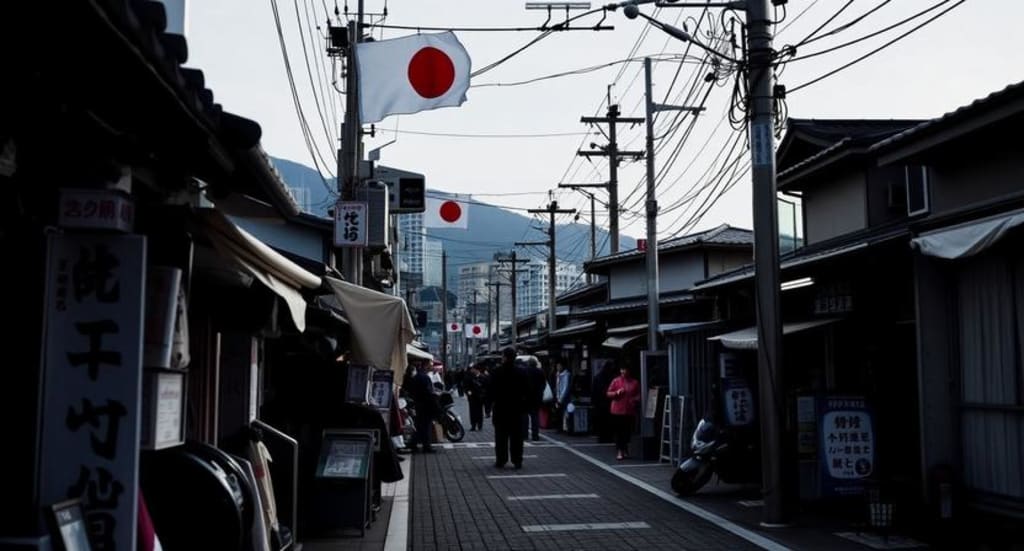
Japan's Retirement Crisis
Japan's retirement crisis has become one of the most important economic and social issues facing the country today. With one of the oldest populations in the world and a declining birth rate, Japan is struggling to maintain a sustainable pension system while supporting a growing number of retirees. Economists, policymakers, and investors continue to monitor the situation because the long-term effects could influence both Japan's economy and the broader Asian region.
As demographic challenges increase, Japan's retirement crisis is attracting global attention. Financial centers across Asia, including Hong Kong, are closely observing how Japan addresses these issues, as population trends can have significant implications for economic growth and investment markets.
Why Japan's Retirement Crisis Is Becoming More Serious
Japan has one of the highest life expectancies in the world. While longer lifespans are generally considered positive, they also create financial pressure on pension systems and healthcare services.
At the same time, Japan's birth rate has continued to decline for decades. Fewer young workers are entering the labor force, meaning a smaller number of taxpayers must support a rapidly growing retired population.
This imbalance has made Japan's retirement crisis one of the biggest long-term concerns for the country's future economic stability.
The Impact of an Aging Population
The aging population is the primary factor behind Japan's retirement crisis. Millions of citizens are reaching retirement age, increasing demand for pension benefits and medical care.
As the number of elderly individuals rises, labor shortages have become more common in various industries. Companies are finding it increasingly difficult to replace retiring workers, leading to concerns about productivity and economic growth.
These demographic trends are forcing Japan to rethink traditional employment and retirement structures.
Pressure on Japan's Pension System
Japan's public pension system has provided financial security for generations, but rising costs have created new challenges. With fewer workers contributing to the system, maintaining pension payments has become increasingly difficult.
Many experts believe reforms may be necessary to ensure long-term sustainability. Potential solutions include increasing retirement ages, encouraging private savings, and expanding workforce participation among older individuals.
The success of these policies could determine how effectively Japan manages its retirement crisis in the coming decades.
Labor Shortages and Economic Consequences
Japan's shrinking workforce has become a major concern for businesses and policymakers. Labor shortages affect industries ranging from manufacturing and healthcare to retail and technology.
To address these challenges, many companies have introduced automation and artificial intelligence technologies. Japan has also encouraged older citizens to remain employed for longer periods.
Despite these efforts, labor shortages continue to influence productivity and economic performance.
Rising Healthcare Costs
Healthcare expenses represent another important aspect of Japan's retirement crisis. Older populations typically require more medical services, placing additional pressure on government budgets.
Japan's healthcare system is highly regarded internationally, but increasing costs have raised concerns about long-term financial sustainability. Policymakers are exploring strategies to improve efficiency while maintaining quality care for aging citizens.
Balancing healthcare spending with economic growth remains a difficult challenge.
Government Responses to the Crisis
The Japanese government has implemented several policies aimed at addressing demographic problems. These measures include promoting workforce participation among women and seniors, encouraging technological innovation, and providing support for families.
Authorities have also considered changes to pension structures and retirement policies. While reforms may help reduce financial pressures, experts believe demographic trends will continue to present challenges for many years.
Long-term planning will be essential for ensuring economic stability.
International Attention and Regional Implications
Japan's retirement crisis is not only a domestic issue. Countries across Asia are studying Japan's experience as they prepare for their own aging populations.
Major financial centers such as Hong Kong are particularly interested in demographic developments because they can influence investment patterns, labor markets, and economic growth throughout the region.
Hong Kong, which serves as an important gateway for Asian finance, closely follows Japan's economic outlook and retirement policies. Investors often analyze demographic trends when evaluating future opportunities in Asia.
Technology as a Possible Solution
Japan has become a global leader in robotics and automation. Many experts believe technology could help offset labor shortages caused by population aging.
Robots are increasingly being used in manufacturing, healthcare, and elderly care services. Artificial intelligence and digital transformation may also improve productivity and reduce costs.
Although technology alone cannot solve Japan's retirement crisis, innovation is expected to play a major role in supporting the economy.
Lessons for Other Countries
Japan's experience provides valuable lessons for nations facing similar demographic changes. Countries with declining birth rates and aging populations may need to prepare for pension reforms, labor shortages, and increased healthcare spending.
Early planning and investment in innovation could help governments avoid some of the challenges currently affecting Japan.
Financial hubs like Hong Kong and other Asian economies continue to study Japan's approach to understand how demographic trends may shape future economic conditions.
Conclusion
Japan's retirement crisis highlights the complex challenges created by aging populations and declining birth rates. Rising pension costs, labor shortages, and healthcare expenses are forcing policymakers to seek long-term solutions.
While the situation presents significant obstacles, Japan's focus on innovation and reform may provide valuable lessons for the rest of the world. Meanwhile, regional financial centers such as Hong Kong continue to monitor these developments because demographic shifts can have lasting effects on economies across Asia.
As global populations continue to age, Japan's retirement crisis may become an example that many countries look to when planning for their own futures.
About the Creator
Hammad Nawaz
Hammad here, sharing stock market insights, trading strategies, and tips. Helping traders understand trends, risk, and opportunities in equities, forex, and commodities.
Enjoyed the story? Support the Creator.
Subscribe for free to receive all their stories in your feed.
Comments
There are no comments for this story
Be the first to respond and start the conversation.