
How Cybersecurity Threats Are Changing Everyday Life in 2026
From online banking to social media, digital security has become one of the most important challenges of modern life.
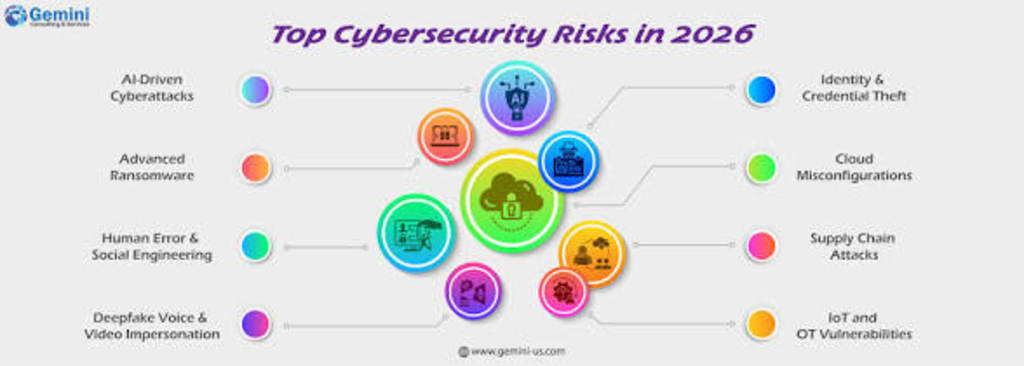
Cybersecurity is no longer a concern limited to governments, technology companies, or large corporations. In 2026, digital security affects nearly every aspect of daily life. From smartphones and online banking to social media accounts and smart home devices, people around the world are increasingly exposed to cyber threats that can impact their privacy, finances, and personal information.
As technology continues to evolve, cybercriminals are finding new ways to target individuals and organizations. Security experts warn that digital threats have become more sophisticated, making cybersecurity one of the most important issues of the modern era.
One of the most common threats facing individuals is phishing. These attacks involve fraudulent emails, messages, or websites designed to trick people into revealing passwords, financial information, or other sensitive data. Modern phishing scams often appear highly convincing, making them difficult to detect.
Artificial intelligence has added a new dimension to cybersecurity challenges. While AI helps organizations improve security systems, it has also given cybercriminals advanced tools to create realistic scams, fake voices, and convincing online content.
Financial fraud remains a major concern. Millions of people use digital banking services, mobile payment applications, and online shopping platforms every day. Cybercriminals frequently target these services in attempts to steal money or access financial accounts.
Identity theft has become another growing problem. Personal information collected through data breaches can be used to open accounts, commit fraud, or impersonate victims. As more activities move online, protecting personal information has become increasingly important.
Businesses are also facing significant cybersecurity risks. Companies store large amounts of customer information, financial records, and confidential data. A successful cyberattack can disrupt operations, damage reputations, and result in substantial financial losses.
Ransomware attacks continue to be among the most serious threats. In these attacks, criminals gain access to computer systems and demand payment in exchange for restoring access to data. Governments, hospitals, schools, and private companies have all been targeted by ransomware campaigns.
The rise of remote and hybrid work has introduced additional security challenges. Employees often access company systems from multiple locations and devices, increasing the number of potential entry points for cybercriminals.
Smart home technology has also expanded the cybersecurity landscape. Devices such as security cameras, smart speakers, and connected appliances offer convenience but may create vulnerabilities if not properly secured.
Social media platforms remain attractive targets for cybercriminals. Hacked accounts can be used to spread scams, distribute malicious links, or collect personal information. Security specialists encourage users to enable two-factor authentication and use strong passwords.
Governments around the world are investing heavily in cybersecurity infrastructure. National security agencies recognize that cyber threats can affect critical services, including transportation, healthcare, energy systems, and communications networks.
Educational institutions have also increased efforts to teach digital safety. Schools and universities are introducing cybersecurity awareness programs to help students understand online risks and responsible digital behavior.
Cybersecurity professionals are among the most in-demand workers in the global economy. As threats continue to evolve, organizations need experts who can protect systems, investigate incidents, and develop security strategies.
Technology companies are responding by creating more advanced security tools. Multi-factor authentication, biometric verification, encryption, and AI-powered threat detection systems are becoming increasingly common.
Experts emphasize that cybersecurity is not solely a technical issue. Human behavior plays a major role in digital safety. Many successful cyberattacks occur because users click suspicious links, reuse passwords, or share information without verifying sources.
Simple precautions can significantly reduce risks. Using unique passwords, updating software regularly, enabling security features, and remaining cautious when opening messages can help protect personal information.
The economic impact of cybercrime continues to grow. Businesses spend billions on security measures, while victims of fraud often face financial losses and emotional stress. As digital dependence increases, cybersecurity investments are becoming essential rather than optional.
Looking ahead, experts expect cyber threats to become even more sophisticated. However, advances in security technology and greater public awareness may help reduce vulnerabilities and improve protection.
The future of cybersecurity will likely involve continuous adaptation. As technology changes, both individuals and organizations must remain informed and prepared to respond to new risks.
In 2026, cybersecurity is no longer a specialized topic affecting only technology professionals. It is a daily reality that influences how people communicate, shop, work, learn, and manage their lives online. Understanding digital security has become a necessary skill for anyone participating in the modern connected world.
About the Creator
Enjoyed the story? Support the Creator.
Subscribe for free to receive all their stories in your feed.
Comments
There are no comments for this story
Be the first to respond and start the conversation.