
Hang Seng Index (^HSI): Understanding Hong Kong's Benchmark Stock Market Index
Learn about the Hang Seng Index (^HSI), how it works, the companies included, and why investors around the world closely follow Hong Kong's benchmark stock market index.

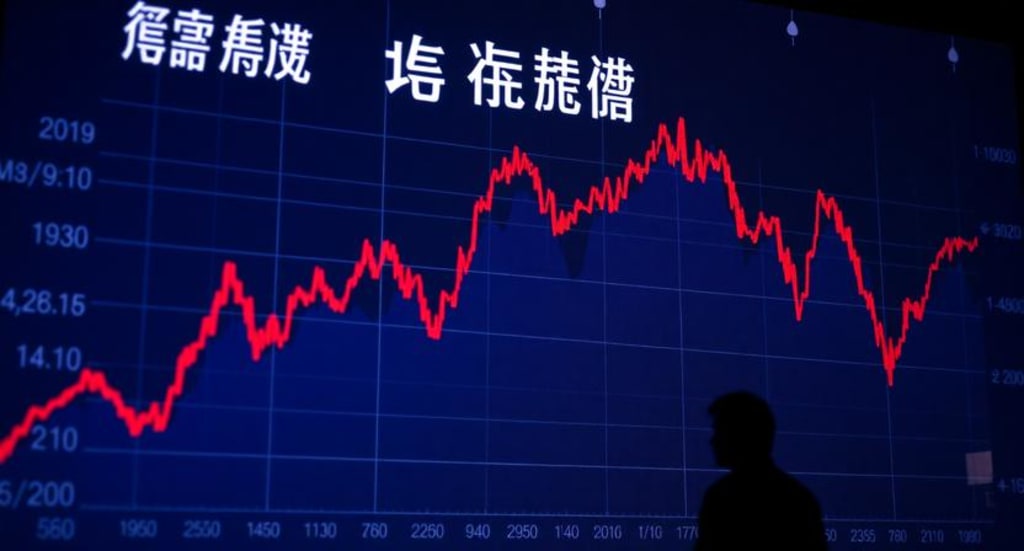
Hang Seng Index (^HSI)
The Hang Seng Index (^HSI) is one of the most important stock market indices in Asia and serves as the primary benchmark for the Hong Kong stock market. Investors, traders, and analysts worldwide monitor the index closely because it reflects the performance of some of the largest and most influential companies listed in Hong Kong.
As China's economy continues to influence global markets, the Hang Seng Index (^HSI) remains a key indicator of investor sentiment, economic growth, and market trends across the Asian region.
What Is the Hang Seng Index (^HSI)?
The Hang Seng Index (^HSI) was launched in 1969 and is managed by Hang Seng Indexes Company Limited. It tracks the performance of leading companies listed on the Hong Kong Stock Exchange and provides investors with a snapshot of the overall health of the Hong Kong equity market.
The index consists of major firms from different sectors, including finance, technology, real estate, healthcare, and consumer goods. Because of its broad representation, many investors consider the Hang Seng Index (^HSI) the equivalent of the S&P 500 in the United States.
Why Is the Hang Seng Index Important?
The Hang Seng Index (^HSI) plays a crucial role in the global financial system. It serves as:
A benchmark for Hong Kong's stock market.
An indicator of investor confidence in Asia.
A reflection of Chinese economic trends.
A reference for exchange-traded funds (ETFs) and index funds.
A popular instrument for day traders and futures traders.
Movements in the index often influence markets across Asia and can even impact European and American trading sessions.
Companies Included in the Hang Seng Index (^HSI)
The Hang Seng Index contains some of the largest companies operating in Hong Kong and mainland China. These firms represent multiple industries and contribute significantly to the region's economy.
Major sectors represented in the index include:
Financial Services
Banks and insurance companies hold substantial weight within the index. Financial institutions often drive market performance because of their influence on economic growth.
Technology
Technology giants have become increasingly important in the Hang Seng Index (^HSI). As digital transformation accelerates, tech companies contribute a larger portion of the index's total market capitalization.
Consumer and Retail
Consumer-focused businesses benefit from rising income levels and spending patterns throughout Asia.
Real Estate
Property developers and real estate investment companies have historically played an important role in Hong Kong's economy and remain key components of the index.
How Is the Hang Seng Index Calculated?
The Hang Seng Index (^HSI) uses a free-float market capitalization methodology. Companies with larger market values carry greater influence over the index's performance.
This means that when heavyweight stocks experience strong gains or losses, the overall index can move significantly. The weighting system ensures that the index accurately reflects the market value of its constituent companies.
Factors That Influence the Hang Seng Index (^HSI)
Several factors can impact the movement of the Hang Seng Index:
Economic Conditions
Economic growth, inflation, interest rates, and employment data can affect investor sentiment and stock prices.
Chinese Market Performance
Since many listed companies have strong connections to mainland China, developments in the Chinese economy can significantly influence the Hang Seng Index (^HSI).
Global Market Trends
International events, geopolitical tensions, and global economic uncertainty often affect investor confidence and market direction.
Corporate Earnings
Strong earnings reports from major companies can push the index higher, while disappointing results may create downward pressure.
How Investors Use the Hang Seng Index (^HSI)
Investors use the index in several ways.
Market Analysis
The index helps analysts evaluate the overall condition of Hong Kong's stock market.
Portfolio Benchmarking
Fund managers compare their investment performance against the Hang Seng Index (^HSI) to determine whether they are outperforming the market.
Trading Opportunities
Many traders use futures contracts, options, and exchange-traded funds linked to the index to capitalize on short-term price movements.
Diversification
International investors often gain exposure to Asian markets through products that track the Hang Seng Index.
Advantages of Investing in the Hang Seng Index (^HSI)
Investing in an index-based strategy offers several benefits:
Exposure to multiple industries.
Reduced company-specific risk.
Access to major Asian corporations.
Long-term growth potential.
Greater portfolio diversification.
Because the index contains established companies, many investors consider it a useful tool for building international exposure.
Risks Associated With the Hang Seng Index
Although the Hang Seng Index (^HSI) offers opportunities, investors should also understand the risks involved.
Market Volatility
Stock markets can experience sudden fluctuations due to economic or geopolitical events.
Dependence on China
Since many companies derive revenue from mainland China, changes in Chinese regulations or economic conditions can affect the index.
Currency Risks
International investors may face currency fluctuations that impact overall returns.
Global Economic Slowdowns
Recessions and declining consumer demand can negatively influence company earnings and stock prices.
Future Outlook for the Hang Seng Index (^HSI)
The long-term outlook for the Hang Seng Index remains closely tied to the development of Hong Kong and mainland China's economies. Technological innovation, infrastructure investments, and expanding consumer markets could support future growth.
At the same time, investors will continue monitoring interest rates, geopolitical developments, and regulatory changes that may affect market performance.
As Asia's financial influence expands, the Hang Seng Index (^HSI) is expected to remain one of the world's most closely watched stock market indicators.
Final Thoughts
The Hang Seng Index (^HSI) represents the heartbeat of Hong Kong's financial markets. Its performance provides valuable insights into the health of major Asian corporations and the broader regional economy.
Whether you are a long-term investor, active trader, or someone interested in global financial markets, understanding the Hang Seng Index (^HSI) can help you make more informed investment decisions and stay updated on important market trends.
About the Creator
Hammad Nawaz
Hammad here, sharing stock market insights, trading strategies, and tips. Helping traders understand trends, risk, and opportunities in equities, forex, and commodities.
Enjoyed the story? Support the Creator.
Subscribe for free to receive all their stories in your feed.
Comments
There are no comments for this story
Be the first to respond and start the conversation.