
Global Economy in 2026: Inflation, Trade, and Consumer Spending Explained
Economic uncertainty, shifting trade patterns, and changing consumer habits continue to shape the global financial landscape.
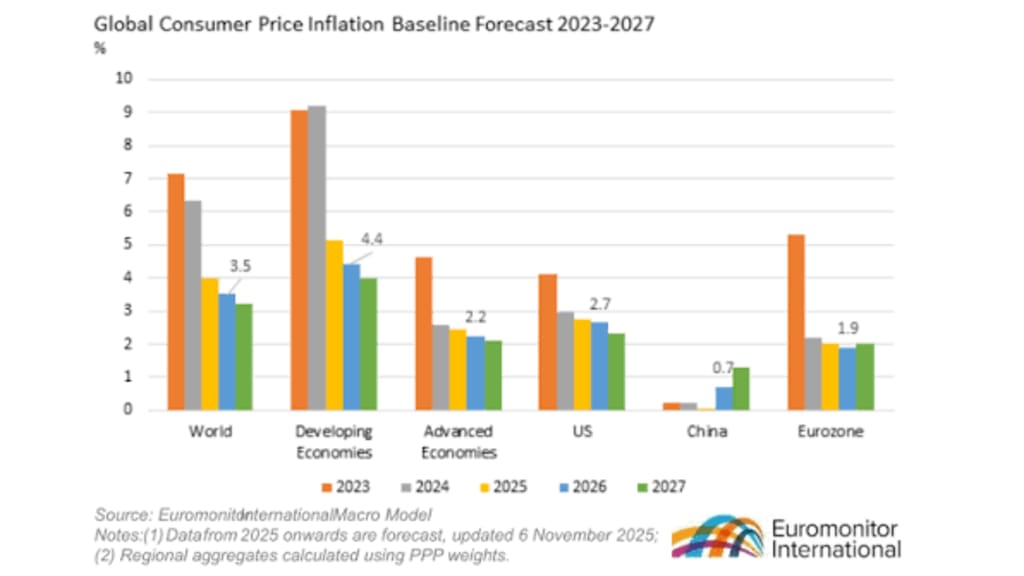
The global economy in 2026 continues to face a complex mix of opportunities and challenges as governments, businesses, and consumers adapt to changing economic conditions. While many countries have made progress in controlling inflation compared to previous years, concerns about trade, consumer spending, and economic growth remain important topics worldwide.
Economic experts often describe the global economy as being in a period of adjustment. The rapid changes experienced during recent years—including supply chain disruptions, geopolitical tensions, and shifting consumer behavior—have forced businesses and policymakers to rethink traditional economic strategies.
One of the most closely watched indicators in 2026 is inflation. Inflation refers to the rate at which prices for goods and services increase over time. High inflation can reduce purchasing power, making everyday expenses more expensive for households and businesses.
Many countries have implemented policies designed to slow inflation. Central banks have adjusted interest rates, governments have introduced economic measures, and businesses have adapted their pricing strategies. While inflation has generally moderated in several regions, price pressures remain a concern in certain sectors.
Food, housing, energy, and transportation costs continue to affect household budgets around the world. Consumers have become more careful about spending decisions, often prioritizing essential purchases over luxury items.
Consumer spending plays a critical role in economic growth. When people feel confident about their financial situation, they are more likely to spend money on goods, services, travel, and entertainment. Increased spending supports businesses, creates jobs, and contributes to overall economic activity.
However, uncertainty can cause consumers to become more cautious. Concerns about employment, rising costs, or future economic conditions may lead households to save more and spend less. This behavior can slow economic growth if it occurs on a large scale.
International trade remains another major factor influencing the global economy. Countries depend on trade to exchange products, raw materials, technology, and services. Strong trade relationships help businesses expand markets and improve economic opportunities.
In 2026, global trade patterns continue to evolve. Companies are increasingly diversifying supply chains to reduce risks associated with disruptions. Businesses that once relied heavily on a single country or region are now exploring multiple sourcing options.
Technology has become a major driver of economic growth. Artificial intelligence, automation, digital services, and advanced manufacturing continue to transform industries worldwide. Businesses that successfully adopt new technologies often gain competitive advantages and improve efficiency.
The labor market has also experienced significant changes. Many industries are seeking workers with digital skills, technical expertise, and adaptability. At the same time, employees are increasingly interested in flexible work arrangements and opportunities for professional development.
Developing economies continue to play an important role in global growth. Several emerging markets have experienced strong investment activity, expanding middle-class populations, and increased participation in international trade.
Energy remains a key economic issue. Countries continue balancing traditional energy sources with investments in renewable technologies. Energy prices influence transportation costs, manufacturing expenses, and household budgets.
Geopolitical developments have also affected economic conditions. Trade policies, international agreements, and regional conflicts can influence market confidence and business decisions. Investors closely monitor political developments because they can affect economic stability.
Financial markets have shown resilience despite ongoing uncertainties. Stock markets, investment funds, and financial institutions continue adapting to changing economic conditions while seeking opportunities for growth.
Small businesses remain a vital part of the global economy. Entrepreneurs and local companies contribute innovation, employment, and economic activity in communities around the world. Many small businesses are embracing digital tools to reach customers and improve operations.
Experts believe that economic success in 2026 will depend on flexibility and long-term planning. Governments, businesses, and consumers must respond to changing conditions while preparing for future challenges.
Environmental sustainability has become increasingly connected to economic discussions. Investments in renewable energy, sustainable infrastructure, and green technology are creating new industries and employment opportunities.
Looking ahead, economists expect continued growth in some regions while others may face slower economic expansion. Differences in government policy, investment levels, demographics, and technological development will influence outcomes.
For consumers, understanding economic trends can help with financial planning and decision-making. For businesses, adapting to changing markets and consumer preferences remains essential for success.
The global economy in 2026 is shaped by a combination of innovation, resilience, and uncertainty. While challenges remain, opportunities continue to emerge for those prepared to adapt to a rapidly changing world.
As governments and businesses navigate inflation, trade developments, and shifting consumer behavior, the coming years will play an important role in determining the future direction of the global economy.
About the Creator
Enjoyed the story? Support the Creator.
Subscribe for free to receive all their stories in your feed.
Comments
There are no comments for this story
Be the first to respond and start the conversation.