
Dow Jones Industrial Average (^DJI) Faces Sudden Market Shifts as Traders Watch Global Signals
Dow Jones Industrial Average (^DJI) Faces Sudden Market Shifts as Traders Watch Global Signals is a key topic for investors across the world.
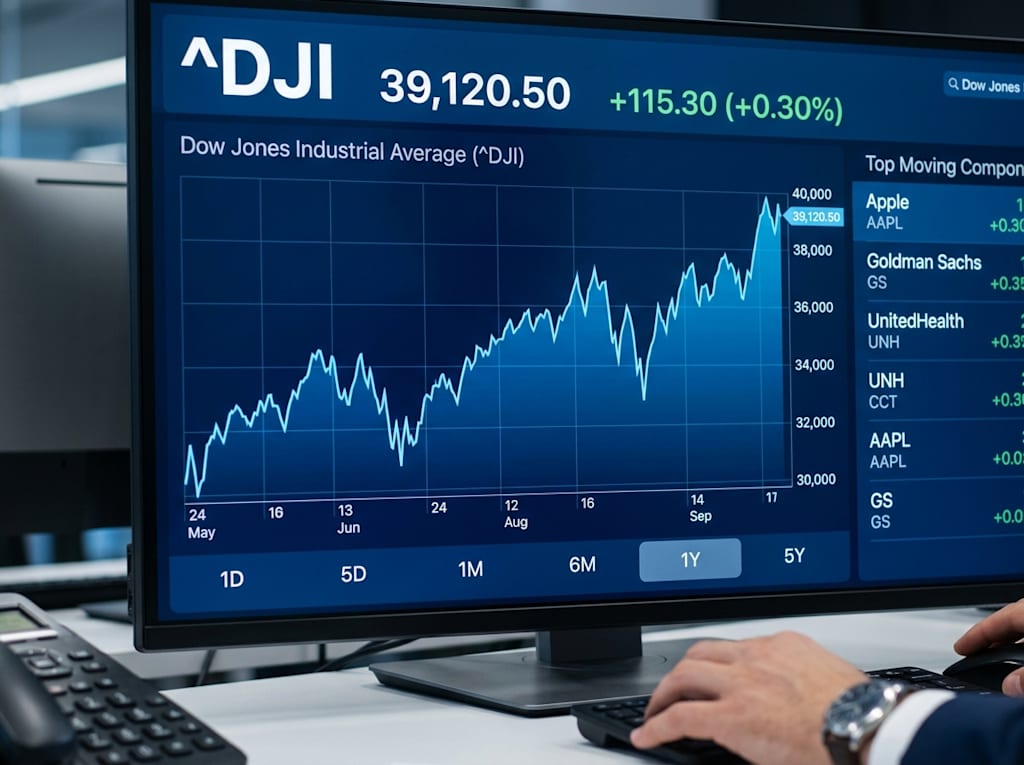
Dow Jones Industrial Average (^DJI) Faces Sudden Market Shifts as Traders Watch Global Signals is a key topic for investors across the world. Dow Jones Industrial Average (^DJI) is one of the most important stock indexes in the global financial system. Dow Jones Industrial Average (^DJI) tracks 30 major US companies and often guides market direction in the UK and Europe. In this article, we will explain why Dow Jones Industrial Average (^DJI) is shifting suddenly, what global signals mean, and how UK traders can respond.
What is Dow Jones Industrial Average (^DJI)?
Dow Jones Industrial Average (^DJI) is a stock market index that represents 30 large and well-known companies in the United States. These companies come from major industries like banking, technology, healthcare, and retail. Dow Jones Industrial Average (^DJI) is widely used to understand the overall health of the US economy. UK investors follow Dow Jones Industrial Average (^DJI) because it often affects global market sentiment and can influence the FTSE and European markets.
Why Dow Jones Industrial Average (^DJI) Faces Sudden Market Shifts
When we say Dow Jones Industrial Average (^DJI) Faces Sudden Market Shifts as Traders Watch Global Signals, it means the index is moving quickly up or down without warning.
These sudden shifts usually happen because of:
- Unexpected economic news
- Global political events
- Sudden changes in investor mood
- Company earnings surprises
Dow Jones Industrial Average (^DJI) reacts fast because markets respond instantly to new information.
What Are Global Signals?
Global signals are important events or data from around the world that affect financial markets.
For Dow Jones Industrial Average (^DJI), global signals include:
- US economic reports
- European market performance
- Asia market trends
- Oil price changes
- Political developments
These signals help traders guess where Dow Jones Industrial Average (^DJI) might move next.
Main Reasons Behind Market Shifts
Several key factors are causing Dow Jones Industrial Average (^DJI) Faces Sudden Market Shifts as Traders Watch Global Signals.
1. Economic Reports
Reports about inflation, jobs, and spending in the US can quickly move Dow Jones Industrial Average (^DJI). Strong reports support the market, while weak reports can cause sudden drops.
2. Company Results
Large companies inside Dow Jones Industrial Average (^DJI) release earnings updates. If results surprise investors, the index can move sharply.
3. Global Tensions
Political conflicts, trade issues, or international uncertainty can affect Dow Jones Industrial Average (^DJI).
4. Market Sentiment
Investor mood plays a big role. Fear or excitement can cause fast buying or selling.
How UK Traders React to Global Signals
UK traders closely follow Dow Jones Industrial Average (^DJI) because it often shows early global market direction.
When Dow Jones Industrial Average (^DJI) Faces Sudden Market Shifts as Traders Watch Global Signals, UK investors usually:
- Monitor overnight US market changes
- Reduce risk during uncertainty
- Look for short-term trading chances
- Wait for clear market direction
Dow Jones Industrial Average (^DJI) helps UK traders plan their next moves more confidently.
Risks of Sudden Market Shifts
Sudden changes in Dow Jones Industrial Average (^DJI) can create risks such as:
- Unexpected losses
- Confusing price direction
- Emotional decision-making
- Fast market reversals
These risks make it important to stay alert and patient.
Opportunities in Market Shifts
Even with sudden moves, Dow Jones Industrial Average (^DJI) offers opportunities:
- Buying strong stocks at lower prices
- Short-term trading gains
- Following market trends
- Learning price behavior
Traders who understand timing can benefit from these shifts.
Short-Term Outlook for Dow Jones Industrial Average (^DJI)
The short-term direction of Dow Jones Industrial Average (^DJI) depends on upcoming news and global signals. If positive signals continue, Dow Jones Industrial Average (^DJI) may stabilize. If uncertainty increases, sudden shifts may continue. UK traders often watch US market closing levels to prepare for the next trading day.
Long-Term View of Dow Jones Industrial Average (^DJI)
Even though Dow Jones Industrial Average (^DJI) moves sharply in the short term, it has shown long-term growth over many years.
For long-term investors:
- It reflects strong global companies
- It shows economic progress over time
- It tracks global market strength
Short-term shifts are normal in all stock markets.
How Beginners Can Track Dow Jones Industrial Average (^DJI)
Beginners in the UK can follow Dow Jones Industrial Average (^DJI) in simple ways:
- Check daily index updates
- Read basic financial news
- Watch US market opening trends
- Avoid emotional trading decisions
With practice, understanding Dow Jones Industrial Average (^DJI) becomes easier.
Final Thoughts
Dow Jones Industrial Average (^DJI) Faces Sudden Market Shifts as Traders Watch Global Signals shows how quickly global markets can change based on news and emotions. Dow Jones Industrial Average (^DJI) remains a key index for UK investors who want to understand global financial direction. Dow Jones Industrial Average (^DJI) will continue reacting to global signals, economic updates, and investor sentiment. Staying informed and patient helps traders handle sudden market shifts and find better opportunities in changing conditions.
About the Creator
Enjoyed the story? Support the Creator.
Subscribe for free to receive all their stories in your feed.
Comments
There are no comments for this story
Be the first to respond and start the conversation.