
Direxion Daily Aerospace & Defense ETF Market Outlook and Sector Investment Analysis
Direxion Daily Aerospace & Defense ETF provides concentrated exposure to aerospace and defense companies. Learn about its sector drivers, risk factors, geopolitical influence, and long-term investment potential.

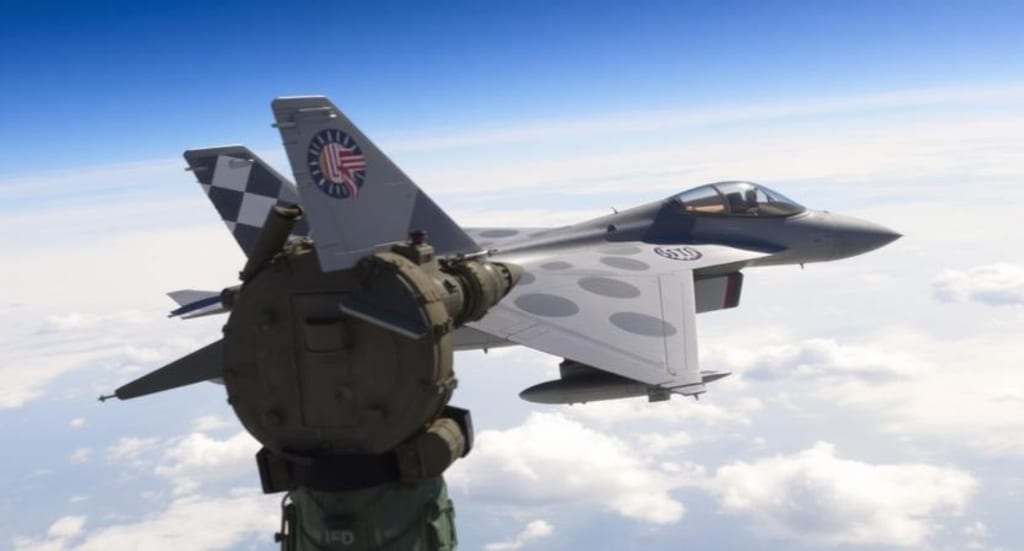
Direxion Daily Aerospace & Defense ETF and the Growth of Thematic Investing
Direxion Daily Aerospace & Defense ETF is a thematic investment product designed to track companies operating within the aerospace and defense industry. This sector includes firms involved in military systems, aircraft manufacturing, satellite technology, cybersecurity defense, and advanced aerospace engineering. Unlike broadly diversified funds, this ETF focuses on a specific industry that is strongly influenced by geopolitical developments and government spending patterns.
The aerospace and defense sector is one of the most strategically important industries in the global economy. It plays a central role in national security, technological innovation, and international defense cooperation. Because of this, the performance of companies in this sector is often closely tied to global political conditions, military budgets, and long-term defense modernization programs.
At the same time, modern investors are increasingly balancing sector-focused investments with more stable, income-generating strategies. Broad dividend-focused ETFs such as Vanguard FTSE Canadian High Dividend ETF represent a different approach, emphasizing diversification and consistent cash flow. This contrast highlights how investors today often combine high-risk thematic exposure with more stable long-term income strategies.
Understanding the Aerospace and Defense Industry
The aerospace and defense industry covers a wide range of activities, including military aircraft production, missile systems, space exploration technologies, surveillance systems, and cybersecurity infrastructure. Companies in this sector often rely heavily on government contracts, which can provide long-term revenue stability but also introduce dependency on policy decisions.
Government defense budgets are a key driver of industry performance. When geopolitical tensions increase or when countries invest in military modernization, demand for advanced defense technologies typically rises. This can create favorable conditions for companies within the sector and, by extension, ETFs that track their performance.
Technological innovation is another major factor shaping the industry. Developments in artificial intelligence, autonomous systems, satellite communications, and advanced propulsion technologies are transforming how modern defense systems are designed and deployed. These innovations are expanding the scope of the aerospace and defense sector beyond traditional military applications.
However, despite its strategic importance, the sector is not immune to volatility. Changes in government priorities, budget constraints, or shifts in international relations can all impact defense spending and industry performance. This makes concentrated sector ETFs more sensitive to external developments compared to diversified investment approaches.
Concentrated Exposure and Investment Risk
A defining feature of Direxion Daily Aerospace & Defense ETF is its concentrated exposure to a single industry. This structure allows investors to gain targeted access to aerospace and defense companies, but it also increases overall risk due to limited diversification.
When the sector performs well, concentrated exposure can lead to strong returns. Favorable geopolitical conditions, rising defense budgets, or technological breakthroughs can all positively impact the industry. However, during periods of reduced spending or policy shifts, performance can decline more sharply than broader market investments.
This level of concentration makes sector ETFs more suitable for investors who are comfortable with higher volatility and short- to medium-term market fluctuations. It is fundamentally different from diversified income strategies, which aim to reduce risk by spreading exposure across multiple industries.
Geopolitical Forces Driving the Sector
Geopolitical conditions are one of the most important influences on the aerospace and defense industry. Global conflicts, military alliances, and national security concerns all play a role in shaping defense spending decisions. As a result, companies in this sector often experience performance cycles that reflect international political developments.
Increased global tensions typically lead to higher defense budgets and greater investment in military technology. This includes areas such as advanced weapons systems, surveillance infrastructure, cybersecurity defense, and space-based military applications. These trends can support growth within the sector over time.
However, reliance on government funding also introduces uncertainty. Changes in political leadership or shifts in fiscal priorities can impact long-term contracts and procurement schedules. This creates a unique risk profile compared to industries driven primarily by consumer demand or private-sector growth.
Technology and Innovation in Defense Systems
Technology is a central driver of transformation within the aerospace and defense industry. Modern defense systems increasingly rely on artificial intelligence, machine learning, autonomous vehicles, satellite networks, and advanced communication systems. These innovations are reshaping military strategy and expanding the technological complexity of the sector.
Companies in this industry often invest heavily in research and development. Collaboration between private defense contractors and government agencies plays a critical role in advancing next-generation technologies. This long-term innovation cycle supports continuous evolution within the sector.
The growing importance of cybersecurity and space defense has further expanded the scope of the industry. Digital infrastructure protection and satellite-based defense systems are now key areas of focus, reflecting the changing nature of global security challenges.
Sector Investing Versus Income-Focused Strategies
Investment strategies can generally be divided into two categories: concentrated thematic exposure and diversified income investing. Direxion Daily Aerospace & Defense ETF represents a thematic approach, focusing on a single high-impact sector with strong geopolitical influence.
In contrast, income-focused ETFs such as Vanguard FTSE Canadian High Dividend ETF emphasize stability, diversification, and consistent dividend returns. These funds invest across multiple industries, including banking, utilities, energy, and telecommunications, to reduce volatility and generate steady cash flow.
Sector ETFs provide targeted exposure to specific themes such as defense spending and technological advancement. While this can lead to strong performance during favorable conditions, it also increases risk due to limited diversification.
Income-focused ETFs, on the other hand, aim to deliver more predictable long-term returns through dividend distributions. They are typically less volatile and are often used by investors seeking financial stability and regular income.
Many investors choose to combine both strategies within a single portfolio. Sector ETFs can offer growth potential, while income-focused ETFs provide balance and stability. This combination helps create a more diversified investment approach across different market conditions.
Long-Term Outlook for the Aerospace and Defense Sector
The long-term outlook for the aerospace and defense industry remains closely tied to global security trends and technological progress. Ongoing military modernization efforts, increased cybersecurity needs, and expansion into space-based technologies are expected to support continued demand within the sector.
Defense spending is likely to remain a key factor influencing industry performance. As countries invest in upgrading their military capabilities, demand for advanced defense systems and aerospace technologies is expected to remain strong over time.
However, the sector will continue to experience cycles influenced by political and economic conditions. Budget changes, international agreements, and shifts in global relations can all impact performance in both positive and negative ways.
Despite these fluctuations, the aerospace and defense industry remains a critical part of the global economy due to its strategic importance and continuous technological advancement.
Conclusion
Direxion Daily Aerospace & Defense ETF provides investors with concentrated exposure to one of the most strategically significant sectors in the global economy. By focusing on aerospace and defense companies, the ETF captures performance trends driven by geopolitical developments, technological innovation, and government spending cycles.
In contrast to diversified income strategies such as Vanguard FTSE Canadian High Dividend ETF, this approach emphasizes sector-specific growth potential with higher volatility. Both investment styles serve different roles within modern portfolio construction, where investors often balance stability with targeted growth opportunities.
The aerospace and defense sector is expected to remain important due to its connection to national security and technological advancement. As global conditions continue to evolve, sector-focused ETFs will remain relevant for investors seeking exposure to this high-impact industry.
About the Creator
Hammad Nawaz
Hammad here, sharing stock market insights, trading strategies, and tips. Helping traders understand trends, risk, and opportunities in equities, forex, and commodities.
Enjoyed the story? Support the Creator.
Subscribe for free to receive all their stories in your feed.
Comments
There are no comments for this story
Be the first to respond and start the conversation.