
1-Minute Forex Scalping Strategy for Beginners
I lost three months of rent trying to be a 'swing trader.' Then I found the 60-second rhythm. Here is the exact blueprint that changed everything

Stop Chasing the Wind: My Raw 1-Minute Forex Scalping Strategy for Beginners
I lost three months of rent trying to be a 'swing trader.' Then I found the 60-second rhythm. Here is the exact blueprint that changed everything.
Let’s be brutally honest for a second. Most of the trading advice you see online is garbage. It’s recycled, sanitized, and usually written by someone who has never felt their stomach drop when a red candle wipes out a week’s profit in three seconds. I’ve been there. I’ve sat in the dark at 3 AM, eyes bloodshot, staring at MetaTrader 4 like it was a crystal ball that hated me. I spent years trying to catch 'the big move' on the daily charts, only to realize I was just gambling with fancy terminology. Everything changed when I stopped trying to predict the future and started reacting to the present. That is the essence of 1-minute forex scalping.
The Psychology of the 60-Second Fight
Most people think scalping is for the hyperactive. They think you need a brain wired like a supercomputer to handle the speed. That’s a lie. Scalping is actually about discipline and simplicity. When you are trading the 1-minute timeframe, you aren't looking for a 200-pip run. You are looking for a pulse. A heartbeat. You enter, you grab 5 to 10 pips, and you get out before the market even realizes you were there. It’s like being a digital pickpocket, not a bank robber.
But here is the thing: if you don't have a plan, the 1-minute chart will chew you up and spit you out. It moves fast. It’s loud. It’s chaotic. Without a proven 1-minute strategy, you’re just clicking buttons and hoping for the best. And hope is a terrible trading strategy. I learned this the hard way after blowing two accounts before I finally figured out that the secret isn't in some 'holy grail' indicator. It’s in the rhythm.
Setting Up Your War Room
You don't need a Bloomberg Terminal. You need a clean chart and two specific indicators that talk to each other. Don’t clutter your screen with twenty different lines. It leads to analysis paralysis. For this beginner scalping setup, we are looking at the Exponential Moving Averages (EMA) and the Relative Strength Index (RSI).
The EMA Backbone
First, drop a 50-period EMA and a 100-period EMA onto your 1-minute chart. This is your filter. Think of the 50 EMA as the current momentum and the 100 EMA as the overall 'mood' of the market. If the 50 is above the 100, we are only looking for buys. If it’s below, we are only looking for sells. It sounds simple because it is. We aren't here to be geniuses; we are here to be profitable.
The RSI Trigger
Next, the RSI. Set it to 14 periods. We aren't looking for the standard 'overbought' or 'oversold' nonsense everyone talks about. We are looking for divergence and momentum shifts. When the price is pulling back toward our EMAs but the RSI is still showing strength, that’s our signal to get ready.
The Anatomy of a Perfect Trade
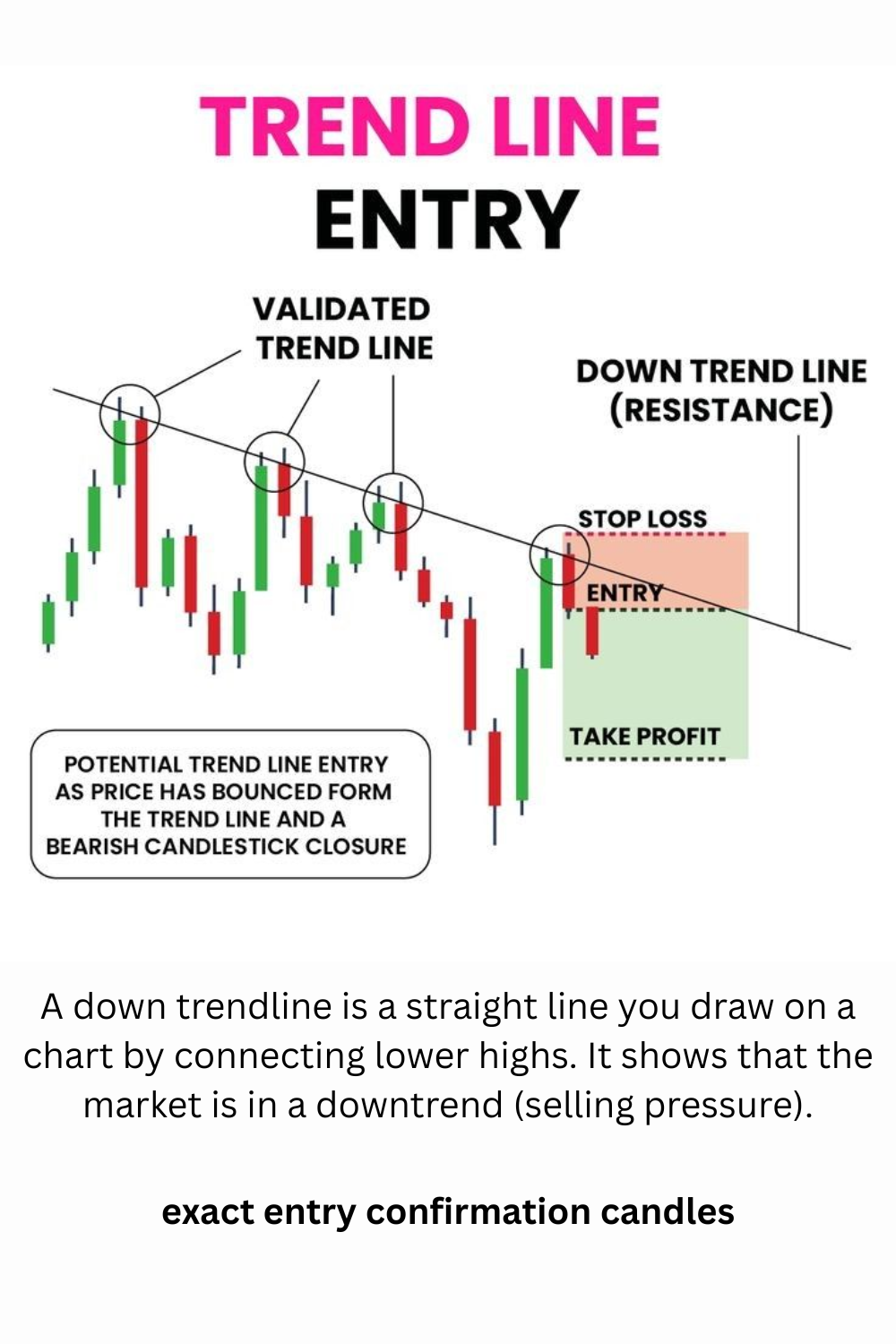
Let's walk through a setup. Imagine the EUR/USD is trending up on the 1-minute chart. The 50 EMA is comfortably above the 100 EMA. The price isn't just flying away; it’s breathing. It pulls back to touch that 50 EMA line. This is the moment of truth.
I don't just jump in. I wait for a bullish engulfing candle or a strong rejection wick right off that EMA. While that’s happening, I glance down at the RSI. Is it bouncing off the 50 level? If yes, I hit buy. My stop loss? It goes right under the recent swing low—usually about 5 to 7 pips away. My take profit? I’m looking for 10 pips. No more, no less.
This is where most beginners fail. They get greedy. They see the price moving in their favor and think, 'Maybe this is the big one!' Then, a sudden reversal hits, and their green trade turns into a bloody mess. In forex day trading, greed is a terminal illness. Take your pips and walk away. The market will be there tomorrow.
The Hard Truth About Risk Management
You can have a 90% win rate and still go broke. How? By being a coward when it comes to taking a loss. We’ve all done it. You tell yourself, 'It’ll bounce back,' while watching your equity melt. In the world of 1-minute scalping, you cannot afford that ego.
You need to risk a tiny fraction of your account—1% maximum. If you have a $1,000 account, you should not be losing more than $10 on a single trade. It feels slow, I know. You want the Lambo tomorrow. But the traders who last decades are the ones who treat their capital like a sacred resource.
Mastering Your Mindset
Technicals are 20% of the game. The other 80% is the six inches between your ears. Scalping is stressful because of the frequency of decisions. You will have losing streaks. You will have days where you feel like the market is personally out to get you.
When that happens, close the laptop. Walk away. The biggest mistake I ever made was 'revenge trading.' I’d lose a trade, get angry, and double my lot size to 'get it back.' I didn't get it back. I lost the whole account in twenty minutes. Now, I have a rule: two losses in a row, and I’m done for the session. No exceptions.
Why This Strategy Works for Beginners
The reason I recommend this forex strategy for beginners is that it forces you to learn price action. You start to see how candles react to levels. You learn the 'feel' of the market. It’s like learning to drive a manual car before an automatic—it makes you a better operator overall.
Is it easy? No. Is it worth it? Absolutely. There is no feeling quite like the quiet confidence of knowing exactly what to look for, seeing it happen in real-time, and executing without hesitation. Stop looking for the 'magic indicator' and start looking at the price. The 1-minute chart tells a story every single day. Your only job is to learn how to read it.
Take this blueprint. Test it on a demo account for two weeks. Don't change the settings. Don't add more indicators. Just trade the rhythm. You might be surprised at how much clearer the noise becomes when you finally have a map.
Stop Chasing the Wind: My Raw 1-Minute Forex Scalping Strategy for Beginners
I lost three months of rent trying to be a 'swing trader.' Then I found the 60-second rhythm. Here is the exact blueprint that changed everything.
Let’s be brutally honest for a second. Most of the trading advice you see online is garbage. It’s recycled, sanitized, and usually written by someone who has never felt their stomach drop when a red candle wipes out a week’s profit in three seconds. I’ve been there. I’ve sat in the dark at 3 AM, eyes bloodshot, staring at MetaTrader 4 like it was a crystal ball that hated me. I spent years trying to catch 'the big move' on the daily charts, only to realize I was just gambling with fancy terminology. Everything changed when I stopped trying to predict the future and started reacting to the present. That is the essence of 1-minute forex scalping.
The Psychology of the 60-Second Fight
Most people think scalping is for the hyperactive. They think you need a brain wired like a supercomputer to handle the speed. That’s a lie. Scalping is actually about discipline and simplicity. When you are trading the 1-minute timeframe, you aren't looking for a 200-pip run. You are looking for a pulse. A heartbeat. You enter, you grab 5 to 10 pips, and you get out before the market even realizes you were there. It’s like being a digital pickpocket, not a bank robber.
But here is the thing: if you don't have a plan, the 1-minute chart will chew you up and spit you out. It moves fast. It’s loud. It’s chaotic. Without a proven 1-minute strategy, you’re just clicking buttons and hoping for the best. And hope is a terrible trading strategy. I learned this the hard way after blowing two accounts before I finally figured out that the secret isn't in some 'holy grail' indicator. It’s in the rhythm.
Setting Up Your War Room
You don't need a Bloomberg Terminal. You need a clean chart and two specific indicators that talk to each other. Don’t clutter your screen with twenty different lines. It leads to analysis paralysis. For this beginner scalping setup, we are looking at the Exponential Moving Averages (EMA) and the Relative Strength Index (RSI).
The EMA Backbone
First, drop a 50-period EMA and a 100-period EMA onto your 1-minute chart. This is your filter. Think of the 50 EMA as the current momentum and the 100 EMA as the overall 'mood' of the market. If the 50 is above the 100, we are only looking for buys. If it’s below, we are only looking for sells. It sounds simple because it is. We aren't here to be geniuses; we are here to be profitable.
The RSI Trigger
Next, the RSI. Set it to 14 periods. We aren't looking for the standard 'overbought' or 'oversold' nonsense everyone talks about. We are looking for divergence and momentum shifts. When the price is pulling back toward our EMAs but the RSI is still showing strength, that’s our signal to get ready.
The Anatomy of a Perfect Trade
Let's walk through a setup. Imagine the EUR/USD is trending up on the 1-minute chart. The 50 EMA is comfortably above the 100 EMA. The price isn't just flying away; it’s breathing. It pulls back to touch that 50 EMA line. This is the moment of truth.
I don't just jump in. I wait for a bullish engulfing candle or a strong rejection wick right off that EMA. While that’s happening, I glance down at the RSI. Is it bouncing off the 50 level? If yes, I hit buy. My stop loss? It goes right under the recent swing low—usually about 5 to 7 pips away. My take profit? I’m looking for 10 pips. No more, no less.
This is where most beginners fail. They get greedy. They see the price moving in their favor and think, 'Maybe this is the big one!' Then, a sudden reversal hits, and their green trade turns into a bloody mess. In forex day trading, greed is a terminal illness. Take your pips and walk away. The market will be there tomorrow.
The Hard Truth About Risk Management
You can have a 90% win rate and still go broke. How? By being a coward when it comes to taking a loss. We’ve all done it. You tell yourself, 'It’ll bounce back,' while watching your equity melt. In the world of 1-minute scalping, you cannot afford that ego.
You need to risk a tiny fraction of your account—1% maximum. If you have a $1,000 account, you should not be losing more than $10 on a single trade. It feels slow, I know. You want the Lambo tomorrow. But the traders who last decades are the ones who treat their capital like a sacred resource.
Mastering Your Mindset
Technicals are 20% of the game. The other 80% is the six inches between your ears. Scalping is stressful because of the frequency of decisions. You will have losing streaks. You will have days where you feel like the market is personally out to get you.
When that happens, close the laptop. Walk away. The biggest mistake I ever made was 'revenge trading.' I’d lose a trade, get angry, and double my lot size to 'get it back.' I didn't get it back. I lost the whole account in twenty minutes. Now, I have a rule: two losses in a row, and I’m done for the session. No exceptions.
Why This Strategy Works for Beginners
The reason I recommend this forex strategy for beginners is that it forces you to learn price action. You start to see how candles react to levels. You learn the 'feel' of the market. It’s like learning to drive a manual car before an automatic—it makes you a better operator overall.
Is it easy? No. Is it worth it? Absolutely. There is no feeling quite like the quiet confidence of knowing exactly what to look for, seeing it happen in real-time, and executing without hesitation. Stop looking for the 'magic indicator' and start looking at the price. The 1-minute chart tells a story every single day. Your only job is to learn how to read it.
Take this blueprint. Test it on a demo account for two weeks. Don't change the settings. Don't add more indicators. Just trade the rhythm. You might be surprised at how much clearer the noise becomes when you finally have a map.
About the Creator
Pooja Verma
Forexwebstore.com Discover the Best Forex Indicators for a Simple Strateg. This page features key technical indicators for the most popular currency pairs in real time.
Enjoyed the story? Support the Creator.
Subscribe for free to receive all their stories in your feed.
Comments
There are no comments for this story
Be the first to respond and start the conversation.