
Will There Be War or Negotiations Between Iran and the U.S.?
War between Iran And Us

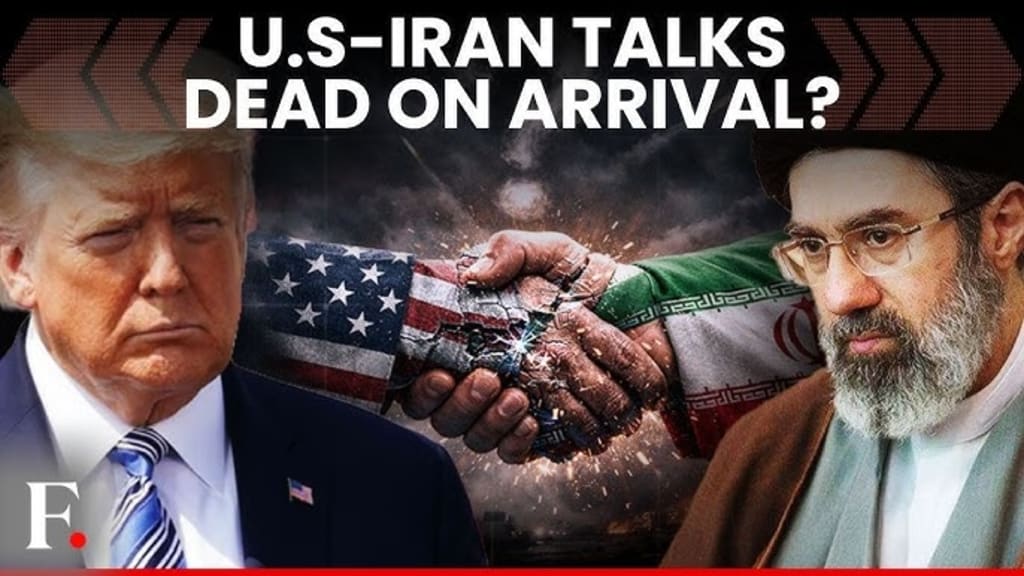
The relationship between Iran and the United States has always been tense, shaped by decades of mistrust, sanctions, military threats, and failed diplomacy. In 2026, the question has become even more urgent: Will there be war or negotiations between Iran and the U.S.? The answer is not simple, because both possibilities remain real. While military pressure has increased, both sides are still leaving the door open for diplomacy.
In recent weeks, tensions rose sharply after regional conflicts involving Iran, Israel, and U.S. forces in the Middle East. The United States increased military pressure by enforcing a naval blockade around Iranian oil routes and demanding strict limits on Iran’s nuclear activities. U.S. Defense Secretary Pete Hegseth said Iran still has an “open window” for a deal, but warned that time is running out. He stated that Iran must give up its pursuit of nuclear weapons in a verifiable way if it wants peace. �
Reuters +1
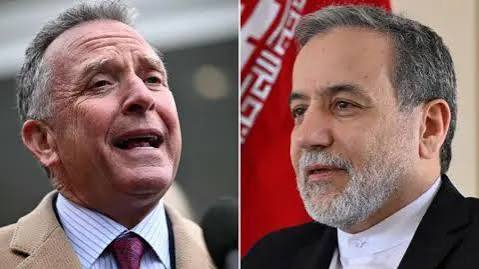
At the same time, Iran has shown both resistance and willingness to talk. Iranian officials rejected what they called “excessive demands” from Washington but did not completely close the path to negotiation. Iran’s Deputy Foreign Minister said that no new date had been set for talks because both sides first need to agree on a basic framework of understanding. He explained that Iran does not want to enter talks that are “doomed to fail.” �
Reuters +1
Pakistan has become an important mediator in this crisis. High-level direct talks between U.S. and Iranian officials were recently held in Islamabad—the most serious face-to-face negotiations between the two countries in decades. Although those talks ended without a final agreement, they showed that both sides understand the danger of full-scale war. Reuters and other reports suggest that another round of talks may soon resume. President Donald Trump even said Iran is preparing an offer that could help satisfy U.S. demands. �
Reuters +1
The main disagreements remain serious. The United States wants Iran to reduce uranium enrichment, allow stronger international inspections, and ensure safe shipping through the Strait of Hormuz. Iran, on the other hand, wants sanctions relief, recognition of its sovereignty, and security guarantees against future attacks. These issues are not easy to solve, which is why negotiations move slowly.
War remains a real possibility if diplomacy fails. Any attack on U.S. forces, closure of the Strait of Hormuz, or collapse of the ceasefire could quickly lead to military escalation. The Gulf region is already highly sensitive, and even a small incident could trigger a larger conflict. Experts at the Council on Foreign Relations warn that failed peace talks leave Washington with difficult choices and increase the risk of renewed fighting. �
Council on Foreign Relations
However, both countries also understand the cost of war. A direct U.S.-Iran war would damage global oil markets, threaten regional stability, and create major economic consequences worldwide. Iran would face serious destruction, while the U.S. would risk a long and expensive military conflict. This is why diplomacy, even when difficult, remains the preferred option for many leaders.
Another important factor is international pressure. Countries like China, Russia, Pakistan, Turkey, and Qatar are encouraging peaceful negotiations rather than military escalation. Even U.S. allies in Europe prefer a diplomatic solution because war would create wider instability across the Middle East.
So, will there be war or negotiations? At this moment, negotiations seem more likely—but they are fragile. Both sides are testing each other with pressure and diplomacy at the same time. The U.S. is using sanctions and military presence to force concessions, while Iran is using strategic resistance to protect its interests.
In conclusion, the future between Iran and the United States depends on whether both governments choose compromise over confrontation. War is possible, but neither side appears eager for a full conflict. Negotiations are difficult, slow, and full of mistrust, yet they remain the strongest path to peace. The world is watching closely, because the outcome will affect not only Iran and America, but global security as well.
About the Creator
Sk
"I am a passionate writer, crafting books and articles on Vocal Media, exploring human experiences, stories, and creative reflections."
Enjoyed the story? Support the Creator.
Subscribe for free to receive all their stories in your feed.
Comments
There are no comments for this story
Be the first to respond and start the conversation.