
Will the Breakdown of Talks Lead to a Major War Between the U.S. and Iran?
War

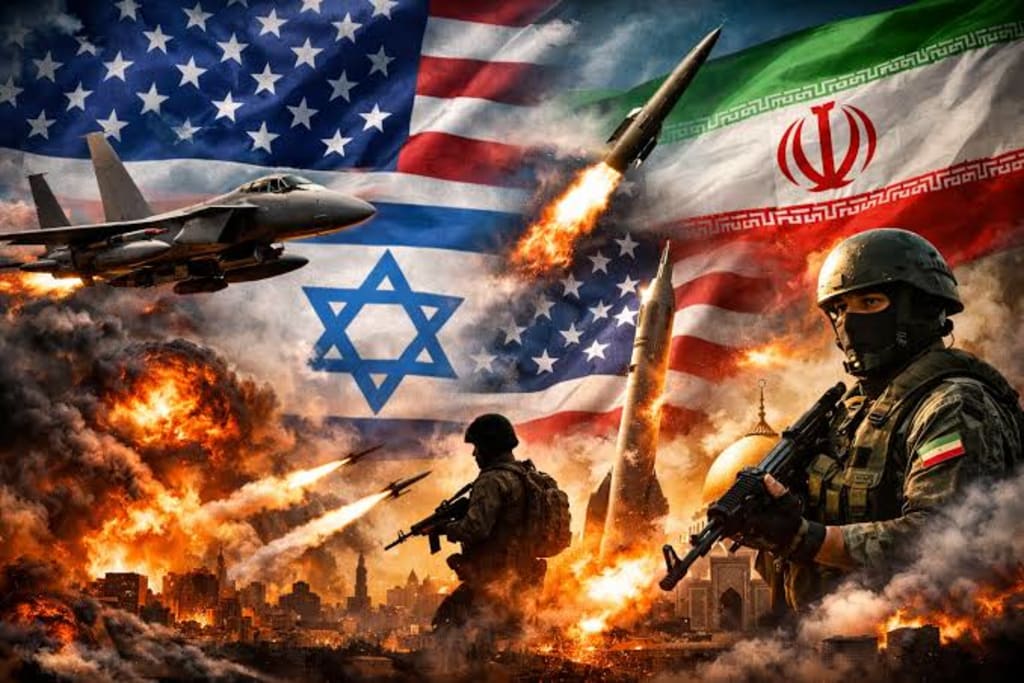
The collapse of diplomatic talks between the United States and Iran has once again raised a serious question across the world: will failed negotiations lead to a major war? In April 2026, direct talks held in Islamabad ended without a final agreement after more than 20 hours of intense discussions. Both sides failed to resolve disputes over Iran’s nuclear program, sanctions relief, and the security of the Strait of Hormuz. As tensions rise, many fear that diplomacy may give way to military confrontation. �
Why the Talks Failed
The main reason for the breakdown was disagreement over Iran’s nuclear program. The U.S. demanded stricter limits on uranium enrichment and stronger inspections to ensure Iran could not move toward nuclear weapons capability. Iran refused to fully stop enrichment, calling it a sovereign right and demanding guarantees that Washington would not abandon another agreement like it did with the 2015 nuclear deal.
Sanctions were another major issue. Tehran wanted economic sanctions lifted first, while Washington insisted Iran must act first. This “who moves first” problem created a deadlock. Disputes over Iran’s missile program and its regional influence also made compromise even harder. �
Is War Really Possible?
Yes, the possibility of war is real, but it is not inevitable. The U.S. has already increased its military presence in the Middle East, including aircraft carriers, warships, and fighter jets. Iran has also strengthened military preparedness, conducted drills, and warned that any attack would bring serious retaliation.
The Strait of Hormuz, one of the world’s most important oil routes, remains a major flashpoint. Any military clash there could quickly turn into a wider regional war involving Gulf states, Israel, and Iran-backed armed groups such as Hezbollah and the Houthis. Experts warn that even a limited strike could trigger a chain reaction. �
Why Both Sides May Avoid Full-Scale War
Despite rising tensions, both countries understand that a major war would be extremely costly. For the U.S., another large Middle East conflict would mean military losses, economic instability, and political pressure at home. Rising oil prices would also hurt global markets.
For Iran, a full war could threaten national infrastructure, economic survival, and political stability inside the country. Tehran knows that direct conflict with the U.S. could be devastating. This is why both sides continue to keep diplomatic channels open, even after failed talks.
Many analysts believe both nations prefer “controlled pressure” rather than open war—using sanctions, proxy conflicts, and military warnings instead of direct invasion. �
The Role of Regional Powers
Countries like Pakistan, Oman, Qatar, and Türkiye are trying to prevent escalation by acting as mediators. Pakistan played an important role in arranging the recent Islamabad talks and continues pushing for another round of negotiations.
Regional powers understand that a U.S.-Iran war would not stay limited. It would affect oil supplies, shipping routes, trade, and security across the Middle East and beyond. This is why diplomatic efforts are still continuing behind the scenes. �
What Could Trigger War?
Several events could push both sides toward direct conflict. These include an attack on U.S. military bases in the region, a major strike on Iran’s nuclear facilities, the closure of the Strait of Hormuz, or a sudden escalation involving Israel and Iranian-backed groups.
Sometimes wars do not begin because leaders choose them, but because miscalculations and retaliations spiral out of control. One missile strike or one naval clash could become much bigger than planned.
Conclusion
The breakdown of talks between the U.S. and Iran has certainly increased the risk of war, but a full-scale conflict is still not the most likely outcome. Both sides are under pressure, but both also understand the heavy price of direct war.
The greater danger may be not an immediate major war, but a slow escalation of tensions that eventually becomes impossible to control. Diplomacy remains difficult, but it is still the only realistic path to preventing another devastating conflict in the Middle East.
About the Creator
Sk
"I am a passionate writer, crafting books and articles on Vocal Media, exploring human experiences, stories, and creative reflections."
Enjoyed the story? Support the Creator.
Subscribe for free to receive all their stories in your feed.
Comments
There are no comments for this story
Be the first to respond and start the conversation.