
Why the U.S. Never Released Osama bin Laden’s Death Photos After Operation Neptune Spear
The real reason Barack Obama refused to release Osama bin Laden’s post-operation photos — and why the decision still fuels questions years later

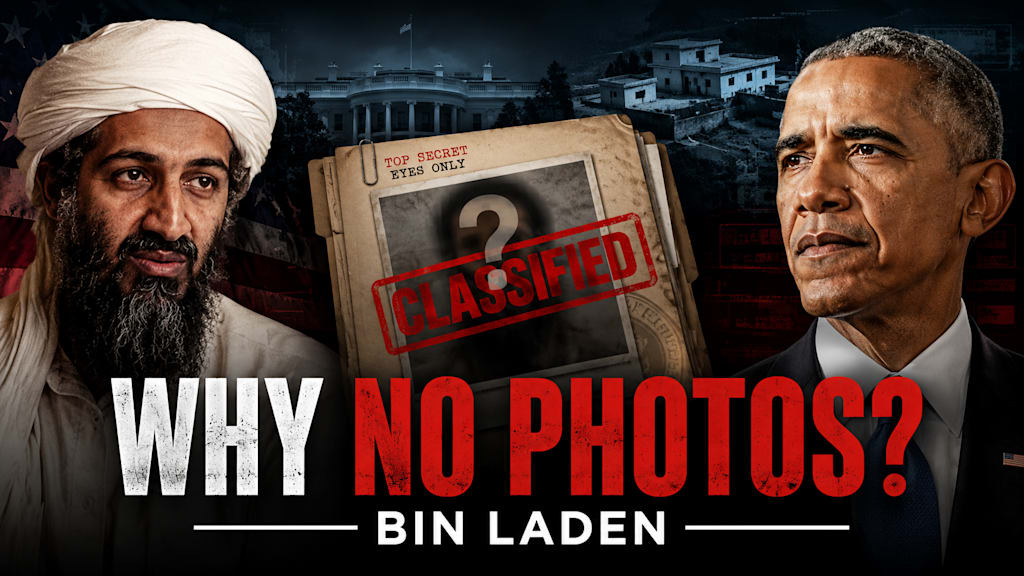
When U.S. forces killed Osama bin Laden in Abbottabad, Pakistan, in May 2011, the news immediately became one of the biggest global stories of the decade.
The mission, known as Operation Neptune Spear, ended a nearly ten-year hunt for the al-Qaeda leader blamed for the September 11 attacks. But soon after the operation, another question began spreading around the world:
Why did the United States never publicly release a clear photograph of Osama bin Laden’s body?
More than a decade later, that decision continues to generate curiosity, online debates and conspiracy theories. However, the Obama administration gave a specific explanation for keeping the images secret.
Osama bin Laden Was Killed in Abbottabad
U.S. special operations forces raided bin Laden’s compound in Abbottabad during the night of May 1–2, 2011.
After the raid, President Barack Obama announced that Osama bin Laden had been killed.
According to the U.S. government, photographs were taken after the operation. Officials also said bin Laden’s identity was confirmed using several methods, including facial analysis and DNA testing.
President Obama later said there was no doubt within the administration that the person killed during the raid was bin Laden.
So if photographs existed, why were they never shown to the public?
Why Obama Refused to Release Bin Laden’s Death Photos
The biggest reason was national security.
The images were reportedly extremely graphic because bin Laden had suffered severe gunshot injuries.
Obama argued that publishing such photographs could turn them into powerful propaganda material. Extremist groups could potentially use the images to encourage anger, recruitment or retaliatory violence against Americans.
The White House said it did not believe releasing the photographs was worth that risk.
Obama also rejected the idea of displaying the images as a symbol of victory. He argued that the United States did not need to present the body as a “trophy” simply to prove that the mission had succeeded.
The Photos Were Considered Too Graphic
Before the final decision was made, White House officials openly acknowledged that the images were disturbing.
Press Secretary Jay Carney described the photographs as gruesome and said officials were considering whether their publication could inflame tensions internationally.
The concern was not simply whether people would find the images offensive. Officials feared they could become iconic images used to rally anti-American sentiment.
Ultimately, Obama concluded that the potential consequences outweighed the public-interest argument for releasing them.
But Would Releasing the Photos Have Stopped Conspiracy Theories?
Probably not.
One argument for releasing the photographs was that visual evidence might silence people claiming bin Laden had not really been killed.
The White House considered that issue but reached a different conclusion.
Obama said people determined to believe the operation was fake were unlikely to change their minds because of a photograph. The administration instead pointed to DNA testing, facial recognition and other identification evidence.
In other words, officials believed releasing an extremely graphic image would create a security risk without necessarily ending conspiracy theories.
Why Was Osama bin Laden Buried at Sea?
Another controversial part of the story was the decision to bury bin Laden at sea.
His body was transported away from Pakistan after the raid and was later buried at sea.
That unusual decision also contributed to public speculation because there was no grave that journalists or members of the public could visit.
Combined with the decision not to release death photographs, the sea burial became a major talking point among people questioning the official account.
However, the U.S. government maintained that multiple identification procedures had already established bin Laden’s identity.
Did the U.S. Government Actually Have Photos?
Yes, according to official statements.
The debate was never simply about whether photographs existed. The administration openly discussed whether they should be released.
Later reports connected to legal attempts to obtain government records also indicated that U.S. agencies possessed multiple photographs and videos connected to bin Laden’s body, the raid and his burial.
The government continued to argue that releasing sensitive visual material could threaten national security.
The Real Reason the Photos Stayed Secret
The simplest explanation is also the official one.
The United States did not publicly release Osama bin Laden’s post-operation photographs because President Obama believed the images were too graphic and could be exploited as propaganda, potentially encouraging violence against Americans.
The administration also believed it already possessed enough evidence to confirm bin Laden’s death without publishing the pictures.
For supporters of the decision, withholding the images prevented an unnecessary security risk.
For critics, however, keeping such important visual evidence secret created a vacuum that conspiracy theories were almost guaranteed to fill.
That tension between public proof and national security is precisely why the question remains fascinating even years after Operation Neptune Spear.
About the Creator
parwinder singh
🎬 Movie & Entertainment Writer sharing reviews, ending explanations, story breakdowns, plot twists and hidden details from Bollywood, Hollywood, South Indian cinema, Korean dramas and OTT releases.
Enjoyed the story? Support the Creator.
Subscribe for free to receive all their stories in your feed.
Comments
There are no comments for this story
Be the first to respond and start the conversation.