
Why 2026 Feels Like a Year of Global Wars
War year 2026

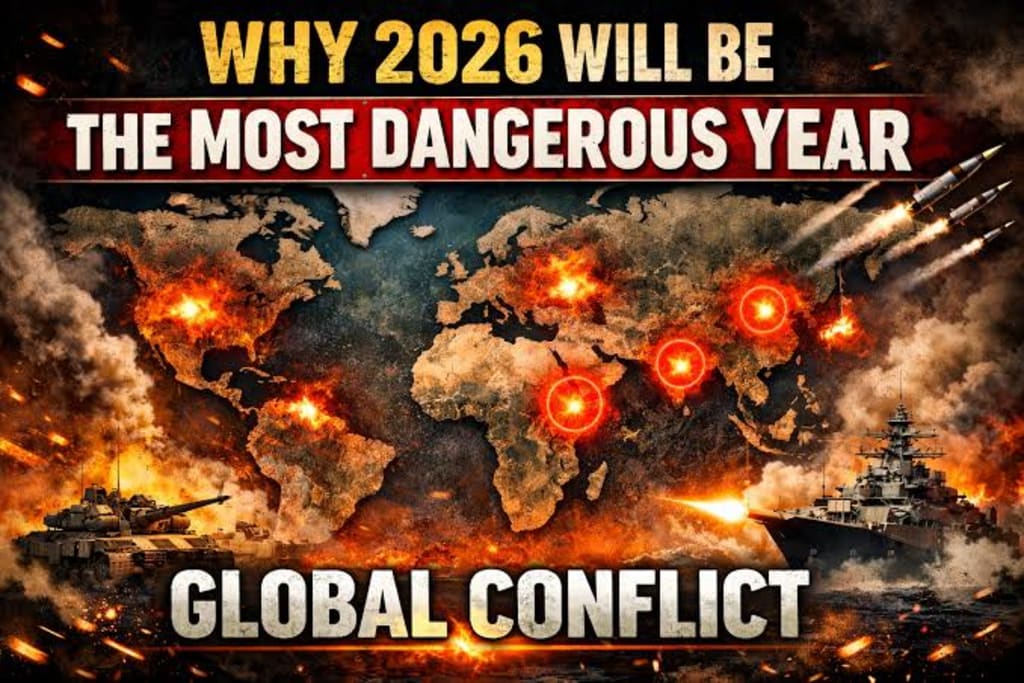
In 2026, headlines across the world are dominated by conflict—from the Middle East to Eastern Europe, Africa, and beyond. It can feel as though the world is slipping into a new era of constant war. While this perception isn’t entirely wrong, it’s also not as simple as “suddenly more wars started.” Instead, 2026 reflects a convergence of long-building tensions, geopolitical shifts, and systemic global pressures that are erupting at the same time.
1. Many Wars Didn’t Start in 2026 — They Escalated
One key reason 2026 feels unusually violent is that several major conflicts were already underway and have intensified rather than ended.
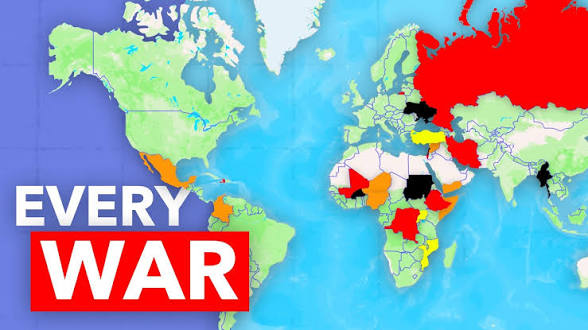
For example, the Russia–Ukraine war continues as a prolonged conflict expected to last years �. Similarly, violence in regions like Sudan, Myanmar, and the Sahel has persisted and worsened over time �. Modern wars tend to be long, drawn-out struggles rather than short decisive battles.
At the same time, new escalations—such as the 2026 Iran conflict—have added fuel to an already unstable system. This war emerged from years of tension over nuclear weapons, regional influence, and failed diplomacy �.
2. Breakdown of the Global Order
Another major factor is the weakening of international systems designed to prevent conflict.
Institutions that once helped manage disputes—like diplomatic alliances, global agreements, and international law—are under strain. Analysts warn of a “collapse of the rules-based international order,” with countries increasingly acting independently rather than cooperatively �.
This shift means:
- Fewer effective peace negotiations
- More unilateral military actions
- Less fear of global consequences
As a result, conflicts are more likely to start—and harder to stop.
3. Rising Great Power Rivalries
2026 is marked by growing tension between major powers such as the United States, China, and Russia.
Experts highlight high-risk flashpoints like:
- Taiwan Strait tensions
- NATO–Russia friction
- South China Sea disputes �
- Council on Foreign Relations
These rivalries don’t always lead to direct war, but they:
- Fuel proxy conflicts
- Increase military spending
- Encourage smaller countries to take sides
- This creates a chain reaction, where local conflicts become part of larger geopolitical struggles.
4. Economic Pressure and Resource Competition
Economic instability is another driver of conflict in 2026.
Wars—especially in the Middle East—are disrupting global energy supplies, pushing oil prices higher and slowing economic growth worldwide �. Trade disruptions and inflation are increasing pressure on governments and populations.
At the same time, competition over resources like:
- Oil and gas
- Food supplies
- Water
5. Climate Change and Humanitarian Crises
Climate change is quietly amplifying global instability.
Droughts, extreme weather, and food shortages are pushing millions into crisis. A 2026 global report warns that war, climate shocks, and reduced aid are driving widespread hunger and instability �.
This creates a dangerous cycle:
- Climate stress → economic hardship
- Economic hardship → political instability
- Political instability → conflict
In many regions, especially in Africa and the Middle East, environmental pressures are acting as “conflict multipliers.”
6. Technology Is Changing Warfare
Modern technology is also making wars easier to sustain and escalate.
Cheap drones, cyber warfare, and autonomous systems allow countries and even smaller groups to fight more effectively and for longer periods. In Ukraine, for example, low-cost robotic systems are becoming central to warfare, replacing expensive traditional equipment �.
- Business Insider
- This shift means:
- Wars are less dependent on massive resources
- Conflicts can drag on longer
- More actors can participate in warfare
7. Decline in Global Cooperation and Aid
Finally, reduced international cooperation is worsening conflicts.
Foreign aid and humanitarian funding have dropped significantly, limiting the world’s ability to respond to crises �. At the same time, political divisions within and between countries are increasing.
According to analysts, the global landscape in 2026 is defined by:
- Fragmentation
- Democratic decline
- Reduced cooperation �
- Without strong coordination, conflicts are more likely to spread and persist.
Conclusion
The sense that “2026 is full of global wars” comes from a perfect storm of overlapping factors:
Long-running conflicts intensifying
Weakening international systems
Rising great-power rivalry
Economic and resource pressures
Climate-driven instability
Technological changes in warfare
Rather than a sudden shift, 2026 represents the accumulation of years of unresolved tensions. Multiple crises are unfolding at once, making the world appear more unstable than at any time in recent decades.
However, it’s important to stay grounded: while the risks are real, global war is not inevitable. Many conflicts remain regional, and diplomatic efforts—though strained—continue. The future depends largely on whether global powers choose escalation or cooperation in the years ahead.
About the Creator
shaoor afridi
“I am a passionate writer dedicated to sharing informative, engaging, and well-researched articles. My goal is to provide valuable content that educates, inspires, and adds real value to readers.”
Enjoyed the story? Support the Creator.
Subscribe for free to receive all their stories in your feed.
Comments
There are no comments for this story
Be the first to respond and start the conversation.