
Voting Rights Act: The Struggle for Fair Elections in America
Elections often feel simple on the surface. A ballot, a booth, a choice. But behind that simple moment lies a long history of struggle, law, and lived experience.

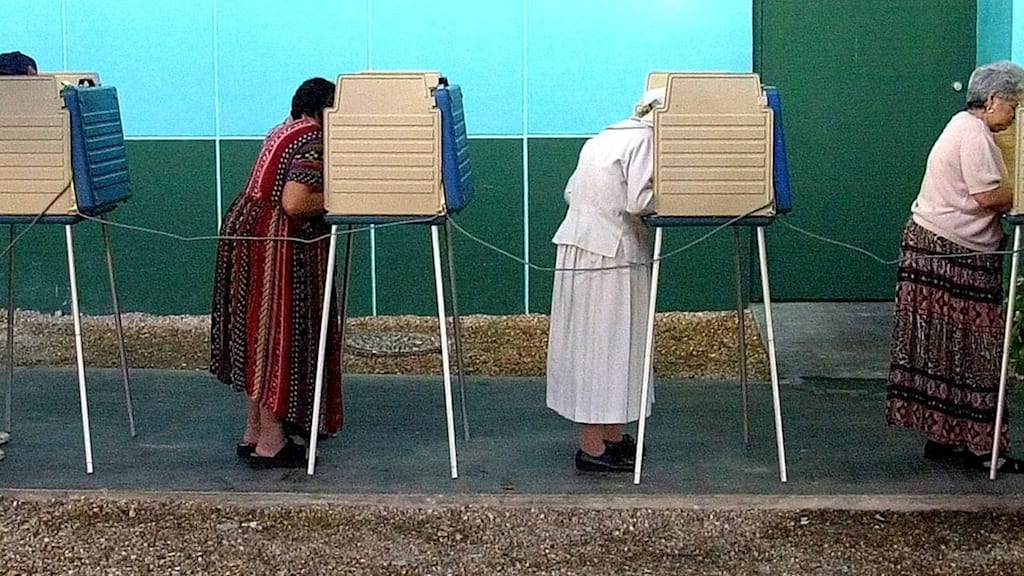
Elections often feel simple on the surface. A ballot, a booth, a choice. But behind that simple moment lies a long history of struggle, law, and lived experience. The Voting Rights Act of 1965 is one of the most important laws in American history because it changed who could fully take part in democracy. When people search for “voting rights act,” they are often trying to understand why it exists and why it still matters today. The answers are not only found in history books. They are found in stories of struggle, protest, and change. Understanding this law means understanding how access to voting became one of the most debated and protected rights in the United States.
What the Voting Rights Act Is
A Law Built on Equality
The Voting Rights Act of 1965 was created to protect the right to vote for all citizens.
It aimed to remove barriers that prevented certain groups from voting.
These barriers were often based on race and location.
The law was passed during a time of major social change in the United States.
Why It Was Needed
Before the law, many people faced obstacles when trying to vote.
These included unfair tests, strict registration rules, and intimidation.
Even though the right to vote existed in principle, access was not equal in practice.
The Voting Rights Act addressed these problems directly.
The Historical Background
A Country Divided
The United States in the early 1960s was deeply divided on civil rights.
Many Southern states used laws and practices to limit voting access.
These practices affected African American voters in particular.
The Civil Rights Movement
Activists organized protests and marches to demand equal rights.
They highlighted injustices in voting systems.
Their efforts helped push national attention toward reform.
The Voting Rights Act became a response to this pressure.
Key Provisions of the Voting Rights Act
Ending Discriminatory Tests
One major part of the law banned literacy tests used to block voters.
These tests were often unfair and applied unevenly.
Their removal opened access for many people.
Federal Oversight
The law allowed the federal government to monitor elections in certain areas.
This was to ensure fairness in voting procedures.
It helped prevent local practices from limiting access.
Preclearance Requirements
Some states had to get approval before changing voting laws.
This was meant to stop new discriminatory rules before they took effect.
It was a key protection in the original law.
Real-Life Impact of the Law
Increased Voter Participation
After the Voting Rights Act passed, voter registration increased.
Many people who had been excluded were able to vote for the first time.
This changed the political landscape in many areas.
Example of Change
In some Southern counties, African American voter registration rose significantly within a few years.
This shift reflected the removal of legal barriers.
It also showed the importance of enforcement.
Challenges and Legal Changes Over Time
Court Decisions
Over the years, parts of the Voting Rights Act have been challenged in court.
Some provisions were changed or removed.
These decisions affected how the law is applied today.
Ongoing Debate
There is ongoing discussion about how voting rights should be protected.
Some argue for stronger federal oversight.
Others believe states should have more control.
This debate continues in modern politics.
Why the Voting Rights Act Still Matters
Voting as a Foundation
Voting is one of the most basic forms of participation in democracy.
It allows people to have a voice in government decisions.
The Voting Rights Act protects this process.
Modern Voting Issues
Today, discussions about voting include topics like identification laws and polling access.
These issues show that access to voting remains an active concern.
The law continues to be part of these conversations.
The Human Side of Voting Rights
Personal Stories
Behind every law are individual experiences.
People who were once unable to vote remember the moment they could finally participate.
These moments carry emotional weight.
Why Access Matters
Voting is not just a legal right.
It is a way to feel included in society.
When access is limited, it affects trust in the system.
Changes in Voting Access Over Time
Expansion of Rights
Over time, voting rights have expanded to include more groups.
This includes younger voters through the 26th Amendment.
It also includes efforts to reduce barriers for disabled voters.
Ongoing Adjustments
Election laws continue to change.
States update procedures regularly.
These changes reflect evolving discussions about fairness and access.
The Role of Federal and State Governments
Shared Responsibility
Both federal and state governments play roles in elections.
States manage voting systems.
The federal government sets certain protections.
Balancing Authority
Finding the right balance between these levels is an ongoing challenge.
Too much restriction can limit access.
Too little oversight can create inconsistency.
Public Understanding of the Voting Rights Act
Why Awareness Matters
Many people know the name of the Voting Rights Act but not its details.
Understanding it helps explain current voting discussions.
Education and History
Schools and public programs often teach its importance.
This helps connect past struggles with present rights.
Modern Voting Discussions
Access and Participation
Today, discussions about voting often focus on access.
This includes polling locations, registration rules, and voting methods.
Technology and Voting
New systems, such as mail-in ballots and electronic voting, have changed how people vote.
These changes bring both convenience and new questions.
Lessons From the Voting Rights Act
1. Rights Need Protection
Legal rights are only meaningful when they are protected in practice.
The Voting Rights Act shows this clearly.
2. Change Comes Through Action
The law was created after years of activism.
Social movements played a key role in its passage.
3. Democracy Requires Participation
A democracy depends on people being able to vote.
Without participation, representation is limited.
The Continuing Conversation
Laws Evolve Over Time
The Voting Rights Act is not a fixed story.
It has changed through amendments and court decisions.
Public Engagement
Citizens continue to play a role in shaping voting policies.
Public awareness influences political discussions.
Looking Ahead
The future of voting rights in the United States will likely continue to evolve.
New laws, court rulings, and public debates will shape access.
The core question remains the same.
How can voting be fair, accessible, and trusted?
Final Thoughts
The Voting Rights Act is more than a historical law.
It is part of an ongoing story about fairness and participation.
For those searching “voting rights act,” the interest often begins with history.
But it leads to a deeper understanding of democracy itself.
It shows how access to voting has been shaped by struggle, law, and change.
And it reminds us that participation in elections is not only a right written on paper.
It is something that must be protected, discussed, and understood over time.
About the Creator
Muqadas khan
Hi! Welcome to my Vocal page. I’ll be sharing fresh articles every day covering stories, ideas, and a bit of inspiration to brighten your feed. Thanks for reading and supporting daily writing! 📖💫
Enjoyed the story? Support the Creator.
Subscribe for free to receive all their stories in your feed.
Comments
There are no comments for this story
Be the first to respond and start the conversation.