
Virginia Supreme Court Ruling on Redistricting Sparks Debate
Politics often feels distant until a decision changes how people believe their voices are counted. That is why the growing attention around the “virginia supreme court ruling on redistricting” carries such emotional weight.

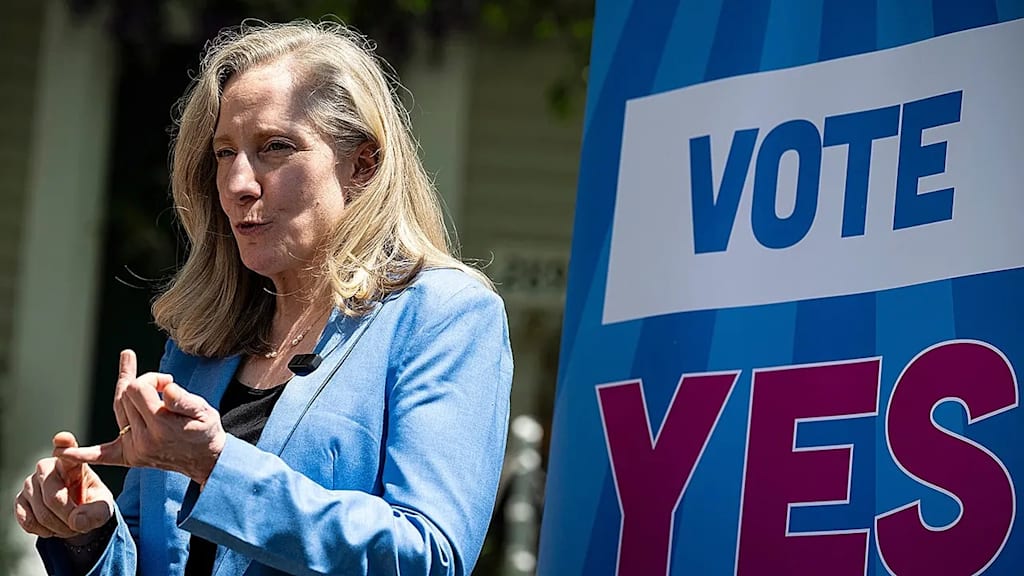
Politics often feels distant until a decision changes how people believe their voices are counted. That is why the growing attention around the “virginia supreme court ruling on redistricting” carries such emotional weight. Redistricting may sound technical at first, but behind it are real concerns about fairness, representation, and trust in democracy. In Virginia, court decisions connected to voting districts affect more than maps. They shape elections, influence communities, and determine how political power is shared. For many people, the issue is deeply personal because it affects whether they feel heard in the system. The conversation surrounding the Virginia Supreme Court ruling on redistricting is not just legal or political. It is about identity, fairness, and the future direction of representation itself.
Understanding Redistricting
What Redistricting Means
Redistricting is the process of redrawing voting district boundaries.
This usually happens after population data changes.
The goal is to ensure districts reflect population shifts fairly.
Why It Matters
The way district lines are drawn can influence election outcomes.
A district can affect which communities vote together.
This changes political balance.
For many citizens, it shapes whether their concerns receive attention.
The Role of the Supreme Court of Virginia
Interpreting the Law
The Virginia Supreme Court reviews legal disputes connected to state laws and constitutional questions.
When disagreements over district maps emerge, the court can become involved.
Balancing Fairness and Procedure
The court’s responsibility is not only legal interpretation.
It must also consider fairness, representation, and constitutional standards.
This balance creates intense public interest.
Why the Virginia Supreme Court Ruling on Redistricting Matters
Representation Shapes Daily Life
Political representation affects education, healthcare, transportation, and public funding.
District maps influence who speaks for communities.
Trust in Elections
People want confidence that elections are fair.
If district boundaries appear politically motivated, trust weakens.
This is why court rulings become emotionally charged.
The Emotional Side of Redistricting
Feeling Included or Ignored
Communities often worry about losing influence.
If neighborhoods are divided across districts, people may feel disconnected.
Political Identity
Voting districts can shape political identity.
People often see representation as tied to belonging and recognition.
What Led to the Debate
Population Changes
Population growth and movement often require district adjustments.
Urban and suburban areas may expand rapidly.
Rural populations may decline.
These shifts force map revisions.
Political Competition
Redistricting becomes controversial because political parties understand its importance.
Even small map changes can affect election results.
Understanding Gerrymandering
What Gerrymandering Means
Gerrymandering refers to drawing districts in ways that favor one political side.
This practice has been criticized for decades.
Public Concerns
Many voters believe gerrymandering weakens democracy.
They fear it gives politicians too much control over outcomes.
Virginia’s Approach to Redistricting
Independent Efforts
Virginia has attempted to create fairer systems for district drawing.
There have been efforts to reduce political influence.
Challenges Remain
Even with reforms, disagreements continue.
Fairness is difficult to define in a way everyone accepts.
Why People Search for Virginia Supreme Court Ruling on Redistricting
Immediate Political Impact
Court rulings can quickly affect upcoming elections.
People want to know how districts may change.
Personal Relevance
Voters want to understand how their own communities are affected.
This creates strong public interest.
How Redistricting Affects Communities
Local Representation
District boundaries determine which officials represent specific neighborhoods.
This affects local priorities.
Community Voice
Some communities fear losing political influence if boundaries change.
This creates emotional reactions.
Public Reactions to Court Decisions
Support and Relief
Some people view court intervention as necessary for fairness.
They believe the ruling protects democratic principles.
Frustration and Distrust
Others may see the decision differently.
They may feel the system still favors certain interests.
Media Attention and Public Discussion
Constant Coverage
News coverage increases during major rulings.
People follow updates closely.
Social Media Conversations
Online discussions often become emotional.
People debate fairness, legality, and political motives.
Comparing Virginia to Other States
A National Issue
Redistricting disputes happen across the United States.
Virginia is not alone.
Different Approaches
Some states use independent commissions.
Others rely heavily on legislatures.
Each system creates different challenges.
The Legal Complexity Behind Redistricting
Constitutional Questions
Courts must interpret state constitutions and voting laws.
This requires careful analysis.
Balancing Competing Interests
Fair representation, political realities, and legal standards often collide.
This makes decisions difficult.
Real-Life Example
Imagine living in the same neighborhood for years.
You vote with people who share similar concerns.
Then district lines change.
Suddenly, your community is grouped differently.
Your political influence may feel altered overnight.
This is why redistricting feels personal for many voters.
Lessons From the Virginia Supreme Court Ruling on Redistricting
1. Democracy Is Deeply Personal
Voting is tied to identity and belonging.
2. Fairness Is Difficult to Define
Different groups often disagree about what fairness means.
3. Public Trust Matters
Confidence in elections shapes democratic stability.
The Broader Impact on Democracy
Long-Term Consequences
District maps can influence elections for years.
Their effects are not temporary.
Encouraging Public Awareness
Redistricting discussions encourage people to pay closer attention to how democracy functions.
Looking Ahead
The debate surrounding the Virginia Supreme Court ruling on redistricting will likely continue.
Future elections may bring new challenges and legal disputes.
Public attention on fairness and representation is unlikely to fade.
Final Thoughts
The “virginia supreme court ruling on redistricting” is more than a legal issue.
It reflects deeper concerns about fairness, trust, and political representation.
For many people, district lines are not just shapes on a map.
They represent whether communities feel seen or overlooked.
As debates continue, one thing remains clear.
People care deeply about how their voices are counted, and that concern will continue shaping conversations about democracy for years to come.
About the Creator
Muqadas khan
Hi! Welcome to my Vocal page. I’ll be sharing fresh articles every day covering stories, ideas, and a bit of inspiration to brighten your feed. Thanks for reading and supporting daily writing! 📖💫
Enjoyed the story? Support the Creator.
Subscribe for free to receive all their stories in your feed.
Comments
There are no comments for this story
Be the first to respond and start the conversation.