
The U.S. Blockade of Iranian Ports
Understanding Strategy, Pressure, and Global Impact

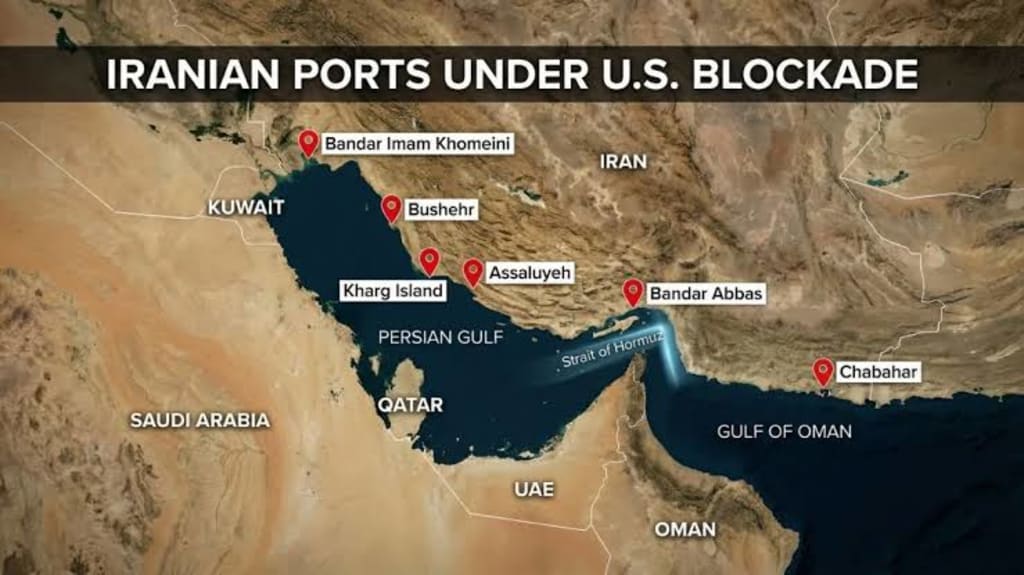
What Does “Blockade” Really Mean?
A blockade is a military action where a country uses its naval forces to prevent ships from entering or leaving another country’s ports. Under international law, this is considered an act of war. When people talk about a U.S. blockade of Iran, they often imagine warships surrounding ports and stopping all trade. However, the reality is more complex.
Is There an Actual U.S. Blockade?
The United States has not officially declared a naval blockade against Iran. Instead, it uses a mix of economic sanctions and strategic military positioning to limit Iran’s access to global trade. This approach creates a “blockade-like” effect without formally crossing into an act of war.
Sanctions target Iran’s oil exports, banking system, and shipping industry. As a result, many international companies and shipping firms avoid doing business with Iran to escape penalties. This significantly reduces the number of ships entering or leaving Iranian ports.
The Role of the Strait of Hormuz
A key part of this strategy involves the Strait of Hormuz—one of the world’s most important chokepoints. A large percentage of global oil passes through this narrow waterway.
The U.S. Navy maintains a strong presence in this region to monitor maritime activity and enforce sanctions. While it does not stop every ship, it has the capability to track, inspect, or intercept vessels suspected of violating restrictions. This presence alone acts as a powerful deterrent.
Why Is the U.S. Doing This?
The main goal of U.S. policy is to pressure Iran into changing its behavior, particularly regarding its nuclear program and regional activities. By restricting trade and reducing oil revenue, Washington aims to weaken Iran’s economic strength and push it toward negotiations.
This strategy is often described as “maximum pressure,” designed to achieve political goals without engaging in direct military conflict.
Impact on Iran and the World
The effects of these measures are significant. For Iran, reduced exports mean less national income, rising inflation, and economic instability. For the global market, any tension in this region can lead to fluctuations in oil prices.
Countries that depend on energy imports closely watch the situation, as even small disruptions in the Gulf can have worldwide consequences.
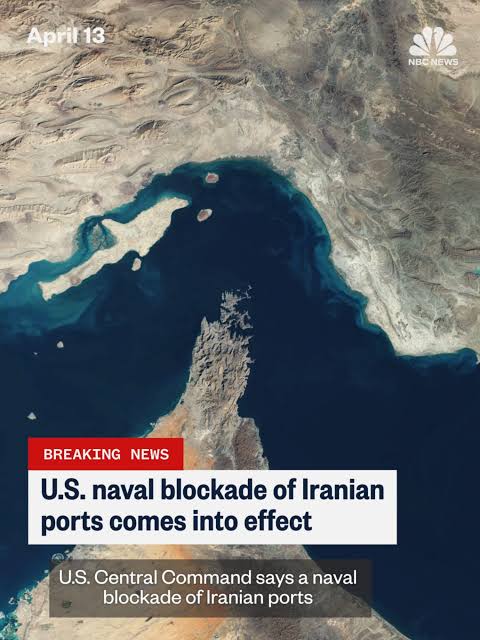
Legal and Political Concerns
Because a formal blockade is considered an act of war, the United States avoids using that term. Instead, it frames its actions as sanctions enforcement and maritime security operations. This allows it to maintain pressure while staying within a legally safer zone.
However, critics argue that these measures still escalate tensions and risk conflict, especially in such a sensitive and strategically important region.
The idea of a U.S. blockade of Iranian ports centers on restricting Iran’s ability to export goods—especially oil—and import critical supplies. While not always a full naval blockade in the traditional sense, the United States often uses a mix of military presence, sanctions, and maritime monitoring to pressure Iran economically and politically.
How It Works
The U.S. Navy increases its presence near strategic waterways like the Strait of Hormuz, through which a significant portion of global oil passes. Ships suspected of violating sanctions may be tracked, inspected, or discouraged from docking at Iranian ports.
Global Impact
Such actions can disrupt global oil markets, raise shipping costs, and increase regional tensions. Countries dependent on Middle Eastern oil—like China and India—closely watch these developments.
Conclusion
There is no official U.S. naval blockade of Iranian ports, but the combination of strict sanctions and a strong military presence creates a similar effect. It is a calculated strategy—applying economic and strategic pressure without triggering full-scale war.
In today’s interconnected world, such actions show how power can be projected not just through direct conflict, but through control of trade, finance, and critical global routes.
About the Creator
shaoor afridi
“I am a passionate writer dedicated to sharing informative, engaging, and well-researched articles. My goal is to provide valuable content that educates, inspires, and adds real value to readers.”
Enjoyed the story? Support the Creator.
Subscribe for free to receive all their stories in your feed.
Comments
There are no comments for this story
Be the first to respond and start the conversation.