
The Risks of Skipping Diplomacy
How the Lack of Talks Could Fuel a Third World War

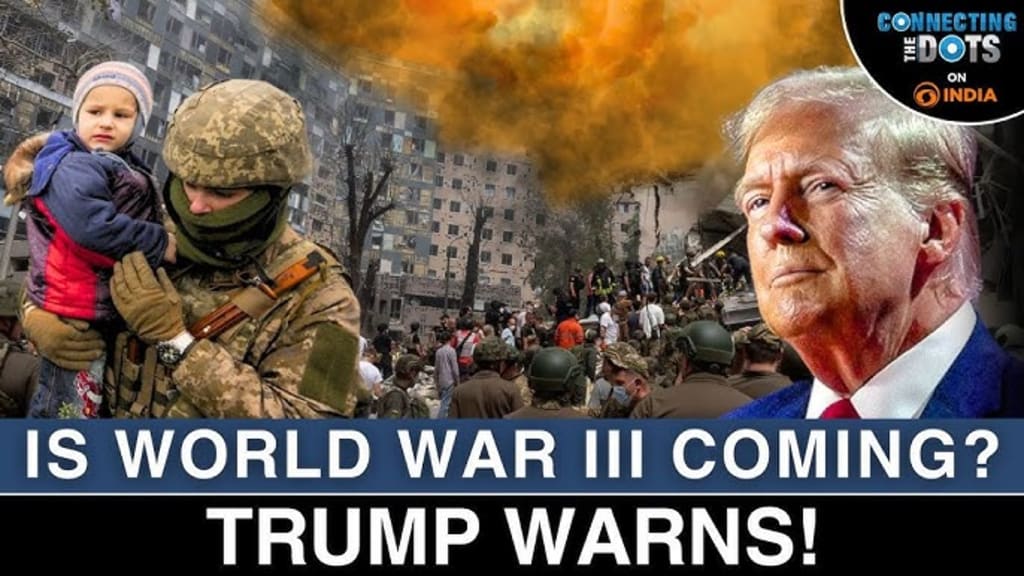
The Risks of Skipping Diplomacy: How the Lack of Talks Could Fuel a Third World War
In an increasingly interconnected and volatile world, diplomacy remains one of the most powerful tools to prevent conflict and maintain global stability. However, when nations abandon dialogue and choose silence over negotiation, the consequences can be severe. The absence of meaningful talks between rival states does not simply freeze tensions—it often intensifies them. In the worst-case scenario, this breakdown in communication can push the world closer to a catastrophic global conflict.
At the heart of every major war lies a failure of understanding. Diplomatic channels exist to bridge differences, clarify intentions, and manage disputes before they spiral out of control. When these channels are ignored or shut down, misunderstandings multiply. A defensive move by one country may be perceived as aggression by another, triggering a chain reaction of retaliation. Without communication, even small incidents can escalate into large-scale confrontations.
One of the most dangerous aspects of avoiding diplomacy is the rise of miscalculation. In times of tension, leaders rely heavily on intelligence reports, military assessments, and sometimes incomplete information. Without direct dialogue, there is no opportunity to verify facts or de-escalate fears. History has shown that wars often begin not because they are planned, but because they are stumbled into—driven by suspicion, fear, and a lack of trust.
Furthermore, the absence of negotiations weakens global institutions and alliances that are designed to maintain peace. International organizations and mediators play a crucial role in facilitating dialogue, but their effectiveness depends on the willingness of nations to participate. When powerful countries refuse to engage, it sends a message that diplomacy is no longer a priority. This can encourage other nations to adopt more aggressive stances, further destabilizing the international system.
Another key factor is the role of military buildup. When diplomacy fails, countries often turn to strengthening their armed forces as a means of protection or deterrence. While this may provide a sense of security, it can also provoke rival nations to do the same. This arms race creates an environment of heightened tension, where any spark—intentional or accidental—can ignite a larger conflict. In such a scenario, the line between deterrence and provocation becomes dangerously thin.
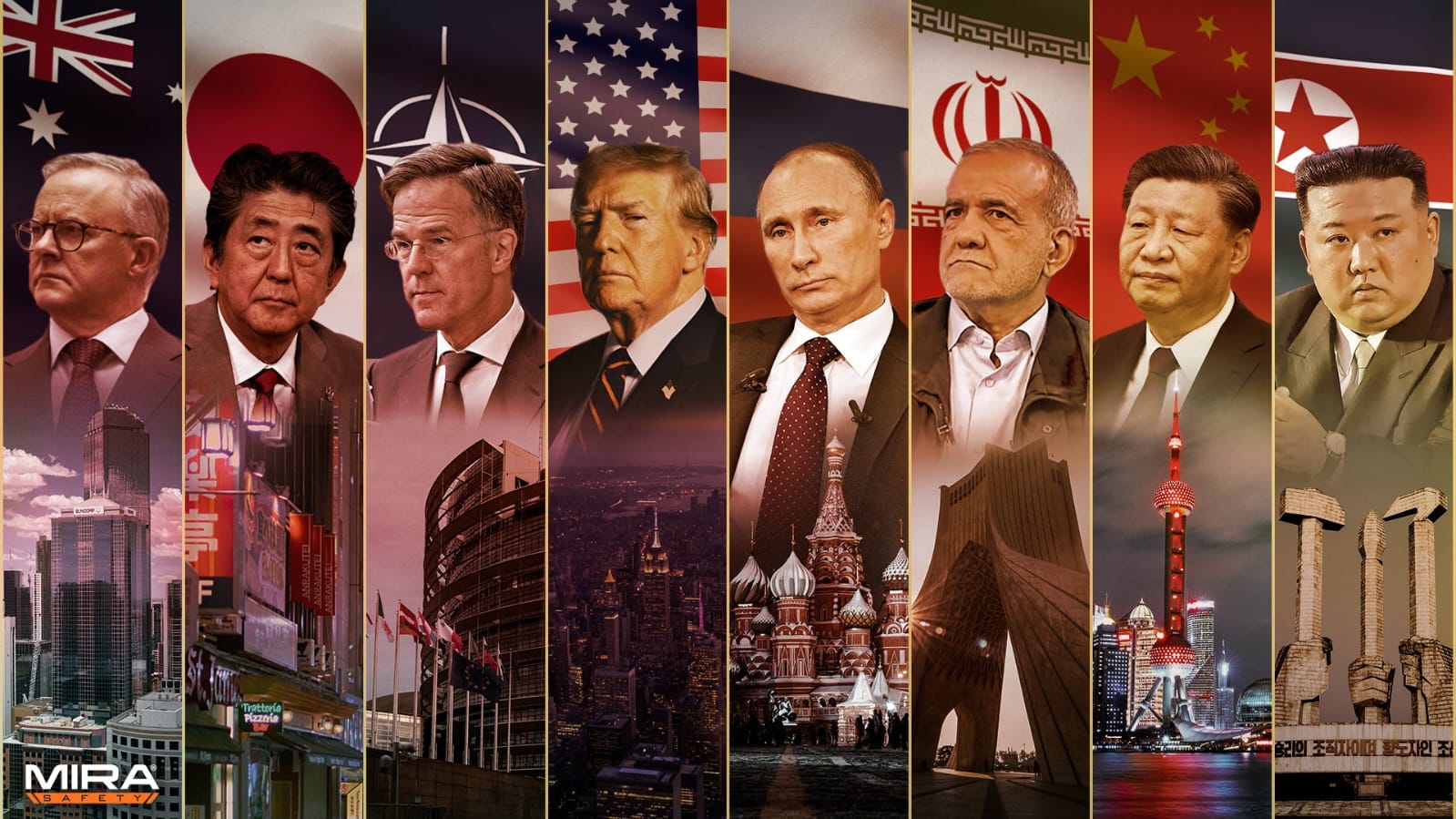
The potential involvement of multiple global powers makes the situation even more alarming. Modern conflicts are rarely isolated; they tend to draw in allies and strategic partners. A regional dispute, if left unresolved through diplomacy, can quickly expand into a broader confrontation involving several nations. With advanced weapons and global alliances in play, such a conflict could escalate beyond control, raising fears of a third world war.
Economic consequences also cannot be ignored. The breakdown of diplomatic relations disrupts trade, investment, and international cooperation. Sanctions, embargoes, and economic retaliation often follow, harming not only the countries involved but also the global economy. As economic pressures mount, governments may resort to more aggressive policies to assert dominance or divert attention from internal challenges, further increasing the risk of conflict.
Despite these risks, there is still hope. History also provides numerous examples where diplomacy has successfully prevented wars. Open communication, even between adversaries, allows for compromise and mutual understanding. It creates opportunities for peaceful solutions, confidence-building measures, and long-term stability.
In conclusion, skipping diplomacy is not a neutral act—it is a dangerous gamble with global consequences. The lack of talks does not eliminate conflict; it amplifies it. In a world where tensions can escalate rapidly, dialogue is not just an option but a necessity. To avoid the devastating possibility of a third world war, nations must prioritize communication, rebuild trust, and commit to resolving disputes through peaceful means.
About the Creator
Sk
"I am a passionate writer, crafting books and articles on Vocal Media, exploring human experiences, stories, and creative reflections."
Enjoyed the story? Support the Creator.
Subscribe for free to receive all their stories in your feed.
Comments
There are no comments for this story
Be the first to respond and start the conversation.