

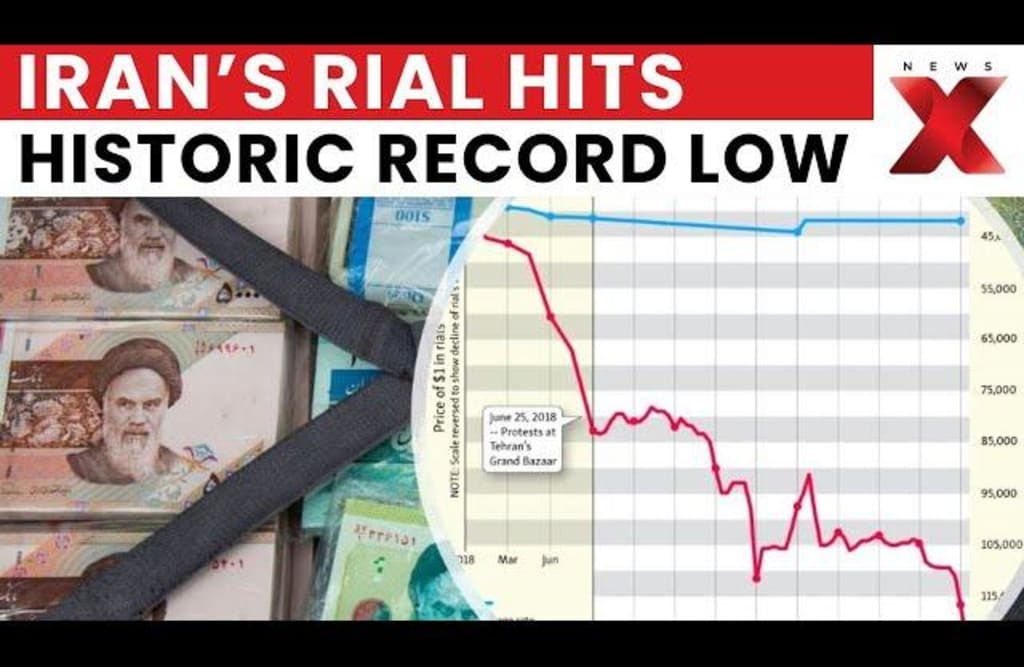
The Iranian Rial in the Face of the US Dollar
Introduction
The relationship between the Iranian Rial and the United States Dollar is a powerful reflection of global economics, politics, and market confidence. Over the years, the Rial has experienced significant depreciation against the Dollar, making this comparison an important case study in how external pressures and internal policies shape a nation’s currency value.
Historical Background
The Iranian Rial has been Iran’s official currency for decades, but its strength has fluctuated dramatically. Before the Iranian Revolution, Iran had a relatively stable economy with stronger international ties. However, after the revolution, political isolation and economic restructuring began to affect the currency’s value.
In contrast, the US Dollar has maintained its dominance as the world’s leading reserve currency. Its stability is backed by the economic strength of the United States, global trade usage, and investor confidence.
Factors Affecting the Rial’s Value
1. Economic Sanctions
One of the most critical factors behind the Rial’s decline is international sanctions. Especially after the United States withdrawal from the Iran nuclear deal, Iran faced severe restrictions on oil exports and global financial transactions. These sanctions reduced foreign currency inflows, weakening the Rial significantly.
2. Inflation and Monetary Policy
Iran has struggled with high inflation rates for many years. When inflation rises, the purchasing power of the Rial decreases, making it weaker compared to stronger currencies like the Dollar. Poor monetary control and excessive money supply have further worsened the situation.
3. Dependence on Oil Exports
Iran’s economy relies heavily on oil exports. When oil prices drop or exports are restricted, government revenue declines. This creates pressure on the currency, leading to depreciation against the Dollar.
Why the US Dollar Remains Strong
The US Dollar is considered a global safe-haven currency. It is widely used in international trade, especially in oil transactions. Countries hold large reserves of Dollars, increasing its demand worldwide.
Additionally, the United States benefits from a stable financial system, strong institutions, and investor trust. These factors make the Dollar resilient even during global economic uncertainty.
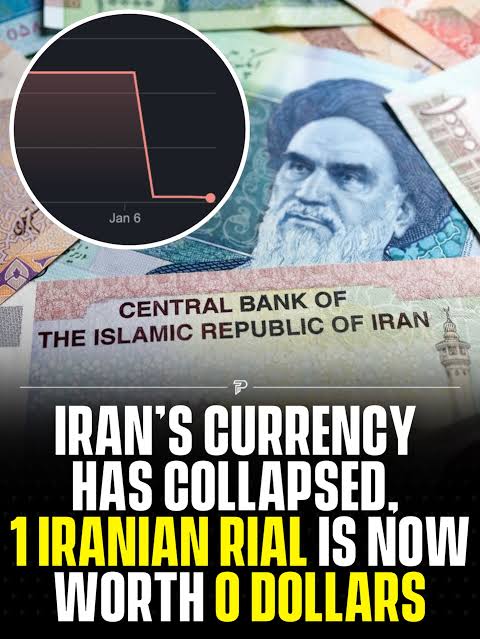
Exchange Rate Reality
In recent years, the gap between the Rial and the Dollar has widened dramatically. Where once the exchange rate was manageable, today it requires a very large number of Rials to equal one US Dollar. This reflects not only economic imbalance but also a lack of confidence in the domestic currency.
The existence of multiple exchange rates in Iran—official, semi-official, and black market—further complicates the situation and reduces transparency.
Impact on Everyday Life
The weakening of the Rial has serious consequences for Iranian citizens. Imported goods become more expensive, leading to a higher cost of living. Essential items such as food, medicine, and technology are harder to afford.
Businesses also struggle, as they must deal with unpredictable exchange rates. This uncertainty discourages investment and slows economic growth.
Can the Rial Recover?
Recovery is possible but challenging. It would require a combination of economic reforms, reduced inflation, and improved international relations. Lifting sanctions could significantly boost foreign investment and stabilize the currency.
However, without structural changes in economic policy and governance, the Rial may continue to face pressure against the Dollar.
Conclusion
The comparison between the Iranian Rial and the US Dollar highlights a broader story of economic resilience versus vulnerability. While the Dollar remains strong due to global trust and stability, the Rial reflects the impact of sanctions, inflation, and economic dependency.
Understanding this dynamic is crucial not only for economists but also for anyone interested in how global politics and economics shape everyday financial realities.The appreciation of the Iranian rial is rarely due to a single factor. Instead, it reflects a combination of economic stability, policy decisions, international developments, and market sentiment.
About the Creator
Sk
"I am a passionate writer, crafting books and articles on Vocal Media, exploring human experiences, stories, and creative reflections."
Enjoyed the story? Support the Creator.
Subscribe for free to receive all their stories in your feed.
Comments
There are no comments for this story
Be the first to respond and start the conversation.