literature
Political literature hunted from the best-seller list or the recesses of online. Our favorite stories showcase politicians from both sides of the aisle and beyond.
I Want to Be a Slave
Pieces of cloth drifted to the floor like ash from a volcano. Neema Hudgins, in the basement to her family's modest three-story Wilmington, Delaware home, clipped and clipped until patches shown on the worn white dress. She had pressed the dress in muddy water overnight and dried it on the line overnight. Shabby and dingy, she slipped the piece of fabric over her body. She peered at herself in the mirror. What reflected back was an 18-year-old woman who had had enough. She ventured up the stairs. Her ascension in physical form deviated from the low grade that she had leveled herself. The first person to see her that morning was her brother Greer, age 16.
By Skyler Saunders8 years ago in The Swamp
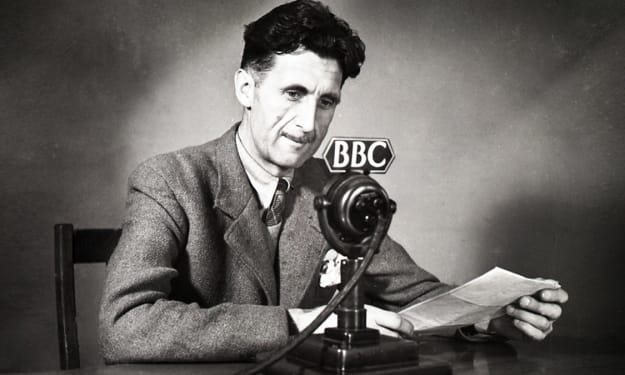
The Spirit of Radio: Ayn Rand, Troi Torain, September 11, 2001, and the Power of the Airwaves
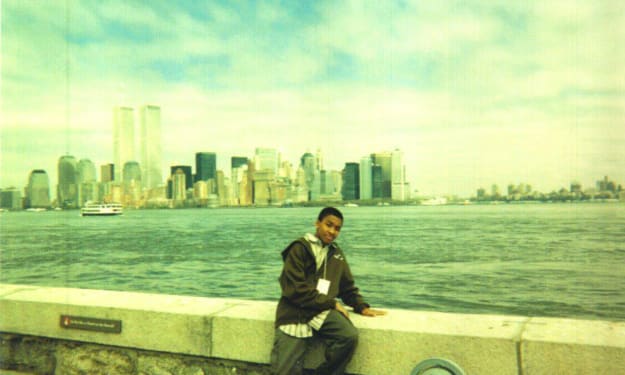
In May of 2000, my sixth grade class received the chance to go to Ellis and Liberty Islands not far from New York City. While we didn’t enter into Manhattan to experience the skyscrapers, especially the World Trade Center, I yearned for the day where I would be able to visit the Twin Towers.…
By Skyler Saunders8 years ago in The Swamp
Most Famous Political Writers of All Time
Political writers are seen as protestors who protest through their writing. Intelligent, passionate, and inspiring, the world has come across some of the best writers in politics that we've ever seen. From years ago to recent days, these individuals have placed the most powerful words through pen and onto paper and made a difference—impacting people's perspectives. The majority of their writing would usually fall back to the political incidences that would take place during the time, and as their writing affected the people and their views, these are the type of political writes who've earned the title of one of the best.
By George Nekilan9 years ago in The Swamp
A Review of Common Sense by Thomas Paine
If anyone asks me what I’ve been doing to get in the spirit of the Fourth of July, I will respond, in the words of Angelica Schuyler, “I’ve been reading Common Sense by Thomas Paine…” I read excerpts from Common Sense in my American Literature class last semester and I bought a copy of the full work in the gift shop of the Concord Bridge battlefield site and thought it would be a good idea to read it in honor of Independence Day.
By Rachel Lesch9 years ago in The Swamp
Speak No Evil; The Flaws of Society in Literature
Literature has shaped our society in more ways than one. Not only is it a reflection of our history and future, it is a commentary, albeit a dramatic one, of how flawed the human world can be, a wake-up call that demands people to rethink the world they live in.
By Varinder Singh9 years ago in The Swamp
Best Political Thriller Novels
Many people have different opinions as to what goes into the best political thriller novels. Some readers want to read about a mystery, a conspiracy that, upon unfolding, will leave the world forever changed. Some readers want to read about soldiers defending their country's interests by combatting foreign threats, either utilizing their wits or very large guns.
By Miranda O'Conner9 years ago in The Swamp
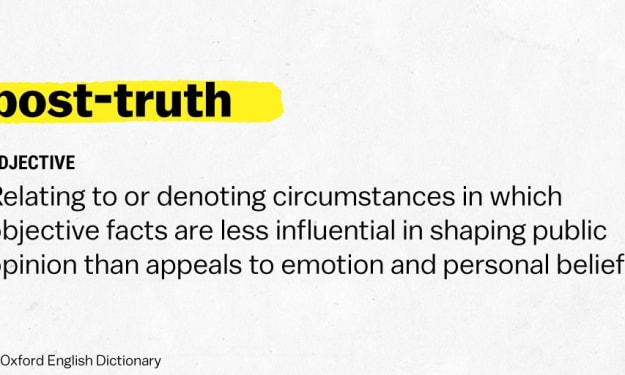
5 Takeaways From Noam Chomsky In this Post-Truth World
We trust you... We trust you not... Image credit : NBC News The term "post-truth" was popularised in 2016 due to its frequent use during the Brexit referendum and US Presidential election. With this term comes an assumption that there was a time where the objective truth was predominant. Although I am not asserting that such an extraordinary time has never existed, I don't believe that it has occurred within the past number of centuries.
By Kaitlyn Shi9 years ago in The Swamp
Interview with John C. Bednar, Author of 'The People's President'
Author and professor Dr. John Bednar first began writing his political thriller The People's President in the early 70s. His book–written in the scandalous milieu of Watergate and the Vietnam War–posed a fictional and righteous reality in which politics and money did not mix. Bednar's writing was a understated form of protest, a caution against the burgeoning Washington swamp and what he perceived as a gross miscarriage of a democratic electoral system. His book was first circulated among his colleagues and students and was received well; Bednar's ideas resonated with his readers and laid dormant, marinating, for decades to come.
By The Swamp Staff9 years ago in The Swamp