
Israel's Response to the October 7 Attacks
"Justice or Controversy?

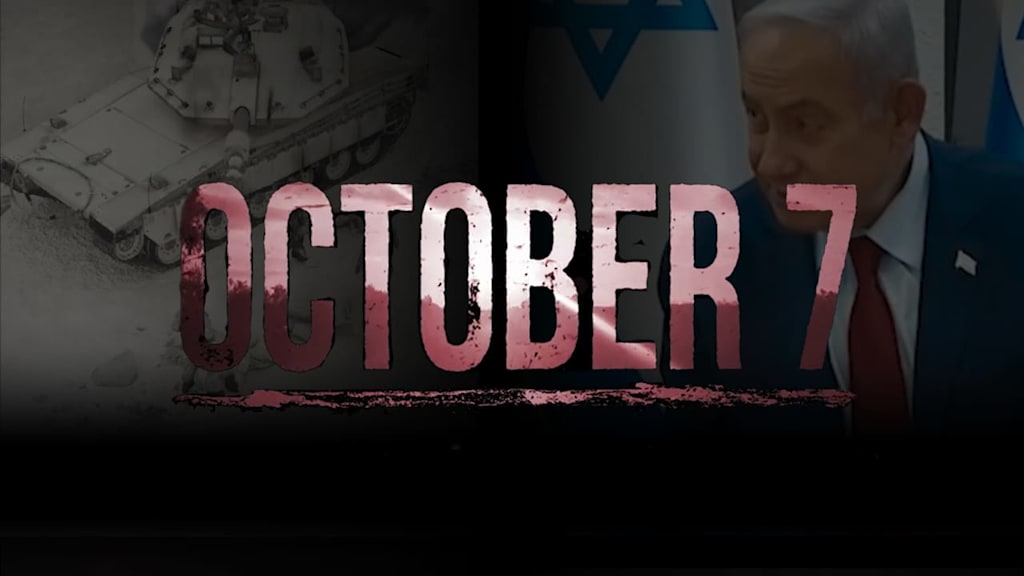
The events of October 7, 2023, became one of the most significant and tragic moments in recent Middle East history. On that day, Hamas launched a large-scale attack on Israel, leading to the deaths of many people and causing shock across the country. The attacks included rocket fire, armed assaults, and hostage-taking. Following these events, Israel responded with a series of military, political, and security actions. The response quickly became one of the most discussed international issues, attracting attention from governments, media organizations, and people around the world.
Immediately after the attacks, Israel declared a state of war and announced that its main goal was to protect its citizens and prevent similar attacks in the future. Israeli leaders described the attack as an unprecedented security crisis and promised a strong response. The government mobilized military forces and began large operations aimed at targeting Hamas infrastructure and fighters.
One of Israel’s first responses was launching airstrikes in Gaza. Israeli officials stated that these operations targeted military sites, command centers, tunnels, and areas linked to Hamas activities. The purpose, according to Israel, was to weaken Hamas and reduce its ability to carry out future attacks. However, as military operations expanded, the situation also led to heavy destruction and humanitarian concerns in Gaza.
Israel also increased its ground operations. Troops were deployed in areas connected to military objectives and security operations. The government explained that these actions were necessary to dismantle Hamas networks and rescue hostages taken during the October 7 attacks. The issue of hostages became one of the most emotional and important parts of the conflict, with families calling for efforts to bring their loved ones home safely.
In addition to military action, Israel strengthened security measures inside the country. Border security was increased, emergency systems were expanded, and intelligence operations became a major focus. Israeli authorities reviewed how the attacks occurred and examined weaknesses in national security systems. Questions about intelligence failures and preparedness became subjects of political discussion within Israel.
The attacks and Israel’s response also created major international reactions. Many countries expressed support for Israel's right to defend itself after the attacks. At the same time, international organizations and humanitarian groups raised concerns about civilian casualties and the humanitarian situation in Gaza. As the conflict continued, global leaders called for efforts to reduce violence and seek peaceful solutions.
Politically, the events had a strong impact inside Israel. Government leaders faced pressure regarding security decisions and future strategies. Public debate increased over how to handle long-term security threats and prevent similar attacks in the future. The crisis influenced political discussions, military planning, and national priorities.
The economic impact was also significant. Conflicts often affect businesses, tourism, investment, and daily life. Many communities experienced disruption, and uncertainty affected both local and international markets. Security concerns also changed everyday life for many people living in the region.
Beyond military and political effects, the human cost remained the most painful part of the conflict. Families on all sides experienced loss, fear, and uncertainty. Civilians faced difficult conditions, and many people around the world followed developments with concern. Humanitarian organizations repeatedly emphasized the need to protect civilians and provide aid where possible.
Israel’s response to the October 7 attacks was therefore much broader than military action alone. It included security measures, political decisions, international diplomacy, and ongoing debates about the future. Supporters viewed the actions as necessary for national defense, while critics questioned aspects of the response and its humanitarian consequences.
As the situation continues to influence regional and international politics, the events of October 7 and the responses that followed may shape the future of the Middle East for many years. The conflict showed how quickly a single event can affect global discussions on security, diplomacy, and peace. Understanding Israel’s response requires looking not only at military actions but also at the wider political, humanitarian, and human dimensions of the crisis.
About the Creator
shaoor afridi
“I am a passionate writer dedicated to sharing informative, engaging, and well-researched articles. My goal is to provide valuable content that educates, inspires, and adds real value to readers.”
Enjoyed the story? Support the Creator.
Subscribe for free to receive all their stories in your feed.
Comments
There are no comments for this story
Be the first to respond and start the conversation.