
Iran Calls for Ceasefire in Lebanon Alongside Peace Efforts
Tehran Links Regional Stability to an Immediate Halt in Violence

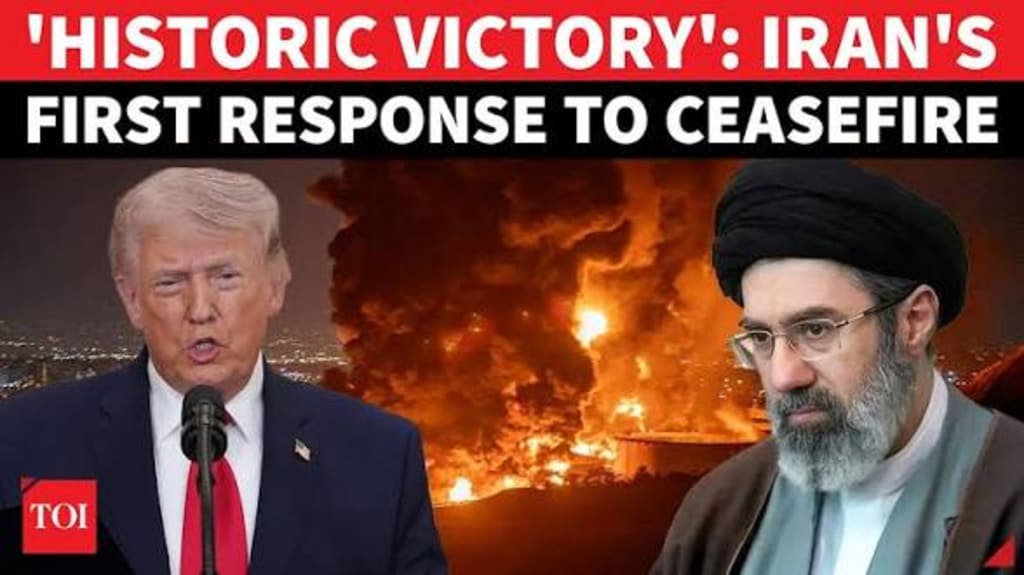
The ongoing diplomatic efforts between the United States and Iran have revealed a critical demand from Tehran: any meaningful ceasefire must not be limited to Iran alone but must also extend to Lebanon. This position has become one of the central sticking points in recent negotiations and reflects Iran’s broader vision of regional peace rather than a narrow, country-specific agreement.
Iran’s leadership has consistently argued that conflicts in the Middle East are deeply interconnected. From Tehran’s perspective, it is not enough to halt hostilities between Iran and the United States while violence continues elsewhere—especially in Lebanon, where fighting involving Israel and Hezbollah remains intense. Iranian officials have made it clear that a ceasefire in Lebanon is a “red line” and a necessary condition for broader peace talks to move forward. �
RTÉ +1
This demand is rooted in both strategic and ideological considerations. Lebanon holds significant importance for Iran due to its ties with Hezbollah, a powerful political and military group. Tehran views Hezbollah as a key ally and part of a wider regional network. As a result, continued attacks in Lebanon are seen not as a separate conflict but as an extension of the broader confrontation in the region. Experts note that Iran has insisted that “halting fire on both Iran and Lebanon” should form the basis of any negotiation framework. �
Al Jazeera
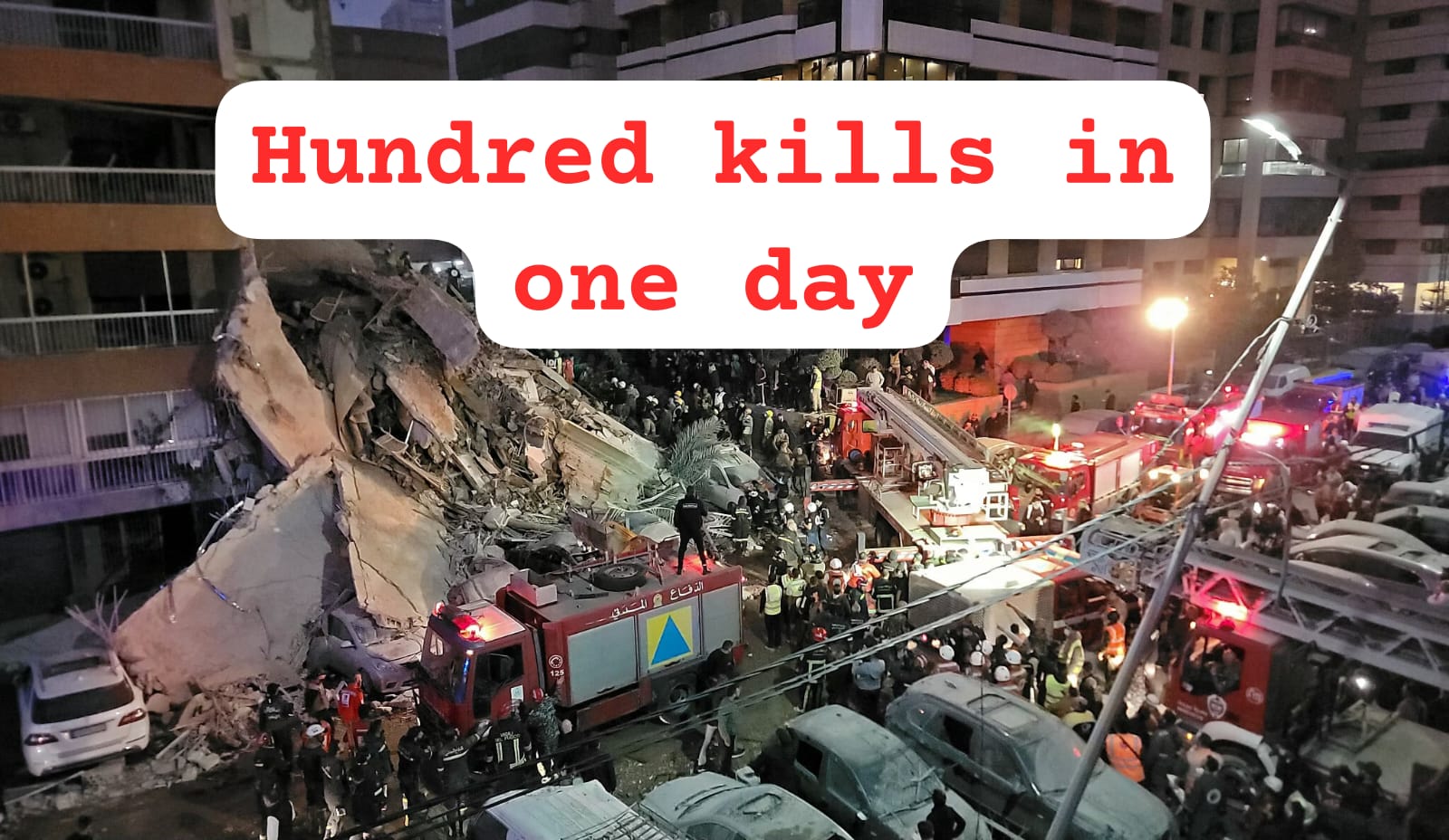
Recent developments on the ground reinforce Iran’s concerns. Fighting in southern Lebanon has intensified, with ongoing clashes and airstrikes contributing to rising casualties and instability. At the same time, Israel has shown reluctance to include Hezbollah in ceasefire discussions, further complicating efforts to de-escalate the situation. �
Al Jazeera
Iran’s position has also influenced broader diplomatic dynamics. During recent talks in Pakistan, Tehran coordinated with Lebanese officials to ensure that any ceasefire commitments would be respected across all fronts. This highlights Iran’s attempt to align regional actors and prevent what it sees as selective or partial peace agreements. �
Reuters
However, this stance has not been universally accepted. The United States and its allies have often approached the conflicts separately, focusing primarily on nuclear issues and direct U.S.-Iran tensions. Similarly, Israel has rejected linking its conflict with Hezbollah to broader negotiations, arguing that its military actions are independent and justified by security concerns. This fundamental disagreement over whether regional conflicts should be treated as interconnected or separate has become a major obstacle to progress.
Critics argue that Iran’s insistence on including Lebanon complicates already fragile negotiations. By expanding the scope of talks, it introduces additional actors, interests, and conditions, making consensus harder to achieve. Yet from Iran’s perspective, excluding Lebanon would result in an incomplete and unstable agreement—one that could collapse as soon as violence resumes elsewhere.
Iran has intensified its call for a ceasefire in Lebanon, stressing that peace efforts cannot succeed without ending ongoing violence. Iranian officials have made it clear that any broader agreement with the United States must include Lebanon, where continued Israeli strikes are escalating tensions. �
The Economic Times
Tehran has even warned it may refuse negotiations or withdraw from agreements if attacks persist. � At the same time, Iran is engaging diplomatically with regional and international actors to support ceasefire commitments and reduce conflict. �
Reuters
By linking Lebanon to wider peace talks, Iran aims to push for a more comprehensive and lasting solution to regional instability.
Ultimately, Iran’s call for a simultaneous ceasefire in Lebanon reflects a larger debate about how peace should be structured in the Middle East. Should conflicts be resolved individually, or must they be addressed as part of a wider regional framework? The answer to this question will likely determine the success or failure of future negotiations.
As diplomacy continues, one thing remains clear: without addressing the situation in Lebanon, any attempt to secure lasting peace between Iran and the United States may remain incomplete.
About the Creator
Sk
"I am a passionate writer, crafting books and articles on Vocal Media, exploring human experiences, stories, and creative reflections."
Enjoyed the story? Support the Creator.
Subscribe for free to receive all their stories in your feed.
Comments
There are no comments for this story
Be the first to respond and start the conversation.